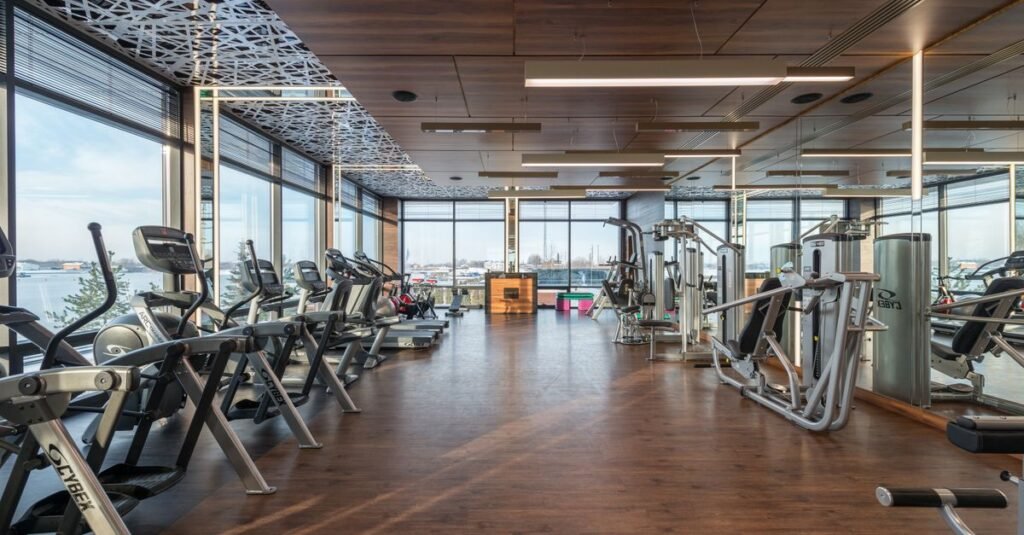
An effective gym workout plan for weight loss combines 3-4 days of strength training with compound movements and 2-3 days of cardio, targeting 4-5 total gym sessions weekly — this combination builds and preserves muscle (supporting metabolic rate) while creating the calorie deficit needed for fat loss, outperforming either strength training or cardio alone.
I’m Yash Pathak, founder and lead trainer at FitStrot. Gym-based weight loss plans often default to excessive cardio and minimal strength work, missing the muscle-preservation and metabolic benefits that make strength training essential, not optional, for this goal.
Why Strength Training Deserves Priority
Cardio burns calories during the session itself, but strength training builds and preserves muscle mass, which supports a higher resting metabolic rate over time — meaning you burn more calories even at rest. In a calorie deficit, without adequate strength training, your body loses muscle alongside fat, which slows metabolism and undermines long-term results. This is why gym routines built primarily or exclusively around cardio machines tend to underperform compared to those incorporating substantial strength work.
A Sample Weekly Gym Structure
Day 1: Full-body strength (compound focus). Squats, deadlifts, bench press or push-ups, rows — movements that engage multiple muscle groups simultaneously for efficient strength building.
Day 2: Cardio (moderate intensity). 30-40 minutes on a treadmill, elliptical, or cycling machine, or a moderate-pace outdoor run.
Day 3: Upper body strength. Chest press, shoulder press, rows, pull-ups or lat pulldowns, bicep and tricep work.
Day 4: Rest or light activity. A walk or gentle stretching, allowing recovery from the week’s strength sessions.
Day 5: Lower body strength. Squats, lunges, leg press, hip thrusts, calf raises.
Day 6: Cardio or a mixed session. Interval training (alternating higher and lower intensity) for a stronger calorie burn than steady-state cardio alone.
Day 7: Rest.
Exercise Selection: Compound Over Isolation
Compound movements (squats, deadlifts, presses, rows) engage multiple muscle groups at once, burning more calories per exercise and building strength more efficiently than isolation exercises (bicep curls, leg extensions) that target a single muscle. A gym routine built primarily around compound movements, with isolation work added as supplementary rather than primary, tends to produce better overall results for weight loss specifically.
How Much Weight and How Many Reps
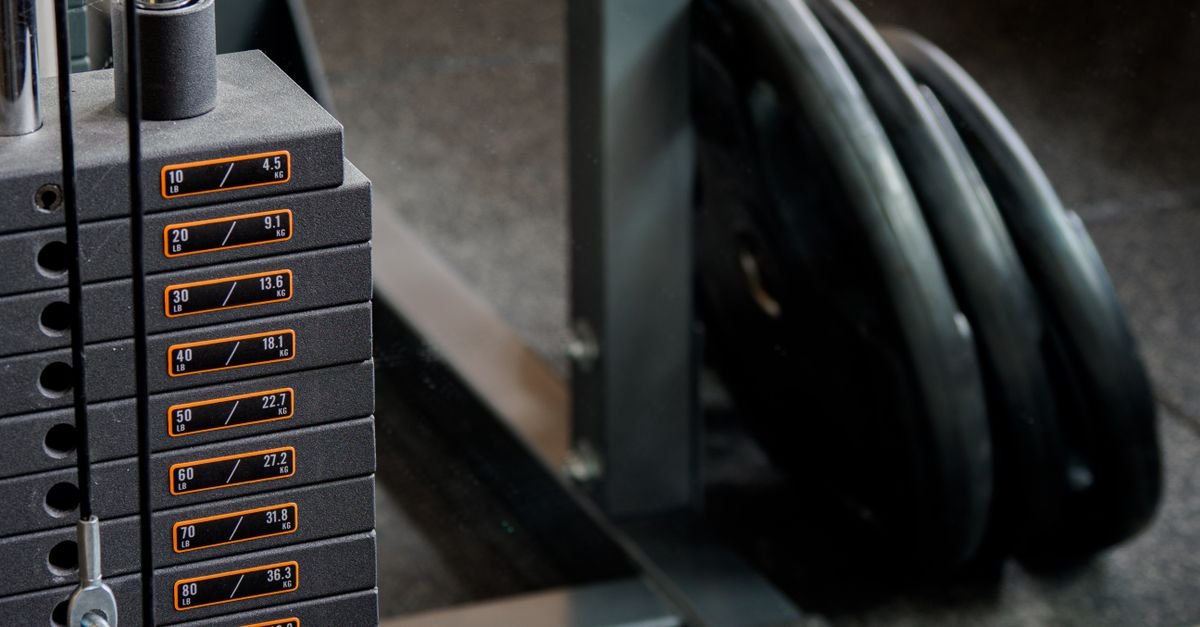
For weight loss and muscle preservation, a moderate rep range (8-12 reps per set, 3-4 sets) with weight heavy enough that the last 2-3 reps feel genuinely challenging tends to work well. Progressive overload — gradually increasing weight or reps over weeks — keeps the routine effective as your body adapts, rather than plateauing on the same weights indefinitely.
Cardio: How Much Is Enough
2-3 sessions weekly of 30-40 minutes is generally sufficient to support the calorie deficit without excessive time investment or interfering with strength training recovery. More isn’t automatically better — excessive cardio, particularly combined with an aggressive calorie deficit, can increase muscle loss risk and lead to burnout.
Common Gym Workout Mistakes for Weight Loss
Spending most gym time on cardio machines while neglecting strength training, missing out on the muscle-preservation and metabolic benefits. Lifting too light to create meaningful strength stimulus, treating weights as an afterthought to cardio. And inconsistent attendance, since the muscle-building and metabolic benefits require consistent training over weeks and months to materialize.
Building the Diet Side to Match
A gym workout plan works best paired with adequate protein (1.4-1.8g per kg body weight, higher if training intensely) to support muscle repair and growth, alongside a moderate calorie deficit through diet. Our high protein diet for weight loss and workout and diet plan guides cover this combined approach in more depth.
Progressing Beyond the Beginner Stage
As strength and fitness improve, the routine should evolve — increasing weight, adding more challenging variations, or restructuring the split (e.g., moving from full-body sessions to a more specific upper/lower or push/pull/legs split) to continue providing an adequate training stimulus. A routine that never progresses eventually plateaus in its results.
Why a Structured, Progressive Program Beats a Generic Routine
A gym routine copied from a generic source, without progression or adjustment based on your actual results, tends to plateau after the first few weeks. An online weight loss trainer builds a program calibrated to your fitness level and goals, progressing it appropriately as you get stronger.
Structuring a Weekly Gym Split for Weight Loss
A simple, effective weekly structure: 3 days of full-body or upper/lower split strength training, 2 days of moderate cardio (treadmill, elliptical, or cycling), and 1-2 rest or active recovery days. This balance ensures adequate strength stimulus for muscle preservation while still generating meaningful additional calorie burn through cardio, without overtraining any single area. Beginners often do better starting with 3 total gym sessions weekly and building up, rather than attempting a 5-6 day split immediately, since consistency over months matters far more than an ambitious schedule abandoned after two weeks.
Warming Up Properly: The Ten Minutes Most People Skip
Walk into any gym in Mumbai or Bangalore around 7 pm and you’ll see the same pattern — people rushing straight from the locker room to the barbell because they only have forty-five minutes and want to “get to the real work.” I understand the time pressure, but skipping a proper warm-up is one of the more common ways people sabotage their own sessions, both for performance and for injury risk. A cold squat with a loaded bar is a very different movement, biomechanically, than the same squat after your hips and ankles have actually opened up.
A warm-up that actually helps doesn’t need to be long. Five minutes of light cardio — brisk walking on an incline treadmill or a slow cycle — to raise your core temperature and get blood moving into the muscles you’re about to train, followed by two or three dynamic mobility movements specific to that day’s session. Before a leg day, that might be bodyweight squats, walking lunges, and hip openers. Before an upper body pushing day, band pull-aparts and shoulder circles do more for you than five more minutes on the treadmill would.
Then there’s the ramp-up sets on your first compound lift, which people also tend to rush. If your working set for the day is 60 kg on the squat, jumping straight into that from an empty bar is asking your nervous system and joints to adapt instantly. Two or three warm-up sets with increasing weight — say the bar, then 30 kg, then 45 kg — before you touch your actual working weight lets your body groove the movement pattern and lets your joints handle load progressively. This alone tends to improve how the first working set feels, which matters more than people expect for how much effort you can actually put into training that day.
Adjusting the Plan When Life Gets in the Way: Travel, Soreness, and Missed Sessions
A weight loss program built around four or five gym sessions a week looks great on paper until a work trip to Pune, a wedding season that eats three weekends in a row, or a bout of viral fever knocks out your schedule. What separates people who keep losing weight steadily from people who stall isn’t that they never miss sessions — it’s how they handle the disruption when it happens.
If you miss one or two sessions in a week, the worst thing you can do is try to “make it up” by cramming everything into the remaining days with extra-long, exhausting workouts. That usually backfires through poor recovery and worse performance in the next session. Instead, simply pick up the plan where you left off and let that week be a slightly lighter training week — your diet is still doing most of the work for weight loss regardless.
Muscle soreness, especially in the first six to eight weeks of a new program, is another place people misjudge things. Soreness two days after training legs doesn’t mean you need to skip your next scheduled session entirely — light movement, like the same muscle group at a lower intensity, or simply training a different body part, often helps recovery more than complete rest does. What genuinely warrants skipping or modifying a session is sharp joint pain, unusual fatigue that doesn’t improve with sleep, or symptoms of illness, and in those cases, resting without guilt for a few days keeps you consistent over the months that actually matter for weight loss, rather than pushing through and getting properly injured or burnt out.
How to Know Your Gym Program Is Actually Working, Beyond What the Scale Shows
A lot of my clients get frustrated somewhere around week three or four of a gym program because the scale hasn’t moved as much as they hoped, and they start to wonder if the plan is failing. This is usually the point where I ask them to stop looking at just one number and start tracking the things that actually tell you whether a gym-based weight loss plan is working. The scale is one data point among several, and on its own it can be misleading for weeks at a time, especially when you’re building muscle while losing fat, which is exactly what a well-structured strength program is designed to do.
The clearest signal I use with clients is strength progression on your main lifts. If your goblet squat went from 12 kg to 20 kg over six weeks, or your rows went from bodyweight-assisted to using an 8 kg dumbbell each side, that’s real, measurable evidence that your body is adapting and your training is doing its job, regardless of what the scale says that week. I ask clients to keep a simple log, just the exercise, the weight, and the reps, updated after every session. Within a month, that log tells a far more honest story than daily weigh-ins do, because strength gains don’t fluctuate with water retention or last night’s dinner.
The second thing worth tracking is your body measurements, specifically waist, hips, and either thigh or arm circumference, taken once every two weeks with a soft measuring tape. It’s common for the scale to sit still for two or three weeks while the waist measurement drops by two or three centimetres, because fat is being lost while some muscle is being gained at nearly the same rate. Progress photos, taken in the same clothing, lighting, and pose every two weeks, catch changes that are almost invisible day to day but obvious when you compare month one to month two. I’ve had clients who were convinced nothing was happening until they placed their week one and week eight photos side by side.
Beyond the numbers, pay attention to how you feel functionally. Are you less breathless climbing three flights of stairs? Is the same workout that left you sore and exhausted in week one now something you recover from within a day? Are your clothes fitting differently around the waist even if the scale hasn’t shifted much? These are all legitimate markers of a gym program working as intended. If none of these are moving after six to eight consistent weeks, that’s the real signal to review the plan, not a stubborn scale reading on any single morning.
Frequently Asked Questions
How many days a week should I go to the gym for weight loss?
4-5 days weekly, combining 3-4 strength training sessions with 2-3 cardio sessions, tends to produce better results than either type of training alone or excessive frequency without adequate recovery.
Is strength training or cardio better for weight loss at the gym?
Both play complementary roles — strength training preserves and builds muscle (supporting metabolic rate), while cardio directly supports the calorie deficit. Combining both outperforms either exclusively.
How long does it take to see results from a gym workout plan?
Most people notice improved strength and energy within 2-3 weeks, with visible body composition changes typically appearing by week 6-8 when combined with a calorie-appropriate diet.
Can beginners start a gym workout plan for weight loss?
Yes, beginners should focus on learning proper form with lighter weights initially, building toward more challenging weights and complexity as strength and confidence develop over the first few weeks.
Ready for a Gym Program Built and Progressed for You?
A FitStrot online weight loss trainer builds a strength and cardio program calibrated to your fitness level, progressing it as you get stronger and adjusting based on your results.