The strongest evidence linking food to skin health isn’t about miracle superfoods — it’s about specific nutrients doing specific jobs: vitamin C for collagen production, omega-3 fats for the skin’s barrier, and a low-glycemic eating pattern that appears, across several controlled studies, to reduce acne. Good skin nutrition is less about chasing trends and more about consistently supplying the raw materials your skin uses every day to repair and renew itself.
Skin is your body’s largest organ, and it’s metabolically demanding — constantly shedding and rebuilding cells, producing collagen, and defending against UV and environmental damage. That process runs on nutrients from food. This guide walks through what the research actually supports, and where the evidence is thinner than influencer content suggests.
What nutrients does skin actually need to stay healthy?
Skin relies on a handful of nutrients that show up consistently in dermatology and nutrition research:
- Vitamin C — required for collagen synthesis; without it, collagen production stalls
- Protein — supplies the amino acids that build collagen and keratin
- Vitamin E and beta-carotene — antioxidants that help neutralize free-radical damage from UV exposure and pollution
- Omega-3 fatty acids — support the lipid barrier that keeps moisture in and irritants out
- Zinc — involved in wound healing and regulating oil production
- Water — supports overall skin function, though its cosmetic effects are more modest than commonly claimed
None of these work in isolation. Skin health reflects your overall diet pattern more than any single “hero” ingredient, which is why consistent vitamin and mineral intake matters more than occasional supplementation.

How does vitamin C support collagen and skin structure?
Vitamin C is not optional for collagen — it’s a required cofactor. Two enzymes that stabilize the collagen molecule (prolyl hydroxylase and lysyl hydroxylase) cannot function without it. When intake drops low enough for long enough, collagen synthesis is impaired; the classic historical example is scurvy, where poor wound healing and fragile connective tissue appear once intake falls below roughly 10 mg a day for several weeks, according to the National Institutes of Health Office of Dietary Supplements. That’s an extreme deficiency scenario most people never approach, but it illustrates the mechanism clearly: no vitamin C, no properly formed collagen.
The Recommended Dietary Allowance for vitamin C is 90 mg/day for adult men and 75 mg/day for adult women, and people who smoke need an additional 35 mg/day since smoking increases oxidative stress. These amounts are easy to reach through food — a medium orange provides roughly 70 mg, and a half-cup of red bell pepper provides even more. There’s no strong evidence that intake far above the RDA produces extra skin benefits; more isn’t better once needs are met.
Vitamin C also works alongside protein. Collagen is itself a protein, built largely from the amino acids glycine, proline, and hydroxyproline, so adequate dietary protein supplies the building blocks while vitamin C helps assemble them correctly.
Do antioxidants like vitamin E and beta-carotene actually protect skin?
Vitamin E and beta-carotene are fat-soluble antioxidants that accumulate in skin’s outer layers and sebum, where they help neutralize free radicals generated by UV light and pollution exposure. This is a well-established mechanism, though it’s important to be precise about what it does and doesn’t do: dietary antioxidants support your skin’s baseline defenses, but they are not a substitute for sunscreen, and no food or supplement provides reliable, measurable sun protection on its own. The American Academy of Dermatology continues to recommend broad-spectrum SPF as the primary defense against UV damage, with diet playing a supporting role at best.
Good sources of vitamin E include almonds, sunflower seeds, and vegetable oils. Beta-carotene, a precursor to vitamin A, is abundant in orange and dark leafy vegetables — sweet potatoes, carrots, spinach, kale. Because both are fat-soluble, they’re absorbed better with some dietary fat, which is why a salad with olive oil dressing beats the vegetables alone.
Can omega-3 fatty acids improve your skin barrier?
Omega-3 fatty acids, particularly EPA and DHA from fatty fish, are structural components of cell membranes throughout the body, including skin cells. They support the skin barrier — the outermost layer controlling water loss and keeping out irritants — and have documented anti-inflammatory effects. People with very low omega-3 intake sometimes report drier, more irritation-prone skin, consistent with omega-3’s role in maintaining the lipid layer that keeps skin hydrated from within.
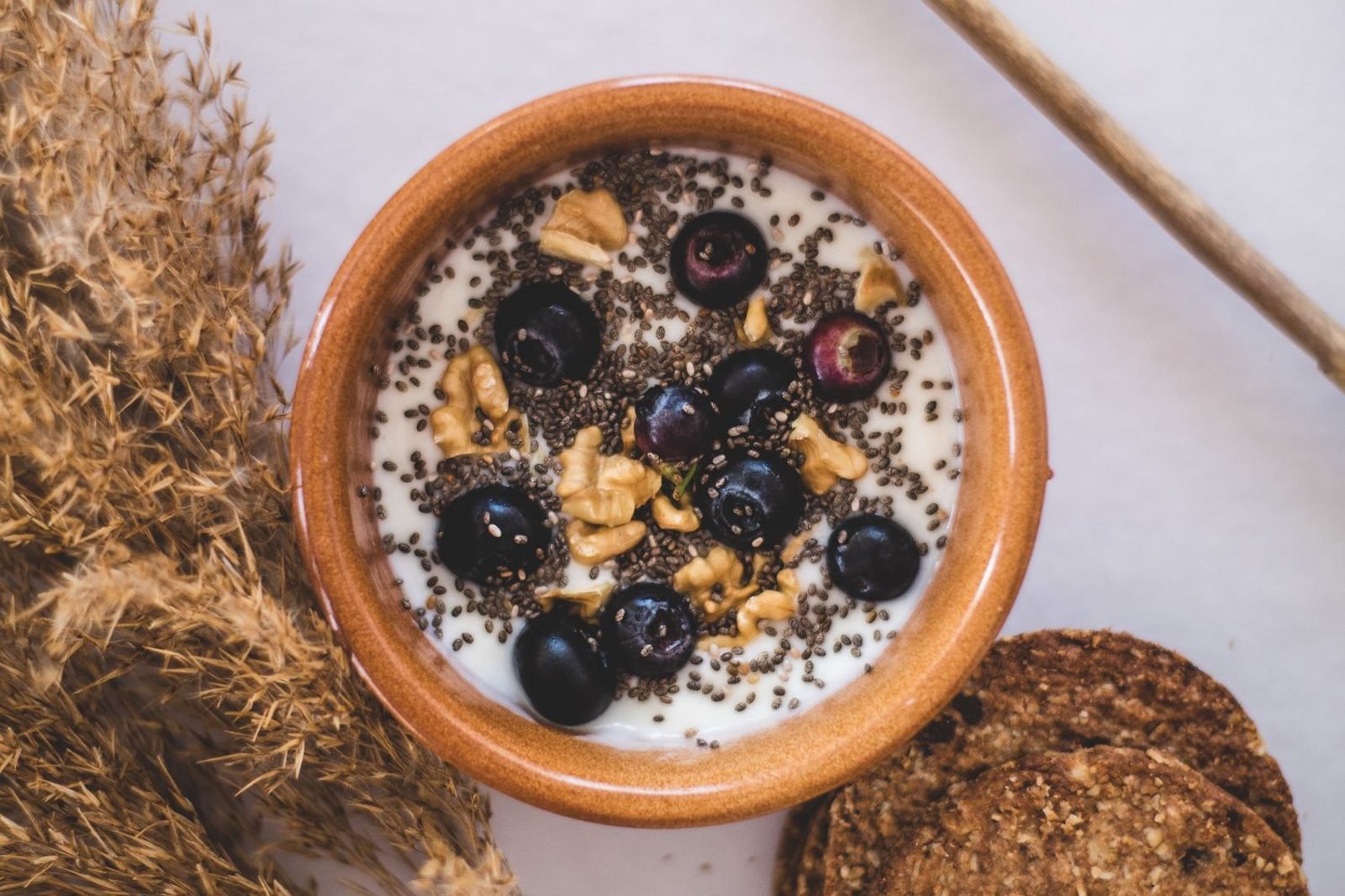
Fatty fish like salmon, mackerel, and sardines are the most concentrated sources. Plant-based omega-3s (ALA) from walnuts, chia seeds, and flaxseed help too, though the body converts ALA to the more bioactive EPA and DHA forms inefficiently, so those relying on plant sources alone may want to eat them more regularly. See this guide on omega-3 nutrition for intake targets.
Does drinking more water actually improve your skin?
This is one of the most overstated claims in skincare marketing. Water is essential for every bodily process, including skin cell function, and visible dehydration can make skin look temporarily duller or less plump. But the idea that drinking extra water beyond normal needs will meaningfully change skin’s appearance, elasticity, or wrinkle depth isn’t well supported once you’re already adequately hydrated. Skin hydration is influenced far more by the skin barrier’s condition — where omega-3 fats and ceramides matter — and by topical moisturizer use than by how much water you drink.
The practical takeaway: drink enough water to satisfy thirst and support normal function — general guidance from the National Academies puts total daily fluid needs around 91 ounces for women and 125 ounces for men, including food sources. Beyond that baseline, extra water isn’t likely to erase fine lines or produce a “glow,” despite what wellness content often implies.
Does sugar or dairy actually cause acne?
This is the question with the most social media noise, and refreshingly, some genuinely useful research behind it — though the honest answer is more nuanced than “cut dairy and sugar and your skin will clear up.”
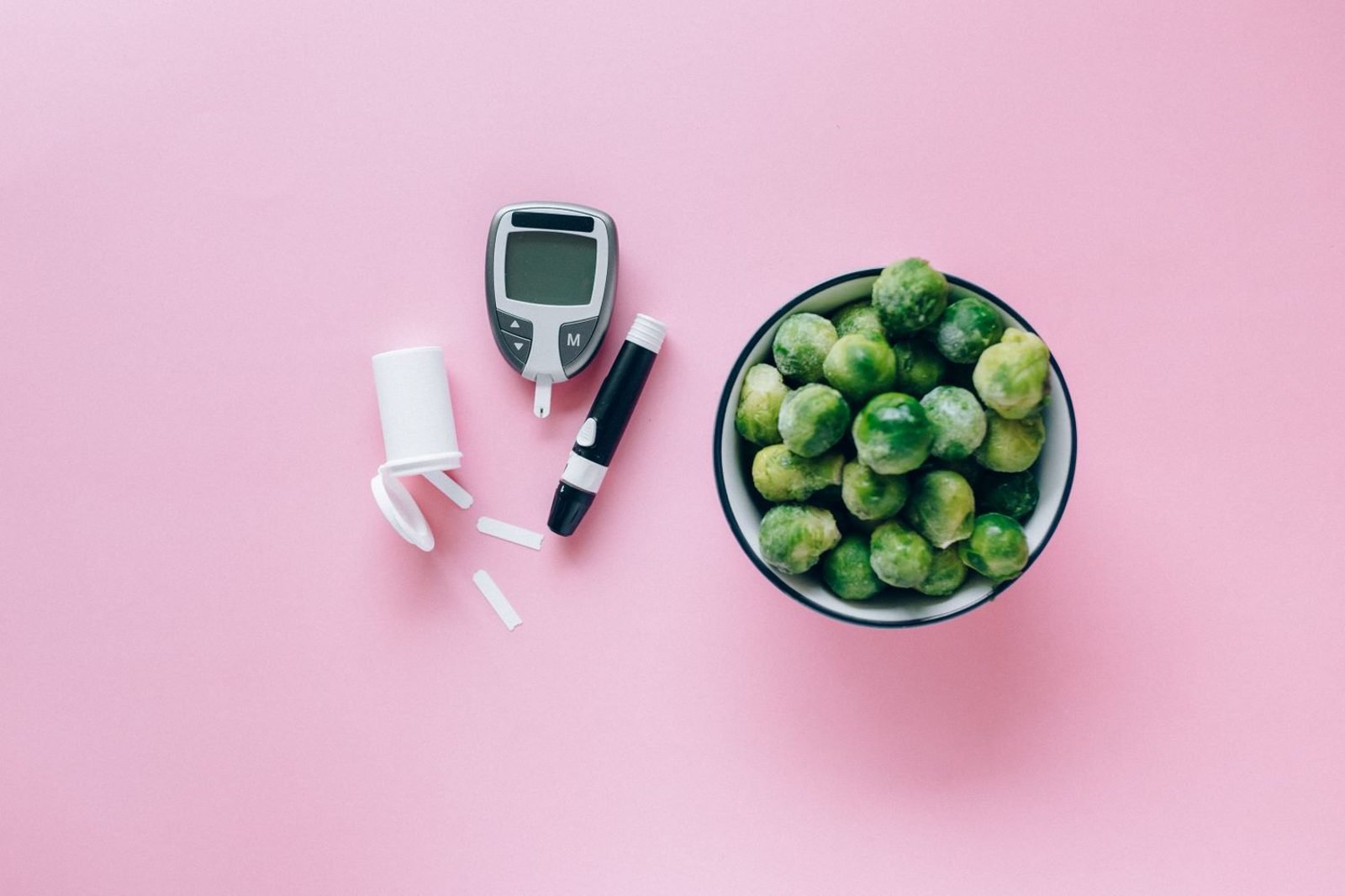
On high-glycemic diets: Several controlled studies point toward a real, if modest, connection. A randomized trial of 43 young men in Australia found that those following a low-glycemic-load diet for 12 weeks had significantly less acne than those eating their normal diet. A similar controlled trial in Korea with 32 acne patients found the same pattern after 10 weeks. The proposed mechanism: high-glycemic foods (white bread, sugary drinks, chips, pastries) cause blood sugar spikes that increase inflammation and stimulate sebum production, both of which can contribute to breakouts. Not every study agrees, and the AAD notes more research is needed before drawing firm conclusions.
On dairy, specifically cow’s milk: The evidence is more consistent than expected, but it’s specific — it points to milk, not dairy broadly. Multiple large studies, including one following over 47,000 adult women recalling their teenage diets and others tracking thousands of adolescents, found higher intake of cow’s milk (whole, low-fat, or skim) was associated with more acne; in one, women drinking two or more glasses of skim milk daily were 44% more likely to have acne. Researchers suspect hormones naturally present in milk may play a role, though the mechanism isn’t confirmed. Notably, the same research hasn’t found a similar link for yogurt or cheese — so “dairy causes acne” as a blanket claim overstates the evidence.
Practically: if you suspect a food is triggering breakouts, the AAD recommends tracking it — note whether a specific food precedes flare-ups, then remove it for a few weeks to see if your skin changes. That beats following blanket “no sugar, no dairy” rules. And regardless of diet, treating acne still requires proper skincare and often medical treatment — diet is a supporting factor, not a replacement for dermatologic care.
What does a genuinely skin-supportive diet look like day to day?
Rather than fixating on single “skin superfoods,” the evidence points toward a broader pattern:
- Get enough protein daily for collagen and keratin production
- Prioritize vitamin C-rich produce — citrus, bell peppers, strawberries, broccoli
- Include fatty fish or plant omega-3 sources two to three times a week
- Favor lower-glycemic carbohydrates most of the time, based on the acne studies above
- Eat a variety of colorful vegetables for a broad spread of antioxidants
- Stay adequately hydrated without expecting water alone to transform your skin
This same nutrient logic extends beyond skin — protein, vitamin C, zinc, and omega-3s also support hair nutrition, since hair follicles are similarly demanding, fast-growing tissue. If you’ve noticed skin and hair changes together, it’s worth looking at overall nutrient intake rather than treating them separately — our guide on nutrition and hair loss covers the overlap, and this list of hair-supporting foods shares common ground with the choices above.
For most people eating a reasonably varied diet, whole foods should come first, with supplements reserved for an identified gap — someone eating little to no fish, for instance, or with a diagnosed deficiency. Megadosing vitamin C or vitamin E beyond established upper limits hasn’t been shown to improve skin outcomes further and can cause other problems at high doses.
Frequently Asked Questions
How long does it take to see skin changes from dietary improvements?
Skin cells turn over roughly every 4-6 weeks in younger adults, slowing with age, so meaningful changes from diet typically take at least a month of consistent habits before becoming noticeable, and often longer. The acne studies referenced above showed measurable improvement at 10-12 weeks, which is a reasonable timeframe to expect.
Can vitamin C serums replace dietary vitamin C for skin benefits?
They work differently. Topical vitamin C offers localized antioxidant and brightening effects on skin’s surface, while dietary vitamin C is what your body uses internally to synthesize collagen. They’re complementary, not interchangeable — a serum can’t fix an inadequate dietary intake.
Is chocolate actually linked to acne?
The evidence is weaker and more mixed than for high-glycemic foods or milk. A few small studies suggest a possible link, particularly with dark chocolate in acne-prone individuals, but the research base is much thinner than the glycemic-index and dairy studies, so it isn’t considered a well-established trigger.
Does eating fatty or greasy food cause oily skin or breakouts?
Despite the common belief, there’s no strong evidence that dietary fat directly increases facial oil production or causes acne the way topical oils on skin can clog pores. The more consistent factors identified in research are high-glycemic carbohydrates and cow’s milk, not fat intake itself.
Should I cut out all dairy if I have acne-prone skin?
Not necessarily. The research specifically implicates cow’s milk, not dairy broadly — yogurt and cheese haven’t shown the same association. If you want to test dairy’s effect on your skin, removing milk specifically for several weeks while keeping other dairy is a more evidence-aligned experiment than eliminating everything.
Diet is one piece of a larger picture that includes genetics, hormones, sleep, stress, and skincare habits — it won’t override those factors, but getting the nutritional basics right gives your skin what it needs to do its own repair work. If you want a closer look at how your eating pattern lines up with what your skin, hair, and body actually need, an online nutritionist consultation can help you find the real gaps instead of guessing.