A complete shoulder workout trains all three heads of the deltoid: the anterior (front), lateral (side), and posterior (rear) delts. Miss the rear delts, which is the single most common mistake, and you end up with rounded, forward-hunched shoulders no matter how much you press. A shoulder workout that actually builds balanced, healthy shoulders needs a mix of pressing for overall size, lateral raises for width, and rear delt work for both posture and long-term joint health.
At FitStrot, shoulders are one of the muscle groups we spend the most coaching time correcting, mostly because they’re easy to overtrain in one direction and undertrain in another. This guide covers the anatomy in plain terms, a full sample routine covering all three heads, and the injury-prevention basics that matter most for a joint this mobile and this easy to hurt.
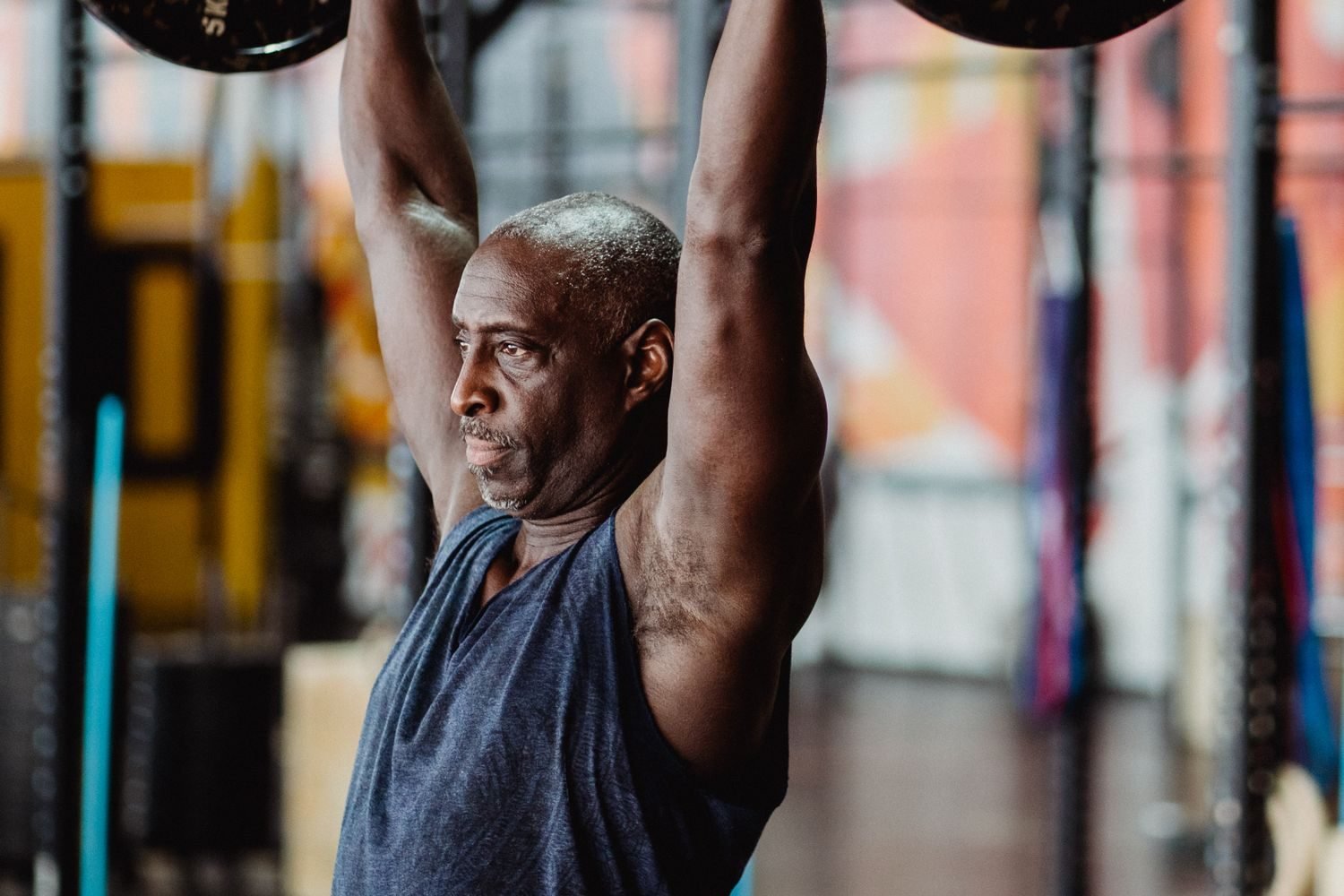
What Are the Three Heads of the Shoulder, and Why Does It Matter?
- Anterior deltoid (front): sits at the front of the shoulder and does most of the work in pressing movements like the overhead press and even the bench press. Most people overdevelop this head without trying, simply because it gets hit by almost every pushing exercise in a typical program.
- Lateral deltoid (side): sits on the outer shoulder and is what gives you that capped, wide look. It responds best to lateral raises and other ab/adduction movements, not pressing, since pressing mostly recruits the front delt.
- Posterior deltoid (rear): sits at the back of the shoulder and pulls your arm backward, the exact opposite motion of most pushing exercises. This is the head almost everyone neglects, and it’s the one most directly tied to shoulder posture and injury prevention.
A shoulder workout that leans entirely on pressing will build the front delt while leaving the side and rear underdeveloped. That imbalance shows up as rounded shoulders and, over time, as shoulder impingement or nagging pain during pressing movements. For the full anatomical breakdown of how each head functions, our deltoid workouts guide goes deeper than we can here.
What Does a Complete Shoulder Workout Look Like?
Here’s a sample routine we build for clients who want balanced shoulder development, not just a bigger overhead press number. Rest 60-90 seconds between sets.

| Exercise | Target | Sets x Reps |
|---|---|---|
| Standing Overhead Press | Anterior (primary), Lateral (secondary) | 4 x 6-8 |
| Dumbbell Lateral Raise | Lateral | 4 x 12-15 |
| Face Pull | Posterior, rotator cuff | 3 x 15-20 |
| Reverse Pec Deck or Bent-Over Rear Delt Fly | Posterior | 3 x 12-15 |
| Front Raise (optional, if anterior is a lagging goal) | Anterior | 2 x 12-15 |
Notice the volume split here. One pressing movement for the front delt, but two dedicated exercises for the rear delt. That’s intentional. Most people already get plenty of front delt work from chest and shoulder pressing elsewhere in their week, so a dedicated shoulder day should correct the imbalance rather than add to it.
Can You Train Shoulders With Just Dumbbells?
Yes, and for lateral and rear delt work, dumbbells are often the better tool anyway since they let each arm move independently through its own path. A dumbbell-only shoulder session might look like a seated dumbbell press, lateral raises, bent-over rear delt flys, and front raises. The main thing you lose without a cable station or barbell is the ability to load the overhead press quite as heavy, but for hypertrophy purposes that’s a minor tradeoff.
How Often Should You Train Shoulders Each Week?
Twice a week works well for most lifters, with at least 48 hours between sessions. Because shoulders are a smaller, faster-recovering muscle group than something like legs or back, many people can tolerate direct shoulder work alongside indirect volume from chest and back days without overreaching. If you’re already benching and rowing heavy twice a week, one focused shoulder session is usually enough. If your program is lighter on pressing and pulling, two dedicated shoulder days makes sense.
What Mistakes Wreck Most Shoulder Workouts?
We see this constantly with new clients: a shoulder day that’s three variations of overhead press and nothing else. The front delt gets hammered, the lateral and rear delts barely get touched, and the shoulder joint ends up chronically tight in one direction. Over months, this shows up as poor posture and, in a lot of cases, shoulder pain during pressing that has nothing to do with weak muscles and everything to do with imbalanced ones.
The second common mistake is using momentum on lateral raises, swinging the weight up with the hips instead of lifting it with the shoulder. This shifts the work onto the traps (a muscle group with its own loading needs, covered in our trap workouts guide) and defeats the purpose of the exercise. Keep the reps slow and controlled, and don’t chase heavier dumbbells at the cost of form on isolation movements like this.
How Do Shoulders Fit Into a Full Upper Body Day?
Shoulders don’t have to be trained in isolation. If you’re running an upper/lower split rather than a dedicated shoulder day, the front delt work happens naturally during chest pressing, and you can tack on lateral raises and rear delt work at the end of an upper body session. Our upper body workout guide shows exactly how shoulder volume slots into a broader session covering chest, back, and arms together.
What About Trap and Rear Delt Development Specifically?
Traps and rear delts often get grouped together because they’re both part of upper back posture and both commonly undertrained. If you want to go deeper on the posterior head specifically, our rear delt workout guide breaks down exercises for that neglected muscle, since traps respond to slightly different loading than the deltoid itself and deserve their own programming.
Should You Work With a Coach for Shoulder Training?
Shoulders are one of the more injury-prone joints in the body, partly because they’re so mobile and partly because most people default to the same one or two pressing movements without balancing them out. A coach who can review your form and catch an imbalance before it becomes chronic pain is worth a lot here. FitStrot’s 1-on-1 personal training builds shoulder programming around your specific posture, mobility, and goals, rather than handing you a generic press-heavy routine that might already be working against you.
FAQ
What is a shoulder workout?
A shoulder workout is a training session built around exercises that target the deltoid muscle’s three heads: anterior, lateral, and posterior. A complete one includes pressing for overall strength, lateral raises for width, and rear delt work for posture and shoulder joint health.
How do you do a shoulder workout correctly?
Start with a pressing movement while you’re fresh, then move to lateral raises for the side delt and finish with rear delt work like face pulls or reverse flys. Keep reps controlled and avoid using momentum, especially on isolation exercises like lateral raises where swinging the weight reduces the actual muscle stimulus.
What are the benefits of a shoulder workout?
A balanced shoulder workout builds visible width and definition, improves pressing strength across other lifts like the bench press, and, when it includes enough rear delt work, corrects the rounded-shoulder posture that comes from too much front-delt-dominant training.
How many sets of shoulders should you do per week?
Most people do well with 12-20 total sets across the three deltoid heads per week, spread over one or two sessions. Because the front delt also gets worked during chest pressing, many lifters need fewer direct sets for that head and more direct sets for the lateral and rear delts specifically.
Why do my shoulders hurt during workouts?
Shoulder pain during training is often linked to muscle imbalance, particularly overdeveloped front delts relative to a weak rear delt and rotator cuff. Adding rear delt and external rotation work, along with checking your pressing form, resolves a lot of shoulder discomfort that isn’t caused by an acute injury.