An upper body workout is a training session built around the muscles above your waist: chest, back, shoulders, biceps, and triceps. A well-programmed one hits pushing movements (bench press, overhead press) and pulling movements (rows, pull-ups) in roughly equal measure, so you’re not building a strong chest on top of a weak back. Most people run it as one day in a split, alongside a lower body or leg day, two to three times a week.
We get asked about this a lot at FitStrot, usually from people who’ve been doing random YouTube workouts for months and can bench press fine but can’t do a single strict pull-up. That imbalance is almost always a programming problem, not a genetics problem. Fix the split and the imbalance fixes itself in a few weeks.
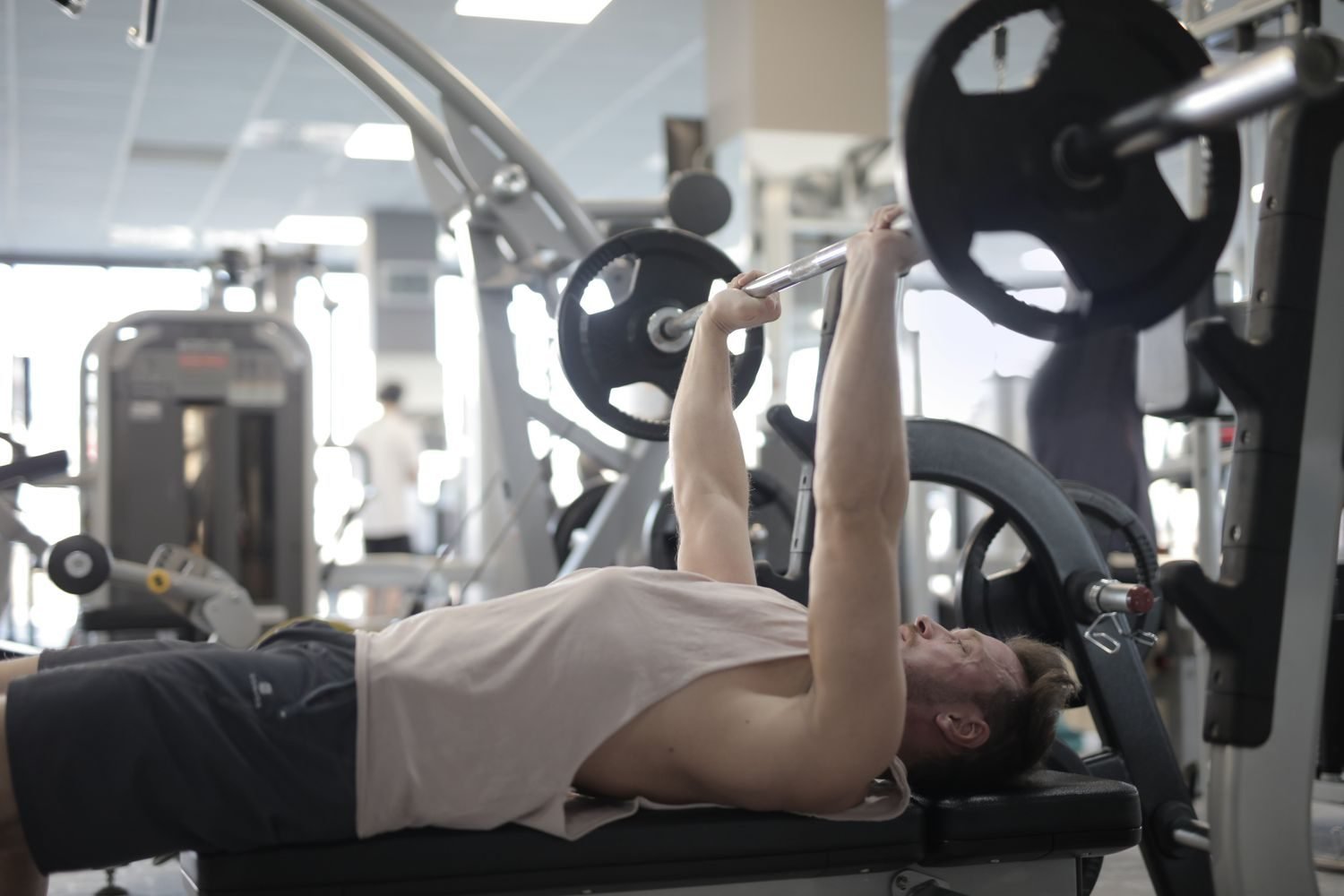
What muscles does an upper body workout actually cover?
Four regions, and you want all four represented in every session:
Chest — pecs, worked through pressing and fly movements.
Back — lats, traps, and rhomboids, worked through pulling and rowing movements.
Shoulders — front, side, and rear deltoids, worked through overhead pressing and raises.
Arms — biceps and triceps, worked directly through curls and extensions, and indirectly through every press and pull you already did.
A lot of home routines skip the back entirely because rowing without equipment is harder to improvise than a push-up. That’s the single most common gap we see when someone shows us their “upper body” routine for the first time.
How should you structure an upper body workout?
Pair a push with a pull. Bench press pairs naturally with a row. Overhead press pairs with a pull-up or lat pulldown. This isn’t just tradition, it keeps your shoulder joint healthy, since pulling exercises counteract the internal rotation that heavy pressing creates over time. Then you finish with isolation work for shoulders and arms once the big compound lifts are done, because your biceps and triceps are already partially fatigued from pressing and pulling anyway.
According to the American College of Sports Medicine’s resistance training guidelines, most healthy adults training for muscle growth should aim for around 10 sets per muscle group per week, using loads anywhere from moderate to heavy, and training close to failure (within two or three reps of it) rather than always maxing out. For pure strength, the guidance shifts toward heavier loads, around 80% of your one-rep max, for fewer sets. That’s a useful anchor if you’re wondering whether 3 sets or 5 sets of bench press is “enough” for the week, it depends on what else you’re doing for chest on other days.
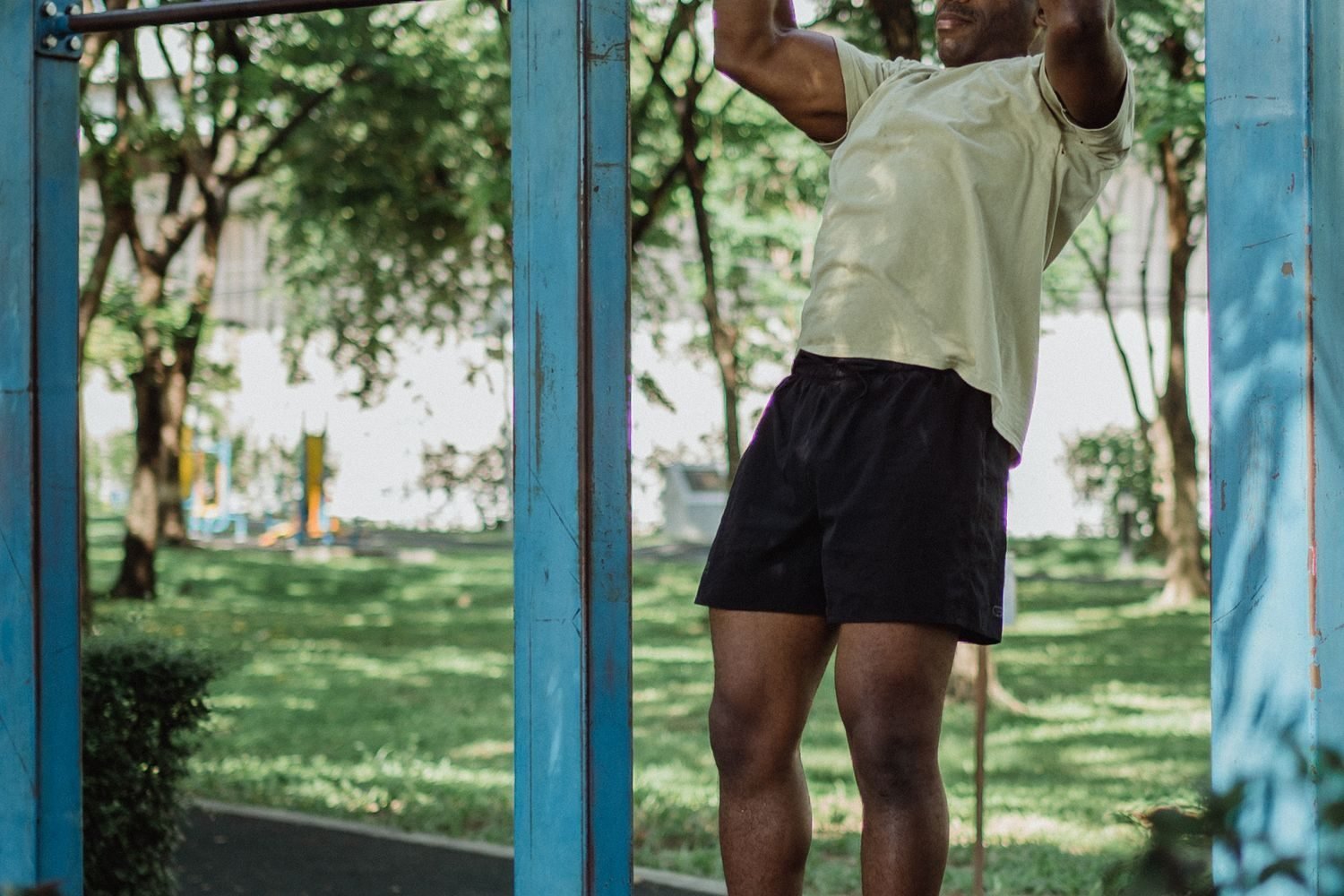
Sample upper body workout (gym version)
This is close to what we program for clients doing a dedicated upper body day, adjusted for a general intermediate lifter. Rest 60-90 seconds on isolation work, 2-3 minutes on the heavy compounds.
| Exercise | Sets | Reps |
|---|---|---|
| Barbell bench press | 4 | 6-8 |
| Bent-over barbell row | 4 | 6-8 |
| Overhead barbell or dumbbell press | 3 | 8-10 |
| Pull-ups or lat pulldown | 3 | 8-10 |
| Incline dumbbell press | 3 | 10-12 |
| Dumbbell lateral raise | 3 | 12-15 |
| Barbell or dumbbell biceps curl | 3 | 10-12 |
| Triceps rope pushdown | 3 | 10-12 |
That’s eight exercises, which lines up with what most sports medicine bodies recommend for a single well-rounded session. If you’re short on time, cut the incline press and one isolation move and you still have a complete workout. If you’re running this as part of a bigger split, we’ve laid out a full upper body day with a slightly different exercise order and progression scheme as part of a 4-day plan in our bulking workout plan guide, worth a look if your goal is size rather than general fitness.
No gym? Here’s the bodyweight version
You lose the barbell bench press and the row machine, but you don’t lose the structure. Push-ups (or decline push-ups with feet elevated) replace the bench press. Inverted rows under a sturdy table, or resistance-band rows, replace the barbell row. Pike push-ups or handstand push-up progressions cover overhead pressing. Pull-ups on a doorframe bar, or towel rows if you don’t own one, cover the back. Close-grip push-ups hit triceps, and you can add a resistance band for curls. It’s a legitimate substitute, not a compromise, plenty of our online coaching clients build real strength this way before they ever touch a barbell.
How often should you train your upper body each week?
Twice a week is the sweet spot for most people who also train legs and want visible progress within a couple of months. That could mean two dedicated upper body days in a 4-day upper/lower split, or an upper body day plus push and pull days spread across the week if you’re following a push/pull/legs structure. Once a week works if you’re pressed for time, but you’ll progress slower because you’re not accumulating enough weekly sets per muscle group. If you want to see how an upper body day fits alongside lower body training across a full week, our full body workout breakdown covers the alternative approach, training everything in one session instead of splitting it.
What about the “gym workout plan” you already have on your split?
If you’ve read our general gym workout plan guide, you’ve already seen the upper/lower split laid out at a high level. This article is the zoomed-in version, specifically what to do on the upper body day, how many sets, and why the exercises are ordered the way they are. Use that guide for the weekly structure and this one for the actual session.
Common mistakes we see on upper body day
- Too much pressing, not enough pulling. People default to chest and shoulders because those are the “mirror muscles,” and back work gets an afterthought set or two. Over months this shows up as rounded shoulders and shoulder pain that has nothing to do with the shoulder itself, it’s a back strength problem wearing a shoulder costume.
- Skipping direct arm work because “presses already hit triceps.” True, but not enough for growth if that’s your goal. Ten minutes of curls and pushdowns at the end of the session is not wasted time.
- Going heavy on lateral raises. This one’s minor but common, people load up dumbbells for lateral raises and swing the weight using momentum instead of the side delt. Lighter weight, strict form, higher reps works better here than almost any other exercise on this list.
Frequently asked questions
What is an upper body workout?
An upper body workout is a training session that targets the chest, back, shoulders, and arms while leaving legs out of that day’s programming. It typically combines pressing movements like bench press and overhead press with pulling movements like rows and pull-ups, plus some direct arm isolation work for biceps and triceps.
How do you do an upper body workout properly?
Start with a compound push and a compound pull, such as bench press and barbell row, done first while you’re fresh. Follow with secondary pressing and pulling movements, then finish with isolation work for shoulders, biceps, and triceps. Keep rest periods long enough (60-90 seconds minimum) to lift with good form on every set.
What are the benefits of an upper body workout?
Training your upper body builds functional strength for everyday pushing, pulling, and carrying tasks, improves posture by balancing chest and back development, and increases muscle mass, which supports a higher resting metabolism. It also protects shoulder and elbow joints long term, since balanced muscle strength around a joint reduces injury risk.
How long should an upper body workout take?
Most well-structured sessions run 45 to 60 minutes, including warm-up. Eight exercises at 3-4 sets each, with proper rest between sets, naturally fills that window. Rushing through it to save 15 minutes usually means cutting rest periods short, which costs you strength on your later sets.
Can beginners do upper body workouts?
Yes, and they should. Beginners often see the fastest strength gains of anyone because their nervous system is still learning the movement patterns. Start with lighter loads and focus on form for the first few weeks, particularly on the bench press and overhead press, before adding meaningful weight.
If you’d rather not guess at your sets, reps, and progression on your own, our 1-on-1 personal training programs build this out around your actual schedule and equipment, with a coach checking your form every session instead of a table on a blog post.