A practical postpartum nutrition plan rests on four pillars: eating enough to heal and, if breastfeeding, make milk (roughly 330-500 extra calories a day above pre-pregnancy needs); replacing iron lost during delivery; getting enough protein and calcium for tissue repair and bone health; and building a meal structure simple enough to survive on almost no sleep. You don’t need a rigid 40-day ritual to recover well — just a handful of repeatable habits and a few key nutrients prioritized on purpose. Here’s what to eat, how much, and how to make it realistic when you’re running on three hours of sleep.
How many calories do you actually need after delivery?
Recovery itself takes energy — your body is healing tissue, rebuilding blood volume, and, in many cases, producing breast milk. Breastfeeding mothers typically need approximately 330 to 500 additional calories per day above their pre-pregnancy baseline, depending on activity level and milk volume. Exclusively breastfeeding a young infant tends to sit at the higher end; combination feeding or an older, more solid-food-fed baby needs less. These calorie needs sit on top of the same fundamentals covered in general pregnancy nutrition guidance, just adjusted for recovery and, if relevant, milk production.
If you’re not breastfeeding, calorie needs return closer to your pre-pregnancy baseline, but this still isn’t the moment for a deficit — healing tissue from a vaginal delivery, episiotomy, or cesarean incision requires adequate energy and protein. Most guidance suggests avoiding aggressive calorie restriction until breastfeeding is well established, often around 6-8 weeks, and even then, gradual is safer than fast. Under-eating early on has been linked to slower wound healing, lower milk supply, and worse fatigue. For more on how needs shift across pregnancy and lactation, see this overview of nutrition in pregnancy and lactation.
Why is iron the single most important nutrient right now?
Because most new mothers are more iron-deficient than they realize. Research on postpartum anemia suggests it affects an estimated 50-80% of women worldwide, largely from blood loss during delivery combined with pregnancy’s iron demands. Clinical guidelines note that when blood loss exceeds 500 mL (vaginal) or 1000 mL (cesarean), hemoglobin should ideally be checked within 24-48 hours of birth, since undiagnosed anemia is linked to prolonged fatigue, brain fog, and slower recovery.
For mild to moderate postpartum anemia, clinical protocols commonly recommend 80-100 mg of elemental iron daily, often for around three months, alongside dietary iron. Build meals around:
- Non-vegetarian sources: lean red meat, chicken, and eggs (heme iron, which absorbs more efficiently)
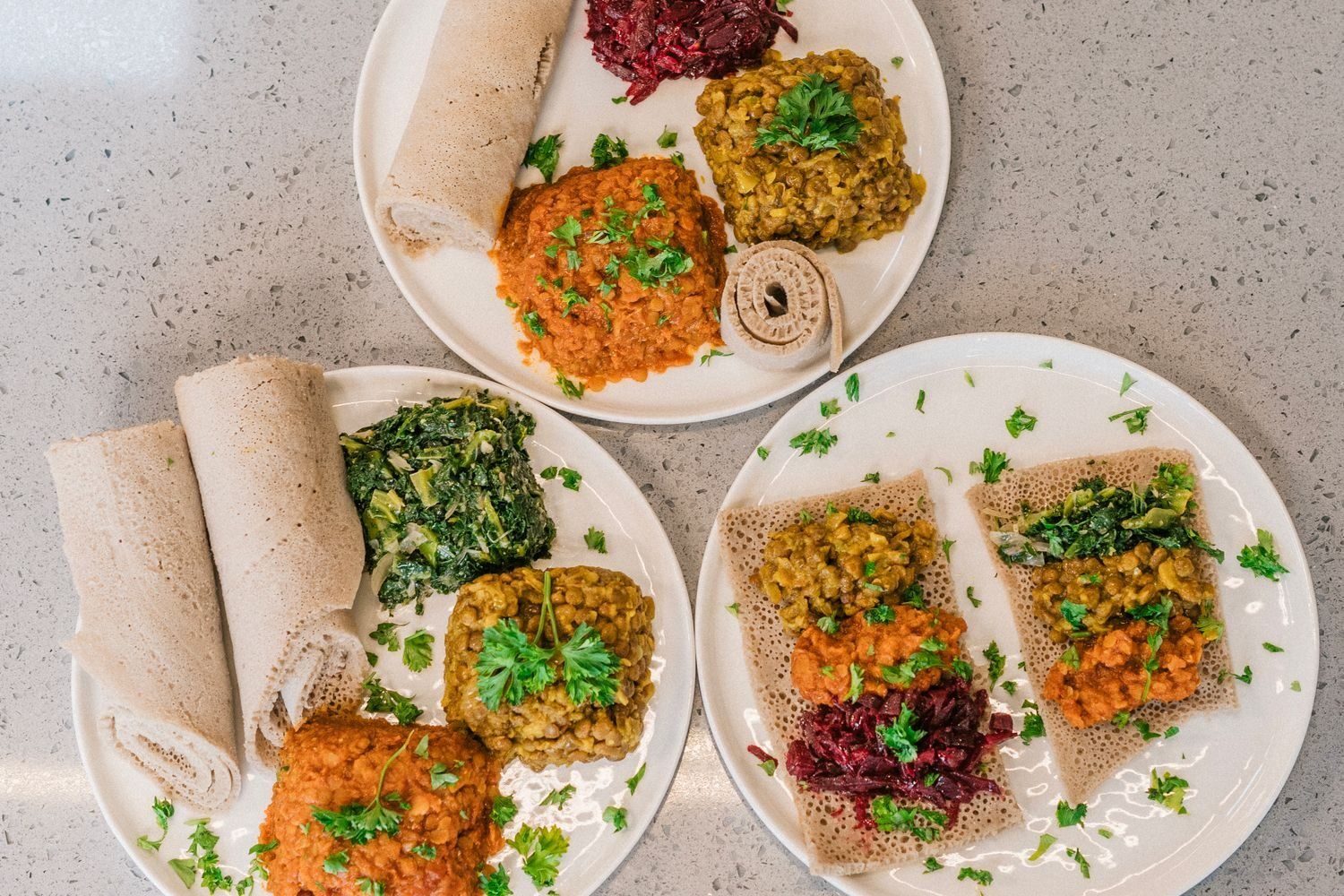
- Plant sources: lentils (dal), chickpeas, spinach, and jaggery
- Absorption boosters: pair iron-rich foods with vitamin C — lemon on dal, amla, or citrus fruit with a meal
- Absorption blockers to space out: tea and coffee bind iron, so leave a gap between meals and your chai
If you had heavy bleeding at delivery, felt dizzy standing up, or noticed hair shedding a few months postpartum, ask your doctor to check ferritin and hemoglobin rather than assuming it will resolve on its own. Supplementation dosing should be guided by a blood test, not guesswork.
What foods actually help you heal faster?
Healing — of the uterus, perineum, or a C-section incision — depends heavily on protein and micronutrient adequacy, much like the tissue-repair needs covered in broader women’s nutrition guidance. Protein rebuilds tissue and supports immune function; without enough of it, wound healing genuinely slows down. A reasonable target is having a protein source at every meal and snack, not just dinner.
Protein-forward, prep-friendly options
- Dal, rajma, or chana, cooked in batches and frozen in portions
- Paneer or eggs, which cook in under 10 minutes
- Greek yogurt or curd with fruit and seeds
- Chicken or fish, grilled or curried, in freezer-friendly batches
- Nut butter on whole-grain toast for a fast snack
Nutrients that support healing beyond protein
- Calcium: ACOG guidance places postpartum needs at roughly 1,000-1,300 mg daily, important for bone density especially while breastfeeding. Dairy, ragi, sesame seeds, and almonds all help.
- Fiber and fluids: constipation is common after delivery, especially with iron supplements. Whole grains, fruit, vegetables, and roughly 8-10 glasses of water daily keep things moving.
- Healthy fats: ghee in moderation, nuts, seeds, and fatty fish support hormone regulation and milk composition.
Choline and iodine also matter while breastfeeding — found in eggs, dairy, seafood, and iodized salt — since both support infant brain development. For more, see this piece on infant nutrition.
What does a realistic day of eating look like when you’re exhausted?
Perfection isn’t the goal in the first few months — repeatability is. A meal structure only works if it survives interrupted sleep, on-demand feeding, and days when cooking from scratch isn’t happening. Aim for a simple rhythm: protein + iron-rich food + fiber, three times a day, plus two easy snacks.
A sample day (adaptable, not prescriptive)
- Morning: Vegetable dalia with a spoon of ghee and nuts, plus a boiled egg
- Mid-morning: Milk or curd with soaked almonds
- Lunch: Dal, a green sabzi, roti or rice, and a salad with lemon
- Afternoon: Fruit with seeds, or a besan chilla
- Dinner: Grilled chicken or paneer, a millet or rice base, cooked vegetable
Prep-ahead strategies that actually reduce daily effort
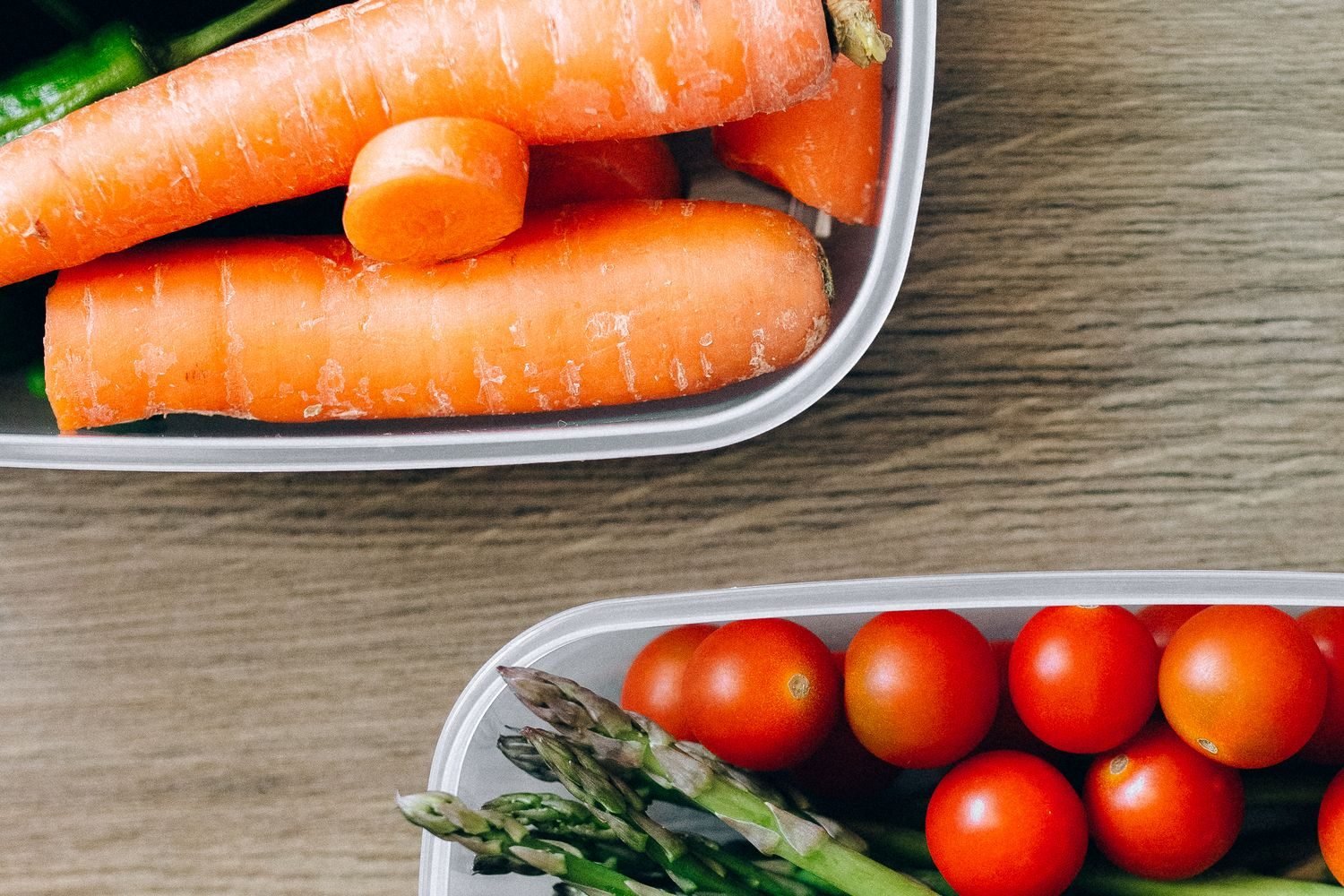
- Batch-cook dal and legumes once or twice a week and freeze in single-meal portions.
- Pre-chop vegetables for 2-3 days so cooking takes 15 minutes, not 40.
- Keep snacks visible — nuts, fruit, or boiled eggs on the counter get eaten; anything requiring prep during a feed doesn’t.
- Accept help with cooking — from family, a partner, or a meal train. Accepting a casserole is a legitimate recovery strategy.
- One-pot meals like khichdi cut cleanup and still deliver protein, fiber, and micronutrients in one dish.
Is the traditional Indian confinement diet actually helpful or overly restrictive?
It’s genuinely both — separating the two matters more than dismissing the whole tradition. The Indian postpartum “jaapa” or confinement period typically involves around 40 days of rest and family caregiving, with a diet built around ghee-laden ladoos, ajwain parathas, methi (fenugreek), gond (edible gum), and warm, digestible foods like broken wheat porridge. A study on multi-ethnic Asian postpartum diets found this pattern — rich in legumes and specific herbs — was associated with fewer postpartum depression symptoms, independent of ethnicity, though researchers note the evidence isn’t comprehensive enough to confirm every claimed benefit.
What tends to hold up reasonably well
- Rest and family support — genuinely valuable for recovery and mental health, and something Western postpartum care often lacks by comparison.
- Methi, ajwain, and warm, cooked foods — easy to digest, and methi has preliminary support for aiding lactation, though robust clinical evidence is still limited.
- Ghee and gond ladoos in moderation — a reasonable calorie and fat source when appetite is inconsistent, useful for higher breastfeeding needs.
- Broken wheat/dalia porridge — genuinely fiber-supportive and gentle on the gut.
What has little to no evidence base
- Avoiding all vegetables, fruits, or “cooling” foods — unnecessarily restricts fiber, vitamin C (needed for iron absorption), and antioxidants exactly when you need them most.
- Eliminating entire food groups “just in case” — cutting out dairy, vegetables, or protein sources can leave calorie and protein needs unmet.
- Excessive ghee with no upper limit — moderation still applies; unlimited saturated fat isn’t required for healing.
- Strict bans with no clear rationale — fine to follow if they bring comfort, but not worth anxiety if you can’t follow them exactly.
The practical takeaway: keep what supports rest, digestibility, and family care, and question any rule that stops you from eating enough protein, iron, calcium, or fiber for weeks at a time. If a family tradition conflicts with what your body needs, that’s worth a conversation with your doctor rather than a solo decision. For more on how needs evolve from pregnancy into this stage, see nutrition during pregnancy and this pregnancy nutrition guide.

How does your postpartum nutrition plan need to change over time?
The first two weeks focus on gentle, warm, easy-to-digest food and aggressive rest — not the time to start a fitness or weight-loss plan. Weeks 2-6 are about consistency: protein and iron reliably, staying hydrated, and letting appetite guide portions rather than restricting. Past six weeks, once your doctor clears you at the postpartum check-up, you can gradually reassess calorie needs, especially if breastfeeding has stabilized. Iron repletion isn’t a quick fix — ferritin stores can take three to six months to rebuild even with consistent supplementation, so don’t be discouraged if fatigue lingers.
Every postpartum body is different — delivery type, blood loss, feeding choices, and pre-existing deficiencies all change what “enough” looks like for you. This is genuinely one of those times where personalized guidance pays off, whether that’s your OB-GYN checking hemoglobin and ferritin or a nutritionist building a plan around your recovery. For broader guidance on eating well as a woman across life stages, see this resource on women’s nutrition.
Frequently asked questions
How soon after delivery should I start taking iron supplements?
If you had significant blood loss (over 500 mL vaginal or 1000 mL cesarean) or symptoms like dizziness and extreme fatigue, ask for a hemoglobin check within 24-48 hours of delivery. Supplementation, typically 80-100 mg elemental iron daily, should be guided by test results and prescribed by your doctor, not started blindly.
Can I eat a normal diet if I’m breastfeeding, or are there foods to avoid?
Most foods are fine in moderation while breastfeeding. There’s no universal list of forbidden foods, though some babies react to specific things a mother eats, like dairy or excess caffeine. Focus on adding protein, iron, and calcium rather than eliminating food groups, and mention any concerns to your pediatrician.
How many extra calories do I really need while breastfeeding?
Most breastfeeding mothers need roughly 330-500 additional calories per day above pre-pregnancy intake, depending on milk volume and activity level. This is a general range — actual needs vary, so let hunger and milk supply guide portions rather than counting rigidly.
Is it safe to diet or try to lose the baby weight in the first few weeks?
Most postpartum guidance recommends avoiding calorie restriction until breastfeeding is well established, often around 6-8 weeks, and even then favoring gradual change. Early aggressive dieting is linked to slower healing, lower milk supply, and worse fatigue — talk to your doctor before starting any weight-loss plan.
Do I need to follow the full 40-day confinement diet to recover well?
No. Elements like rest, family support, warm digestible foods, and adequate ghee can genuinely help, but strict rules that eliminate whole food groups for weeks aren’t evidence-based and can leave your protein, iron, and fiber needs unmet. Keep what helps, skip what restricts unnecessarily.
What are the warning signs that I might need medical attention for my nutrition or recovery?
Persistent dizziness, extreme fatigue that doesn’t improve with rest, rapid heartbeat, hair loss beyond the typical postpartum shed, or low mood lasting more than two weeks all warrant a call to your doctor. These can signal anemia, thyroid changes, or postpartum depression — all treatable, but needing proper evaluation.
Every recovery is different, and the numbers above are general guidance, not a prescription. Talk to your doctor or OB-GYN about your blood work, delivery history, and feeding plan before making major changes to your diet or supplements. If you’d like a plan built around your actual reports and routine, book an online nutritionist consultation to get started.