Nutritional immunity is a real, specific term in immunology: it describes the body’s strategy of withholding iron, zinc, and other trace metals from invading pathogens to slow their growth, a defense mechanism first described in the 1970s and still studied today in infection research. In everyday nutrition conversations, the phrase gets used more loosely to mean “eating well supports your immune system” — which is also true, but for a different reason. Adequate protein, zinc, vitamin C, vitamin D, and iron are required for immune cells to develop and function normally. What neither meaning supports is the marketing idea that any single food “boosts” or “supercharges” a healthy immune system beyond its normal baseline. There’s no good evidence for that. This article separates the real science from the supplement-aisle hype.
What does “nutritional immunity” actually mean in immunology?
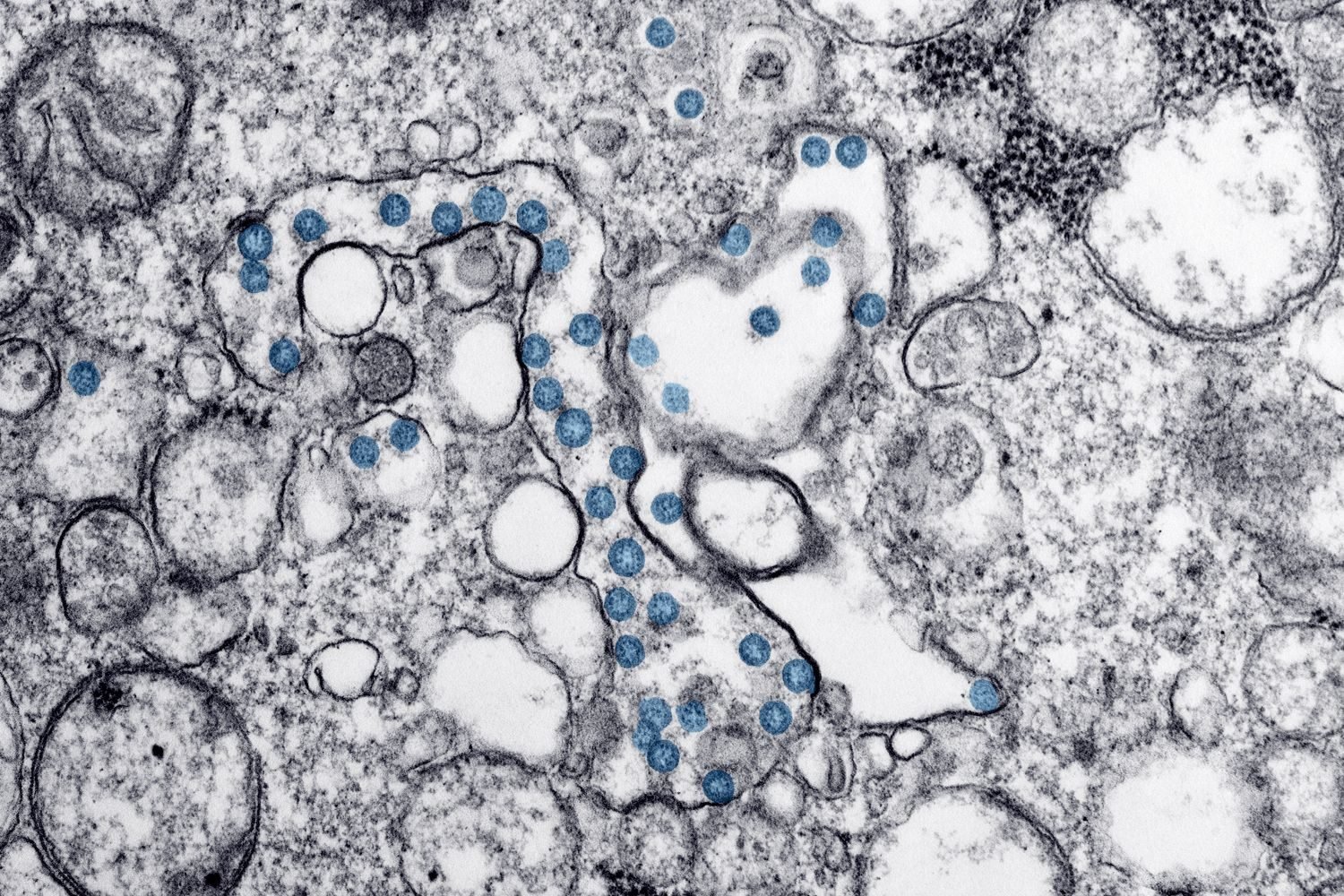
In its original scientific sense, nutritional immunity refers to a set of host defenses that sequester trace minerals — mainly iron, but also zinc and manganese — away from bacteria and fungi that need those metals to multiply. When you get an infection, your body doesn’t just send in immune cells; it also changes your blood chemistry. Proteins like transferrin, lactoferrin, and hepcidin bind up circulating iron, while a protein called calprotectin locks away zinc and manganese. Circulating levels of iron and zinc can drop rapidly during inflammation, and researchers believe this decline is a deliberate strategy to starve invading microbes of nutrients they need to replicate, not just a side effect of being sick (Nature Reviews Microbiology).
It’s worth being precise about what this does and doesn’t imply for your diet. Nutritional immunity is something your body does automatically during an active infection, using minerals already in circulation — it’s not a mechanism you can “activate” by eating more iron or zinc-rich foods on a given day. Some pathogens have even evolved counter-strategies to steal metals back from the host, so more isn’t automatically better. The more useful takeaway for everyday health is the second, more colloquial meaning of the phrase: whether your body has enough of the right nutrients on hand, day to day, to keep immune cells functioning normally.
Which nutrients actually have evidence for supporting immune function?
According to Harvard’s Nutrition Source, the nutrients most consistently identified as critical for immune cell growth and function are protein (including the amino acid glutamine), vitamin C, vitamin D, zinc, selenium, and iron (Harvard T.H. Chan School of Public Health). The NIH Office of Dietary Supplements similarly notes that adequate intake of vitamins A, C, D, E, selenium, and zinc supports normal immune function, and that clinical deficiencies in these nutrients weaken immune defenses and raise infection risk (NIH ODS).
Here’s the framing that matters: these nutrients support normal immune function. That’s different from claiming they enhance immunity above baseline in someone already well-nourished. If you’re meeting your needs, more zinc or vitamin C doesn’t make your immune system perform better than normal — the evidence supports correcting or preventing nutritional deficiency, not maximizing beyond it. That distinction is the difference between real immunology and a supplement label.
Protein
Antibodies are proteins, and so are many of the signaling molecules (cytokines) immune cells use to coordinate a response. Protein-energy malnutrition is one of the most common causes of impaired immunity worldwide, affecting antibody production and immune cell function. You don’t need unusual amounts — hitting your general daily requirement through a varied diet is what matters. See our guide to protein and nutrition for how much you actually need.
Zinc
Zinc is involved in the development and function of nearly every type of immune cell, and zinc deficiency measurably impairs immune response (NIH ODS). This is also the mineral at the heart of literal nutritional immunity — calprotectin sequesters zinc away from bacteria during infection. Good dietary sources include oysters, beef, poultry, beans, and fortified cereals. We cover food sources and daily targets in more depth in our zinc nutrition guide.
Vitamin C
Vitamin C supports functions across both the innate and adaptive immune systems and concentrates in white blood cells during infection. Classic scurvy — severe vitamin C deficiency — was historically linked to poor wound healing and higher infection susceptibility, one of the clearest demonstrations that this nutrient matters for immune defense. Citrus fruit, bell peppers, strawberries, and broccoli are reliable sources.
Vitamin D
Vitamin D receptors are present on immune cells, and vitamin D helps regulate both inflammatory responses and antimicrobial peptide production. Along with zinc and vitamin C, vitamin D is one of the micronutrients with the most robust evidence for immunomodulating activity (peer-reviewed review, PMC). Vitamin D deficiency is common, particularly in people with limited sun exposure, and is worth checking with bloodwork rather than assuming.
Iron
Iron is required for immune cell proliferation and for enzymes involved in pathogen-killing processes. It’s also the central player in classical nutritional immunity, since the body tightly regulates iron availability during infection. But iron is genuinely double-edged: both deficiency and excess can impair immune function, and excess iron can even feed certain pathogens. Unlike water-soluble vitamins, this isn’t one to supplement casually — testing beats guessing.

Can any specific food “boost” your immune system?
No — and it’s worth being direct about this because the phrase “immune-boosting” is everywhere on packaging and social media. According to Harvard Health, there’s no convincing evidence that any particular food or supplement meaningfully improves immune function above normal in people who are already healthy and adequately nourished (Harvard Health Blog). No single food — not garlic, not elderberry, not bone broth, not any “superfood” — has been shown to improve immune function on its own in controlled human research.
The word “superfood” isn’t a scientific classification; it’s a marketing term. That doesn’t mean foods often labeled this way are bad for you — blueberries, garlic, and leafy greens are genuinely nutritious. It means the specific claim that they measurably enhance immune performance beyond a normal, well-fed baseline isn’t backed by solid clinical evidence. What actually moves the needle is less exciting to sell: consistent intake of the nutrients above, adequate sleep, regular activity, not smoking, and moderating alcohol. The immune system is a complex, interconnected network — not a dial that goes up when you eat the right berry.
This also explains why “boosting” isn’t even a coherent goal. An overactive immune system causes its own problems — allergies, autoimmune flares, chronic inflammation. The realistic, evidence-based goal is giving your immune system what it needs to function normally, not amplifying it.
What happens to immune function when you’re deficient in these nutrients?
This is really where the evidence is strongest, and it’s the flip side of the “boosting” myth. Deficiency in protein, zinc, vitamin C, vitamin D, iron, or selenium has documented, measurable effects on immune function — reduced antibody responses, impaired white blood cell activity, slower wound healing, and higher susceptibility to infection (NIH ODS; Harvard Nutrition Source). This is well established in clinical nutrition literature, particularly in higher-risk groups: older adults, people on restrictive diets, those recovering from illness or surgery, and people with malabsorption conditions.
The practical implication: the biggest, most evidence-backed lever most people have isn’t finding a magic immune food — it’s making sure they aren’t running a deficiency in the first place. A varied diet with adequate protein, colorful produce, and reasonable sun exposure or supplementation for vitamin D covers most of this for most people. If you have risk factors for deficiency (restrictive eating, digestive conditions, pregnancy, older age, or limited food variety), it’s worth getting relevant bloodwork rather than guessing. Our guide on nutritional deficiency walks through common warning signs and who should consider testing.

How can you support normal immune function through diet, practically?
Rather than chasing individual “immune-boosting” ingredients, the evidence points toward a few unglamorous but well-supported habits:
- Eat a varied diet with adequate protein. Aim for protein at most meals from a mix of sources — this covers both amino acid needs and, often, zinc and iron alongside it.
- Prioritize colorful produce for vitamin C and antioxidants, rather than relying on a single “hero” food.
- Check your vitamin D status, especially if you get limited sun exposure, live at a higher latitude, or have darker skin, all of which reduce natural vitamin D synthesis.
- Don’t self-supplement iron without a blood test — deficiency and excess both carry risks, and iron needs vary widely by age, sex, and health status.
- Treat sleep, stress, and activity as part of the same system — nutrition is one input among several that affect immune function, not the only one.
If you want to understand how these nutrients interact with your broader metabolism — not just immunity, but energy production, hormone regulation, and recovery — our overview of advanced nutrition and human metabolism goes deeper into the mechanisms. And for a broader primer on vitamins generally, see our guide to vitamin nutrition.
Frequently Asked Questions
Is nutritional immunity a real scientific term or a marketing phrase?
It’s a real, established immunology term describing how the body withholds iron, zinc, and other trace metals from pathogens during infection. It’s sometimes used loosely in wellness marketing to mean “food that boosts immunity,” which is a different and less accurate claim not supported by clinical evidence.
Can eating more zinc or vitamin C boost my immune system beyond normal?
No good evidence supports that in people who already have adequate intake. These nutrients are necessary for normal immune function, and correcting a deficiency helps, but exceeding normal levels hasn’t been shown to enhance immune performance further in healthy, well-nourished individuals.
What are the clearest signs a nutrient deficiency might be affecting my immunity?
Frequent or slow-resolving infections, poor wound healing, persistent fatigue, or brittle hair and nails can all be associated with deficiencies in protein, zinc, iron, or vitamin D. These symptoms have many possible causes, so bloodwork is the reliable way to confirm a nutrient issue rather than guessing from symptoms alone.
Should I take a multivitamin to support immune function?
If your diet already meets your needs, a multivitamin is unlikely to add measurable immune benefit. It may help fill genuine gaps for people with restrictive diets, higher nutrient needs, or confirmed deficiencies — a conversation with a nutrition professional or your bloodwork results is a better guide than a blanket recommendation.
Does taking more vitamin C when I’m already sick help me recover faster?
Evidence on this is mixed and modest at best in the general population. Vitamin C plays a genuine role in immune cell function, but large doses after you’re already adequately nourished haven’t been shown to reliably shorten most common infections in well-nourished adults.
Is iron supplementation a good idea for immune support?
Not without testing first. Iron is essential for immune cell function, but both deficiency and excess iron can impair immunity, and unnecessary supplementation carries its own risks. This is a case where a blood test should guide the decision, not general immune-support advice.
Understanding your own nutrient status is more useful than chasing the next trending “immune-boosting” food. If you want a clear picture of where your diet actually stands — and what, if anything, needs adjusting — an online nutritionist consultation can help you build a plan based on your bloodwork and eating patterns rather than marketing claims.