The best nutritional foods for pregnant mothers in an Indian kitchen are usually already sitting in the pantry: ragi for calcium, methi and palak for iron, dahi and buttermilk for probiotics and protein, moringa leaves for iron and folate, and til (sesame) for calcium and healthy fat. You don’t need imported superfoods or a cupboard of supplements to meet most daily targets — you need to know which everyday ingredient covers which nutrient. This guide organizes common Indian foods by the pregnancy nutrient they cover, with practical ways to cook them, so your grocery list and your thali both work harder for you and your baby.
This is an educational guide, not a diet prescription. Needs shift by trimester and by your individual bloodwork, so confirm quantities and any supplement use with your OB-GYN or a registered dietitian. For a full breakdown of how needs change across the three trimesters, see our guide on nutrition for pregnant women.
| Nutrient | Daily Target (ICMR-NIN 2020) | Best Indian Food Sources |
|---|---|---|
| Iron | ~27 mg/day | Moringa leaves, methi, palak, chana and rajma, dates and jaggery |
| Calcium | ~1,000 mg/day | Ragi, til (sesame seeds), dahi/paneer/chaas, ragi-methi combinations, small dried fish |
| Folate | Critical in the first trimester | Chana dal, moong dal and sprouts, green leafy vegetables, citrus and tropical fruit, beetroot |
| Protein | +23 g/day above baseline | Dal-rice/dal-roti, paneer, dahi and chaas, soya chunks, sprouted moong and khichdi |
Which Indian foods actually cover your iron needs in pregnancy?
Iron demand rises sharply in pregnancy because blood volume expands by roughly 40-50% to support the placenta and growing baby. ICMR-NIN 2020 guidelines set iron requirements for pregnant women at around 27 mg a day, and most Indian diets fall short without deliberate effort — which is why doctors often prescribe iron-folic acid tablets alongside food. Food sources still matter, both to reduce the dose you need and to ease the constipation iron tablets commonly cause.
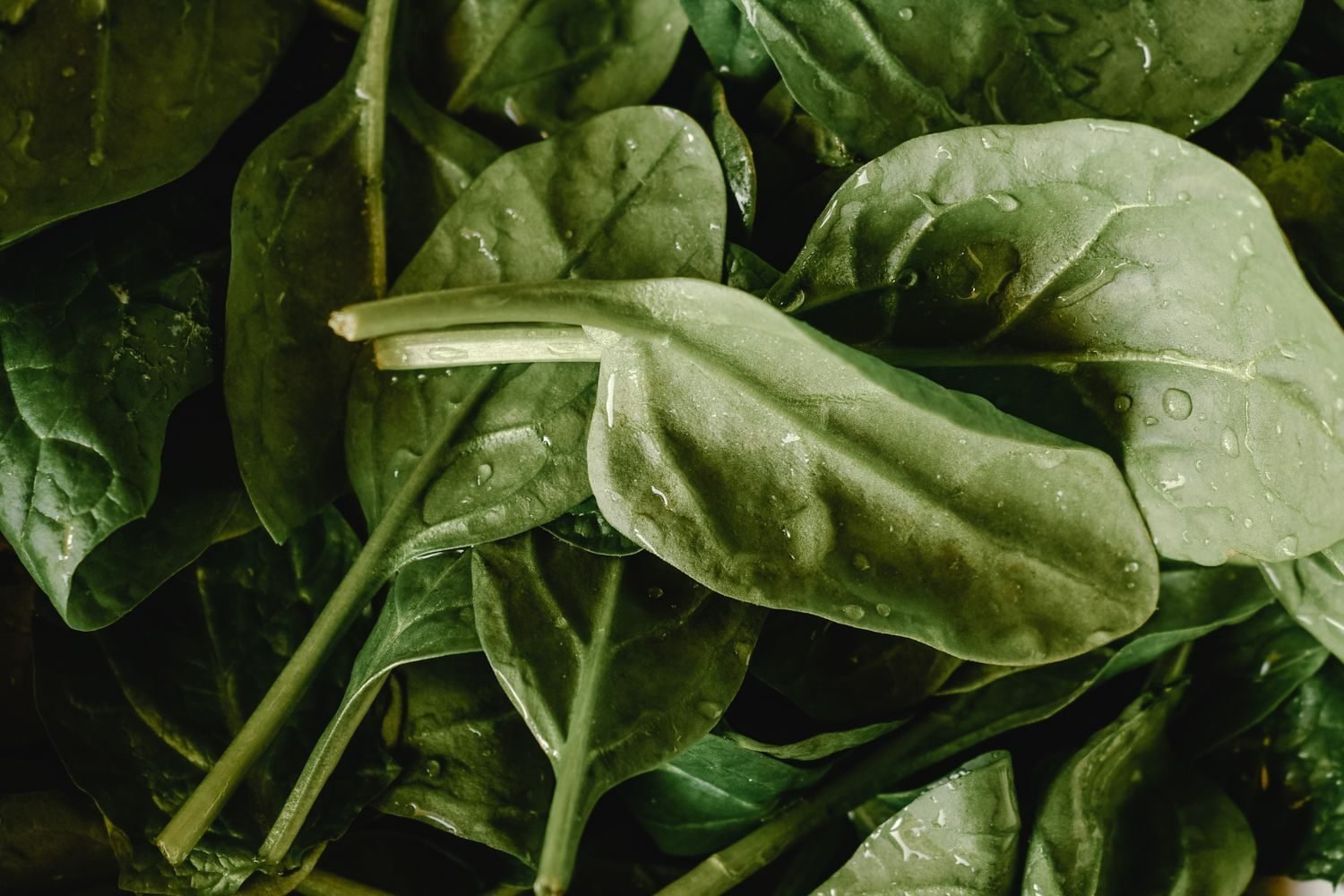
- Moringa leaves (drumstick leaves/sahjan): One of the richest plant iron sources in Indian cooking. Cook lightly rather than boiling long, to preserve more iron and vitamin C.
- Methi (fenugreek) leaves: Used in methi thepla or methi dal, methi adds iron and fiber. Bitterness mellows when cooked with onion and a pinch of jaggery.
- Palak (spinach): Palak dal or a simple sabzi are easy weekly additions. Spinach also carries oxalates that can block iron absorption, so pair it with vitamin C.
- Chana and rajma: Iron-rich legumes that double as protein and fiber — chana chaat or rajma-chawal is a full pregnancy meal, not just a side.
- Dates (khajur) and jaggery (gur): Traditionally given to pregnant women; a couple of dates after a meal is reasonable, though it shouldn’t replace vegetable and legume iron.
The absorption trick matters as much as the food list: pair iron-rich dishes with a vitamin C source — lemon on dal, amla (Indian gooseberry), or tomatoes in the sabzi — since vitamin C significantly improves non-heme (plant) iron absorption. Avoid tea or coffee within an hour of an iron-rich meal, since the tannins in chai bind to iron and reduce uptake.
What are the best Indian calcium sources for women who don’t drink much milk?
ICMR-NIN 2020 sets calcium needs for pregnant women at approximately 1,000 mg a day, rising further during lactation. Dairy is the obvious answer, but many Indian women are lactose-intolerant to some degree and don’t want a glass of milk twice a day. Fortunately, Indian kitchens have several calcium sources that don’t rely on drinking milk at all.
- Ragi (finger millet): One of the highest-calcium cereal grains in Indian cooking, and naturally gluten-free. Ragi kanji, dosa, or mudde a few times a week builds calcium without leaning entirely on dairy.
- Til (sesame seeds), especially black til: A couple of tablespoons, ground into chutney podi or added to laddoos, punches above its weight for calcium.
- Dahi, paneer, and chaas: The most efficient calcium sources for most people, with the bonus of probiotics and easily digestible protein.
- Ragi-methi combinations: Fresh fenugreek leaves have more calcium per 100 g than milk has per 100 ml, so a ragi-methi thepla covers calcium and iron in one dish.
- Small dried fish (non-vegetarian households): In coastal and eastern Indian diets, small fish eaten with bones is a traditional calcium source.
If you’re vegetarian or dairy-light, don’t assume you’ll fall short automatically — ragi, til, and dark leafy greens across a week add up meaningfully. Still, get a calcium and vitamin D check with your doctor, since vitamin D is what lets your body actually use the calcium you eat, and many Indian women run low despite ample sunlight. For the full nutrient-by-nutrient RDA table, see nutritional requirements during pregnancy.
Which Indian foods provide the folate needed early in pregnancy?
Folate (vitamin B9) is critical in the first trimester for neural tube development, which is why doctors recommend starting folic acid supplementation even before conception where possible. Food-based folate still plays a supporting role in regular meals rather than being the only source.
- Chana dal and other lentils: Chana dal is notably high in folate among common Indian dals; a bowl at lunch and dinner keeps intake steady.
- Moong dal and sprouts: Sprouted moong, as a salad or light sabzi, adds folate and easily digestible protein — useful when nausea makes heavier food unappealing.
- Green leafy vegetables: Palak, methi, and other saag varieties contribute folate alongside iron — a daily leafy green is one of the highest-value habits here.
- Citrus and tropical fruit: Oranges, mosambi, ripe papaya (in moderation), and bananas add folate along with vitamin C, which also helps iron absorption.
- Beetroot: Often overlooked; a beetroot sabzi or beetroot-carrot salad is a reasonable folate and iron contributor.
Cooking method matters for folate more than most nutrients, since it’s water-soluble and heat-sensitive — lightly steaming or quick-cooking greens rather than boiling them long preserves more of it. For more on how needs change by stage, see nutrition during pregnancy and nutritional needs.
How can pregnant women get enough protein from a vegetarian Indian diet?
Protein needs increase by roughly an additional 23 g a day above baseline during pregnancy, according to ICMR-NIN 2020, largely to support fetal tissue growth and the expanding placenta. For vegetarian households, this is achievable through combinations of dals, dairy, and grains rather than any single “protein food.”
- Dal-rice or dal-roti: Pairing a lentil with rice or wheat creates a fuller amino acid profile than either eaten alone — a principle Indian home cooking has followed for generations without naming it.
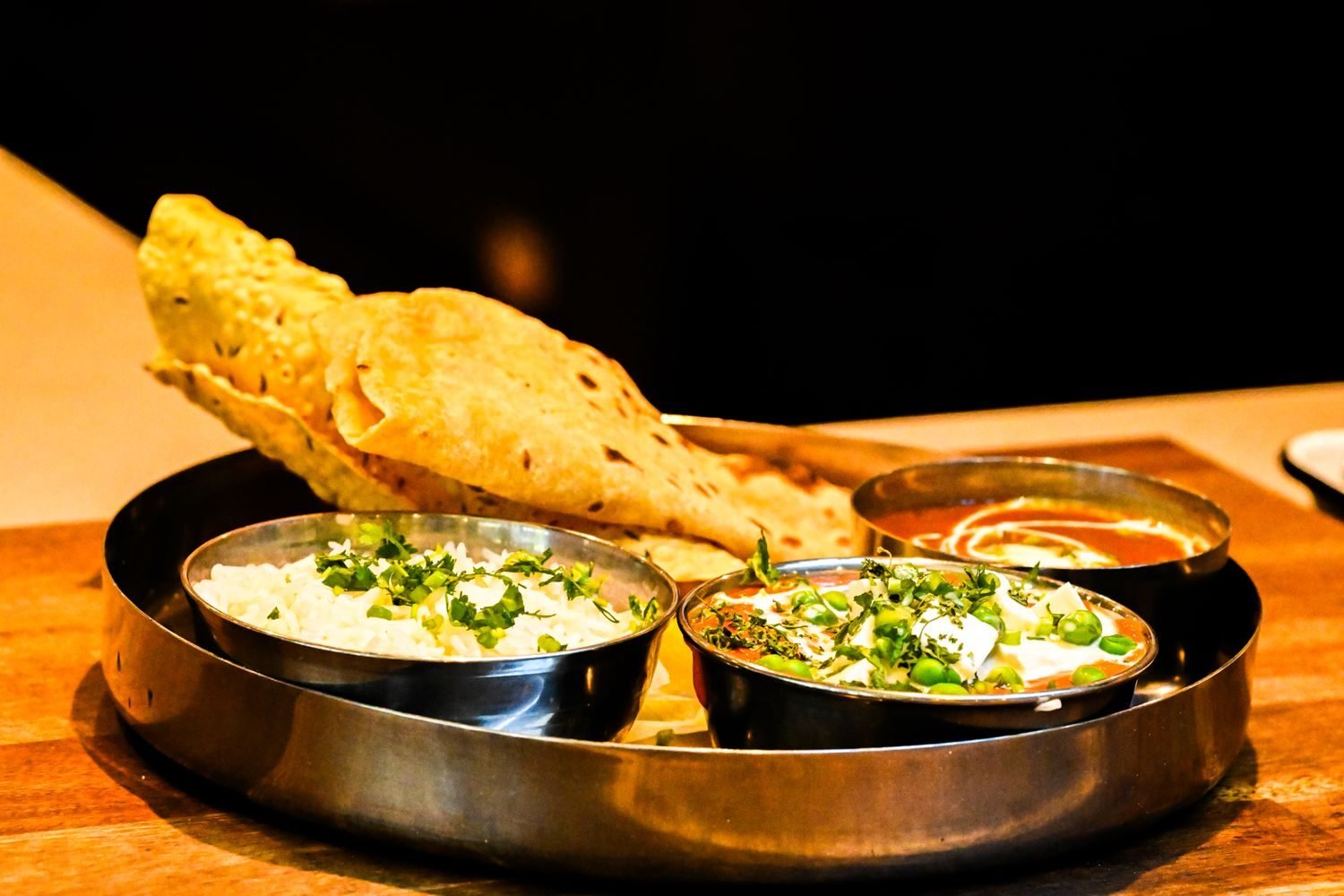
- Paneer: A reliable, familiar source — palak paneer, paneer bhurji, or paneer cubes in a vegetable curry raise protein without changing your usual cooking style.
- Dahi and chaas: Beyond calcium, curd and buttermilk are steady protein contributors, usually easier to digest than heavier dairy.
- Soya chunks: An affordable, high-protein addition to sabzis and pulao that many households already use.
- Sprouted moong and mixed dal khichdi: Easy to digest, especially in the first trimester when appetite is unpredictable, and still protein-dense.
Non-vegetarian households have more flexibility with eggs, fish, and chicken — but the vegetarian combinations above are genuinely sufficient when eaten consistently across the day. For conflicting advice you may be hearing from family or social media, our article on pregnancy nutrition myths and facts addresses the most common misconceptions.
What Indian foods support digestion, and what should be limited?
Constipation and bloating are common pregnancy complaints, driven by hormonal changes, iron supplementation, and reduced gut motility. A few traditional foods help directly: dahi and chaas bring probiotics that ease the sluggishness iron tablets often cause; whole fruit like apples, pears, and guavas add fiber that refined-flour-heavy diets lack; and swapping some maida items for atta, ragi, or jowar rotis adds fiber without a major recipe change. Hydration matters as much as fiber — fiber without enough water can worsen constipation rather than relieve it.
On the other side, limit: raw or undercooked eggs, meat, and street-style chaats with raw ingredients (foodborne illness risk); unpasteurized dairy and paneer from unverified vendors; excess chai and coffee (caffeine, plus tannins that block iron absorption); high-mercury predatory fish; and raw or unripe papaya, traditionally avoided in early pregnancy. Every pregnancy carries a different risk profile, especially with conditions like gestational diabetes, so defer to your OB-GYN’s guidance. If you’re planning ahead of conception, our fertility nutrition guide covers food choices for the months before pregnancy.
How do you build a simple daily Indian meal plan around these foods?
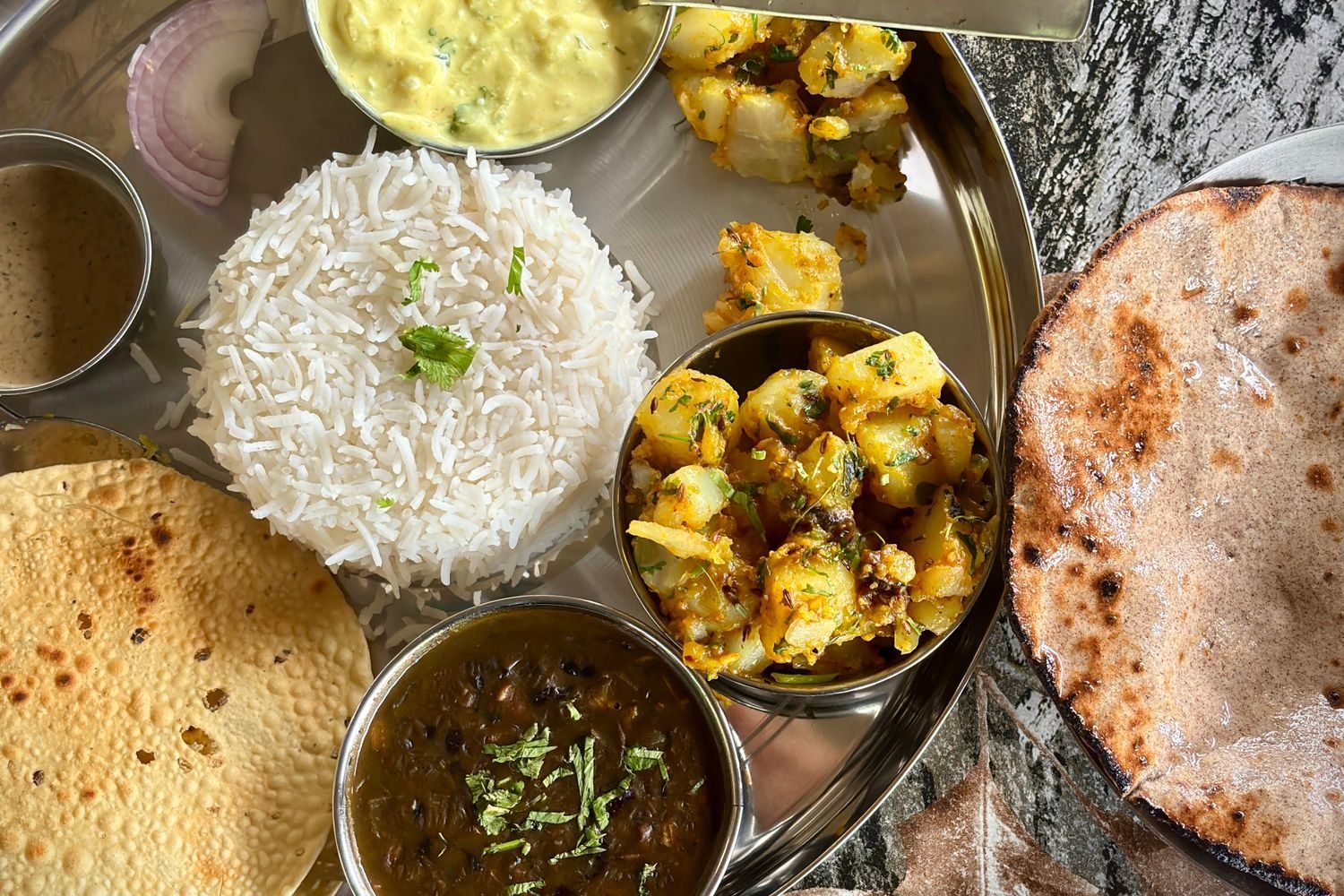
You don’t need to track every gram — a rough daily rhythm touching most categories above is enough. A realistic day: ragi or moong dosa for breakfast, buttermilk mid-morning, dal-rice or dal-roti with a leafy green sabzi for lunch, nuts or fruit with lemon in the afternoon, and a lighter dinner of khichdi or roti with paneer, finished with a small bowl of curd. Rotating dal and sabzi choices across the week — chana one day, moong the next, rajma another — covers a wider spread of iron, folate, and protein than repeating the same two dishes.
If nausea makes this hard to follow in the first trimester, don’t force it — smaller, frequent meals built around whatever you can tolerate, often khichdi or curd rice, work until appetite normalizes. If you’re unsure whether your intake meets your targets, especially with a condition like anemia or gestational diabetes, a qualified nutritionist can translate this general guidance into a plan specific to your bloodwork. See our nutritional requirements during pregnancy guide for the RDA figures behind these choices, or nutritional needs across life stages for the whole family.
Frequently Asked Questions
Is ragi safe to eat every day during pregnancy?
Yes, ragi is generally considered safe and beneficial in moderate daily amounts, such as one bowl of porridge or one or two rotis. It’s a good calcium and fiber source. As with any single food, pair it with other grains rather than eating only ragi.
Can I rely on Indian food alone without iron or folic acid supplements?
Most doctors still prescribe iron-folic acid supplements because meeting the full 27 mg iron target from food alone is difficult. Food sources reduce reliance on higher supplement doses and improve absorption, but shouldn’t replace supplementation without your OB-GYN’s guidance.
Is paneer safe during pregnancy?
Yes, if made from pasteurized milk and sourced from a hygienic, reliable supplier. Paneer is a good protein and calcium source. Avoid paneer from unverified street vendors where pasteurization and storage conditions are unclear.
Does methi (fenugreek) affect blood sugar or induce labor?
Fenugreek can have a mild blood-sugar-lowering effect and, in very large medicinal quantities, has traditionally been linked to uterine stimulation. Normal culinary amounts, like methi sabzi, are generally considered safe — confirm with your doctor if you have gestational diabetes or a history of preterm labor.
What’s a quick iron-rich breakfast for a pregnant woman who’s often nauseous?
A small bowl of ragi porridge with a few soaked dates, or moong dal chilla with a wedge of lemon, are gentle on the stomach while still contributing iron and folate. Keep portions small and eat slowly if morning nausea is an issue.
Every pregnancy has different needs based on health history, trimester, and lab results, so treat this as a starting framework rather than a fixed prescription. For guidance tailored to your bloodwork and food preferences, consider booking an online nutritionist consultation to build a plan that fits your kitchen and your body.