No single food prevents or cures cancer, and no diet guarantees you’ll never hear that diagnosis. But major health bodies — the World Health Organization (WHO), the American Cancer Society (ACS), and the National Cancer Institute (NCI) — agree that dietary patterns influence cancer risk at the population level, and that specific nutrition strategies can meaningfully support people through cancer treatment. This article covers both, clearly separated: what the evidence says about nutrition and cancer risk reduction for the general population, and what nutrition for cancer patients actually involves during and after treatment. Neither section replaces medical advice — treat it as a starting point for questions worth bringing to your doctor or dietitian.
What does the evidence actually say about diet and cancer risk?
Diet is one of several modifiable factors — alongside tobacco use, alcohol, physical activity, and body weight — that influence long-term cancer risk. The WHO’s International Agency for Research on Cancer (IARC), the ACS, and the NCI base their guidance on large observational studies, not any single trial, so these are population-level associations describing patterns across large groups over many years — not guarantees for any one individual. The sections below summarize the specific relationships identified, with the numbers behind them, starting with the most researched: meat.
What did the WHO say about processed meat and red meat?
In 2015, IARC classified processed meat (bacon, sausages, hot dogs, deli meats) as a Group 1 carcinogen — sufficient evidence it causes colorectal cancer. Red meat (beef, pork, lamb) was classified Group 2A, “probably carcinogenic,” based on limited evidence linking it to colorectal, pancreatic, and prostate cancers. IARC estimated each 50-gram daily portion of processed meat — roughly two slices of bacon — is associated with an 18% increase in colorectal cancer risk.
A Group 1 classification rates the strength of evidence that something causes cancer, not how potent a risk it is. Processed meat shares its evidence-certainty category with tobacco, but not the magnitude of risk — smoking carries roughly a 20-fold increase in lung cancer risk, far beyond the 18% figure above. The ACS reflects this nuance, recommending people limit rather than eliminate red and processed meat, while prioritizing fiber and produce, a strategy covered in our guide to fiber and nutrition.
How much do fruits, vegetables, and fiber actually matter for cancer risk?
The ACS Guideline for Diet and Physical Activity for Cancer Prevention recommends a pattern built around vegetables (including fiber-rich legumes), whole fruits, and whole grains — specifically 2½ to 3 cups of vegetables and 1½ to 2 cups of fruit daily. Higher fruit and vegetable intake is associated with lower rates of lung, oral, esophageal, stomach, and colon cancers.
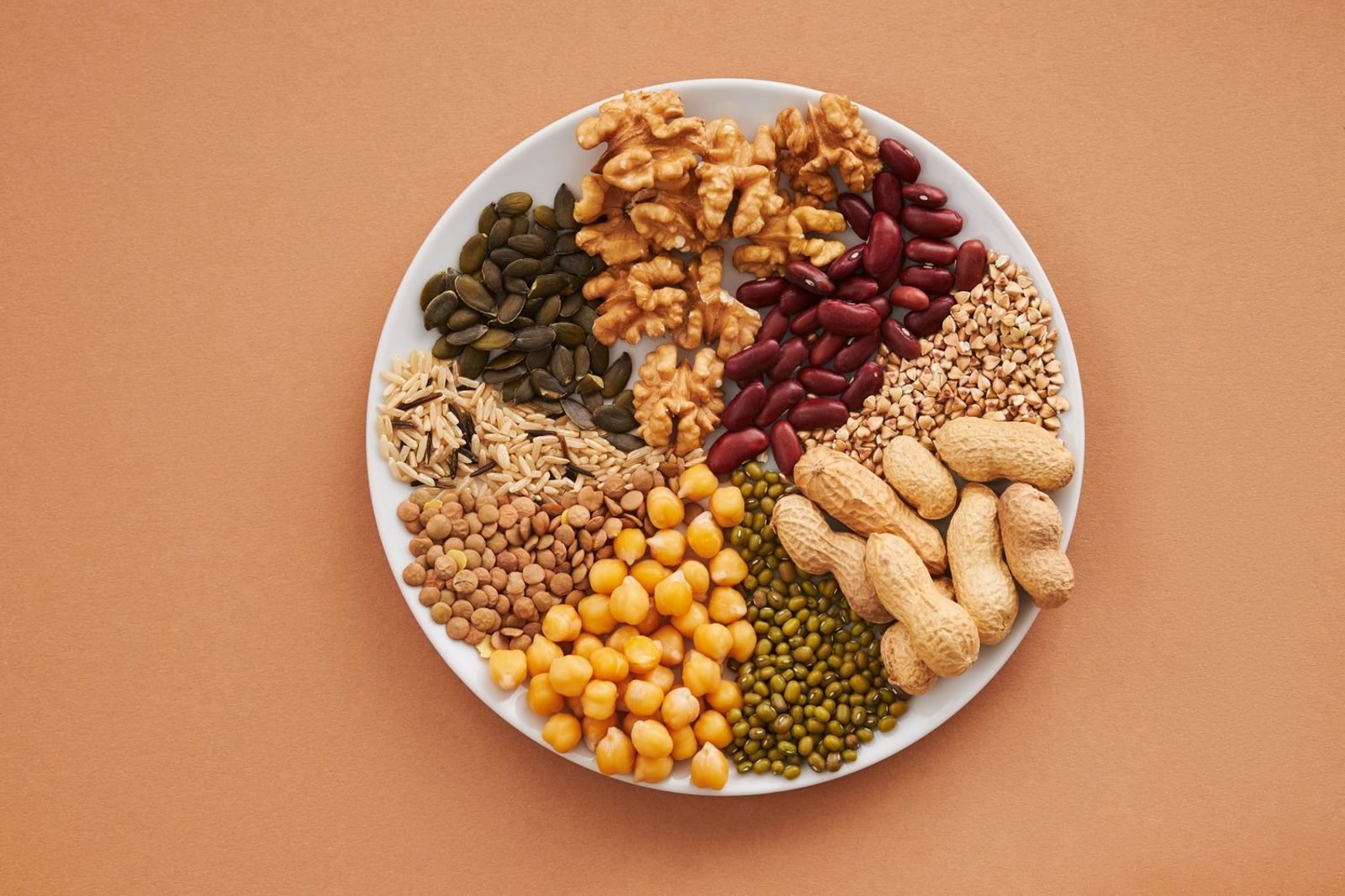
Fiber appears to play a distinct protective role for colorectal cancer specifically, likely by promoting regular bowel movements, feeding beneficial gut bacteria, and diluting potential carcinogens in the digestive tract. Good sources include whole grains, beans, lentils, and whole fruit rather than juice. Our fiber and nutrition guide covers how to raise intake gradually, since jumping too quickly can cause bloating.
Does alcohol really increase cancer risk, and by how much?
Yes — this is one of the more consistent and underappreciated findings in cancer research. The ACS classifies alcohol as a known human carcinogen, linked to at least six cancer types. ACS research estimates alcohol accounts for about 6% of all U.S. cancers and 4% of cancer deaths.
- Mouth
- Throat
- Esophagus
- Liver
- Breast
- Colorectum
The ACS guideline states plainly that it’s best not to drink alcohol at all. For those who do, the recommendation is no more than one drink daily for women and two for men — the lower threshold reflecting body size and metabolism differences. Risk rises with the amount consumed, and there’s no firmly established “safe” threshold. Alcohol also contributes to weight gain, and heavy intake is a major driver of liver disease, covered further in our liver and nutrition article.
Why does body weight matter so much in cancer prevention guidance?
Excess body weight is linked to increased risk of at least 13 cancer types, per ACS and NCI research, including cancers of the breast (postmenopausal), colon, kidney, pancreas, and endometrium. The mechanisms are still being studied but likely involve chronic low-grade inflammation and altered hormone levels, including insulin and estrogen, tied to excess fat tissue.
The ACS guideline’s core recommendation isn’t a number on a scale — it’s maintaining a healthy weight throughout adulthood and avoiding the gradual gain that accumulates over decades, through the same combination already discussed: vegetables, fruits, whole grains, limited red/processed meat and alcohol, and regular activity. Weight management ties closely to how the body processes carbohydrates and insulin, explored further in our diabetes and nutrition resource.
What should cancer patients know about nutrition during treatment?
This is where the conversation shifts entirely. If risk-reduction nutrition is about long-term patterns across a healthy population, nutrition during cancer treatment is about something more immediate: helping the body tolerate treatment, maintain strength, and recover. The NCI is explicit that eating well during treatment doesn’t mean following the same “more plants, less meat” guidance given for prevention — treatment often calls for higher protein and calorie intake, sometimes including foods otherwise limited, because the priority becomes preventing malnutrition and unintended weight loss.
This section is educational and general — nutritional needs vary enormously by cancer type, treatment protocol, and individual health status. Every recommendation here should be discussed with the treating oncology team and, ideally, a registered oncology dietitian who can tailor guidance to a specific diagnosis.
How can appetite loss during treatment be managed?
Appetite loss is one of the most common challenges during treatment, and NCI guidance centers on working with a smaller appetite rather than fighting it:
- Eat small, frequent meals and snacks throughout the day rather than three large ones.
- Prioritize high-protein, high-calorie foods first when appetite is strongest — eggs, yogurt, beans, chicken, fish, cheese.
- Boost the calorie and protein density of familiar foods by adding protein powder, butter, olive oil, or nut butter to meals, raising nutritional value without needing to eat more.
- Keep easy snacks on hand — nuts, granola bars, cheese, dried fruit — to lower the effort barrier on hard days.
If appetite loss persists or causes noticeable weight loss, report it to the care team promptly; it can often be addressed with medication or a dietitian referral.
What helps with nausea during cancer treatment?
Nausea has its own coping strategies, separate from appetite management. The NCI recommends avoiding liquids with meals, since this can increase fullness and worsen nausea, and choosing cool, plain, low-odor foods over hot, fatty, or strongly scented dishes. Bland options — dry toast, crackers, plain rice, cold foods — are often better tolerated than rich or spicy meals.
Food preferences can shift hour to hour during treatment — what sounds appealing in the morning might be unbearable by evening, and that’s expected, not a sign something’s being done wrong. If dietary adjustments alone aren’t enough, the NCI advises asking the care team about anti-nausea medications, typically used alongside these food strategies, not instead of them.
How can someone maintain strength and protein intake during treatment?
Maintaining muscle mass during treatment is a recognized priority in supportive oncology care, since unintended muscle loss can affect treatment tolerance and recovery. Adequate protein is central, and needs are often higher during treatment than for the general population — a specific target should come from the oncology team or dietitian, since it depends on treatment type and body weight. Our protein and nutrition guide explains how needs shift across health conditions and life stages.
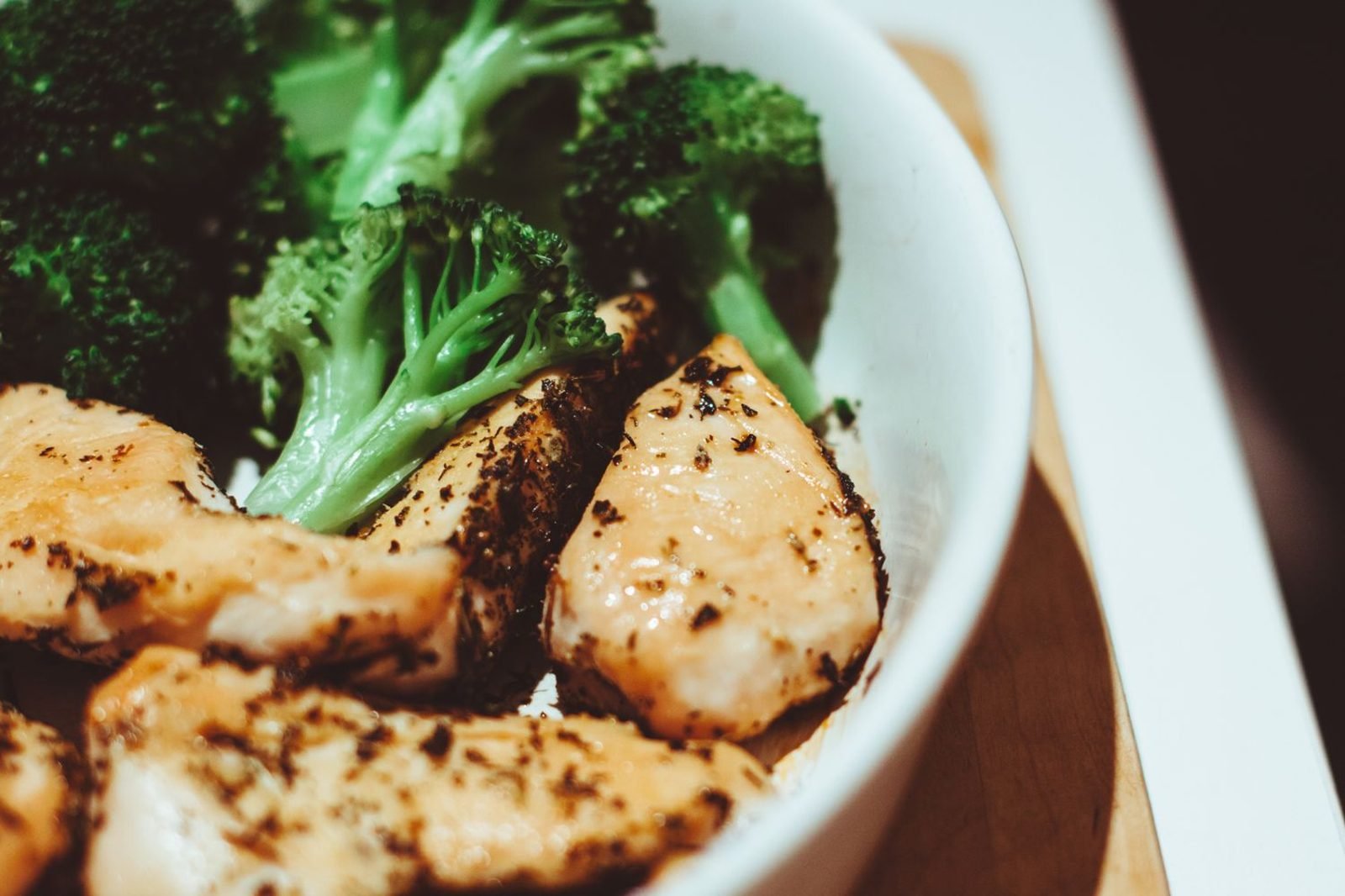
Practical approaches include spreading protein across meals rather than one sitting, choosing easy-to-digest sources (eggs, dairy, soft-cooked fish, nut butters, protein shakes) on harder days, and flagging any difficulty meeting protein needs early. Fatigue during treatment can also overlap with deficiencies such as iron-deficiency anemia, covered in our piece on nutritional anemia — worth mentioning if fatigue feels disproportionate.
What about nutrition after treatment ends?
For cancer survivors, the ACS has published separate guidelines that shift back toward many risk-reduction principles — vegetables, fruits, whole grains, lean protein, limited alcohol and processed meat, and reaching or maintaining a healthy weight. ACS-referenced research suggests healthier lifestyle patterns, including diet and activity, are associated with improved survival outcomes among people who’ve had certain obesity-related cancers.
The transition from active-treatment eating — higher calorie and protein focus, sometimes more lenient on food choices — back to a prevention-oriented pattern isn’t always immediate. Appetite, digestion, and taste can take time to normalize. Working with an oncology dietitian, even briefly, helps someone move at the right pace rather than following a generic timeline.
Frequently asked questions
Can any specific food or supplement cure or prevent cancer?
No. No food, supplement, or diet has been shown to cure, treat, or guarantee prevention of cancer. Nutrition is one modifiable factor among many — alongside genetics, environment, and screening — that influences risk and can support the body during treatment, but it doesn’t replace medical care.
Is it true that sugar “feeds” cancer cells?
This is an oversimplification. All cells, including healthy ones, use glucose for energy — there’s no evidence cutting out sugar starves a tumor or that sugar directly causes cancer. The real concern is that excess sugar can contribute to weight gain, and excess weight is linked to higher cancer risk — an indirect connection.
Should someone start a strict diet immediately after a cancer diagnosis?
Not without guidance. Sudden, restrictive diets during diagnosis or treatment can worsen nutritional status at a time when the body needs adequate calories and protein most. Any significant dietary change should be discussed with the oncology team or a clinical dietitian first.
Why do red meat and processed meat get treated differently in the research?
IARC classified processed meat as Group 1 (sufficient evidence) and red meat as Group 2A (probable, limited evidence) based on the strength and consistency of available studies, not necessarily a difference in risk size. Both are associated with colorectal cancer, with processed meat’s evidence base more consistent across studies.
Does losing weight during cancer treatment always need to be prevented?
Unintended weight loss during treatment is generally something the care team wants to know about, since it can signal inadequate calorie or protein intake and affect treatment tolerance. This differs from intentional, medically supervised weight management — any noticeable change should be reported to the oncology team.
Where does personalized guidance fit in?
The research summarized here reflects general population evidence and general supportive-care principles — useful for understanding the landscape, but not a substitute for individualized care. If you’re navigating cancer treatment or recovery, your oncologist and clinical dietitian remain the primary source for guidance specific to your diagnosis, and nothing here should override their recommendations.
For those building sustainable, evidence-informed eating habits — whether around general cancer-risk-reduction principles or broader nutritional wellbeing alongside clinical care — an online nutritionist consultation can help translate general guidance into a personal plan. For anyone currently in cancer treatment, this is meant to complement, not replace, the care from your oncology team and clinical dietitian.