Reducing body fat percentage requires a moderate calorie deficit combined with adequate protein and consistent strength training — the strength training component matters more here than for general weight loss, since body fat percentage is a ratio of fat to total body weight, meaning preserving or building muscle while losing fat improves this ratio more effectively than weight loss through diet alone.
I’m Yash Pathak, founder and lead trainer at FitStrot. Body fat percentage is a more precise goal than general weight loss, and understanding why muscle preservation matters specifically for this metric changes how you should approach the plan.
Why Body Fat Percentage Differs From Just “Losing Weight”
Body fat percentage represents the proportion of your total body weight that’s fat versus everything else (muscle, bone, water, organs). Losing weight without attention to muscle preservation can actually produce a similar or even higher body fat percentage if a meaningful portion of the weight lost was muscle rather than fat — this is why two people who lose the same amount of weight can have very different resulting body fat percentages, depending on how much of that loss was fat versus muscle.
The Core Strategy: Protect Muscle While Losing Fat
Moderate, not aggressive, calorie deficit. 300-500 calories below maintenance supports fat loss while minimizing the muscle loss risk that comes with more severe restriction.
High protein intake. 1.6-2g per kg body weight, toward the higher end of typical recommendations, specifically to preserve muscle mass during the deficit — this is more important for body fat percentage specifically than for general weight loss.
Consistent strength training. 3-4 sessions weekly, using progressive resistance, actively signals your body to preserve (and potentially build) muscle even while in a calorie deficit — the single most impactful training variable for improving body fat percentage specifically.
Adequate recovery. Poor recovery and inadequate sleep can increase cortisol and impair muscle preservation efforts, working against body fat percentage improvement even with otherwise good diet and training.
How Body Fat Percentage Is Measured
Skinfold calipers. A trained professional measures skin fold thickness at several body sites, estimating body fat percentage through established formulas — reasonably accurate when performed consistently by the same trained person.
Bioelectrical impedance (smart scales, handheld devices). Sends a small electrical current through the body to estimate fat versus lean mass — convenient and useful for tracking trends over time, though absolute accuracy varies and hydration status affects results.
DEXA scans. Considered a highly accurate method, using low-dose X-ray to distinguish fat, muscle, and bone — typically available at specialized clinics rather than standard gyms, and involves a cost.
Visual estimation and photos. Less precise numerically, but tracking visual changes alongside other measurements provides a useful practical indicator of progress, even without precise percentage tracking.
Realistic Body Fat Percentage Targets
General fitness ranges vary by source, but commonly cited healthy ranges are roughly 21-33% for women and 8-24% for men, with “athletic” or more visibly lean ranges typically below these averages. What’s appropriate and healthy varies by individual, age, and goals — extremely low body fat percentages carry their own health risks and aren’t automatically a better outcome than a moderate, healthy range.
Timeline for Meaningful Body Fat Percentage Change
Because this requires both fat loss and muscle preservation or building (a somewhat slower process than fat loss alone), meaningful body fat percentage improvement typically takes longer to show than weight loss on the scale — often 8-12 weeks for a noticeable, measurable change with consistent diet and strength training adherence.
Common Mistakes When Targeting Body Fat Percentage Specifically
Pursuing an aggressive calorie deficit without adequate protein or strength training, which can produce weight loss without meaningfully improving (and sometimes worsening) body fat percentage due to muscle loss. Relying on cardio alone, missing the muscle-preservation benefit strength training provides specifically for this goal. And inconsistent measurement methods, making it hard to track genuine trends — using the same method and conditions consistently matters more than which specific method you choose. Our gym workout for weight loss and high protein diet for weight loss guides cover the core components this goal relies on.
Why a Personalized Plan Matters for This Specific Goal
Reducing body fat percentage effectively requires calibrating calorie deficit size, protein intake, and training volume specifically to preserve muscle while losing fat — get any of these wrong, and you risk losing muscle alongside fat, undermining the specific goal. An online weight loss trainer can build and adjust this calibrated approach based on your actual body fat percentage tracking over time.
Realistic Expectations by Starting Point
Someone starting at a higher body fat percentage typically sees faster initial percentage-point drops than someone closer to an already lean starting point, where each additional percentage point becomes progressively harder to shed — this is a normal, expected pattern, not a sign your specific plan is failing as progress naturally slows the leaner you get. Very low body fat percentages (particularly for women, where essential fat needs are higher than for men) carry genuine health risks below certain thresholds, meaning the goal shouldn’t always be “as low as possible” but rather a level that’s both visually satisfying and healthfully sustainable for your body.
How Age and Gender Change the Body Fat Percentage Equation
The same body fat percentage strategy doesn’t play out identically across a 24-year-old man and a 45-year-old woman, and I think this gets glossed over in most generic advice. Women naturally carry more essential fat than men — typically 10-13% versus 2-5% for men — because of hormonal requirements tied to reproductive health. This means a healthy, athletic body fat percentage range for women (usually 21-24%) will always sit higher than the equivalent range for men (usually 14-17%). If you’re comparing your numbers to a male friend’s or a fitness influencer’s, you’re comparing against the wrong baseline entirely.
Point: age changes the math further. After 35, and more sharply after 40, most people experience a gradual decline in muscle mass if they aren’t strength training, which lowers resting metabolic rate and makes fat percentage creep up even when body weight stays flat. I see this constantly with clients in their late 30s and 40s who tell me their diet hasn’t changed in a decade but their body fat percentage has climbed 4-5 points anyway. For women specifically, perimenopause and menopause bring a hormonal shift that tends to redistribute fat toward the abdomen — a physiological change, not a discipline failure. Strength training becomes non-negotiable at this stage, not optional, because it’s the most direct lever against age-related muscle loss.
The Role of Sleep and Stress in Body Fat Percentage Plateaus
When a client’s body fat percentage stalls despite a clean diet and consistent training, sleep and stress are usually the first two things I investigate, and they’re often the answer. Poor sleep — consistently under six hours — raises cortisol and disrupts the hormones that regulate hunger, ghrelin and leptin. The practical effect is that you feel hungrier the next day, cravings skew toward high-calorie comfort food, and your body becomes slightly less efficient at burning fat for fuel even in a calorie deficit.
Chronically elevated cortisol from ongoing stress — a demanding job, family pressure, financial stress, all common realities for the working professionals I coach — has a similar effect. It encourages the body to hold onto fat, particularly around the midsection, even when your calorie numbers look correct on paper. I’ve had clients hit a wall at 25-26% body fat for months, and the breakthrough came not from cutting calories further but from fixing a broken sleep schedule and adding basic stress management like a 10-minute walk after dinner or going to bed thirty minutes earlier.
This is why I always ask about sleep and stress before I ever ask about tweaking macros further when body fat percentage stalls. Pushing the diet harder when the real bottleneck is a 5 a.m. phone-scrolling habit or a stressful commute just adds more strain to a system that’s already struggling to recover, and it usually backfires with binge eating or burnout within a few weeks.
Why Two People at the Same Body Fat Percentage Can Look Completely Different
I regularly get this question from clients who’ve been comparing notes with a friend or gym buddy: “We’re both at 24% body fat, why does she look so much more toned than me?” It’s a fair confusion, and the honest answer is that body fat percentage is a single number describing total fat mass relative to body weight, but it says nothing about where that fat sits or how much muscle sits underneath it. Two women at an identical 24% can have completely different results because one carries fat more around the hips and thighs (a gynoid pattern common in many Indian women) while the other carries it centrally around the abdomen, which tends to look softer even at the same overall percentage.
Muscle mass changes the picture just as much as fat distribution does. Someone who has spent two years doing structured strength training will have denser, more defined muscle sitting under that 24% fat layer, giving visible shape to the arms, shoulders, and legs. Someone at the same percentage with little strength training history, sometimes called “skinny-fat” in casual gym language, has less underlying muscle to create that definition, so the same fat percentage reads as softer and less athletic even though the number on paper is identical. This is precisely why I never let clients chase a percentage in isolation without also building strength.
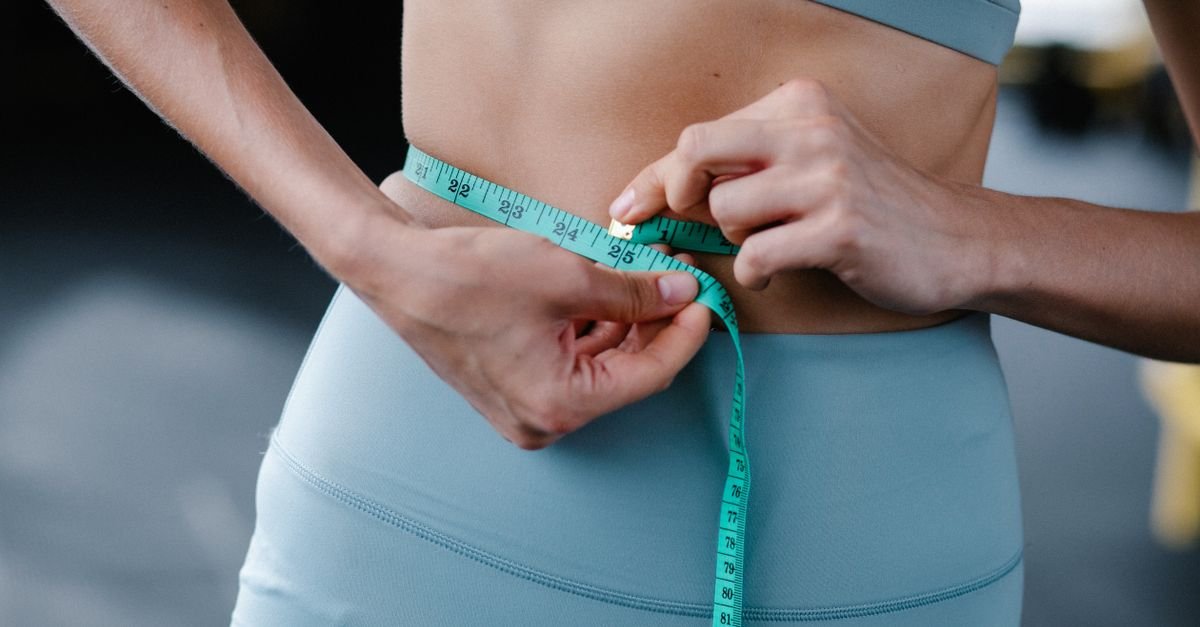
There’s also a well-documented pattern specific to South Asian bodies worth knowing: research on Indian populations has repeatedly shown a tendency toward higher visceral and abdominal fat storage even at body fat percentages and BMIs that would be considered lean by Western reference charts. This is sometimes referred to as the “thin-fat Indian” phenomenon, where someone can look slim in clothes but carry a proportionally higher share of fat around the organs and midsection. It’s one reason I push clients toward waist circumference and strength benchmarks alongside body fat percentage rather than relying on the percentage or BMI alone, especially for anyone with a family history of diabetes or heart disease.
What this means practically is simple: stop comparing your body fat number to anyone else’s photo or physique. Frame size, years of training history, genetics, and fat distribution pattern all change how the same percentage displays on different bodies. Track your own number against your own starting point, pair it with strength progress and how your clothes fit, and let that combination tell you whether you’re moving in the right direction, rather than measuring yourself against someone else’s version of the same statistic.
Frequently Asked Questions
How is reducing body fat percentage different from just losing weight?
Body fat percentage is a ratio of fat to total body weight — losing weight without preserving muscle can result in a similar or even higher body fat percentage, while a muscle-preserving approach (adequate protein, strength training) improves the ratio more effectively.
What’s the best way to measure body fat percentage?
DEXA scans are the most accurate but require specialized access; skinfold calipers (performed consistently by a trained professional) and bioelectrical impedance devices are more accessible options for tracking trends over time.
How long does it take to meaningfully reduce body fat percentage?
Typically 8-12 weeks of consistent diet and strength training for a measurable, meaningful change, since this requires both fat loss and muscle preservation, which is a somewhat slower combined process than fat loss alone.
Can beginners effectively reduce body fat percentage?
Yes, and beginners often see relatively good initial results, since they’re building strength training habits (supporting muscle preservation) for the first time alongside establishing a calorie deficit.
Ready for a Plan Calibrated to Reduce Body Fat Percentage Specifically?
A FitStrot online weight loss trainer builds a diet and strength training plan specifically calibrated to preserve muscle while reducing fat, tracking your actual body fat percentage progress over time.