Inch loss and weight loss can happen independently of each other — you can lose inches (particularly around the waist) while the scale barely moves, especially if you’re building muscle through strength training while losing fat, since muscle is denser than fat and takes up less space for the same weight. Tracking both, rather than relying on the scale alone, gives a more complete and often more encouraging picture of actual progress.
I’m Yash Pathak, founder and lead trainer at FitStrot. This distinction genuinely confuses and sometimes discourages people who are making real progress but only checking the scale, so understanding why these two metrics can diverge matters for staying motivated through a plan that’s actually working.
Why Muscle Density Explains the Difference
Muscle tissue is denser than fat tissue, meaning a kilogram of muscle takes up meaningfully less physical space than a kilogram of fat. If you’re losing fat while simultaneously building muscle through strength training, your body composition is genuinely improving — you’re becoming leaner and more toned — but the scale may show minimal change, since you’re losing fat weight while gaining muscle weight in a way that partially offsets on the scale, even as your measurements (particularly waist, hips, and other areas) shrink.
When Inch Loss Happens Without Significant Weight Loss
This pattern is particularly common for people who are strength training consistently while in a moderate calorie deficit — a scenario often called “body recomposition.” It’s also common for people early in a fitness journey who haven’t trained before, since initial neuromuscular adaptations and modest early muscle gain can happen relatively quickly, even while fat loss is also occurring.
When Weight Loss Happens Without Much Inch Change
This can happen with more aggressive dieting that isn’t paired with strength training, where some of the weight lost comes from muscle rather than exclusively fat — the scale moves, but without the muscle-preserving effect of strength training, the resulting body shape change may be less pronounced than the same amount of weight loss would produce with strength training included.
Why Measurements Often Tell a More Complete Story
Waist, hip, and other circumference measurements directly reflect changes in body composition and shape, which is often what people actually care about more than the abstract number on a scale. Someone who has lost 3 inches off their waist while the scale has moved only modestly has made genuine, meaningful progress that the scale alone doesn’t adequately capture.
How to Track Both Effectively
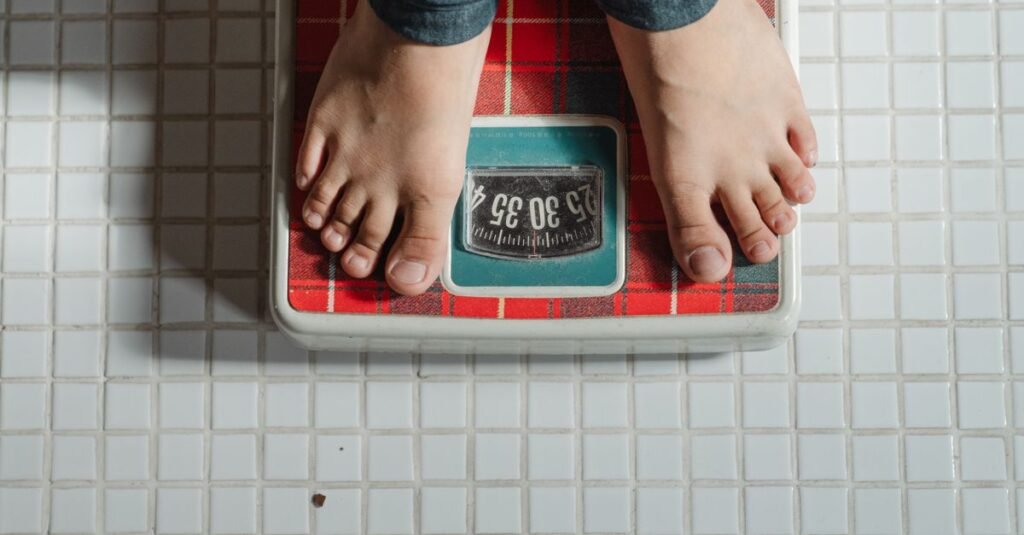
Weekly or bi-weekly weigh-ins, under consistent conditions (same time of day, similar clothing), to track the general trend rather than daily fluctuations.
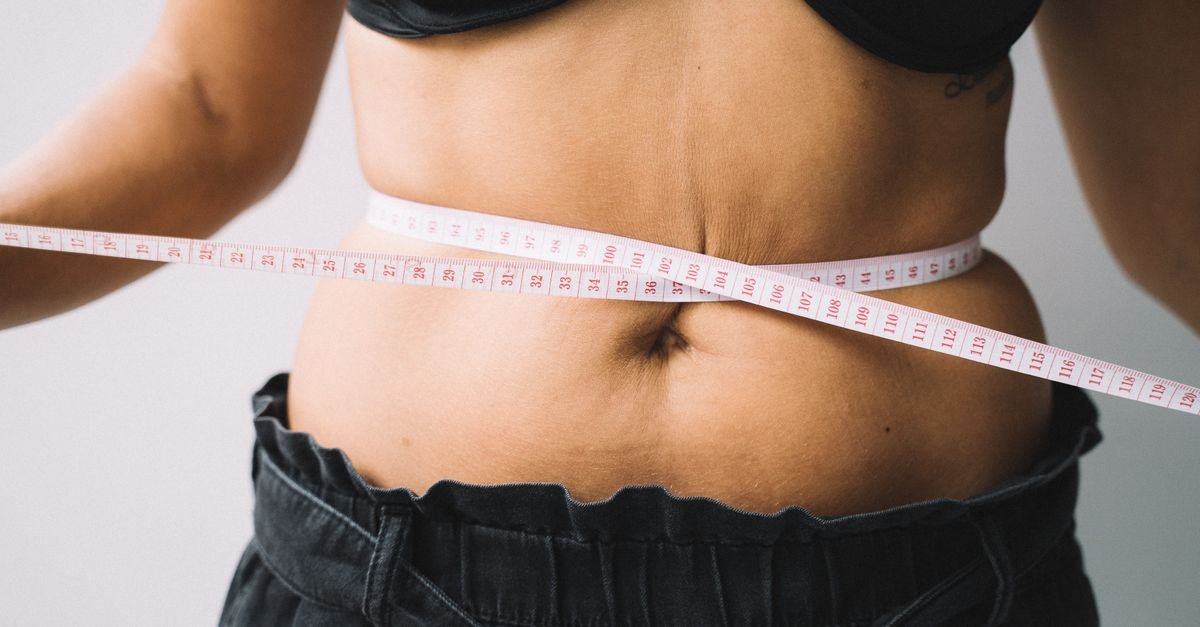
Monthly measurements of waist, hips, chest, arms, and thighs, using a consistent measuring technique, to capture body composition changes the scale might miss.
Progress photos, taken under consistent lighting and pose every 4 weeks, providing a visual record that often shows change before either the scale or measurements dramatically shift.
How clothes fit, a genuinely useful, low-effort indicator that often reflects real progress even when other metrics feel stagnant.
Why This Matters for Staying Motivated
Relying exclusively on the scale can be genuinely discouraging during a period of body recomposition, even when real, visible progress is happening — understanding that inch loss and weight loss can diverge helps prevent unnecessary frustration or premature abandonment of a plan that’s actually working well. This is particularly relevant for anyone incorporating strength training into their weight-loss plan, which is generally recommended for better long-term body composition outcomes.
Building a Tracking System That Reflects Real Progress
Combining weight, measurements, and photos gives a far more complete and accurate picture of progress than any single metric alone — particularly important if your plan includes strength training, where the scale specifically becomes a less reliable standalone indicator. Our gym workout for weight loss and how much weight can i lose in a month guides cover related aspects of building and interpreting a training and tracking plan.
Why Guided Support Helps Interpret Your Own Progress
Understanding whether your specific pattern of scale versus measurement changes reflects genuine progress or a plan that needs adjusting requires some individual interpretation — an online weight loss trainer can help you understand what your specific tracking data is actually telling you and adjust your plan accordingly, rather than reacting to the scale number alone.
Why Tracking Both Numbers Gives a Fuller Picture
Someone building muscle while losing fat might see the scale barely move while their inches (particularly around the waist) decrease meaningfully — this is genuine progress that scale weight alone completely misses. Conversely, someone who loses weight rapidly through an aggressive diet without strength training might see the scale drop while inch measurements don’t improve proportionally, because a meaningful part of that loss was muscle rather than fat. Taking both measurements every 2-4 weeks, rather than relying on either alone, gives a much more complete and honest picture of what’s actually happening to your body composition.
Why Fat Loss Follows a Pattern Across Your Body
One question I get almost every week from clients tracking their measurements is why their waist refuses to budge while their face and arms have visibly slimmed down. This isn’t random. Fat loss tends to follow a genetically determined order, and for most people, the areas where fat was deposited most recently often shed first, while long-established fat stores, especially around the abdomen, are typically the last to go.
Point: this is also why two people on an identical plan can show completely different inch-loss patterns in the same eight weeks. A man carrying most of his weight as visceral fat around the belly (the classic “apple” pattern common in Indian men, partly genetic and partly from years of a rice-and-roti-heavy, low-protein diet) will often see waist inches drop first, sometimes dramatically, because visceral fat is more metabolically active and responds faster to a calorie deficit than the stubborn subcutaneous fat on the hips and thighs that many Indian women carry, which tends to be the last to shift.
I’ve had clients get discouraged in month one because their “problem area” hasn’t changed while their collarbones are suddenly visible. I tell them the same thing every time: this isn’t your body failing to respond, it’s your body responding in its own order. The problem area is usually where change shows up last, not never. Keep the deficit consistent and keep training, and that inch loss reaches the stubborn zones too — it just isn’t first in line.
Common Measuring Mistakes That Skew Your Numbers
Half the frustration I see with inch-loss tracking has nothing to do with the body and everything to do with how the tape measure is being used. The most common mistake is inconsistency in tension — pulling the tape snug one week and loose the next can easily create a false half-inch swing in either direction. I ask clients to measure so the tape sits flush against the skin without indenting it, and to use the same tape measure every time, since cheap tapes stretch unevenly.
Point: timing matters just as much as technique. Measuring your waist first thing in the morning before breakfast will give a different number than measuring it after a heavy dinner of rice, dal, and a couple of parathas the night before, simply because of food volume and water retention. I recommend measuring at the same time of day, ideally morning, on an empty stomach, roughly every two weeks rather than daily — daily fluctuations from sodium intake, your menstrual cycle, or even sleep can move the number by half an inch without any real change in body composition.
Posture is the third quiet culprit. Slouching or sucking in during a waist measurement, even unconsciously, throws off the reading. Stand naturally, breathe out normally, and measure at the same landmark each time — usually the narrowest point of the waist or level with the navel. Small as these details sound, I’ve seen clients “lose” and “gain” the same inch repeatedly simply because their measuring routine wasn’t standardized, and that inconsistency does more damage to motivation than any actual plateau.
The Photo Method: A Third Way to Track Progress When Numbers Lie
I’ve lost count of how many clients call me around week three, frustrated, saying “Yash, the scale hasn’t moved, my measurements are exactly the same as last week, what’s going on.” Nine times out of ten, when I ask them to send me a photo standing in the same spot in the same clothes, the change is obvious even though the numbers refused to show it. This happens because both the scale and the measuring tape are single-point-in-time readings, easily thrown off by water retention, a heavy meal the night before, or where you are in your menstrual cycle. A photo captures something neither tool can: the overall shape and definition of your body, which often shifts before the numbers catch up to it.
The method is simple, but the discipline matters more than people expect. Pick one time of day, ideally first thing in the morning, after using the washroom and before eating or drinking anything. Wear the same fitted clothing every time, not a loose kurta or oversized t-shirt that hides everything underneath. Stand against a plain wall if you can, and take three shots: front, side, and back. Do this once a week, same day, similar lighting if possible, since natural daylight near a window shows muscle and waist definition far more honestly than yellow tube light. Weekly is the right interval; daily photo-checking only invites frustration over normal bloating and lighting differences that mean nothing.
I had a client, a 34-year-old marketing professional from Pune, whose weight and waist measurement barely moved for nearly a month during a strength-building phase of her plan. She was ready to quit. When we lined up her week-one and week-four photos side by side, her waistline had visibly narrowed and her shoulders looked noticeably more defined, even though her tape showed just half an inch of change and her weight had actually gone up by roughly 300 grams from the muscle she was building. Without that photo comparison, she would have walked away from a plan that was clearly working underneath the surface.
When you review your own photos, don’t scroll past looking for a dramatic transformation; look for small, specific reference points instead. Is there a visible gap between your waistband and your stomach that wasn’t there before? Is your jawline or collarbone slightly sharper? Has the fullness at your lower back or under your arms changed shape? Always compare month to month, never day to day. Photos won’t replace the scale or the tape, but stacked alongside them, they give you the most honest read on whether your body is actually reshaping itself, which is usually the real reason you started this in the first place.
Frequently Asked Questions
Why am I losing inches but not much weight?
This typically happens when you’re building muscle through strength training while losing fat — muscle is denser than fat, so your body composition improves and measurements shrink even though the scale shows less dramatic change.
Which matters more, inch loss or weight loss?
Neither is definitively “more important” — they measure different things. Inch loss reflects body composition and shape changes, while weight loss reflects overall mass change. Tracking both gives the most complete picture.
How often should I measure inches versus checking weight?
Weekly or bi-weekly for weight, monthly for measurements — measurements change more slowly and don’t need frequent tracking to be meaningful, while weight benefits from more frequent tracking to see the overall trend despite daily fluctuations.
Can beginners expect to see inch loss before weight loss?
It’s possible, particularly for those new to strength training, since initial muscle gain can offset some of the scale change from fat loss in the early weeks, even as measurements begin to shrink.
Ready for a Plan That Tracks What Actually Matters?
A FitStrot online weight loss trainer helps you track and interpret both weight and measurements accurately, so you can see the real progress your plan is producing.