Weight loss apps are most useful for tracking calories, activity, and progress consistently, which supports awareness and accountability, but they can’t personalize a plan the way a human coach can — most apps apply generic calorie and macro formulas rather than accounting for your specific health conditions, food preferences, or how your body responds over time.
I’m Yash Pathak, founder and lead trainer at FitStrot. Apps are a genuinely useful tool in a weight loss journey, and understanding what they do well versus where they fall short helps you use them more effectively.
What Weight Loss Apps Do Well
Calorie and macro tracking. Logging food intake builds awareness of portion sizes and nutritional content that many people underestimate without tracking — this awareness alone often improves eating patterns even before any other change.
Activity tracking. Step counts, workout logging, and integration with wearables give a clear picture of overall activity levels, helping identify gaps (like a mostly sedentary day) that might otherwise go unnoticed.
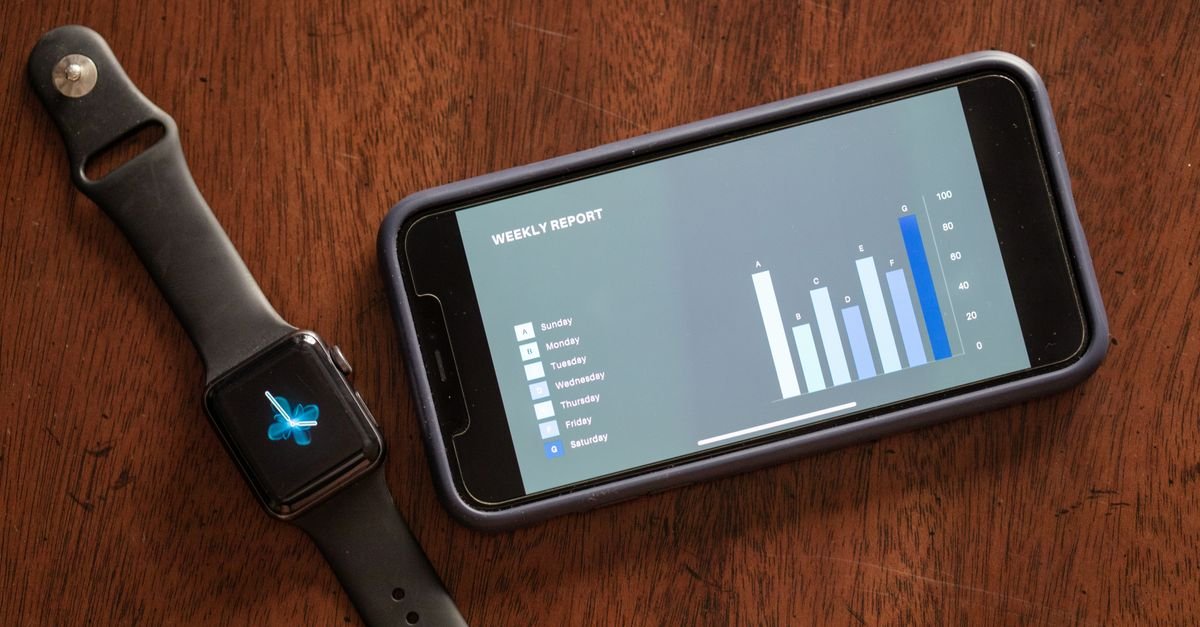
Progress visualization. Charts and trends over time can be motivating and help you spot patterns — plateaus, cyclical fluctuations, or steady progress — that are harder to notice day to day.
Reminders and consistency support. Notifications for logging meals, drinking water, or moving can help build habits, particularly in the early weeks of a new routine.
Where Apps Fall Short
Generic calorie calculations. Most apps use standard formulas based on age, weight, height, and activity level, which don’t account for individual metabolic variation, health conditions like thyroid issues or PCOS, or how your body actually responds over time.
No real-time adjustment based on results. If your weight loss plateaus, most apps don’t intelligently recalibrate your plan — they continue suggesting the same targets regardless of whether they’re working.
Limited food database accuracy for regional cuisine. Many popular apps have less accurate or incomplete entries for Indian dishes, particularly home-cooked, regional meals, making tracking less precise than it appears.
No accountability beyond self-motivation. Apps rely entirely on you logging consistently and following the plan — there’s no check-in, no one reviewing your actual progress and adjusting course, which is where many people’s consistency breaks down.
Types of Weight Loss Apps
Calorie counting apps (MyFitnessPal-style): Focus on logging food and tracking calorie/macro totals against a target.
Workout apps: Provide exercise routines and tracking, often with video demonstrations, ranging from beginner to advanced programs.
Habit and step tracking apps: Focus on activity levels and simple daily habits rather than detailed food logging.
Coaching-integrated apps: Combine tracking tools with access to a human coach or nutritionist, closing some of the personalization gap that pure tracking apps have.
Getting the Most Out of a Tracking App
Use it primarily for building awareness in the first few weeks — most people significantly underestimate portion sizes and hidden calories (cooking oil, sugar in tea, snacking) until they track consistently. Don’t rely on the app’s generic calorie target as gospel; treat it as a starting point to adjust based on your actual results over 2-3 weeks. And be realistic about food database limitations for home-cooked Indian meals — estimating based on similar logged items is often necessary and reasonably accurate with practice.
Why Apps Work Best Combined With Human Guidance
The tracking and awareness apps provide is genuinely valuable, but the personalization, accountability, and plan adjustment that drive long-term results usually require more than an app alone provides. This is the gap coaching fills — using tracking tools as part of a broader plan that’s calibrated to you specifically and adjusted based on how you actually respond, rather than a generic algorithm. Our online weight loss coach guide covers what this combined approach looks like in practice.
Getting More From a Weight Loss App
Apps work best as a tracking and awareness tool, not a replacement for an actual calorie or macro target calculated for your specific body — logging food accurately without first knowing your real target often leads to under- or overestimating how much you should actually be eating. Photo-logging features and barcode scanners reduce the friction of manual entry, which meaningfully improves how consistently people actually use these apps over weeks and months compared to fully manual logging, where accuracy and consistency tend to drop off quickly.
Cross-checking an app’s calorie estimate against a professionally calculated target every few weeks, rather than trusting the app’s generic recommendation indefinitely, keeps the numbers relevant as your weight and activity level change.
Why Indian Foods Are Often Logged Inaccurately (and How to Fix It)
Most popular weight loss apps were built with Western food databases as the foundation, which means Indian staples are either missing, poorly categorised, or represented by a single generic entry that doesn’t reflect how the dish is actually cooked at home. A search for “dal” might return a restaurant-style entry loaded with cream and butter when your home-cooked version uses a teaspoon of ghee for tadka, and the calorie gap between those two entries can be significant when you’re logging three meals a day around it.
Mixed dishes are where this becomes a real problem. Something like biryani, chole bhature, or a mixed vegetable curry combines grains, protein, fat, and vegetables in proportions that vary from kitchen to kitchen, and apps rarely have an entry that matches your specific version. The most reliable fix is to log dishes by their individual components rather than searching for the combined dish name, rice separately, dal separately, a teaspoon of ghee or oil counted on its own, since oils and cooking fats added during preparation are the single most under-logged calorie source in Indian home cooking.
I also recommend building a personal library of your ten or fifteen most frequently eaten meals with corrected calorie values, verified once carefully with a kitchen scale, rather than re-searching and guessing every single time. Most apps let you save custom recipes or favourite meals, and setting this up properly in the first week saves a lot of inaccurate logging over the following months.
Common Logging Mistakes That Quietly Sabotage Your Data
Even with an accurate food database, the way people log day to day introduces its own errors. Portion estimation is the biggest one. Eyeballing a bowl of rice or a serving of curry without ever having weighed it tends to consistently underestimate real portion sizes, sometimes by 30 percent or more, especially with calorie-dense foods like rice, ghee, and fried snacks. Using a kitchen scale for just the first two weeks to calibrate your eye for portion sizes is one of the highest-value habits you can build into a tracking routine.
A second common mistake is inconsistent logging, tracking meticulously on weekdays and abandoning the app entirely on weekends, at weddings, or during travel, which are often exactly the occasions where intake is highest and tracking matters most. The data ends up painting an incomplete picture that looks better than reality, which can be confusing when the scale doesn’t match what the app suggests should be happening.
The third mistake is forgetting to log drinks, condiments, and small additions, chutneys, a spoon of sugar in chai two or three times a day, cooking oil used for tempering, or the handful of namkeen eaten while watching TV. These small, frequent additions rarely feel worth logging individually but often add up to several hundred calories a day, which is more than enough to explain a stalled result even when the main meals are being tracked reasonably well.
When Tracking Turns Into Anxiety — Recognizing App Fatigue Before It Backfires
I’ve coached enough people through weight loss apps to have seen the same pattern repeat itself: someone starts logging religiously, feels great about the control it gives them for the first two or three weeks, and then somewhere around week four the relationship with the app quietly turns from helpful to stressful. It starts small — skipping a family dinner invitation because you don’t want to deal with logging an untracked meal, or feeling a genuine spike of guilt when the calorie ring turns red, even on a day where you objectively ate reasonably. If any of this sounds familiar, it’s worth naming clearly: this isn’t discipline anymore, it’s the app training you to fear food rather than understand it.
The signs I watch for with clients are fairly specific. Logging a meal before you eat it and then deciding not to eat something because the number “doesn’t fit,” even when you’re genuinely hungry. Feeling more anxious about accurately weighing a roti than about how your week is actually going. Avoiding eating out entirely, including at friends’ homes, because you can’t control or verify the ingredients. And the clearest red flag — checking the app compulsively multiple times between meals, recalculating totals obsessively rather than just going about your day. None of this is a personal failing; it’s a fairly predictable outcome of pairing a naturally detail-oriented personality with a tool that rewards precision, and apps are, by design, very good at making precision feel urgent.
The fix isn’t necessarily deleting the app, though for some people that’s genuinely the right call for a while. A gentler first step is switching from exact numbers to ranges — instead of logging that a meal was 412 calories, aim for “roughly 350-450” and stop there, which removes the false precision that’s driving a lot of the anxiety without abandoning tracking altogether. Another is picking two or three days a week to log fully and letting the rest be intuitive, guided by the patterns you’ve already learned from the days you did track. This works well for people who’ve been logging consistently for at least six to eight weeks, since by then most people have a reasonably accurate internal sense of their usual meals.
If you notice the anxiety isn’t easing with these adjustments, or if it’s affecting how you eat around family and social situations, that’s a conversation worth having with a coach or, if it’s significant, a professional who works with disordered eating patterns specifically — not something to push through alone hoping it resolves itself. The entire point of a tracking app is to build awareness that eventually lets you eat well without needing the app at all. If it’s doing the opposite and making you more dependent and more anxious the longer you use it, it’s stopped serving its purpose, regardless of how accurate its database is.
Frequently Asked Questions
Are weight loss apps effective on their own?
They’re effective for building awareness and tracking consistency, but most lack the personalization and real-time adjustment that drive faster, more reliable results — they work best combined with a coach or a solid understanding of your own calorie and macro needs.
Which weight loss app is best for Indian food tracking?
Food database accuracy for Indian and regional dishes varies by app; most require some manual estimation for home-cooked meals since exact recipes aren’t standardized. No app fully solves this, though logging consistently over time improves your own estimation accuracy.
Do I need a paid app to lose weight effectively?
No — free apps or even a simple notebook can support tracking. The paid features (barcode scanning, more detailed database, coaching integration) add convenience but aren’t strictly necessary for the core benefit of building awareness.
Can beginners rely on an app alone for weight loss?
Yes, as a starting point, especially for building tracking habits and awareness. Many beginners eventually find combining app tracking with personalized coaching produces faster, more sustained results once initial awareness is established.
Ready for Tracking Combined With Real Personalization?
A FitStrot online weight loss trainer combines the awareness tracking provides with a personalized plan and regular check-ins that adjust as your body responds — the piece most apps can’t offer alone.