Glycemic index (GI) measures how fast a carbohydrate food raises your blood glucose on a 0-100 scale, compared to pure glucose. Glycemic load (GL) goes a step further — it factors in how much carbohydrate is actually in a normal serving, giving you a truer picture of a food’s real-world impact on your blood sugar. A food can have a sky-high GI and still barely move the needle on your glucose, simply because you don’t eat much of it in one sitting. That single distinction is why nutritionists increasingly lean on GL rather than GI alone when giving practical eating advice.
If you’ve read a glycemic index chart of common Indian foods and felt confused about why watermelon or boiled potato look “bad” despite being staples in a healthy diet, this is the article that untangles it. Understanding both numbers — not just one — is what lets you build meals that actually keep your blood sugar steady.
What Is Glycemic Index and How Is It Measured?
Glycemic index ranks carbohydrate-containing foods based on how quickly they’re digested and turned into glucose in your bloodstream. Researchers feed a person a portion of food containing exactly 50 grams of digestible carbohydrate, then track their blood glucose over the next two hours. That response is compared against the blood glucose curve produced by 50 grams of pure glucose (or white bread, in some study designs), which is assigned a reference value of 100. The food’s GI is essentially a percentage of that reference response.
Foods are then grouped into three bands:
- Low GI: 55 or below (lentils, most beans, oats, apples)
- Medium GI: 56 to 69 (whole wheat bread, basmati rice, sweet corn)
- High GI: 70 and above (white bread, cornflakes, watermelon, russet potatoes)
The most rigorously maintained GI database comes from the University of Sydney’s Glycemic Index Research Service, which has tested and cataloged thousands of foods using standardized human-trial methodology. This is the same body of research that underpins most GI charts you’ll find online, including on this blog.
What Does Glycemic Load Add That GI Misses?
GI tells you about carbohydrate quality — how fast a gram of carbs in that food converts to blood sugar. It says nothing about quantity. That gap matters because two foods can have identical GI values but wildly different effects on your blood sugar depending on how much carbohydrate you actually consume in a typical portion.
Glycemic load fixes this by combining both variables into one number:
The Glycemic Load Formula
GL = (GI × grams of available carbohydrate per serving) ÷ 100
“Available carbohydrate” means total carbs minus fiber, since fiber isn’t broken down into glucose the same way. Once you calculate GL, foods fall into their own bands:
- Low GL: 10 or below
- Medium GL: 11 to 19
- High GL: 20 or above
Here’s the classic example that makes the concept click. Watermelon has a GI of around 76 — statistically similar to a doughnut. Eaten in isolation, that looks alarming. But a typical watermelon serving contains only about 11 grams of available carbohydrate, because watermelon is roughly 92% water. Run the math: (76 × 11) ÷ 100 = a GL of about 8, which sits comfortably in the “low” category. A medium doughnut, by contrast, packs around 23 grams of available carbs, giving it a GL of roughly 17 — more than double watermelon’s real-world impact, despite a similar GI.
The University of Sydney’s own tables illustrate the same principle with an apple and a small baked potato. An apple has a GI of about 40 and 15 grams of carbs per serving, giving it a GL of 6 (low). A small baked potato has a GI of about 80 and the same 15 grams of carbs, giving it a GL of 12 (medium) — a much smaller gap than the GI numbers alone would suggest, because portion size is doing real work in the calculation.
Same Idea, Side by Side
| Food | Glycemic Index | Available Carbs per Serving | Glycemic Load |
|---|---|---|---|
| Watermelon | ~76 (high) | ~11g | ~8 (low) |
| Doughnut | Statistically similar to watermelon, ~76 (high) | ~23g | ~17 (medium) |
| Apple | ~40 (low) | 15g | 6 (low) |
| Small baked potato | ~80 (high) | 15g | 12 (medium) |
Why Is Glycemic Load Often the More Useful Number?
GI answers a narrow, lab-controlled question: “If I ate exactly 50 grams of carbs from this food, how fast would my blood sugar rise?” But nobody eats 50 grams of carrots in one sitting — you’d need almost a kilogram of raw carrots to hit that threshold, which is why carrots test as high-GI in isolation but essentially never cause a glucose spike in real life. GL asks the more relevant question: “Based on what I’d actually eat, what’s the real impact on my blood sugar?”
This is why dietitians increasingly recommend using GL as the primary lens and GI as a supporting detail, not the other way around. A few practical implications:
- Low-carb-density foods with high water or fiber content (watermelon, carrots, pumpkin) often look scary on a GI chart but are perfectly fine in normal portions.
- Energy-dense foods with moderate GI (white rice, refined snacks) can still produce a high GL simply because people eat large portions of them.
- Meals matter more than single foods — combining a high-GI food with protein, fat, or fiber lowers the overall glycemic response of the plate, which is the whole premise behind strategies covered in how to lower the glycemic index of meals.
That said, GI still has its place. It’s useful for comparing similar foods gram-for-gram (say, choosing between two types of rice) or for endurance athletes who deliberately want a fast glucose spike during a workout. Context decides which number matters more.
Who Actually Needs to Track GI and GL?
Not everyone needs to obsess over these numbers daily, but three groups benefit clearly from understanding them:
People Managing Diabetes or Prediabetes
Because GL reflects real post-meal glucose response, it’s a more actionable tool than counting carbs alone for people managing blood sugar. Diets built around low-to-medium GL foods are associated with better long-term glycemic control in people with type 2 diabetes, according to research reviewed in peer-reviewed nutrition journals. If this applies to you, pairing GL awareness with structured meal planning — like the ideas in our diabetes nutrition guide — tends to work better than either approach alone.
People Focused on Weight Management
Low-GL meals tend to produce steadier post-meal energy and fewer sharp hunger rebounds, since a slower, smaller glucose rise means a smaller insulin response and less of the crash-and-crave cycle that follows a sugar spike. This doesn’t mean high-GL foods are off-limits — portion and pairing usually solve the problem without eliminating entire food groups.
Athletes Fueling Performance
Timing flips the usual advice on its head. Athletes often deliberately choose higher-GI, higher-GL foods — like a banana or sports drink — right before or during endurance exercise, because a fast glucose rise is exactly what’s needed for quick-access fuel. The same food that’s a poor everyday choice for blood sugar stability can be the right choice in a 20-minute pre-run window.
How Do You Put GI and GL Into Practice?
You don’t need to calculate GL by hand at every meal. A more realistic approach:
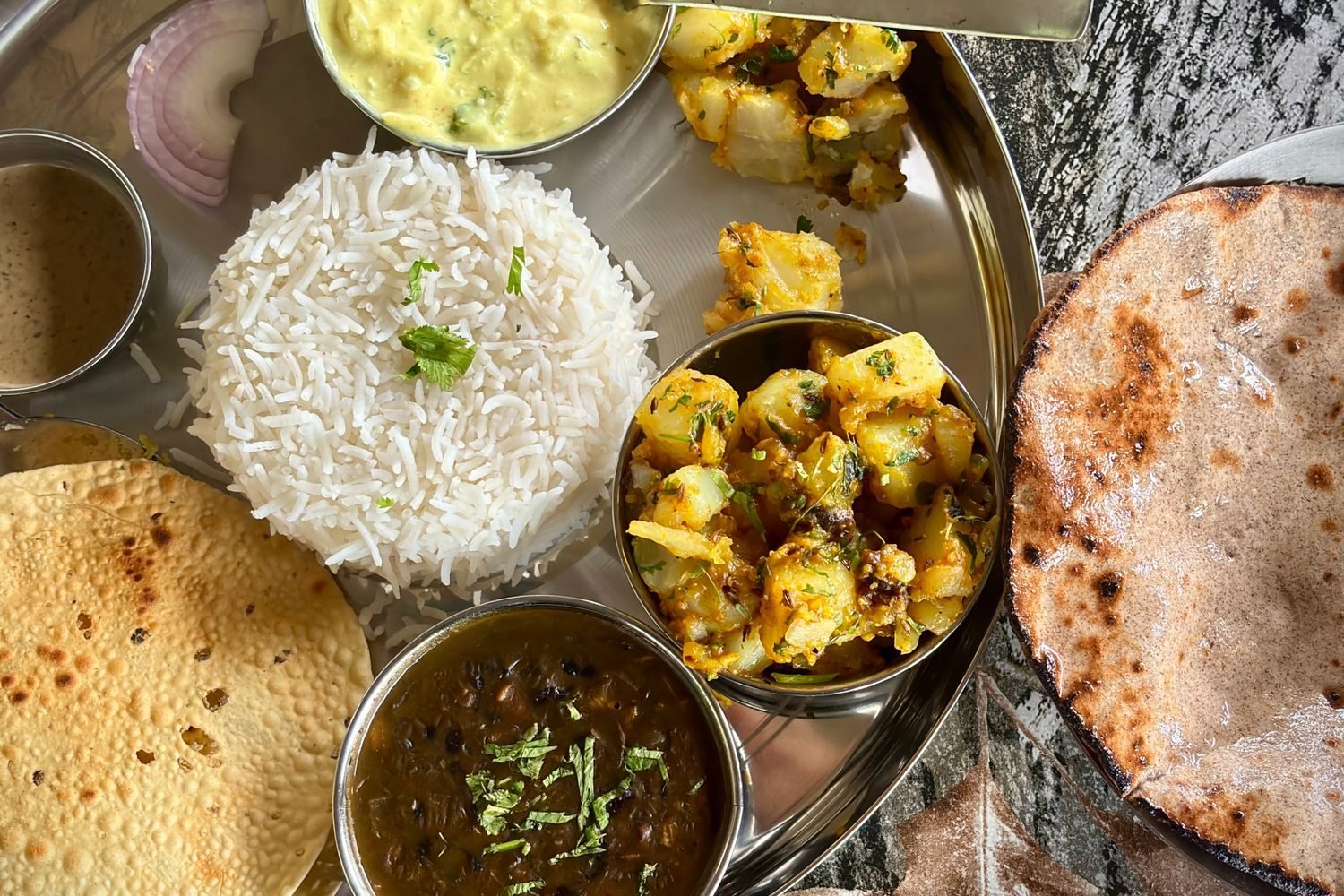
- Learn the rough GI tier of your regular staples. Know which grains, fruits, and starches in your usual rotation are low, medium, or high — a resource like our glycemic index chart of common Indian foods covers dals, rice varieties, rotis, and fruits commonly eaten in Indian households.
- Think in portions, not just food type. A small serving of a high-GI food often has a lower GL than a large serving of a medium-GI food. Portion awareness does more work than strict food elimination.
- Build balanced plates. Adding protein, healthy fat, or fiber to a carb-heavy meal slows gastric emptying and blunts the glucose spike — the science behind why dal with rice behaves differently in your body than rice alone.
- Understand the biology underneath. If you want the fuller picture of what’s happening after a meal — insulin response, energy crashes, long-term effects of frequent spikes — our piece on how sugar affects the body connects the dots between GI/GL and everyday symptoms like fatigue and cravings.
- Keep better snacks on hand. Swapping reactive snacking for planned, lower-GL options is one of the simplest wins — see our list of diabetes-friendly snacks for practical, low-GL options that don’t feel like a diet.
Frequently Asked Questions
Is a low-GI food always a healthy choice?
Not necessarily. Some low-GI foods, like ice cream or chocolate, score low because fat slows digestion, not because they’re nutritious. GI and GL measure blood sugar impact, not overall nutritional quality — you still need to weigh saturated fat, sodium, and calorie density separately.
Can cooking method change a food’s GI?
Yes. Overcooked pasta and well-ripened bananas both have higher GI values than their firmer, less-processed counterparts, because softer starch structures digest faster. Cooling cooked rice or potatoes before eating can also lower GI slightly through a process called starch retrogradation.
Should diabetics avoid all high-GI foods completely?
Not required — portion size and pairing matter more than outright avoidance. A small serving of a high-GI food eaten alongside protein and fiber can have a moderate GL and manageable glucose impact. Talk to your doctor or an online nutritionist consultation before making major dietary changes if you’re on glucose-lowering medication.
Why do GI values sometimes differ between sources?
GI is measured through human trials, and results vary slightly based on ripeness, variety, cooking time, and the specific study’s participant pool. This is why the University of Sydney’s database, which standardizes testing protocols, is considered the most reliable reference point.
Is glycemic load useful for non-diabetics too?
Yes. Anyone interested in steadier energy levels, reduced cravings, or general metabolic health can benefit from favoring low-to-medium GL meals most of the time, even without a diabetes diagnosis.
Glycemic index and glycemic load aren’t competing systems — they’re two lenses on the same problem, and using both gives you a far more accurate read on how your food choices actually affect your blood sugar. If you want a personalized eating plan built around your specific health goals rather than generic GI charts, an online nutritionist consultation can help you translate these numbers into meals that fit your life.