The most common signs of hormonal imbalance in women are irregular periods, unexplained weight changes, persistent fatigue, mood swings, acne along the jawline or chin, unusual hair thinning or excess facial/body hair growth, and disrupted sleep. None of these signs, on their own, tells you which hormone is off or why — that requires bloodwork and a conversation with a doctor. But recognizing the pattern is often the first step women take before getting an actual diagnosis, whether that turns out to be polycystic ovary syndrome (PCOS), a thyroid disorder, perimenopause, or something else entirely.
This article walks through the most well-documented signs and what conditions tend to cause them. Think of it as a map that tells you it’s worth calling a doctor — not a tool that tells you what’s wrong.
Quick Reference: Common Signs and What They Might Indicate
Each of these signs is covered in more detail below, but here’s the short version of what to watch for before you dig into the specifics.
| Symptom Category | What to Watch For |
|---|---|
| Menstrual changes | Cycles consistently shorter than 21 days or longer than 35 days, missed periods, or unusually heavy bleeding |
| Weight changes | Gradual weight gain paired with fatigue and cold sensitivity, or unexplained weight loss with a racing heart and anxiety-like symptoms |
| Fatigue | Persistent tiredness that doesn’t improve with rest, especially alongside other signs on this list |
| Mood changes | Irritability, anxiety, low mood, or shifts that feel disproportionate to the situation |
| Skin and hair changes | Adult-onset acne along the jawline or chin, scalp hair thinning, or new coarse hair growth on the face, chest, or back |
| Sleep disruption | Night sweats, hot flashes, or trouble falling and staying asleep |
What counts as a “hormonal imbalance”?
Hormones are chemical messengers produced by glands — the ovaries, thyroid, adrenal glands, and pituitary, among others — that regulate metabolism, mood, reproductive cycles, sleep, skin, and hair growth. A hormonal imbalance simply means one or more of these messengers is being produced in the wrong amount, or the body isn’t responding to it correctly. That’s a broad definition on purpose: hormonal imbalance isn’t a single diagnosis, it’s a description of what’s happening underneath dozens of distinct, diagnosable conditions.
The three most common underlying causes in women are PCOS, thyroid disorders, and the natural hormonal shifts of perimenopause and menopause. Each produces overlapping symptoms, which is exactly why guessing at home rarely works.

Are irregular periods a sign of hormonal imbalance?
Yes, irregular, absent, or unusually heavy periods are one of the most reliable signs that something hormonal is going on. A “normal” cycle generally falls between 21 and 35 days, and significant, ongoing deviation from that range — not just one off month — is worth flagging to a gynecologist.
Irregular periods are also the hallmark symptom of PCOS, one of the most common endocrine disorders in women of reproductive age, affecting roughly 6–12% of U.S. women of reproductive age (global estimates run as high as 20%, depending on diagnostic criteria). Beyond irregular cycles, PCOS is commonly associated with excess androgen levels, which can show up as acne or excess hair growth, and with polycystic-appearing ovaries on ultrasound. A woman doesn’t need all three features to be diagnosed, which is part of why PCOS is frequently missed or diagnosed late. Thyroid dysfunction can also throw off menstrual cycles, which is one reason doctors typically order thyroid panels alongside reproductive hormone testing when a woman reports cycle changes.
Can hormones cause unexplained weight changes?
Yes — both weight gain and weight loss can be hormonally driven, and the direction often depends on which hormone is affected. An underactive thyroid (hypothyroidism) slows metabolism and commonly causes gradual weight gain along with fatigue, cold sensitivity, constipation, and dry skin. An overactive thyroid (hyperthyroidism) does the opposite, often causing unintended weight loss, a racing heart, and anxiety-like symptoms. Elevated cortisol, the body’s primary stress hormone, is also linked to increased cravings for high-calorie foods and abdominal weight gain, which is part of why chronic stress and weight are so closely connected — a relationship covered in more depth in our piece on how stress affects your diet and weight.
The key word is “unexplained.” Weight change that tracks with an obvious shift in diet or activity isn’t automatically hormonal. But weight gain or loss that happens despite no real change in eating or exercise habits, especially alongside other signs on this list, is worth mentioning to a doctor.
Why does hormonal imbalance cause fatigue?
Fatigue is one of the most frequently reported symptoms across nearly every hormone-related condition, which makes it a poor standalone signal but an important piece of a bigger pattern. Thyroid hormone directly regulates cellular energy production, so both hypo- and hyperthyroidism can produce persistent tiredness, though through different mechanisms. Fluctuating estrogen and progesterone during perimenopause can also disrupt sleep architecture, leading to daytime fatigue even when total sleep time looks normal on paper.
Because fatigue overlaps so heavily with iron deficiency, poor sleep quality, and simple overwork, it’s rarely diagnostic on its own, and doctors typically look at it alongside other symptoms and bloodwork rather than treating “tired all the time” as a standalone red flag. If sleep itself seems to be the core issue, our article on how sleep affects weight loss digs into that connection specifically.
How do hormones affect mood?
Estrogen and progesterone both interact with neurotransmitter systems in the brain, including serotonin, which is part of why mood symptoms — irritability, anxiety, low mood, or sudden shifts that feel disproportionate to the situation — are commonly reported alongside other signs of hormonal imbalance. This is well documented across the menstrual cycle (premenstrual mood changes), postpartum period, and perimenopause, when estrogen and progesterone levels fluctuate more erratically than at any other point in adult life besides puberty.
Thyroid imbalances are also linked to mood changes: hypothyroidism is associated with symptoms that can resemble depression, while hyperthyroidism is more often linked to anxiety and restlessness. Mood symptoms are real and worth taking seriously, but because so many non-hormonal factors also drive mood, they’re best evaluated by a doctor who can look at the full clinical picture.
What skin and hair changes point to a hormonal cause?
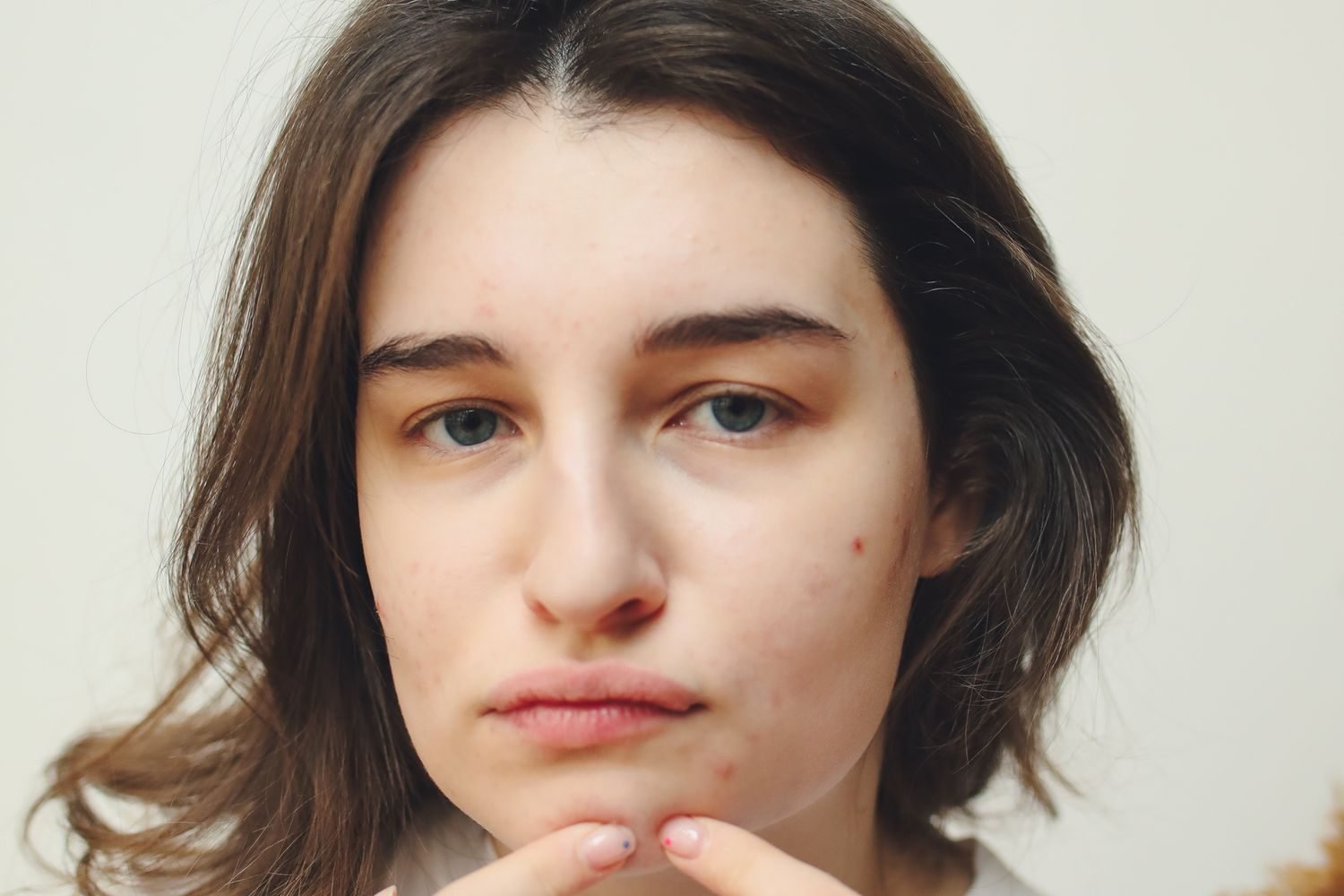
Two patterns come up most often in the research: adult-onset acne concentrated along the jawline, chin, and lower face, and changes in hair growth — either thinning on the scalp or new, coarse hair growth on the face, chest, or back (called hirsutism).
Both are classic signs of elevated androgens, and both are frequently reported in women with PCOS. One clinical study of PCOS patients found cutaneous (skin-related) signs like acne and hirsutism to be among the most common presenting features, often showing up before a woman realizes anything hormonal is happening. Hair thinning on the scalp paired with excess hair growth elsewhere in the same person is a particularly notable pattern, since it points toward androgen-related causes rather than a single isolated issue.
That said, adult acne and hair changes have plenty of non-hormonal causes too — skincare products, genetics, certain medications — which is exactly why a dermatologist or endocrinologist evaluation, not a mirror check, is the way to actually sort out the cause.
Does hormonal imbalance disrupt sleep?
Yes, and this is especially well documented during perimenopause. Declining and fluctuating estrogen levels are linked to night sweats and hot flashes that fragment sleep, and progesterone (which has a mild sedative effect) tends to decline as well, making it harder to fall and stay asleep. Perimenopause itself typically begins in a woman’s mid-40s, with research putting the average onset around 47.5 years old, though it can start as early as the mid-30s; it commonly lasts around seven years before a woman reaches menopause (defined as 12 consecutive months without a period).
Thyroid imbalances can also interfere with sleep — hyperthyroidism through a racing heart and anxiety, hypothyroidism through excessive daytime sleepiness. Because sleep and hormones influence each other in both directions, poor sleep can also worsen hormonal regulation over time, which is part of why sleep is treated as a foundational piece of hormone health rather than an afterthought.
What conditions most commonly cause these symptoms?
Three conditions account for the large majority of hormonally-driven symptom patterns in women of reproductive and midlife age:
- PCOS: Affects an estimated 6–12% of U.S. women of reproductive age, with global estimates as high as 20% depending on diagnostic criteria. Core signs: irregular periods, acne, excess hair growth, and sometimes difficulty conceiving.
- Thyroid disorders: Women are five to nine times more likely than men to develop hypothyroidism, largely due to autoimmune thyroid disease (Hashimoto’s). Prevalence estimates for hypothyroidism in the general U.S. population run roughly 4–8%, with mild subclinical cases affecting an estimated 4% of the population. Core signs: fatigue, weight gain, cold intolerance, dry skin, constipation.
- Perimenopause and menopause: A universal transition, not a disorder, but one that produces genuinely disruptive symptoms for many women, including irregular cycles, hot flashes, night sweats, sleep disruption, and mood changes, typically starting in the mid-to-late 40s.
Less common but still real causes include adrenal disorders, pituitary conditions, and hormonal side effects from certain medications. This is exactly why symptom overlap matters: fatigue and weight gain alone could point to five different underlying issues, and only testing narrows it down.
What should you actually do if you recognize these signs?
Start with your primary care doctor or a gynecologist. Bring a simple log if you can — period dates and flow, sleep patterns, and any mood or skin changes over the past two to three months tend to be more useful to a doctor than a vague “I think my hormones are off.” From there, next steps usually include bloodwork (a thyroid panel, and depending on symptoms, androgen or other reproductive hormone levels), a physical exam, and sometimes imaging like a pelvic ultrasound if PCOS is suspected. An endocrinologist may get involved if thyroid or other gland-related issues are confirmed.
This is also where nutrition can play a genuinely useful supporting role, without being mistaken for a substitute for medical care. Diet doesn’t diagnose or cure hormonal conditions, but for several of the conditions discussed here — particularly PCOS and metabolic symptoms tied to thyroid conditions — nutrition strategies can meaningfully support symptom management alongside whatever treatment a doctor recommends. Our guide to a hormone-balancing diet covers this in more detail, and our broader piece on nutrition for weight loss is useful if weight changes are part of what you’re noticing.
Frequently Asked Questions
Can stress alone cause hormonal imbalance symptoms?
Chronic stress raises cortisol, which can disrupt sleep, appetite regulation, and even menstrual regularity, producing symptoms that look similar to other hormonal imbalances. It’s a real contributor, but persistent or severe symptoms still warrant medical evaluation rather than being assumed to be “just stress.”
How long should irregular periods last before I see a doctor?
If cycles are consistently shorter than 21 days or longer than 35 days, or if you miss periods for three months or more without pregnancy, it’s reasonable to schedule a gynecologist visit. One irregular cycle occasionally isn’t usually cause for concern, but a repeating pattern is.
Can hormonal imbalance be diagnosed with a home test?
Home hormone tests can offer a general snapshot but aren’t a substitute for clinical diagnosis. Doctors typically combine bloodwork with your symptom history, physical exam findings, and sometimes imaging, since single hormone levels fluctuate daily and rarely tell the full story alone.
Is acne always a sign of a hormonal problem?
No. Adult acne has many causes, including skincare habits, genetics, and certain medications. Jawline-concentrated acne paired with other signs like irregular periods or excess hair growth raises the likelihood of a hormonal cause, but a dermatologist or gynecologist evaluation is needed to confirm it.
Does diet alone fix a hormonal imbalance?
No. Diet can support symptom management for certain conditions like PCOS, but it doesn’t replace medical treatment for an underlying thyroid disorder, PCOS, or menopause-related hormone changes. Think of nutrition as a support layer alongside, not instead of, professional care.
The bottom line
Irregular periods, unexplained weight changes, fatigue, mood swings, acne, hair changes, and sleep disruption are all legitimate, well-documented signs associated with hormonal imbalance in women. But they’re signs, not a diagnosis. The same symptom list can point to PCOS, a thyroid disorder, perimenopause, or something unrelated to hormones entirely, and only bloodwork and a clinical evaluation can tell you which. If several of these signs sound familiar, the right next step is booking a visit with your doctor, gynecologist, or an endocrinologist for proper testing — not searching for more symptom checklists.
Once you have an actual diagnosis and treatment plan in place, nutrition can be a genuinely helpful supporting piece of the puzzle. An online nutritionist consultation can help you build an eating pattern that supports your treatment plan — but it works alongside medical care, not in place of it. See a doctor first.