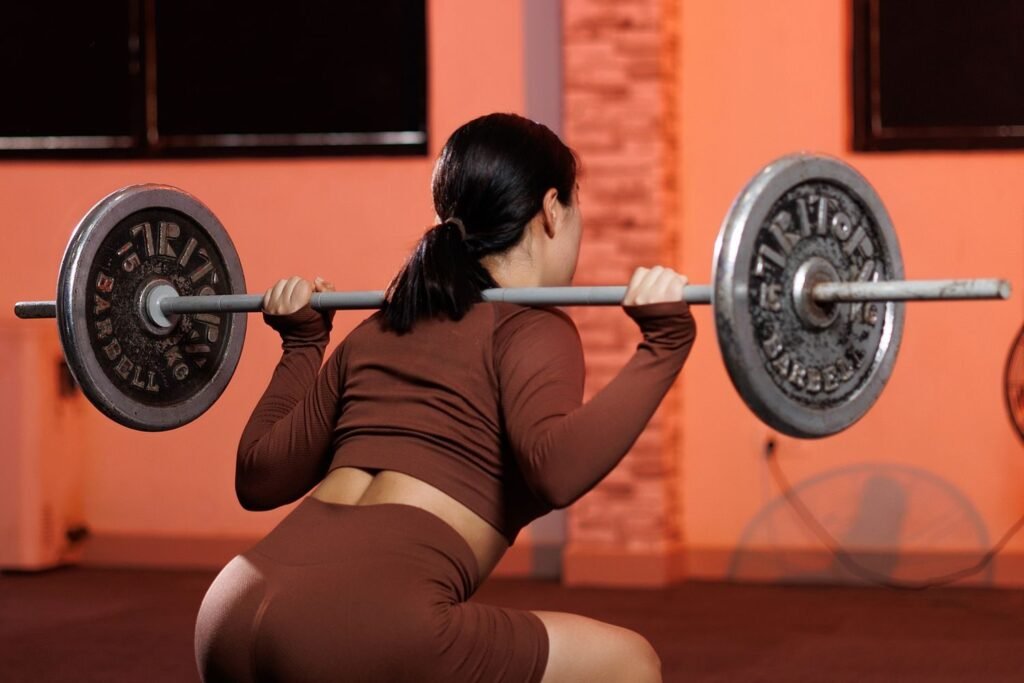
A home gym workout is a structured strength training session done with a small set of equipment you keep at home, usually a bench, adjustable dumbbells or plates, resistance bands, and sometimes a pull-up bar. It sits between two extremes: the fully-equipped commercial gym and the equipment-free bodyweight routine. At FitStrot, we build home gym workout plans for clients across India who want real strength gains without a daily commute to a gym, and the short version is this: you don’t need a spare room full of machines to make progress, you need the right four or five pieces of kit and a plan that actually uses them.
What Counts as a Home Gym Workout Versus Just a Home Workout?
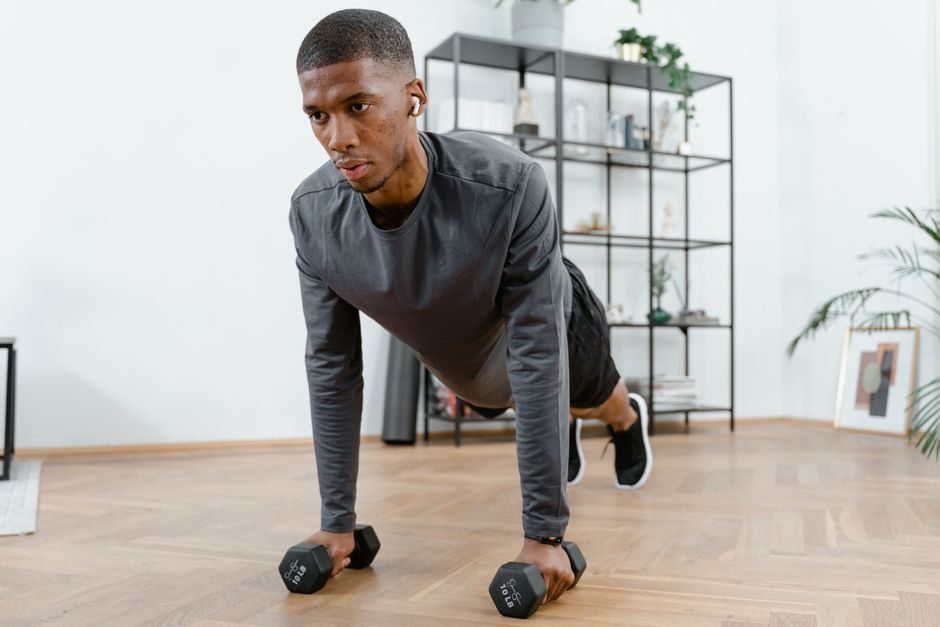
People use “home workout” and “home gym workout” interchangeably, but they’re not the same thing. A home workout typically means bodyweight training: push-ups, squats, lunges, planks, maybe a resistance band if you’re feeling fancy. A home gym workout assumes you’ve invested in actual equipment, even a modest amount, and your training is built around progressive overload with weights. If you’re deciding between a gym or home workout for the next few months, that decision usually comes down to whether you’re willing to buy a bench and some dumbbells or would rather train with just your body weight.
We’ve written a full guide on pure bodyweight training with no equipment at all, which you can read in our home workout article. This piece is different. It’s for people who are ready to set up a small equipment-based space at home and train the way you’d train at a commercial gym, just smaller and closer.
What Do You Actually Need for a Home Gym Setup?
You don’t need a rack, a cable machine, or a mirror wall. Most of the home gyms we help clients set up in Indian apartments run on five things:
- An adjustable bench
- A pair of adjustable dumbbells or a basic plate and bar set
- A set of resistance bands
- A pull-up bar that mounts on a doorframe
- A yoga mat for floor work
That’s it. Anything beyond this is nice to have, not need to have.
Adjustable dumbbells are worth the extra spend over fixed pairs because they save space and let you scale weight as you get stronger, which matters more than people expect once they’ve been training for two or three months. If dumbbells are your main tool, our home dumbbell workout guide breaks down exercises and rep ranges specifically built around that equipment. A bench matters too. Floor pressing works in a pinch, but a bench opens up incline work, step-ups, and Bulgarian split squats, all of which are hard to replace with floor-only movements.
Skip anything that claims to be an all-in-one machine unless you have the budget and the space for it. We’ve seen clients buy expensive multi-gyms that end up as clothes racks within two months. Simple, adjustable, and small footprint beats complicated every time.
What Does a Home Gym Workout Plan Look Like?
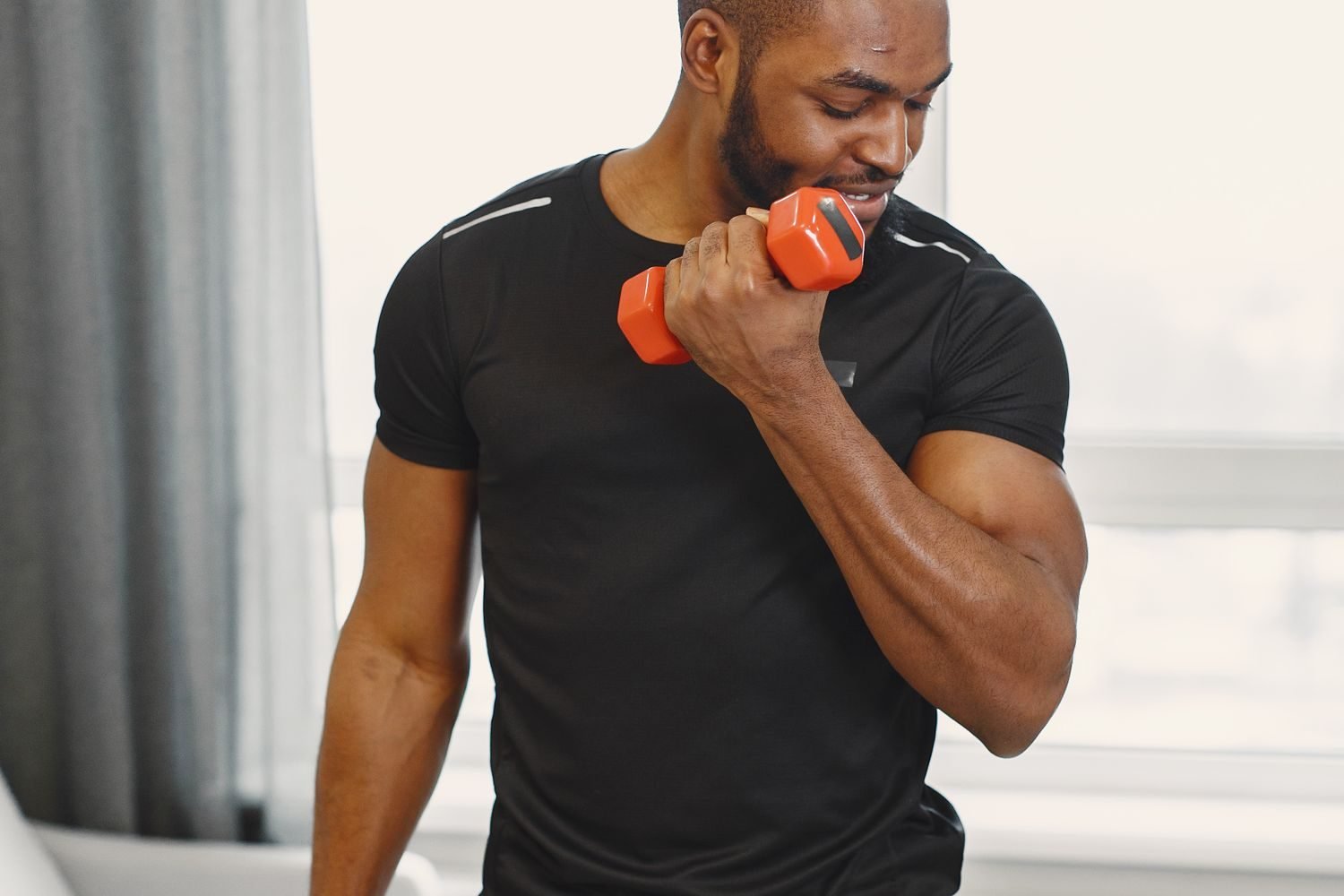
A good home gym workout plan follows the same logic as a gym program: push, pull, legs, and core, spread across the week with enough recovery between sessions that hit the same muscles. Here’s a sample home gym workout chart we use as a starting template for clients with a bench, adjustable dumbbells, bands, and a pull-up bar.
| Day | Focus | Exercises | Sets x Reps |
|---|---|---|---|
| Monday | Upper Push | Dumbbell bench press, seated shoulder press, incline push-up, tricep dips on bench | 3-4 x 10-12 |
| Tuesday | Lower Body | Goblet squat, Bulgarian split squat, dumbbell Romanian deadlift, standing calf raise | 3-4 x 10-15 |
| Wednesday | Rest or Mobility | Light stretching, walking, band work for shoulders and hips | 15-20 minutes |
| Thursday | Upper Pull | Pull-ups or band-assisted pull-ups, bent-over dumbbell row, dumbbell curl, face pull with band | 3-4 x 8-12 |
| Friday | Full Body + Core | Dumbbell thruster, renegade row, plank, hanging knee raise | 3 x 10-15 |
| Saturday | Active Recovery | Brisk walk, light cycling, stretching | 20-30 minutes |
| Sunday | Rest | Full rest | – |
This is a starting point, not a fixed rule. Once someone’s been consistent for four to six weeks, we usually add weight, adjust rep ranges, or swap in a different split depending on their goals, whether that’s fat loss, muscle gain, or general fitness.
How Do You Do a Home Gym Workout?
Start with a 5 to 10 minute warm-up of light cardio and dynamic stretches, then move through compound lifts before isolation work, resting 60 to 90 seconds between sets. Track your weights and reps so you can add load over time. A typical session runs 40 to 60 minutes, three to five days a week, structured around push, pull, leg, and core movements using your bench, dumbbells, bands, and pull-up bar.
What Are the Benefits of a Home Gym Workout?
A home gym workout saves commute time, removes gym membership costs over the long run, and lets you train on your own schedule without waiting for equipment. It builds real strength through progressive overload, which bodyweight training alone can plateau on faster. It also gives you privacy and consistency, two things that matter a lot for people who fall off gym routines due to crowding or scheduling conflicts.
How Does a Home Gym Workout Compare to Training at a Regular Gym?
Honestly, a commercial gym gives you more variety and heavier weight ceilings. If your goal is to squat 150kg or bench press your body weight several times over, you’ll eventually need barbells and a rack that most home setups don’t have. That’s the real answer to the gym vs home workout debate: a gym wins on raw capacity, a home gym wins on convenience and consistency.
For a lot of our clients, especially those juggling work travel or irregular schedules, a home gym workout is what actually gets done. A missed gym session because of traffic or a late meeting doesn’t happen when your equipment is ten steps away. If you do have consistent gym access and want a more structured split, our full body workout for men in the gym guide covers that in more depth. Many people end up doing both, gym sessions when they can get there, home gym sessions on the days they can’t.
Can a Home Gym Workout Help with Height or Posture?
People searching for a height workout at home are usually hoping strength training will make them taller. It won’t, once your growth plates have closed in your late teens or early twenties, no amount of training changes your skeletal height. What a home gym workout can do is improve your posture significantly. Strengthening your back, shoulders, and core corrects the slouch that makes people look shorter than they are, and that’s a realistic, honest benefit worth training for.
What Are Some Practical Home Workout Tips?
Set a fixed training window, even 30 minutes, and treat it like an appointment you can’t skip. Keep your equipment visible and accessible rather than tucked away in a cupboard, because friction kills consistency faster than anything else. Use a simple home workout time table pinned near your training space so you’re not deciding what to do each day, you’re just following the plan. Warm up properly even for short sessions, and don’t skip rest days just because you’re training at home and it feels low-effort. Recovery is where the actual muscle building happens.
How Do You Bulk Up Using a Home Gym?
A home bulking workout needs two things a lot of people underestimate: enough weight to keep progressing, and enough food to support growth. Focus on compound lifts like squats, presses, and rows, aim for 6 to 12 reps per set, and increase weight or reps every one to two weeks. If your dumbbells max out and you stop getting stronger, that’s the point where either you add resistance bands for extra tension or you look at a gym membership to keep progressing. Bulking on minimal equipment works for a while, but it does have a ceiling.
Frequently Asked Questions
What is a home gym workout?
A home gym workout is a strength training session done at home using basic equipment like a bench, adjustable dumbbells, resistance bands, and sometimes a pull-up bar. It’s different from a bodyweight-only home workout because it relies on external weight for progressive overload, letting you build strength and muscle in a small, dedicated space without a gym membership.
How do you do a home gym workout?
Warm up for 5 to 10 minutes, then train through a structured split covering push, pull, leg, and core movements using your bench and dumbbells, resting 60 to 90 seconds between sets. Sessions typically run 40 to 60 minutes, three to five times a week, with weight or reps increased gradually as you get stronger.
What are the benefits of a home gym workout?
Home gym workouts save commute time, cut long-term membership costs, and fit around irregular schedules better than commercial gym visits. They allow real progressive overload through added weight, which builds strength faster than bodyweight training alone, and they offer privacy and consistency that many people find easier to stick with long term.
Should You Build a Home Gym or Just Start Training?
You don’t need to buy everything on day one. Start with dumbbells and a mat, add a bench once you’re consistent, and get a pull-up bar when your pulling strength catches up. What matters more than the equipment list is having a plan that fits your goals and someone checking that your form and progression are actually on track. Yash Pathak built FitStrot around exactly that problem, after ten years coaching clients in person, he saw how many people had the equipment but not the structure to use it well.
If you want a home gym workout plan built around your equipment, your space, and your goals, our coaches at FitStrot put that together as part of 1-on-1 personal training, with real check-ins instead of a generic PDF you forget about in a week.