A Ramadan diet plan for weight loss works by keeping suhoor (pre-dawn meal) protein-and-fibre-heavy for sustained energy, breaking the fast gently at iftar rather than overeating immediately, and avoiding the common trap of consuming more calories during the eating window than you would on a normal day. Done right, Ramadan’s fasting structure can support weight loss; done carelessly, it often leads to weight gain despite fasting for most of the day.
I’m Yash Pathak, founder and lead trainer at FitStrot. I’ve helped clients navigate Ramadan while staying on track with their goals, and the plan below respects the fast while keeping nutrition and energy levels steady throughout.
Why Ramadan Can Go Either Way for Weight
The extended fasting window (roughly 12-16 hours depending on location and season) creates a natural calorie deficit opportunity. But the common pattern of breaking the fast with fried foods (samosas, pakoras), sugary dates and drinks, and eating a large, heavy meal quickly often overshoots calorie needs for the day — sometimes exceeding what would have been eaten across three normal meals.
Structuring Suhoor (Pre-Dawn Meal)
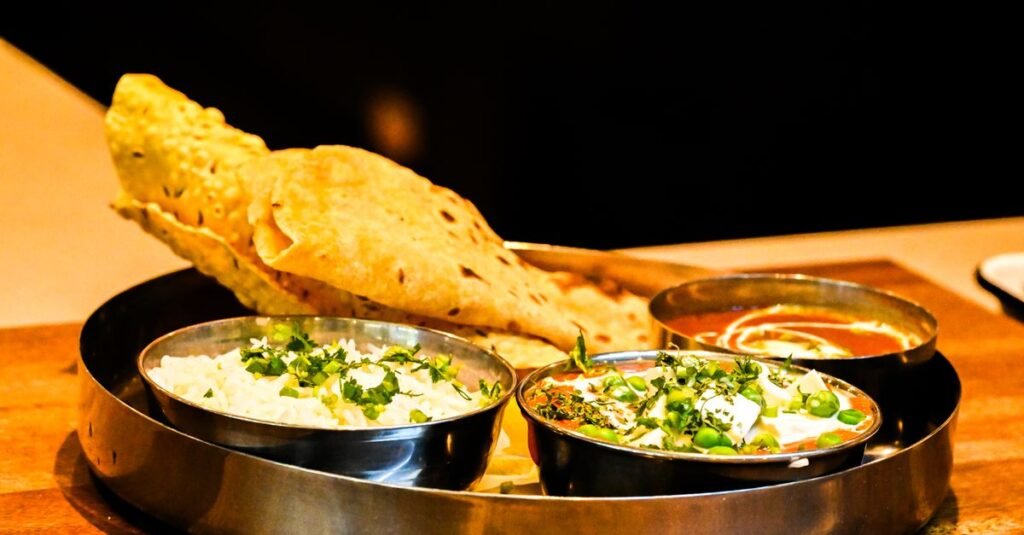
This meal needs to sustain you for 12+ hours, so composition matters more than at any other meal of the year. Protein: eggs, paneer, or dal-based dishes to support satiety through the fasting hours. Complex carbohydrates: oats, whole wheat roti, or brown rice rather than refined options that digest quickly and leave you hungry sooner. Healthy fats: a small portion of nuts or seeds, which slow digestion and extend satiety. Hydration: water and hydrating foods (cucumber, watermelon if in season) — avoid excessive salt at this meal, which increases thirst during the fast.
Breaking the Fast (Iftar) the Right Way
Start gently. Traditionally breaking the fast with 2-3 dates and water is a good instinct — dates provide quick energy without a heavy load on the digestive system after hours of fasting.
Wait before the main meal. Give your body 15-20 minutes after the initial dates and water before eating a full meal — this allows hunger signals to catch up, reducing the tendency to overeat.
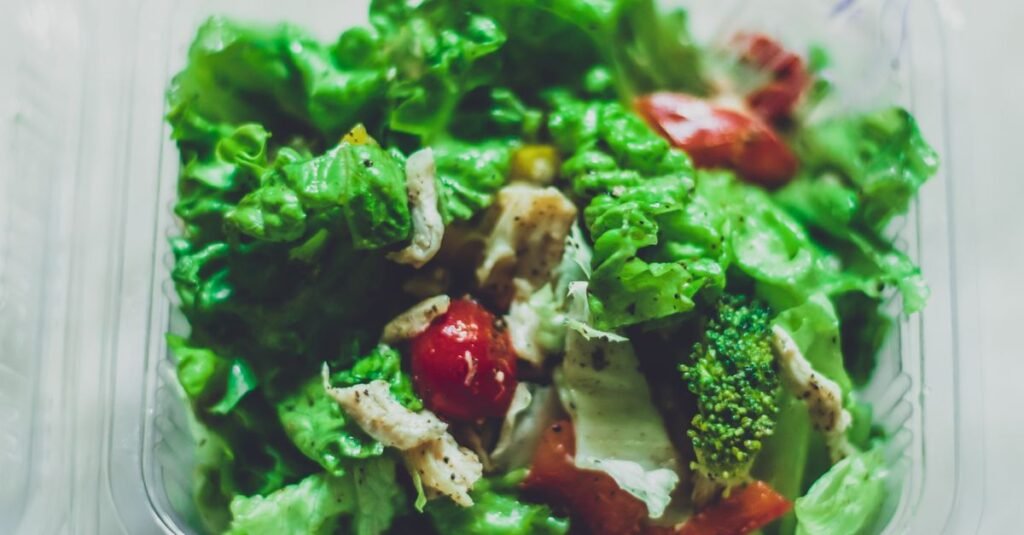
Build the main meal around protein and vegetables. Soup, salad, a protein source (grilled chicken, fish, paneer, or dal), and controlled portions of rice or bread — similar principles to any balanced meal, just timed later in the day.
Limit fried foods. Samosas, pakoras, and other fried iftar staples are easy to overdo since they’re often the first “real” food after fasting — treating them as occasional rather than a daily default helps keep calories in check.
After Iftar: The Second Meal
Many households eat a lighter second meal or snack a few hours after iftar. Keeping this lighter — fruit, nuts, a small protein snack — rather than a second large meal helps avoid the total daily calorie overshoot that undermines the fasting window’s natural deficit.
Staying Active During Ramadan
Light to moderate activity (walking, light strength training) an hour or two before iftar, when energy is lower but hydration can follow immediately after, tends to work better than intense training during the fasting hours themselves, which risks dehydration and low energy. Some people prefer training after iftar once they’ve eaten and rehydrated — either approach works if it’s consistent.
Common Mistakes That Undo the Deficit
Overeating at iftar to “make up for” the day’s fast — this typically overshoots by more than what was actually missed. Excessive sugary drinks and desserts after breaking the fast, which add up quickly in calories without much satiety. And skipping suhoor entirely, which usually backfires through excessive hunger and overeating at iftar.
Building on This After Ramadan
The habits that work well during Ramadan — mindful eating, protein-forward meals, portion awareness — translate directly into a sustainable diet plan afterward. Our diet plan for weight loss and intermittent fasting for PCOS weight loss guides cover related fasting-adjacent structures worth exploring once Ramadan ends.
Why Personalised Guidance Helps During Ramadan
Energy levels, hunger patterns, and activity tolerance during fasting vary significantly by person, and a generic Ramadan diet plan doesn’t account for your specific situation — whether you’re also training regularly, managing a health condition, or balancing family iftar traditions. An online weight loss trainer can build a plan that respects the fast while keeping your goals on track.
Structuring Suhoor and Iftar for Better Results
Suhoor (the pre-dawn meal) should prioritize protein, fibre, and slow-digesting carbohydrates — oats, eggs, yogurt, and whole grains — since this meal needs to sustain you through many fasting hours; a suhoor heavy in refined carbs and low in protein leads to earlier, more intense hunger during the fast. Iftar should start with dates and water to gently restore blood sugar, followed by a moderate portion of a balanced meal rather than the large, calorie-dense spread common in many households — overeating at iftar after a long fast is the single biggest reason weight loss stalls or reverses during Ramadan despite the fasting itself.
Hydration between iftar and suhoor matters as much as food choice — aim to spread water intake across the non-fasting hours rather than drinking it all at once, which supports better digestion and reduces the bloating that can follow a large iftar meal.
Hydration Strategy for the Hours You Can Drink
Managing hydration across a compressed eating and drinking window is one of the most underplanned parts of Ramadan for people also trying to manage weight, and getting it wrong affects both energy levels and eating decisions at iftar. The mistake I see most often is trying to drink most of the day’s water in one sitting right before suhoor ends, which the body simply can’t absorb efficiently and mostly results in discomfort and frequent trips to the bathroom during the fasting hours anyway, defeating the purpose.
A better approach is spreading fluid intake across the entire window between iftar and suhoor rather than front-loading or back-loading it. I suggest aiming for roughly 2.5-3 litres total across that window, starting with water and a few dates at iftar itself, then continuing with water steadily through the evening rather than only at meals, and having a final glass or two at suhoor rather than trying to consume a litre in the final ten minutes before the fast begins. Coconut water or a pinch of salt and lemon in water once during the evening helps replace electrolytes lost during the fasting hours, especially important during the summer-cycle years when Ramadan falls in hotter months.
Point: caffeine timing matters more than people expect here. Tea or coffee at suhoor feels natural but has a mild diuretic effect that works against hydration during the fasting hours ahead, so I suggest having it earlier in the evening instead, after iftar, rather than as part of the pre-dawn meal, leaving suhoor built more around water, milk, or a diluted fruit juice that supports hydration through the fast rather than working against it.
Handling Family Iftars and Social Pressure Without Overeating
Ramadan is deeply communal, and much of iftar happens around a shared table with family or extended family, often at someone else’s home on a rotating basis through the month, which makes portion control genuinely harder than eating alone. Hosts, especially mothers and grandmothers, frequently equate serving more food with hospitality and love, and turning down a second helping of biryani or haleem can feel, and be received as, a social rejection rather than a dietary choice.
The most effective strategy I’ve coached clients through isn’t refusing food, which creates friction, but managing the order and pace of what’s eaten. Start with dates and water as tradition dictates, then a small bowl of soup or fruit, and give that roughly 10-15 minutes to settle before moving to the main spread. This isn’t just etiquette, it genuinely reduces how much you eat once the main course arrives, because a completely empty stomach after a full day’s fast will eat past comfortable fullness before the brain’s satiety signal has caught up, which takes about 20 minutes to register regardless of how fast you’re eating.
For the seconds-and-thirds pressure specifically, taking a modest first portion rather than a large one gives room to accept a small second helping graciously without it becoming an overall large meal, which tends to satisfy hosts’ hospitality instincts better than refusing outright while still keeping total intake reasonable. If iftar rotates between different family homes through the month, as it does for many families, treating two or three of the bigger gathering nights as genuinely more indulgent while keeping quieter home iftars closer to a controlled plan balances the month out far better than trying to hold a strict line on every single evening, which usually breaks down by the second week anyway.
Training for Strength, Not Just Weight Loss, During the Fasting Month
Most of what’s written about Ramadan and fitness, including earlier in this article, focuses on managing fat loss and staying active. But a meaningful number of my clients during Ramadan aren’t only trying to lose fat — they’re trying to hold onto the muscle they’ve built over the preceding months, or in some cases keep making strength progress despite fasting 12 to 14 hours a day. That’s a genuinely different problem, and it needs a slightly different approach than general activity advice.
The biggest risk to muscle during Ramadan isn’t the fasting window itself — 12 to 14 hours without food doesn’t meaningfully break down muscle tissue in someone eating adequately in the remaining hours. The real risk is protein intake quietly dropping because Suhoor and Iftar both fill up on rice, bread, fried snacks, and dates before protein gets a look in, and by the time people account for total daily protein, they’re 30 to 40% short of what they’d normally eat. If you’re strength training three or four times a week and want to keep that muscle, protein needs to be the first thing you plan for at both meals, not what’s left over. Eggs or paneer at Suhoor, and a proper serving of chicken, fish, or dal at Iftar’s main meal, should be treated as non-negotiable rather than optional additions.
Timing your training session matters more here than during a normal month. Training right before Iftar — the last hour or so of the fast — lets you work out in a fasted state, which is manageable for most people once they’re a week or two into Ramadan, and then refuel immediately afterward when your body is primed to use that protein and carbohydrate for recovery. Training right after a full Iftar meal, by contrast, means exercising with a stomach full of food and often feeling sluggish rather than strong, which tends to produce a worse session. I generally steer clients trying to maintain strength toward this pre-Iftar window, with a lighter, technique-focused session rather than chasing new personal bests, which isn’t realistic under fasting conditions and isn’t the goal this month anyway.
Volume and intensity both need a deliberate step down, and this is the part people resist most. If you normally do four sets of an exercise, three sets during Ramadan, at a slightly lower weight, maintains muscle just as effectively without pushing your recovery capacity past what a fasted, dehydrated, sleep-disrupted body can handle. The goal for this month is maintenance, not progression — trying to hit new numbers while fasting and sleeping less is how people end up injured or so drained they stop training altogether by week two. Accepting a temporary plateau in strength numbers, while keeping the training consistent at a slightly reduced volume, is what actually protects the muscle you’ve built.
The reward for this approach shows up right after Eid. Clients who maintained training consistency and protected their protein intake through Ramadan, even at reduced volume, typically get back to their pre-Ramadan strength numbers within two to three weeks. Clients who stopped training entirely for the month usually need six to eight weeks to recover the same ground. The extra discipline during the fasting month, in other words, pays for itself directly in how much time you lose afterward.
Frequently Asked Questions
How does a Ramadan diet plan for weight loss work?
It works by structuring suhoor around protein and complex carbs for sustained energy, breaking the fast gently rather than overeating, and keeping the eating window’s total calories at or below a normal day’s intake.
Is a Ramadan diet plan for weight loss safe?
Yes, when suhoor and iftar are nutritionally balanced and hydration is prioritised. Skipping suhoor or severely restricting food at iftar on top of the fast is not recommended and can affect energy and health.
How long does a Ramadan diet plan for weight loss take to show results?
Many people notice results by the end of the month-long observance, assuming the eating window stays within a moderate calorie range rather than overshooting at iftar.
Can beginners follow a Ramadan diet plan for weight loss?
Yes — the principles (protein-forward suhoor, gentle iftar, portion awareness) are approachable for anyone observing the fast, regardless of prior diet experience.
Ready for a Plan That Respects Ramadan and Your Goals?
A FitStrot online weight loss trainer builds a Ramadan-appropriate plan around your fasting schedule, energy needs, and goals — not a generic diet that ignores the fast’s structure.