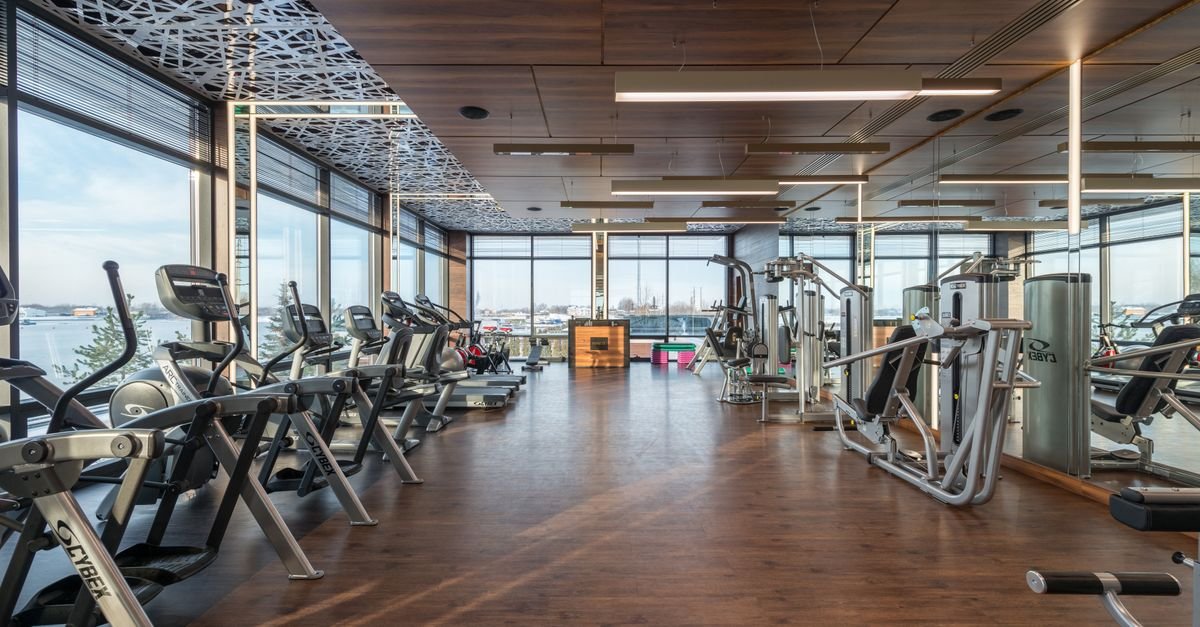
Both the elliptical and treadmill burn a similar number of calories at matched intensity, so the better choice for weight loss comes down to joint impact and which one you’ll actually use consistently. The treadmill burns slightly more calories at high intensity through running, while the elliptical offers a lower-impact option that’s easier to sustain for longer sessions or if you have joint concerns.
I’m Yash Pathak, founder and lead trainer at FitStrot. I get this comparison question constantly, and the honest answer is that consistency matters more than the small calorie-burn difference between them.
Calorie Burn Comparison
At a moderate walking pace, both machines burn roughly similar calories per session. Where the treadmill pulls ahead is at higher intensities — running burns more calories per minute than the elliptical’s equivalent effort level, since running involves more full-body impact and ground reaction force. At matched perceived effort (how hard it feels), the two are much closer than raw numbers suggest.
For a 70kg person: 30 minutes of moderate treadmill walking burns roughly 150-200 calories; 30 minutes of moderate elliptical use burns roughly 200-270 calories, since the elliptical typically engages more muscle groups (arms and legs together) at a comparable perceived effort. Running on the treadmill for 30 minutes can burn 300-400+ calories, well above either machine at walking pace.
Joint Impact: The Real Deciding Factor for Many People
This is where the two machines meaningfully differ. Treadmill walking and running are weight-bearing, high-impact activities — good for bone density, but harder on knees, hips, and ankles, especially at higher speeds or with existing joint issues. The elliptical is low-impact by design, since your feet stay in contact with the pedals throughout the motion, making it a better option if you have joint pain, are returning from injury, or are earlier in a weight-loss journey where extra body weight increases impact stress.
Which One You’ll Actually Use Matters Most
The best cardio machine for weight loss is the one you’ll use consistently for 20-40 minutes, several times a week, for months. If treadmill walking feels more natural and enjoyable to you, that consistency will outperform an elliptical routine you dread and eventually abandon — and vice versa. Neither machine has a meaningful enough calorie-burn advantage to override this.
A Practical Approach: Use Both
Rather than picking one exclusively, alternating between the two adds variety, reduces repetitive strain on any single joint pattern, and keeps workouts from becoming monotonous — a real factor in long-term consistency. A simple split: treadmill for higher-intensity interval sessions (since it handles speed changes better), elliptical for longer, steady-state sessions on recovery days.
Getting More Out of Either Machine
Regardless of which you choose, a few adjustments improve the weight-loss return: increasing resistance or incline rather than just duration (this raises calorie burn without requiring more time), incorporating interval training (alternating higher and lower intensity) rather than a constant pace, which burns more calories and improves cardiovascular fitness faster, and pairing cardio with strength training, since muscle mass supports a higher resting metabolic rate than cardio alone provides.
Cardio Alone Has Limits
Neither machine, used in isolation, is as effective for weight loss as cardio combined with a calorie-appropriate diet and some strength training. Cardio creates part of the deficit; diet typically has a larger impact on total weight change. If you’re building a broader routine, our gym workout for weight loss and swimming and weight loss guides cover other cardio and strength options worth rotating in.
Why a Structured Program Beats Picking One Machine
The elliptical-versus-treadmill question is really a small piece of a bigger picture — total weekly activity, diet, and consistency matter more than which machine you’re on. An online weight loss trainer builds a program that uses whichever equipment fits your access and preferences, structured for actual progress rather than just calorie burn on a single machine.
Which Machine Fits Which Goal
If joint comfort is your main concern (existing knee or hip sensitivity, higher body weight, or returning from injury), the elliptical’s low-impact motion is usually the better starting choice, letting you build cardio capacity and burn calories without the repetitive impact stress of running. If you’re training for a running event, or specifically want the higher calorie burn per minute that comes with higher-impact effort, the treadmill — used at a pace and incline you can sustain safely — tends to edge out the elliptical for calorie expenditure at matched perceived effort.
Many people do well alternating between the two across the week: elliptical on recovery or lighter days, treadmill intervals on higher-intensity days, getting the calorie-burn benefit of both while managing joint stress across the week.
Getting the Settings Right: Incline, Resistance and Stride Length
Most people use both machines at whatever default setting they land on and never touch the controls again, which leaves a lot of calorie burn and joint comfort on the table. On a treadmill, adding even a 3-5% incline while walking at a moderate pace increases calorie burn by roughly 15-20% compared to flat walking at the same speed, without the added joint stress that comes from running faster to burn the same calories. I generally recommend incline walking at 5-6 km/h with a 4-6% incline over flat jogging for anyone managing knee sensitivity, since it delivers comparable cardiovascular benefit with meaningfully less impact per stride.
On an elliptical, the stride length and resistance level matter more than most users realise. A longer stride engages the glutes and hamstrings more, while a shorter, faster stride shifts more work to the quads and raises heart rate faster, which is useful for interval-style sessions. Resistance is where most people undertrain, keeping it low because it feels easier, but low resistance at high speed mostly just moves your legs quickly without building meaningful effort. I ask clients to find a resistance level where maintaining 130-140 steps per minute genuinely challenges them by the eight-minute mark, rather than one they could sustain comfortably for an hour.
Many machines, elliptical or treadmill, also have handle-based arm resistance or moving handlebars, and using them actively rather than just holding on adds meaningful upper body engagement and total calorie burn, sometimes an extra 10-15%. It’s a small detail, but for someone doing 30-40 minutes of cardio several times a week, that difference compounds over a month into a noticeably larger total energy expenditure than the same time spent with passive arms.
Home Machine vs Gym Machine: What Actually Fits Indian Living Spaces
The decision between buying a home machine and using a gym one comes up constantly with clients in Indian metros, and space is usually the deciding factor before budget even enters the conversation. A quality treadmill needs roughly 6×3 feet of floor space plus clearance behind it for safety, which is a genuine constraint in a typical 2BHK apartment, especially if it needs to live in a bedroom or be folded and stored after each use, which many people find enough of a hassle that the machine ends up as expensive storage furniture within two months.
Ellipticals, ironically, often need a similar or larger footprint due to their fixed frame and stride arc, and unlike treadmills they generally can’t be folded flat, which makes them a harder sell for smaller Indian homes. A decent home elliptical also tends to cost more than an equivalent treadmill at the mid-range price point, while offering less resale flexibility since fewer buyers are shopping for a used elliptical compared to a used treadmill.
For clients in cities with humid, high-pollution months, a home machine has a genuine advantage: it removes the excuse of bad outdoor air quality or monsoon rain cancelling a workout entirely, and it removes commute time to a gym, which for many working professionals in traffic-heavy cities like Bengaluru or Mumbai is the actual barrier to consistency, not motivation. If space and budget allow only one purchase, I generally point clients toward a foldable treadmill over an elliptical for home use, purely on the practical grounds of storage and resale, while reserving the elliptical for gym sessions where space isn’t a personal constraint.
What About Stationary Bikes, Stair Climbers and Rowing Machines?
Elliptical versus treadmill isn’t actually a complete list of what’s available at most Indian gyms, and narrowing the choice to just these two sometimes does a disservice to people who’d genuinely do better on a different machine. Three others come up often enough in my consultations that they deserve a proper mention rather than a footnote.
The stationary bike, especially the recumbent version with back support, is often the best starting point for clients carrying significant excess weight or dealing with knee or lower back pain that makes even the elliptical uncomfortable. Because your body weight is fully supported by the seat, there’s almost no impact and very little load on the joints, which means someone who can’t manage 15 minutes on a treadmill without knee discomfort can often cycle for 30 to 40 minutes without any issue. The trade-off is calorie burn — a moderate-intensity recumbent bike session burns noticeably less than the equivalent time on a treadmill or elliptical, so it’s genuinely the right choice mainly when joint protection matters more than burn efficiency, which for a meaningful number of my clients in the first two or three months, it does.
The stair climber sits at the opposite end. It’s brutally effective for calorie burn per minute — often higher than either the treadmill or the elliptical at a comparable perceived effort — because it directly loads the glutes and quads against gravity in a way flat walking or a smooth elliptical stride doesn’t. I recommend it to clients who’ve built up a reasonable fitness base over eight to ten weeks and are looking to break through a cardio plateau, but I rarely start beginners on it. It’s demanding on the knees and hips if your form breaks down from fatigue, which happens quickly on this machine, and most gyms in India have only one or two stair climbers that are constantly occupied, so consistency of access becomes its own practical problem.
The rowing machine is the one I wish more people used, because it’s the only one of the four that meaningfully engages the upper body and back along with the legs, giving you a closer-to-full-body calorie burn in the same amount of time. A properly executed 20-minute rowing session can burn comparably to 30 minutes on a treadmill for many people, and it builds some pulling strength as a side benefit that neither the treadmill nor the elliptical offers at all. The catch is technique — rowing badly, using your arms to pull instead of driving through your legs first, both blunts the calorie burn and risks lower back strain. If your gym has a rower, it’s worth asking a trainer for five minutes of form coaching before you use it seriously, which most people skip entirely and then wonder why their back is sore the next day.
None of this changes the core advice from earlier in this article — the best cardio machine is still the one you’ll actually use consistently, three or four times a week, for months. But if you’ve been stuck choosing only between a treadmill and an elliptical because those are the two everyone talks about, it’s worth trying the bike if joints are your limiting factor, the stair climber once you have a base level of fitness, and the rower if you want more from the same 20 to 30 minutes and you’re willing to learn the technique properly first.
Frequently Asked Questions
Does the elliptical or treadmill burn more calories for weight loss?
At moderate intensity they’re roughly comparable, with the elliptical sometimes burning slightly more due to arm engagement. At high intensity, treadmill running burns more than elliptical use at an equivalent effort level.
Is the elliptical or treadmill safer for weight loss?
The elliptical is lower-impact and generally easier on joints, making it a better option if you have joint pain or are earlier in a weight-loss journey. The treadmill is weight-bearing, which supports bone density but carries more impact stress.
How long should I use an elliptical or treadmill for weight loss results?
20-40 minutes per session, 3-5 times weekly, combined with a calorie-appropriate diet, typically shows visible results within 4-6 weeks.
Can beginners use an elliptical or treadmill for weight loss?
Yes, both are beginner-friendly. Beginners with joint concerns often find the elliptical more comfortable to start with, while those with no joint issues can use either based on preference.
Ready for a Cardio Plan That Fits Your Body?
A FitStrot online weight loss trainer builds a cardio and strength routine around your equipment access, joint health, and goals — not a generic “pick this machine” answer.