There is no single “healthiest” sugar substitute — there’s a hierarchy, and where something falls on it depends on what you’re trying to fix. If your goal is fewer blood sugar spikes and fewer calories, non-nutritive sweeteners like stevia and monk fruit beat honey or jaggery, because those “natural” options are still sugar, just sugar with a bit of company. If your goal is to wean off intensely sweet foods, a small amount of raw honey or dates in place of refined sugar can be a reasonable bridge. And if you’re sensitive to digestive upset, sugar alcohols like xylitol deserve a cautious, small-dose approach rather than an unlimited pass. Sorting sweeteners into three buckets — natural caloric sweeteners, sugar alcohols, and non-nutritive sweeteners — makes this category far less confusing than treating “natural” as an automatic health claim.
This guide walks through what’s actually in each category and where the genuine trade-offs are, so you can pick based on your own goals rather than a label.
Are honey, jaggery, dates, and maple syrup actually healthier than sugar?
Somewhat, but not in the way marketing implies. All four are still forms of sugar metabolically — your body breaks them down into glucose and fructose largely the same way it processes table sugar. The difference is in what tags along, and it’s usually modest, not dramatic.
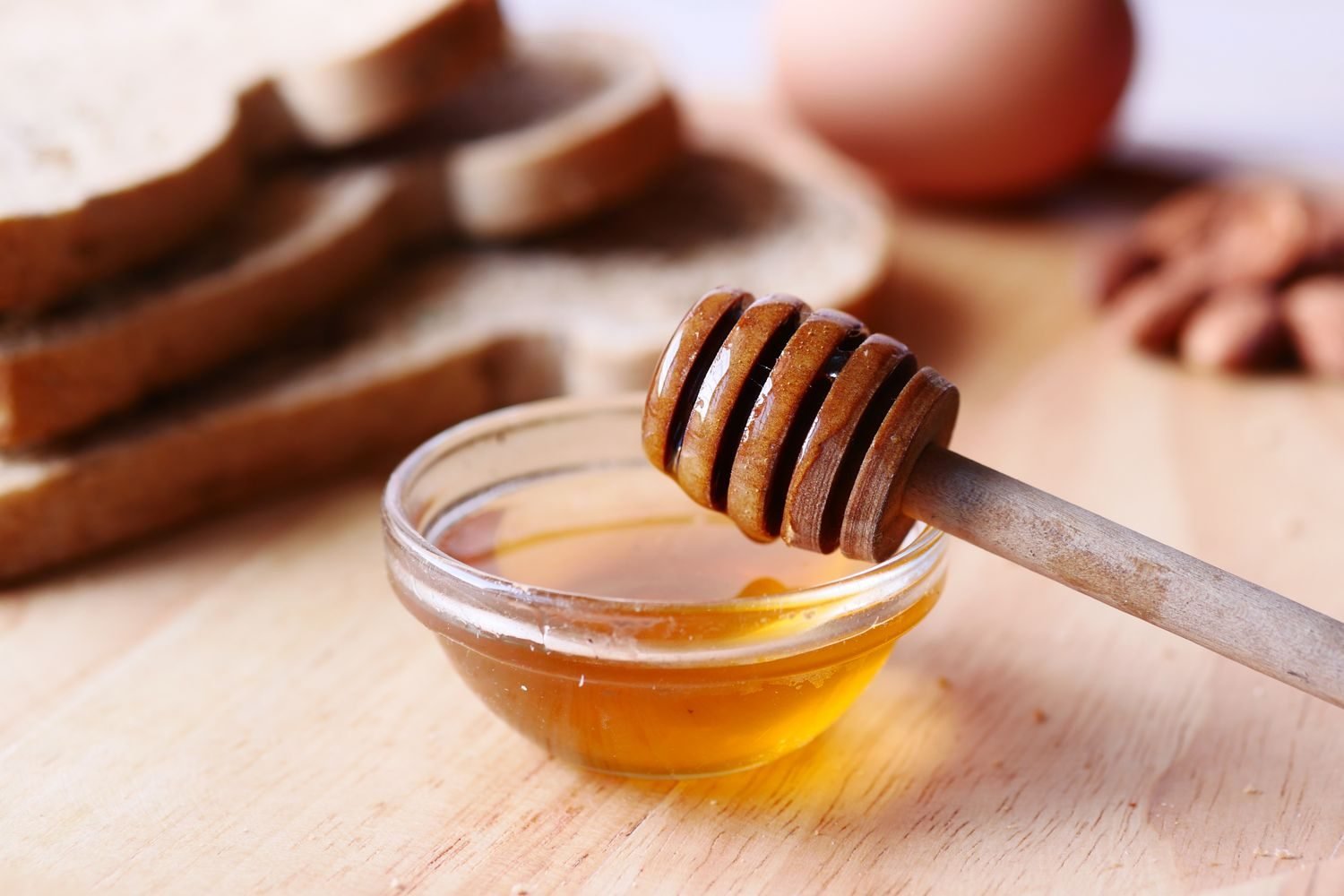
- Honey has small amounts of antioxidants and enzymes, a moderate glycemic index around 55 (close to sugar’s 60-65), and about 17 grams of sugar per tablespoon.
- Jaggery (gur) is unrefined sugarcane or palm juice, boiled down without the refining that strips out molasses, leaving small amounts of iron, potassium, and magnesium — but sugar content per gram is comparable to white sugar.
- Dates stand out because they bring meaningful fiber along with the sugar, which blunts the blood sugar response somewhat. Date syrup has a glycemic index around 49-50, lower than honey or maple syrup.
- Maple syrup contributes manganese, zinc, and antioxidant compounds, but has one of the higher glycemic indexes here, around 65, with roughly 12 grams of sugar per tablespoon.
The honest takeaway: these are marginally better than refined sugar because of the trace nutrients and, for dates, the fiber. But “marginally better” is not “a free pass.” If you have diabetes, prediabetes, or you’re watching total sugar for weight reasons, a tablespoon of honey still counts as a tablespoon of sugar. See how sugar affects the body for more on what added sugar does regardless of source, and foods with hidden sugar to avoid for where it sneaks in.
What are sugar alcohols and why do they upset some people’s stomachs?
Sugar alcohols — erythritol, xylitol, sorbitol, and maltitol are the most common — are carbohydrates found naturally in small amounts in fruits and vegetables but usually manufactured for “sugar-free” and “keto” products. They taste sweet and aren’t fully absorbed by your digestive system, which is exactly what makes them lower in calories than sugar — and exactly what causes their most common side effect.
Because your small intestine can’t absorb most sugar alcohols efficiently, the unabsorbed portion travels to the large intestine, pulls in water, and ferments via gut bacteria. That’s the mechanism behind the bloating, gas, cramping, and diarrhea many people experience. Research generally puts the threshold for noticeable digestive upset around 10-15 grams a day for sensitive individuals, with issues far more likely at 50 grams or more.
Not all sugar alcohols behave the same way, though:
- Erythritol is the gentlest. About 90% of it is absorbed in the small intestine and excreted unchanged in urine, so it rarely reaches the colon in large amounts, though big single doses can still trigger mild nausea.
- Xylitol more readily causes bloating, gas, and diarrhea, especially above 20-30 grams in one sitting. It’s also highly toxic to dogs even in small amounts, so store it carefully around pets.
Worth mentioning honestly: some observational studies have linked circulating erythritol and xylitol levels to higher cardiovascular event risk. This research is still early — it shows association, not proof of cause — but it’s part of why sugar alcohols are best treated as occasional, not a substitute you build a diet around.
How do stevia, monk fruit, and artificial sweeteners actually compare?
Stevia, monk fruit, and artificial sweeteners like aspartame, sucralose, and saccharin all fall into the “non-nutritive sweetener” category — sweetness with essentially zero calories and no meaningful effect on blood glucose. Since this is a broad overview, we’ll keep this section brief; for a detailed side-by-side of stevia against other options, see stevia vs. other sweeteners: which is healthier.
- Stevia (steviol glycosides), extracted from the stevia plant, has Generally Recognized as Safe (GRAS) status from the FDA, doesn’t raise blood sugar, and is widely used by people managing diabetes.
- Monk fruit extract, from a fruit long used in traditional Chinese medicine, also holds GRAS status and works similarly to stevia — zero calories, no glycemic impact.
- Artificial sweeteners (aspartame, sucralose, saccharin, acesulfame-K) are synthetic and hundreds of times sweeter than sugar by weight, so only tiny amounts are needed. The FDA has approved all of these as safe within set daily intake limits.
Where it gets genuinely complicated is aspartame. In July 2023, the World Health Organization’s cancer research arm (IARC) classified aspartame as “possibly carcinogenic to humans” — a Group 2B classification, the same category as pickled vegetables and aloe vera extract, based on what IARC itself described as limited evidence. The same day, the FDA and WHO’s separate food safety committee (JECFA) reaffirmed aspartame is safe at the existing acceptable daily intake of 40 mg per kg of body weight — a 150-pound adult would need roughly 9 to 14 cans of diet soda a day to exceed it. Two expert bodies looked at the same evidence and landed on different framings: one flagged a theoretical hazard, the other found no reason to change guidance. That’s not resolved, and it’s fair to stay aware of it rather than treat either side as final.
A second thread worth flagging honestly: some studies have linked sucralose and aspartame consumption to glucose intolerance or insulin resistance, and WHO issued a global alert in 2023 about sucralose specifically. This research is still developing and doesn’t prove these sweeteners cause metabolic harm at typical intakes — but “artificial sweeteners are metabolically inert” isn’t a settled claim either.
Zooming out, WHO also issued guidance in May 2023 advising against non-sugar sweeteners as a weight-control strategy, based on a review finding no long-term body-fat benefit and some signal of increased long-term risk for type 2 diabetes and cardiovascular disease with habitual use. That’s a useful reminder that swapping in a non-nutritive sweetener isn’t, by itself, a weight-loss strategy unless it’s paired with an actual reduction in overall sweet-food intake, a topic our nutrition for weight loss guide covers in more depth.
Which sugar substitute is right for your goals?
There’s no universal answer here, but a few patterns hold up across the research:
- Managing blood sugar or diabetes: stevia and monk fruit are strongest since they don’t raise glucose at all. Honey, jaggery, and maple syrup should be counted as sugar. See our full diabetes nutrition guide for more.
- Weight management: non-nutritive sweeteners can cut calorie intake short-term, but WHO’s own review found no long-term weight benefit, so treat them as a bridge, not a crutch.
- Sensitive digestion or IBS: go easy on sugar alcohols, especially xylitol and sorbitol; stick to erythritol in small amounts if you use one at all.
- Wanting something closer to “real food”: a small amount of raw honey, dates, or jaggery in place of refined sugar is a reasonable transitional step — as long as you count it as added sugar.

What’s a practical way to start swapping sweeteners?
Rather than overhauling everything at once, most people do better making one swap at a time and noticing how it feels — in taste and in digestion. A few starting points:
- If you drink sweetened coffee or tea daily, try stevia or monk fruit first — that’s the most meaningful blood-sugar and calorie change you can make there.
- If you bake often, erythritol blends reasonably well in recipes, but test a small batch first to check your own tolerance.
- If you’re using honey or maple syrup for flavor rather than as a “health swap,” that’s fine — just count the amount the same way you’d count table sugar.
- Read labels on anything marketed as “sugar-free.” These products often lean heavily on sugar alcohols, and several servings in a day is a common, avoidable way people end up with unexpected digestive symptoms — the same label-reading habit that helps with spotting hidden sugar elsewhere in your diet.
None of this needs to be perfect. The bigger lever, by far, is total added sugar across the day — from all sources — not which specific sweetener sits in your coffee.
Frequently asked questions
Is honey healthier than white sugar?
Slightly, but not enough to change how you should count it. Honey has a moderate glycemic index (around 55) versus sugar’s 60-65, plus small amounts of antioxidants and enzymes. It’s still primarily glucose and fructose, so for blood sugar or weight goals, treat it as sugar with minor extras, not a health food.
Can I use sugar alcohols if I have a sensitive stomach?
You can, but cautiously. Erythritol tends to be the best tolerated because most of it is absorbed before reaching the colon. Xylitol, sorbitol, and maltitol are more likely to cause gas, bloating, and diarrhea, especially above 15-20 grams a day. Start small and track your own reaction.
Is aspartame actually linked to cancer?
The evidence is inconclusive, not confirmed. WHO’s cancer research arm classified aspartame as “possibly carcinogenic” in 2023 based on limited evidence, while the FDA and WHO’s own food safety committee maintained it’s safe within existing daily intake limits. Both positions are grounded in the same data, interpreted differently — it remains an open research question.
Are stevia and monk fruit safe for everyday use?
Yes, both hold Generally Recognized as Safe (GRAS) status from the FDA and don’t raise blood glucose, making them solid options for people managing diabetes or reducing calorie intake. As with any sweetener, moderation is still reasonable since long-term research is ongoing.
Do natural sweeteners like jaggery or dates help with weight loss?
Not inherently. They contain the same calories per gram as sugar, roughly 4 calories per gram, and dates’ fiber content only modestly slows absorption. If weight loss is the goal, the amount of added sugar matters more than which natural source it comes from.
What’s the safest everyday sugar substitute overall?
There isn’t one “safest” pick for everyone — it depends on your priority. For blood sugar control, stevia or monk fruit are strongest. For occasional use with minimal digestive risk, small amounts of erythritol work well. For a “real food” feel, small quantities of honey or dates are reasonable if counted as sugar.
If you’re trying to figure out which sweeteners actually fit your health goals, medications, or blood sugar patterns, a personalized online nutritionist consultation can help you build a plan around real numbers instead of label claims.