Sugar affects the body through four distinct pathways: it spikes blood glucose and triggers an insulin response that can leave you tired and shaky a few hours later, it activates the brain’s dopamine reward system in a way that genuinely primes you to want more, it accelerates a protein-damaging process called glycation that shows up on your skin, and over years of regular excess intake it’s linked to higher risk of type 2 diabetes, heart disease, and fatty liver. None of these effects require a “sweet tooth” or a diagnosed condition — they happen in every body that eats sugar, just to different degrees depending on how much, how often, and what else is on your plate. Understanding the actual mechanisms, rather than the vague warnings, makes it easier to change habits without feeling like you’re fighting your own biology.
What happens in your body in the first hour after eating sugar?
The process starts almost immediately. Glucose from something sugary is absorbed into your bloodstream quickly — much faster than from a food that also contains fiber, protein, or fat. As blood glucose rises, beta cells in the pancreas sense the change and release insulin, a hormone that ushers glucose out of the bloodstream and into cells, where it’s used for energy or stored.
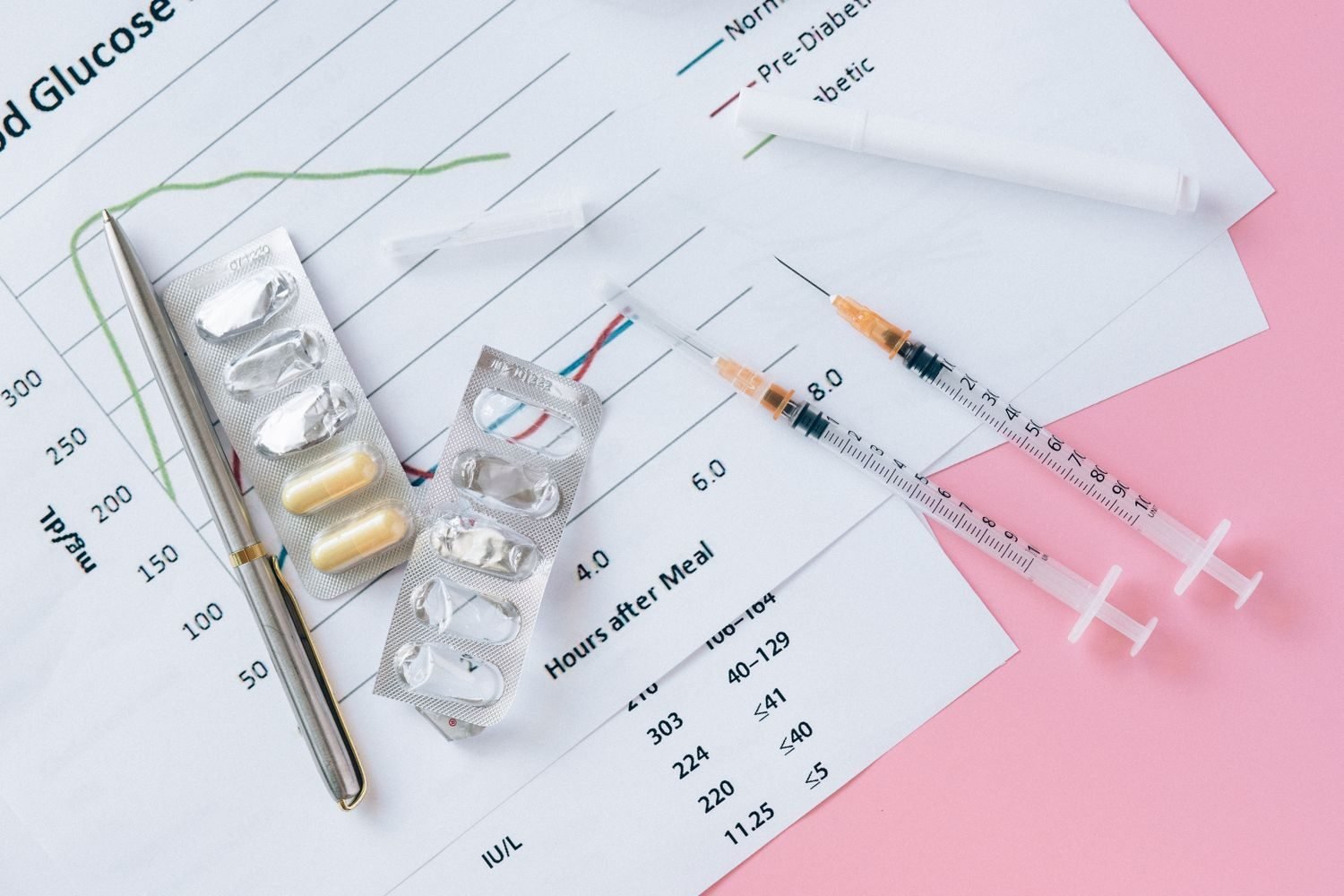
The size and speed of the glucose rise determines how much insulin gets released. A large, fast spike — the kind you get from a can of soda or a pastry on an empty stomach — triggers a large, fast insulin response. The problem is that insulin doesn’t always switch off the moment glucose returns to normal; it can keep working for two to three hours, sometimes pulling blood sugar below where it started. That overshoot is what’s commonly called a sugar crash: a drop in blood glucose, often below the 70 mg/dL range, that brings on shakiness, irritability, difficulty concentrating, and a fresh wave of hunger, typically one to four hours after eating.
This is a big part of why sugary snacks can leave you hungrier and more tired than before you ate them. It’s also why pairing matters — the same amount of sugar eaten alongside protein, fat, or fiber produces a gentler glucose curve than sugar eaten alone. See our guide to glycemic index and glycemic load for how different carbohydrates compare, and if this pattern sounds familiar, our article on signs you’re eating too much sugar covers what chronic patterns look like.
Why does sugar feel so hard to resist?
This deserves a precise answer rather than the loose “sugar is addictive” headline. Sugar activates the brain’s reward circuitry through a well-documented pathway: when something sweet touches your tongue, the signal travels to the ventral tegmental area, a dopamine-rich region in the brainstem, which releases dopamine into the nucleus accumbens — the same reward hub involved in other pleasurable experiences. This response begins within seconds of tasting something sweet, well before any sugar has actually been digested or absorbed.
That speed matters: part of the pull toward sugar is a learned, anticipatory response, with the brain releasing dopamine based on taste and expectation rather than any nutritional need being met. With repeated exposure to highly sweet or palatable foods, researchers have also observed a form of tolerance — the reward response becomes blunted, meaning the brain releases less dopamine, or releases it more slowly, for the same food. In animal studies, this dulled signal has been linked to overeating, as the brain seeks a bigger hit to match the satisfaction it used to get from less.
This is real neuroscience, not marketing language, but it does not mean sugar behaves identically to an addictive drug — most researchers are cautious about that comparison. What it does mean is that cravings for sugar are a predictable, biologically grounded response, not a personal failing, and that breaking the cycle usually requires more than willpower alone. Our guide on how to beat sugar cravings covers strategies that work with this biology rather than against it.
Does sugar actually cause wrinkles and skin aging?
There’s a real mechanism here, though it’s often overstated in skincare marketing. The process is called glycation: when sugar in your bloodstream is elevated, glucose and fructose molecules attach themselves to proteins — including collagen and elastin, the fibers that keep skin firm and elastic — forming compounds called advanced glycation end products, or AGEs. Once formed, AGEs create stiff cross-links between collagen fibers, making skin less pliable, and trigger inflammatory signaling in skin tissue. This damage is amplified by ultraviolet exposure, so sun and sugar compound each other’s effects, contributing over years to a loss of elasticity, a duller or slightly yellowed tone, and finer lines forming earlier than they otherwise might.
What this doesn’t mean is that one dessert will visibly age your skin, or that AGEs are the main driver of wrinkles — sun exposure, smoking, and genetics play larger roles for most people. Glycation is a slow, cumulative process tied to average blood sugar over months and years, not to any single food choice, so it’s a reason to moderate added sugar over time, not to panic over a single slice of cake.
Why do I crash a few hours after eating something sweet?
This comes back to the insulin overshoot described above, but it’s worth separating from the “sugar high” myth. Research hasn’t found strong evidence that sugar causes a true energy high the way caffeine might — what people describe as a sugar high is more likely the brief dopamine and glucose-availability response before the crash sets in.
The crash itself is the more consistent, measurable effect. When insulin drives blood glucose below baseline, your body releases stress hormones like adrenaline and cortisol to bring glucose back up. That hormonal seesaw produces the classic symptoms — shakiness, brain fog, irritability, and a strong pull toward more sugar or caffeine to feel normal again. If this happens often, it’s usually a sign that meals or snacks are too high in fast-digesting carbohydrate relative to protein, fat, and fiber, not that something is wrong with your metabolism. Many everyday foods that don’t taste sweet can still trigger this pattern — flavored yogurts, sauces, and packaged snacks among them. Our list of foods with hidden sugar to avoid covers the common culprits worth checking labels for.

What does regularly eating too much sugar do to long-term health?
This is where the short-term mechanisms above compound into something more serious. Repeated glucose spikes and insulin surges place ongoing demand on the pancreas and, over time, can reduce how sensitive your cells are to insulin’s signal — a state known as insulin resistance, and a key step toward type 2 diabetes. Repeated spikes are also linked to low-grade inflammation and oxidative stress, mechanisms that show up across multiple chronic conditions.
Epidemiological research has found associations between higher added sugar intake and increased risk of several chronic conditions — associations built from population-level data over years, not a claim that any single soda causes disease, but consistent enough that major health authorities have set intake targets:
- Cardiovascular disease
- Type 2 diabetes
- Metabolic syndrome
- Non-alcoholic fatty liver disease
- Gout
The World Health Organization recommends limiting added sugar to under 10% of daily calories, with added benefit below 5%. The American Heart Association is more specific:
- Most women: no more than about 100 calories per day (roughly 6 teaspoons, or 24 grams)
- Most men: no more than about 150 calories per day (roughly 9 teaspoons, or 36 grams)
A single 12-ounce can of regular soda contains close to 39 grams of added sugar — more than a full day’s limit in one drink.
These targets refer specifically to added sugars, not the natural sugars in whole fruit or plain dairy, which come packaged with fiber, protein, and micronutrients that change how the body processes them. That distinction matters more than most people realize, and it’s also why sugar’s relationship to specific health markers like cholesterol is its own topic; our article on whether sugar raises cholesterol covers that mechanism specifically. In practice, a reasonable target for most adults is under 25-36 grams of added sugar a day — and the more useful shift is usually noticing where it’s quietly concentrated (drinks, sauces, packaged snacks) rather than gram-counting. Checking labels against our list of foods with hidden sugar is one of the fastest ways to find where your intake is coming from.

How can I soften sugar’s effect without cutting it out entirely?
Because insulin response is driven by the speed and size of a glucose spike, pairing sugar with protein, fat, or fiber — or eating it after a meal rather than on an empty stomach — measurably softens its impact on blood sugar and mood. Small, consistent changes to when and how sugar is eaten tend to matter more than any single dramatic cutback.
Frequently Asked Questions
Is sugar actually addictive like a drug?
Not in the same way as substances like nicotine or opioids, but the comparison isn’t baseless either. Sugar reliably activates the brain’s dopamine reward pathway, and repeated exposure can blunt that response over time, encouraging you to seek more. Most researchers describe this as reward-driven eating behavior rather than clinical addiction.
How quickly does blood sugar rise after eating something sweet?
Glucose typically starts entering the bloodstream within minutes, with blood sugar often peaking around 30 to 60 minutes after eating, depending on what else was in the meal. Sugar eaten alone on an empty stomach spikes faster than sugar eaten alongside protein, fat, or fiber.
Can cutting sugar improve my skin?
Lowering average blood sugar over time can reduce the rate of glycation, the process that stiffens collagen and contributes to skin aging. That said, it’s a slow, cumulative effect — don’t expect visible changes from a short-term cut, and sun protection matters at least as much.
What’s the difference between added sugar and natural sugar?
Added sugar is sugar introduced during food processing or cooking — in soda, candy, sauces, and baked goods. Natural sugar occurs in whole foods like fruit and milk, typically alongside fiber, protein, or fat that slow its absorption and change its impact on blood sugar.
Why do I get so tired after a sugary lunch?
This is the sugar crash mechanism: a fast glucose spike triggers a large insulin response, which can overshoot and pull blood sugar below baseline one to four hours later. The resulting dip often shows up as fatigue, brain fog, and renewed hunger.
The bottom line
Sugar’s effects on the body aren’t a single story — they’re four overlapping ones: a fast metabolic spike-and-crash cycle, a genuine but often misunderstood pull on the brain’s reward system, a slow structural effect on skin proteins, and a long-term statistical association with chronic disease. None of that means sugar has to be eliminated, but understanding the mechanisms makes it easier to see why moderation guidelines exist. If you’re not sure where to start, our roundup of signs you’re eating too much sugar and guide to breaking sugar cravings are natural next steps.
If you want a personalized look at how your current eating pattern is affecting your blood sugar, energy, and long-term health risk, an online nutritionist consultation can help you build a realistic plan around it.