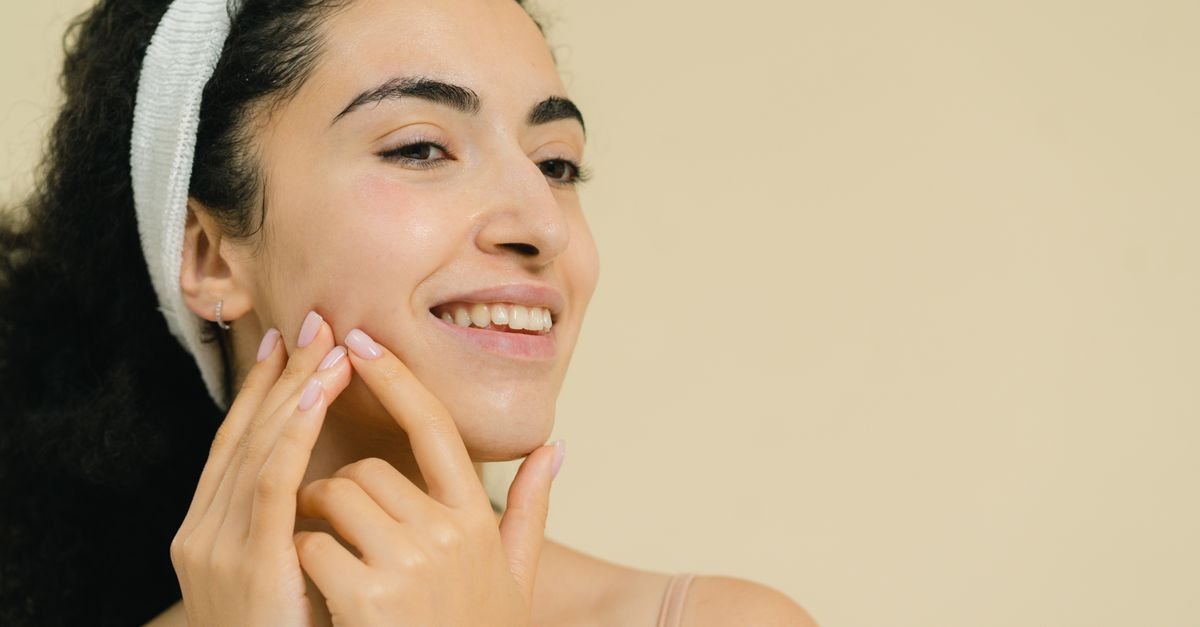
Facial appearance often changes noticeably during weight loss because the face carries fat that responds to overall body fat reduction, sometimes visibly earlier than other areas — this can mean a slimmer, more defined jawline and cheekbones, but it can also mean looseness or hollowing in some people, particularly with significant or rapid weight loss, or in older individuals with less skin elasticity.
I’m Yash Pathak, founder and lead trainer at FitStrot. Facial changes come up often, sometimes with excitement about a more defined look, sometimes with concern about looking “gaunt” or aged — both reactions are common and worth understanding before starting significant weight loss.
Why the Face Changes During Weight Loss
Like the rest of the body, facial fat responds to overall calorie deficit — as body fat percentage decreases, fat stored in the cheeks, jawline, and under the chin typically reduces too. Some people notice facial changes earlier and more dramatically than changes elsewhere in the body, which can make weight loss more visible in photos and video calls before other areas show comparable change.
Positive Changes People Often Notice
A more defined jawline as submental (under-chin) fat decreases, more visible cheekbone structure, reduced puffiness (partly from fat loss, partly from reduced water retention if diet quality also improves), and an overall more angular, structured facial appearance as fat decreases relative to bone structure.
Changes That Concern Some People
Hollowing or “gauntness.” Particularly with significant or rapid weight loss, some people feel their face looks more hollow or aged rather than simply slimmer — this is more common with faster weight loss and in people who didn’t have much facial fat to begin with.
Skin looseness. If weight loss is rapid, skin (which has less elasticity than muscle or fat) may not fully “catch up” to the new facial volume, creating a looser appearance, particularly around the jawline and under the eyes.
More visible fine lines. Facial fat provides some natural volume that can mask fine lines; as it decreases, some lines may become more visible, particularly in older individuals.
Factors That Influence How Your Face Changes
Rate of weight loss. Gradual weight loss (0.5-1kg per week) generally gives skin more time to adapt compared to rapid loss, which is more likely to result in a looser or hollowed appearance.
Age and skin elasticity. Younger skin generally has more elastin and collagen, adapting more readily to volume changes than older skin, which is why facial changes can look different at 25 versus 50, even with the same amount of weight lost.
Total amount of weight lost. More significant weight loss (20+ kg) is more likely to produce noticeable facial changes, sometimes including looseness, than moderate weight loss (5-10kg).
Genetics and baseline facial fat. Some people carry more facial fat than others at the same overall body weight, meaning the degree of visible change varies significantly between individuals losing similar amounts of weight.
What Can Help Manage These Changes
A gradual, moderate pace of weight loss gives skin more time to adapt, generally producing a better outcome for facial appearance than rapid loss.
Adequate protein and hydration support skin health and elasticity throughout the weight-loss process.
Facial exercises are sometimes suggested to tone facial muscles, though evidence for their effectiveness in changing facial fat or significantly improving skin tightness is limited — they’re low-risk to try but shouldn’t be relied upon as a primary strategy.
Strength training generally, which supports overall body composition and can indirectly support a more toned appearance, including facially, as muscle tone improves alongside fat loss.
When to Consider Professional Input
If facial looseness or hollowing is a significant concern after substantial weight loss, a dermatologist or cosmetic professional can discuss options (from skincare to procedures) suited to your specific situation — this is a personal decision based on your comfort with your results, not something everyone needs to address.
Setting Realistic Expectations
Facial changes during weight loss are highly individual — some people are thrilled with increased definition, others find the same degree of change less flattering than expected. Neither reaction is wrong, and it’s worth knowing this variability exists before pursuing significant weight loss primarily for facial appearance reasons, since the outcome isn’t fully predictable in advance.
Related Reading
Our face before and after weight loss and face weight loss exercises guides cover related aspects of this topic in more depth.
Why a Gradual, Well-Structured Plan Helps Here Too
A moderate, well-paced weight loss plan generally produces a better facial outcome than rapid, aggressive dieting, alongside all its other benefits for sustainability and health. An online weight loss trainer builds a pace and structure that supports good outcomes across your whole body, including the face.
Why Facial Changes Are Often the Last Thing People Notice in Themselves
Because we see our own faces daily, gradual facial slimming from weight loss is often much harder to notice in ourselves than in progress photos taken weeks apart — this is a normal perception gap, not a sign that nothing is changing. Comparing photos taken under similar lighting and angle every 3-4 weeks, rather than relying on the mirror day to day, gives a much clearer picture of actual facial change. Facial fat responds to the same overall calorie deficit driving weight loss elsewhere in the body — there’s no separate “face diet,” though staying well hydrated can reduce the puffiness that sometimes masks genuine progress.
The Timeline: What Your Face Actually Looks Like at Different Stages of Weight Loss
Clients ask me almost every week, “When will I actually see it in my face?” and the honest answer is that it happens in a fairly predictable sequence, even though the pace varies from person to person. In the first four to six weeks of a genuine calorie deficit, most of what changes in the face is water retention, not fat. You wake up looking a little less puffy around the eyes and jaw, especially if you’ve also cut down on salty snacks like namkeen or packaged chips alongside your calorie deficit. This early change convinces a lot of people that “it’s working,” but it’s mostly fluid, not fat loss.
Somewhere between eight and twelve weeks in, with consistent adherence, actual fat under the skin of the face starts to reduce meaningfully. This is usually the stage where the cheeks lose some of their fullness, the area under the chin firms up a bit, and the jawline starts to show more definition in photos, particularly side-angle ones where people tend to notice it first. By the time someone has lost around eight to ten percent of their starting body weight, the facial change is usually visible enough that friends and family comment on it unprompted, which is often a bigger confidence moment than the number on the scale.
Beyond that point, further face change slows down considerably even if body weight keeps dropping, because the face carries a comparatively small proportion of total body fat and most of the visible transformation has already happened. This is exactly why people sometimes feel their body is changing but their face has “plateaued” — it’s not stuck, it’s just that the remaining changes are smaller and more gradual from here.
Why the Same Weight Loss Looks Different Depending on Your Starting Skin and Age
I’ve trained people in their early twenties and people in their late forties who lost an almost identical percentage of body weight, and the way it showed up on their faces was noticeably different. Skin elasticity is the biggest reason. Younger skin has more collagen and elastin, so it tends to “shrink-wrap” back around the new, smaller facial structure fairly quickly. Skin in your forties and beyond, or skin that has been stretched by significant past weight gain, doesn’t snap back the same way, so the same fat loss can sometimes look slightly looser rather than purely sharper.
Sun exposure over the years plays a role too, which matters a lot in the Indian context given how much unprotected sun most of us get. Sun damage breaks down collagen over time, so two people the same age can have quite different skin resilience depending on how much sunscreen or sun protection they’ve used historically. Hydration status also affects how skin looks day to day during a weight loss phase — someone who is chronically under-hydrated can look more hollow or tired in the face even at a healthy body fat percentage, which sometimes gets mistaken for “too much” facial fat loss.
None of this means older skin or sun-exposed skin won’t show positive change — it absolutely does, just on a slightly different curve. What I tell clients in this situation is to focus on protein intake, adequate hydration, and not chasing an unnecessarily aggressive deficit, because slower, steadier fat loss genuinely gives skin more time to adjust than a crash approach does. If loose skin around the jaw or neck remains a real concern well after reaching a stable, healthy weight, that’s a reasonable point to discuss options with a dermatologist rather than trying to fix it through further weight loss.
Why Your Face Can Look Puffier Some Mornings Even While You’re Losing Weight
I get this message a lot from clients who are three or four weeks into their plan: I stepped on the scale and I’m down, but my face looks more swollen than last week, not less. It confuses people, and I understand why, because we tend to assume fat loss is a straight line and the face should just steadily get sharper day by day. It doesn’t work that way. What you’re seeing on a puffy morning is usually water sitting under the skin, not fat that came back. Sodium is the biggest driver of this in an Indian diet, and it’s sneaky because it isn’t always the obvious sources like papad or pickle. A restaurant sabzi, a packet of namkeen, even extra salt in dal at a wedding lunch can pull in noticeably more water than your body normally holds, and the face is one of the first places that shows it because the skin there is thin and closely follows the tissue underneath.
Sleep is the second big factor, and it’s one people underestimate. A single night of five hours or less changes cortisol and fluid balance enough that puffiness around the eyes and jawline is visible the next morning, even if your calories were perfectly on track the day before. Alcohol does something similar, dehydrating you first and then causing rebound water retention over the following one to two days. And if you menstruate, the week before your period is a well-documented time for facial and overall water retention, unrelated to anything you did wrong with your diet. None of these things mean your fat loss has stopped or reversed. They mean your body’s hydration status shifted for a day or two, and your face reflects that faster than your waist does.
The mistake I see most often is judging progress from a single morning mirror check, especially right after a heavy meal, a poor night’s sleep, or a salty dinner the evening before. That’s like judging your bank balance from one transaction instead of your monthly statement. What actually tells you the truth is a weekly comparison, taken at the same time of day, same lighting, same angle, ideally first thing in the morning before eating or drinking anything. When clients switch from daily mirror-checking to weekly photo comparison, the anxiety around this drops dramatically because the trend line is almost always moving in the right direction even when individual days look inconsistent.
If puffiness feels constant rather than occasional, it’s worth looking at your daily sodium intake honestly, checking whether you’re getting seven hours of sleep consistently, and cutting back on late-night salty snacking, which tends to show up most clearly the next morning. But an occasional puffy day in the middle of an otherwise well-run plan isn’t a setback worth worrying about. It’s just water, and it settles on its own within a day or two once your intake and sleep normalize.
Frequently Asked Questions
Does everyone’s face change the same way during weight loss?
No — facial changes vary significantly based on rate of weight loss, age, skin elasticity, genetics, and how much weight is lost, meaning outcomes differ considerably between individuals even at similar weight-loss amounts.
Can rapid weight loss make my face look older or more hollow?
Yes, this is more likely with rapid weight loss, since skin has less time to adapt to changing facial volume — a gradual, moderate pace generally produces a better facial outcome.
Do facial exercises actually change facial fat or shape?
Evidence is limited for facial exercises producing significant fat reduction or skin tightening — they’re low-risk to try but shouldn’t be relied upon as a primary strategy for facial changes during weight loss.
How much weight loss is needed before facial changes become noticeable?
This varies by individual, but many people notice some facial change with as little as 5kg of weight loss, with more significant changes typically appearing after 10kg or more.
Ready for a Gradual, Well-Paced Weight Loss Plan?
A FitStrot online weight loss trainer builds a pace that supports good outcomes throughout your body, including facial appearance, rather than rushing toward rapid results.