Most added sugar in an average Indian diet doesn’t come from the sugar bowl or a box of sweets — it comes from foods that look healthy on the front of the pack. Flavored yogurt, “digestive” biscuits, breakfast cereal, granola, pasta sauce, salad dressing, and ketchup routinely carry 4 to 12 grams of added sugar per serving, hidden behind ingredient names like maltodextrin, fruit juice concentrate, and rice syrup solids. The only reliable way to catch it is to flip the pack over and read the ingredient list, not the front label. Below is a practical, food-by-food breakdown of where hidden sugar tends to hide, plus exactly how to read an Indian nutrition label so you stop being fooled by “no added sugar” claims that still contain fruit concentrate or honey.
Why does hidden sugar matter more than obvious sugar?
Obvious sugar — a spoon in your chai, a piece of mithai, a cold drink — is easy to track because you consciously choose to eat it. Hidden sugar is different: it’s added to savory and “health” foods to improve taste, texture, and shelf life, and most people never account for it when totaling daily intake. Research on packaged food composition has repeatedly found that added sugar shows up in the majority of supermarket products, including items with zero sweet taste, like bread, pasta sauce, and salad dressing. Because these grams are invisible unless you read the label, they accumulate quietly — a spoon of ketchup here, a granola bar there, a bowl of flavored yogurt at breakfast — and can push you well past recommended limits without a single dessert in sight. Understanding how sugar affects the body makes clear why this quiet accumulation matters: it’s not just about calories, it’s about insulin spikes, energy crashes, and long-term metabolic load.
Which “healthy” breakfast foods actually carry the most hidden sugar?
Breakfast is where hidden sugar concentrates the most, largely because breakfast foods are marketed on health halos — “high fiber,” “made with real fruit,” “no maida.”
Flavored yogurt
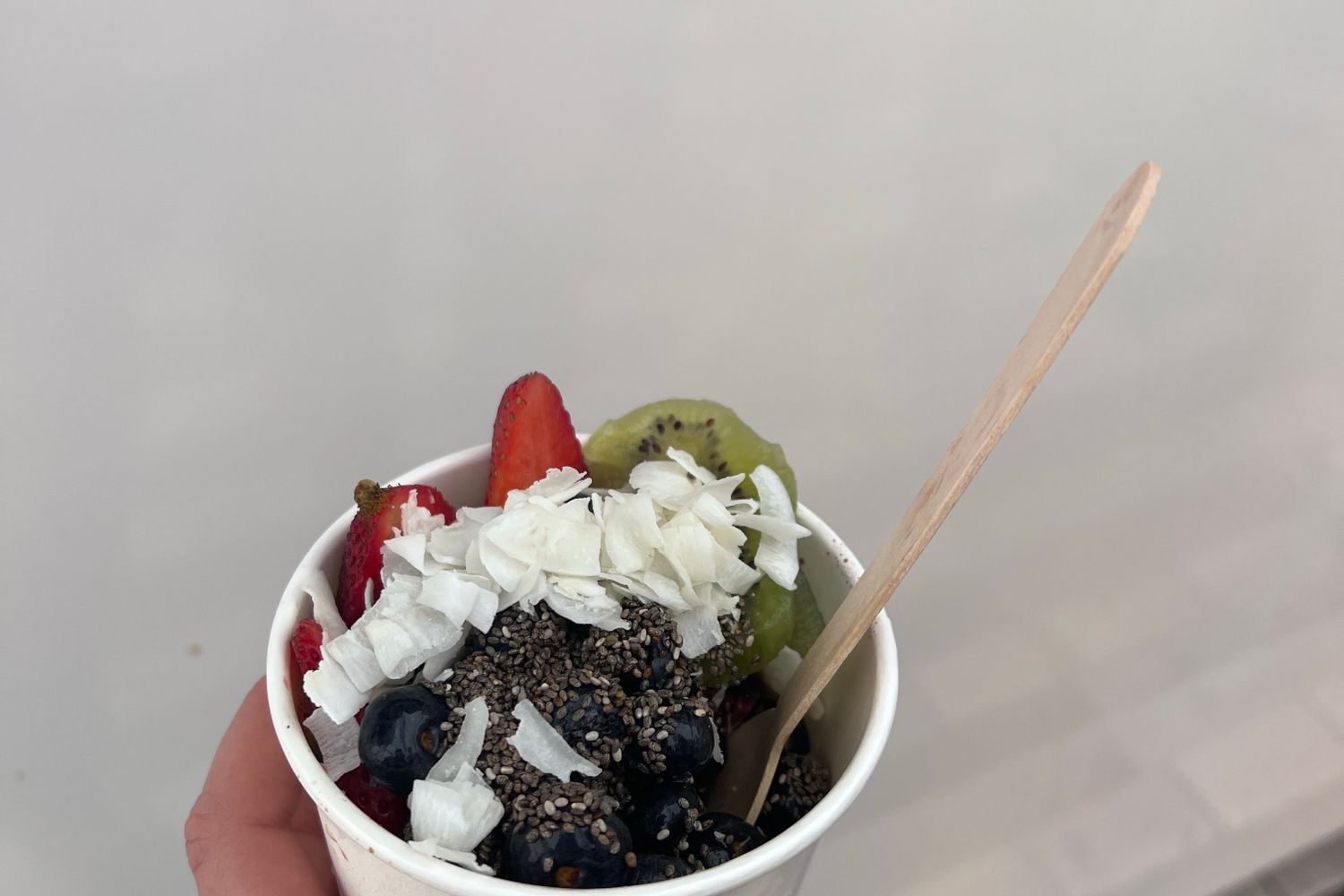
Plain yogurt has no added sugar at all — the sugar you see on a plain yogurt label is naturally occurring lactose. Flavored and fruit-bottom yogurts are a different story. Low-fat flavored yogurt commonly contains 17 to 33 grams of sugar per 200g serving, and some popular flavored brands carry close to 29 grams (about 7 teaspoons) in a single cup. That’s more sugar than many desserts. The fix is simple: buy plain or Greek yogurt and add your own fruit.
Granola and muesli
Granola looks like a whole-grain health food, but the clusters that make it crunchy are usually held together with sugar syrup, honey, or jaggery. Many “healthy” granola and muesli packs carry 12 to 20 grams of sugar per 40-50g serving once you total the sugar, honey, dried fruit, and syrup used to bind it. Muesli with added dried fruit and chocolate pieces can be just as sweet as sugary cereal, just marketed differently.
Flavored oats and instant oatmeal sachets
Plain rolled oats are essentially sugar-free. Flavored instant oat sachets — the “masala,” “chocolate,” or “fruit and nut” varieties sold as quick breakfasts — often add sugar as the second or third ingredient. A single sachet can carry 6 to 10 grams of added sugar, on top of any sugar in the accompanying milk.
Breakfast cereals
Cereals marketed toward adults and positioned as “high fiber” or “heart healthy” aren’t automatically low sugar. Many corn flake and wheat flake variants carry 8 to 15 grams of sugar per 30-40g bowl, and chocolate or honey-coated versions marketed to children run considerably higher. Checking the nutrition table per serving, not per 100g, gives a more honest picture of what actually lands in your bowl — and pairing that bowl with a spike-then-crash pattern is one of the clearer signs you are eating too much sugar at breakfast specifically.
Which savory foods hide sugar where you’d never expect it?
This is the category that catches even careful eaters off guard, because nobody thinks to check a ketchup bottle or a jar of pasta sauce for sugar the way they’d check a dessert.
Ketchup and packaged sauces
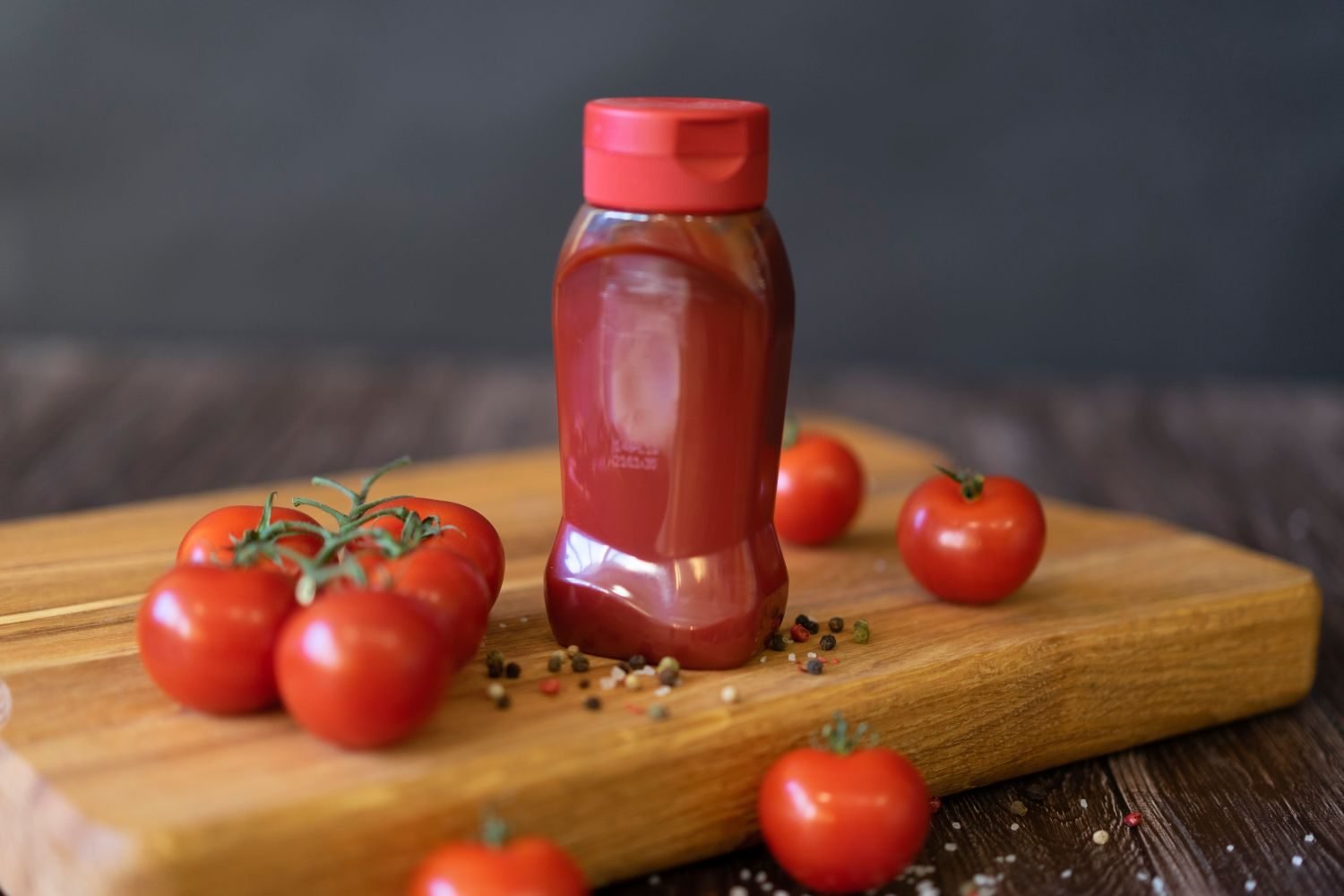
Tomato ketchup is one of the most sugar-dense condiments on the shelf gram for gram — a typical tablespoon serving can carry 4-5 grams of sugar, meaning sugar makes up nearly a quarter of the product’s weight. Because it’s used in small spoonfuls, people rarely question it, but frequent use across meals adds up fast.
Pasta sauce and pizza sauce
A jar of ready-made pasta or pizza sauce commonly contains 6 to 12 grams of sugar per half-cup serving, added to balance the acidity of tomatoes. Compare labels across brands — the variation between a “no added sugar” sauce and a standard one can be the difference of a full teaspoon per serving.
Salad dressings
Ironically, the dressing on a “healthy” salad can carry more sugar than the salad has natural nutrients to offset. Fat-free and low-fat dressings are frequent offenders because sugar is used to replace the mouthfeel lost when fat is removed — some fat-free vinaigrettes carry as much as 11-14 grams of sugar in a two-tablespoon serving. Vinaigrettes, Thousand Island, and honey-mustard varieties tend to run higher than plain olive oil-based dressings.
Protein and energy bars
Marketed as a fitness food, many protein bars use glucose syrup, brown rice syrup, or dates plus chocolate coating to hit taste targets, landing at 12 to 20 grams of sugar per bar — not far off from a candy bar’s sugar content. Read the label the same way you would a dessert wrapper; “high protein” doesn’t imply “low sugar.”
Packaged fruit juice vs. whole fruit
A 200ml glass of packaged fruit juice can contain 20-26 grams of sugar, most of it free sugar released when fruit is juiced and stripped of its fiber. Whole fruit delivers similar or lower total sugar alongside fiber that slows absorption, which is why nutrition guidance consistently favors the whole fruit over the juice. This distinction connects directly to glycemic index and glycemic load — juice spikes blood sugar far faster than the fruit it came from.
How many names does sugar actually go by on an ingredient list?
This is the single biggest reason hidden sugar stays hidden: manufacturers aren’t required to write “sugar” — they can choose from a long list of technical names, and food companies frequently use two or three different sugar sources in one product so that none of them individually rank as the first ingredient by weight. Nutrition researchers have catalogued more than 50 different names sugar can appear under on a label. The most common ones to watch for include:
- Words ending in “-ose”: sucrose, glucose, fructose, maltose, dextrose, lactose (lactose in plain dairy is natural, but in a processed food it’s often added)
- Syrups: corn syrup, high-fructose corn syrup, rice syrup, malt syrup, golden syrup, maple syrup, invert syrup
- Juice-based sugar: fruit juice concentrate, concentrated juice, evaporated cane juice
- Traditional and “natural” sweeteners: honey, jaggery (gur), molasses, agave nectar, date syrup, coconut sugar
- Starch and malt derivatives: maltodextrin, barley malt, malt extract
- Other technical terms: panela, treacle, caramel, diastatic malt, ethyl maltol
The practical rule: if two or three of these appear anywhere in the first five ingredients, the product carries meaningfully more added sugar than the front label’s health claims suggest. A single “sugar” listed fourth might look modest, but “sugar, glucose syrup, and honey” scattered across positions three, six, and nine can add up to more total sugar than if it were listed plainly as one ingredient — a formulation trick that also explains why some “no added sugar” products still trigger cravings the same way regular sweets do. If you’re trying to retrain your palate away from needing that sweetness, our guide on how to beat sugar cravings covers the adjustment period in more detail.
How do you read an Indian packaged food label for hidden sugar?
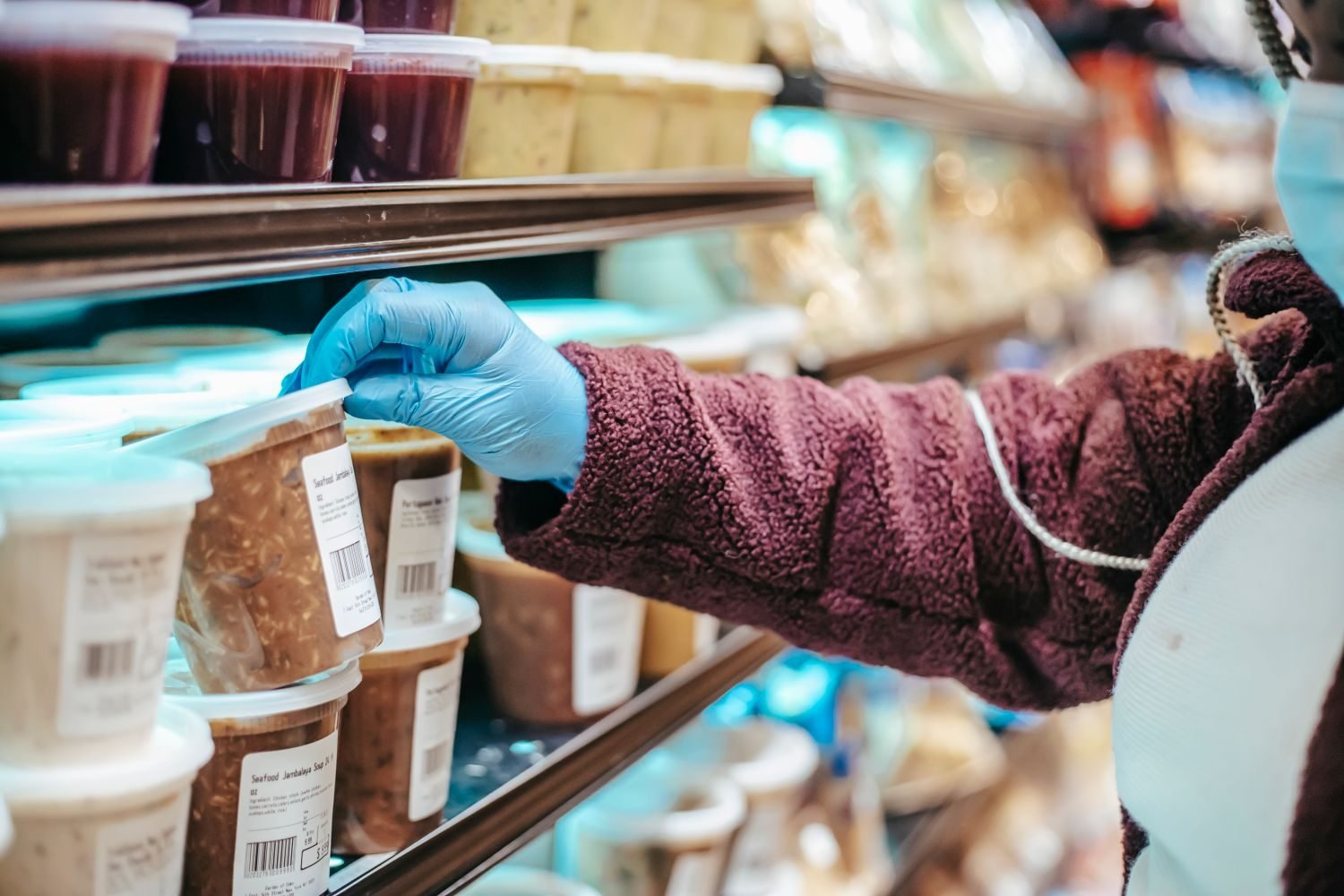
Under current FSSAI rules, packaged foods in India must carry a nutrition information table listing total carbohydrates and, in most cases, sugar content per 100g/100ml and per serving — but a single combined “sugar” figure doesn’t distinguish between naturally occurring sugar (like lactose in milk or fructose in whole fruit) and added sugar. That distinction is one of the reasons India’s Supreme Court has directed FSSAI to move forward on front-of-pack labelling (FOPNL), and a parliamentary standing committee has specifically pushed for mandatory front-of-pack disclosure of added sugar in grams for foods marketed to children, along with what percentage of a child’s daily energy needs that sugar represents. As of mid-2026, FSSAI has indicated it is finalising a tabular or pictorial warning format for foods high in fat, sugar, and salt (HFSS), with manufacturers expected to prepare for rollout through 2026-27. Until that system is fully in force, the label-reading burden sits with the consumer. Three checks make this manageable:
- Check the ingredient list, not the front claim. “No added sugar” can still legally apply to a product sweetened with fruit juice concentrate — technically not “sugar,” but metabolically similar.
- Compare sugar per serving, not per 100g. A pack listing 100g values can look deceptively low if the actual serving size is 30-40g; scale the numbers to what you’ll realistically eat.
- Scan for repeated sugar sources. One sugar-type ingredient is normal. Three or more, especially in the first half of the list, signals a product engineered to taste sweeter than the label implies.
What are practical swaps to cut hidden sugar without overhauling your diet?
You don’t need to eliminate every packaged food — small, specific swaps reduce hidden sugar intake more sustainably than an all-or-nothing approach.
- Plain yogurt + fresh fruit instead of flavored yogurt cups
- Plain rolled oats with cinnamon or nuts instead of flavored instant oat sachets
- Homemade or olive oil-and-lemon dressing instead of bottled fat-free dressing
- Whole fruit instead of packaged or fresh-squeezed juice
- Roasted chana, nuts, or a boiled egg instead of a protein bar for a quick snack
- Tomato puree with your own herbs and salt instead of ready-made pasta sauce, when time allows
If you’re not sure which swap moves the needle most for your situation, start with whichever food you eat daily — a habit swap on a daily breakfast item outweighs an occasional one on a weekend indulgence. And if you’d rather keep some sweetness without the added sugar load, it’s worth exploring healthy sugar substitutes and natural sweeteners as a middle ground.
Frequently Asked Questions
Is “no added sugar” on a label always trustworthy?
Not entirely. “No added sugar” typically means no table sugar or syrup was added during processing, but the product can still contain fruit juice concentrate, dates, or honey, which act metabolically like added sugar. Always check the ingredient list and the sugar line in the nutrition table, not just the front claim.
Does natural sugar in fruit count the same as added sugar?
No. Naturally occurring sugar in whole fruit comes packaged with fiber, water, and micronutrients that slow absorption and support fullness. Added sugar — even from “natural” sources like honey or fruit concentrate once extracted and concentrated — lacks that fiber matrix and is absorbed much faster, a difference you can see reflected in glycemic index and glycemic load values for juice versus whole fruit.
Which single food group contributes the most hidden sugar in a typical Indian diet?
Breakfast items — flavored yogurt, cereal, granola, and biscuits — tend to be the biggest contributors because they’re eaten daily and marketed heavily on health claims. Beverages, including juices and flavored drinks, are a close second, and both are worth reviewing if you’re already noticing signs you are eating too much sugar day to day.
How much added sugar per day is considered reasonable?
Global health bodies commonly reference keeping added sugar under about 10% of total daily calories, with further benefit below 5%. For a typical 2,000-calorie diet, that works out to roughly 50g as an upper limit and closer to 25g as the more protective target — figures worth keeping in mind while comparing label numbers.
Can I trust the sugar number on an Indian nutrition label as “added sugar”?
Currently, most Indian packaged food labels list total sugar, not a separate added sugar figure, so the number includes both natural and added sugar combined. Front-of-pack labelling rules that would require clearer added-sugar disclosure are still being finalised by FSSAI, so reading the ingredient list remains the most reliable method for now.
Hidden sugar adds up fastest in the foods you never think to question — the yogurt, the sauce, the “healthy” granola. Once you know the names sugar hides behind and where to look on the pack, cutting it down becomes a label-reading habit rather than a diet overhaul. If you want a plan tailored to your specific eating pattern and goals, an online nutritionist consultation can help you build one.