The strongest evidence points to a Mediterranean-style eating pattern — rich in vegetables, fruit, whole grains, legumes, fish, and olive oil, lower in red meat and sugar-sweetened drinks — as the pattern most consistently linked to better fertility outcomes for both partners. Add 400 micrograms of folic acid daily before conception, prioritize healthy fats over trans fats, and know diet is one factor among many, not a guarantee. If you’ve been trying to conceive for 12 months (or 6 months if you’re over 35) without success, talk to a fertility specialist rather than relying on diet changes alone.
One theme keeps surfacing in fertility nutrition research: what you eat matters less as a list of “superfoods” and more as an overall pattern, sustained over months. This guide covers what the research actually supports, what’s still a myth, and how to build a realistic plate — for women and men both.

What does the research say about diet and fertility?
The most cited body of work comes from Harvard T.H. Chan School of Public Health, where researchers Jorge Chavarro and Walter Willett analyzed dietary data from more than 18,000 women in the Nurses’ Health Study who were trying to conceive. Their findings, published as “The Fertility Diet,” linked a pattern of higher plant protein, healthy fats, whole grains, and plant-based iron with lower rates of ovulatory infertility. Research since then has focused increasingly on the Mediterranean diet — vegetables, fruit, legumes, nuts, olive oil, and fish, with less red and processed meat.
A 2023 systematic review and meta-analysis in the American Journal of Obstetrics & Gynecology found that higher adherence to a Mediterranean-style diet was associated with improved clinical pregnancy rates and live birth rates in several studies, along with better embryo yield and ovarian response in others. Not every study agreed — a few found no significant link to IVF success specifically — but the overall pattern is that this style of eating supports, rather than harms, reproductive health. The American Society for Reproductive Medicine reflects this in its 2022 committee opinion, recommending a “health-conscious, low-processed” pattern with more vegetables, whole grains, nuts, legumes, and omega-3 fats, and less sugar-sweetened beverages, processed meat, and trans fat. These are observational studies: they show people who eat this way tend to have better outcomes on average, not that any single meal causes pregnancy.
Does folate really make a difference before pregnancy?
Yes — folate is the nutrient with the strongest, most well-established evidence, and it matters before conception, not just after. The CDC recommends that all women of reproductive age get 400 micrograms of folic acid daily, in addition to folate from food, because periconceptional supplementation can prevent 50% or more of neural tube defects such as spina bifida. These defects develop in the first few weeks after conception, often before a person knows they’re pregnant, which is why the recommendation starts before actively trying rather than after a positive test.
Women who have previously had a pregnancy affected by a neural tube defect are advised by the CDC to increase intake to 4,000 micrograms daily, starting at least one month before conception — a higher dose that should be guided by a doctor, not self-directed. Good food sources of folate include lentils, spinach, asparagus, and fortified grains, though most guidelines still recommend a supplement to reliably hit the target. For more on how nutrient needs shift once you conceive, see our article on pregnancy nutrition.
What should men eat to support sperm health?
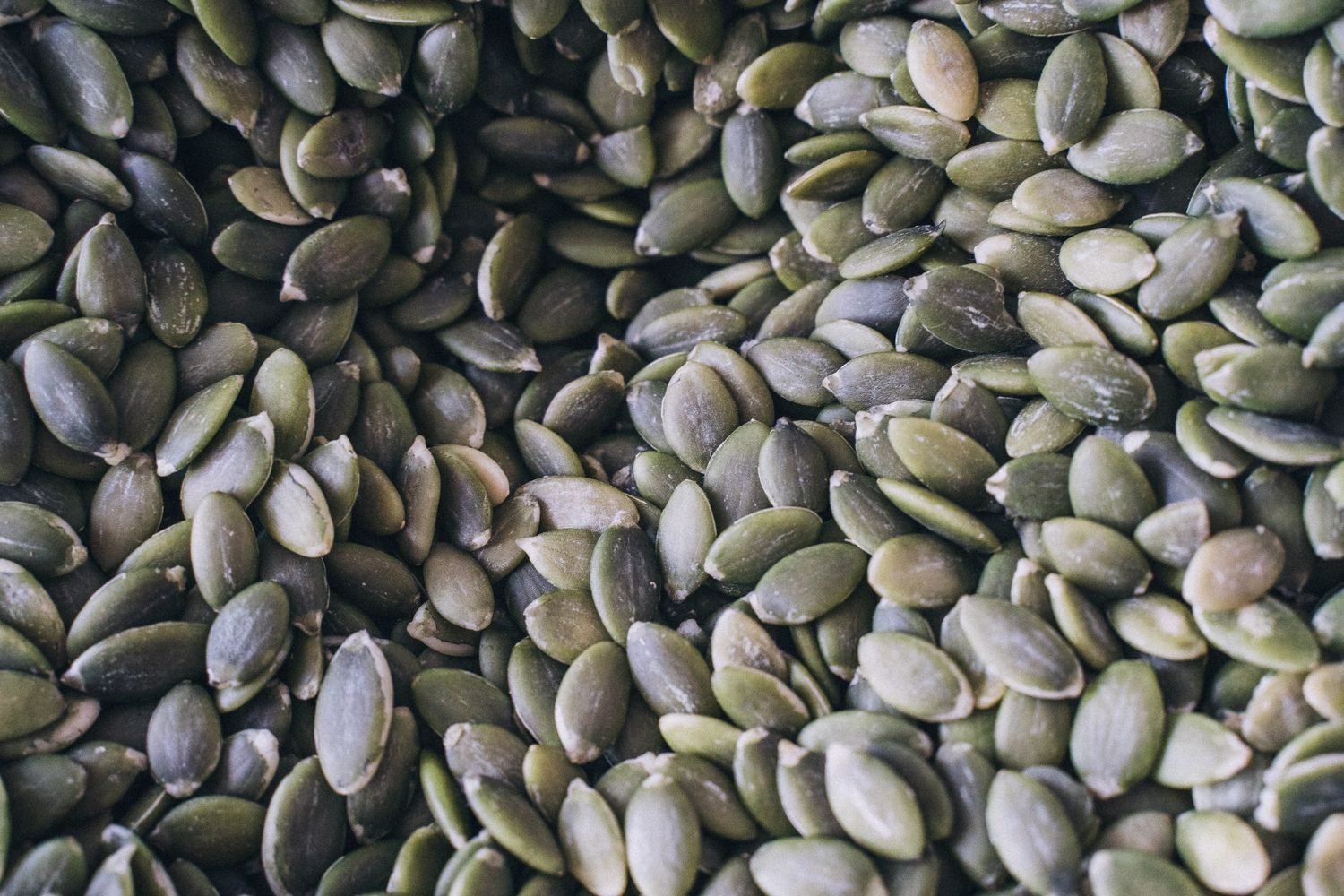
Fertility nutrition is often framed as a women’s issue, but male factors contribute to roughly 40-50% of infertility cases, and sperm cells are highly sensitive to diet because they take about 74 days to mature. A study of 900 men with varicocele found that higher dietary intake of antioxidant nutrients, including zinc, vitamin C, and vitamin E, was associated with better sperm concentration and motility. Zinc is especially important: the body can’t store useful reserves, so regular intake through food (oysters, beef, pumpkin seeds, chickpeas) supports normal spermatogenesis and testosterone levels.
Broader research also points to selenium, omega-3 fatty acids, CoQ10, and carnitine as nutrients that can beneficially modulate sperm quality. But more isn’t automatically better: excessive antioxidant supplementation may actually be detrimental to sperm function, and many over-the-counter fertility supplements lack strong evidence behind their claims. Build antioxidant-rich foods into regular meals rather than stacking high-dose pills — fish, nuts, colorful vegetables, and whole grains cover most of these bases at once, which is part of why the Mediterranean-style pattern shows up in both female and male fertility research. Our piece on protein and nutrition is a useful companion for balancing protein sources.
How much do caffeine and alcohol actually affect your chances?
These two get treated as equally risky, but the evidence doesn’t support that. Most studies find that low to moderate caffeine intake — roughly up to 200-300 mg per day, about one to two cups of coffee — doesn’t meaningfully reduce the chances of conceiving. Intake consistently above 300-400 mg daily is where research starts to show a link to lower conception rates, so moderation, not elimination, is the practical guidance. There’s no strong evidence caffeine affects male fertility specifically.
Alcohol is a different story. Research has found that even moderate consumption — three to six drinks per week — was associated with meaningfully lower odds of conceiving during a given cycle in some study populations, and current guidance holds there’s no established “safe” threshold while trying to conceive. Alcohol can interfere with ovulation in women and lower testosterone in men. One study found that when both partners cut back together, the couple’s chance of conception rose by 28% compared to when only one partner changed habits — a reminder this is a two-person effort.
What are the biggest fertility nutrition myths to ignore?
A few claims circulate constantly in fertility forums and deserve a reality check:
- “Cutting out all carbs boosts fertility.” The research favors whole grains over low-carb extremes; it’s refined carbs and added sugar, not carbohydrates as a category, that show weaker associations with fertility outcomes.
- “Fertility superfoods can override everything else.” No single food — not pineapple core, not maca — has evidence anywhere near as strong as the overall dietary pattern. Consistency over months matters more than any ingredient.
- “Full-fat dairy is universally bad.” Research tied to the Nurses’ Health Study actually associated low-fat dairy with higher rates of ovulatory infertility compared with full-fat dairy — the opposite of typical diet advice, though this remains an area of ongoing study.
- “Supplements can substitute for a poor diet.” Isolated high-dose antioxidant or fertility supplements haven’t shown the same benefit as nutrients from food, and some may do more harm than good at excessive doses.
If you’re rebuilding your everyday plate around these principles, our guide on women’s nutrition breaks down how to structure meals for hormonal and reproductive health, and our overview of nutritional needs is a useful starting reference.
How should you actually build a fertility-friendly plate?
Rather than chasing individual nutrients, aim for a plate that mirrors the Mediterranean pattern most of the research points to:
- Fill half the plate with vegetables and fruit — a mix of colors provides the antioxidant variety (vitamin C, vitamin E, folate) linked to better outcomes for both partners.
- Choose whole grains over refined ones — oats, quinoa, and brown rice instead of white bread, to support stable blood sugar and insulin sensitivity, which affects ovulation.
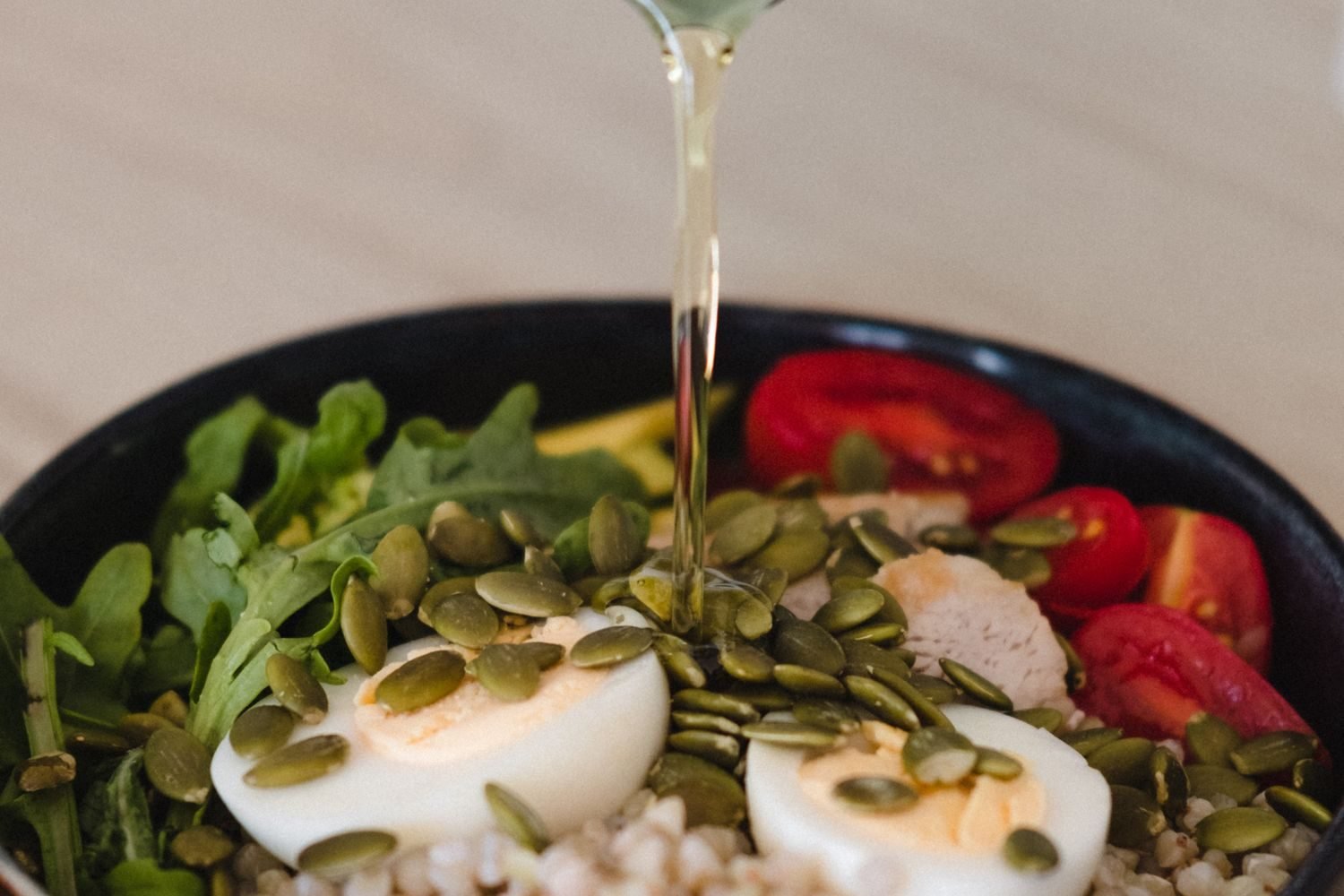
- Prioritize healthy fats — olive oil, nuts, seeds, and fatty fish like salmon for omega-3s, while minimizing trans fats found in fried and processed foods.
- Include plant and lean animal protein — legumes, beans, poultry, and fish; higher plant-protein intake is linked to lower ovulatory infertility risk in several studies.
- Limit sugar-sweetened beverages and processed meat — both flagged in ASRM’s guidance as items to reduce, not eliminate entirely.
- Take a prenatal vitamin with 400 mcg folic acid — starting before actively trying, since it takes time to build adequate stores.
Weight plays a documented role too: ASRM notes that both very low and very high body weight can disrupt ovulation and hormone regulation, so working toward a stable weight — not a crash diet — supports fertility more than any single food choice.
What are realistic expectations for diet and fertility?
Diet is one modifiable factor among many — age, underlying medical conditions, hormonal health, sperm quality, and genetics all play a role that food choices can’t override. Research associates healthier eating patterns with somewhat better odds of conceiving and somewhat better outcomes in fertility treatment, but it doesn’t show that diet alone determines whether or when someone conceives, and it isn’t a substitute for medical evaluation. If you’ve been trying to conceive for a year without success (or six months if you’re 35 or older), or you have a known condition like PCOS or endometriosis, the right next step is a fertility specialist — not a stricter diet. Nutrition works best as one part of a broader plan, alongside medical care, not a replacement for it. If you’re already pregnant or building toward it, our article on nutrition for pregnant women and our guide to pregnancy nutrition pick up where preconception planning leaves off.
Frequently Asked Questions
How long before trying to conceive should we start changing our diet?
Aim for at least three months, since egg maturation and the roughly 74-day sperm production cycle mean current dietary patterns affect cells not yet used. Starting folic acid supplementation at least one month before conception is the specific minimum recommended by the CDC.
Can men’s diet really affect fertility as much as women’s?
Male factors contribute to about 40-50% of infertility cases, and sperm quality responds measurably to diet, particularly antioxidant intake and reduced alcohol use. Couples where both partners improve habits together see notably better conception odds than when only one partner changes.
Is it safe to have coffee while trying to conceive?
Most research finds moderate caffeine intake, around 200 mg daily (roughly one to two cups of coffee), isn’t associated with meaningfully reduced fertility. Consistently exceeding 300-400 mg daily is where studies start showing lower conception rates, so moderation is the typical guidance.
If our diet is already healthy, why aren’t we conceiving?
Diet is only one factor in fertility, alongside age, hormonal health, sperm and egg quality, and underlying medical conditions that food choices can’t change. A healthy diet doesn’t rule out issues like ovulatory disorders or male-factor infertility, so a fertility specialist evaluation is the right next step if conception hasn’t happened within the typical timeframe.
Building sustainable eating habits during preconception can feel like a lot to figure out alone, especially alongside everything else trying to conceive involves. If you’d like a plan tailored to your health history and goals, an online nutritionist consultation can help you turn this research into a realistic day-to-day routine.