No food contains actual estrogen, and no amount of soy, flaxseed, or chickpeas will raise your estrogen levels the way hormone therapy does. What these foods contain are phytoestrogens — plant compounds that loosely resemble estrogen and can weakly bind to estrogen receptors in your body. The best-studied of these, soy isoflavones, have been linked in meta-analyses to roughly a 20% reduction in hot flash frequency, which is real but modest compared to hormone therapy. If you’ve searched for “estrogen rich foods for menopause,” the honest answer is that you’re really looking for phytoestrogen-rich foods, and the evidence for how much they help is more nuanced than most headlines suggest.
This guide covers what phytoestrogens actually do, which foods have the strongest research behind them, and how to add them to your diet without believing you can supplement your way back to premenopausal hormone levels.
What Are Phytoestrogens, and Why Aren’t They the Same as Estrogen?
Phytoestrogens are plant compounds — mainly isoflavones (in soy and other legumes) and lignans (in flaxseed and whole grains) — that share a structural similarity to 17β-estradiol, the primary estrogen your ovaries produced before menopause. That resemblance lets them bind to estrogen receptors, particularly estrogen receptor beta (ERβ), found in the brain, blood vessels, and other tissues involved in temperature regulation. But binding to a receptor isn’t the same as activating it the way your own estrogen did.
Researchers describe phytoestrogens as behaving somewhat like “selective estrogen receptor modulators” — producing a mild estrogenic effect in some tissues and a mild anti-estrogenic one in others, depending on your existing hormone levels. This is a fundamentally different mechanism than hormone replacement therapy (HRT), which delivers estrogen directly. Eating more soy or flaxseed will not “add estrogen” to your bloodstream or reverse menopause’s hormonal decline — what it may do is gently nudge estrogen-sensitive processes, like the brain’s temperature control center, enough to ease some symptoms for some women. For the full picture of nutrition options, our best diet plan for menopause guide puts phytoestrogens in context.
Do Soy Isoflavones Actually Reduce Hot Flashes?
Soy isoflavones have the strongest, most consistent evidence base of any phytoestrogen source, though “strongest” still means modest, not dramatic. A meta-analysis pooling 36 studies found that menopausal women consuming 30–80 mg of soy isoflavones daily experienced about 21% fewer hot flashes and roughly 26% less severe ones compared to placebo — meaningful for some, but well short of the 75-90% reduction typically seen with hormone therapy.
The North American Menopause Society (NAMS) takes a carefully qualified position: soy-derived isoflavones show modest effectiveness for some menopausal symptoms, but comparing across studies is difficult because trials vary in the type of soy used (whole food versus isolated extracts), dose, and follow-up length. Some individual trials show little to no benefit over placebo, which is part of the honest evidence picture.
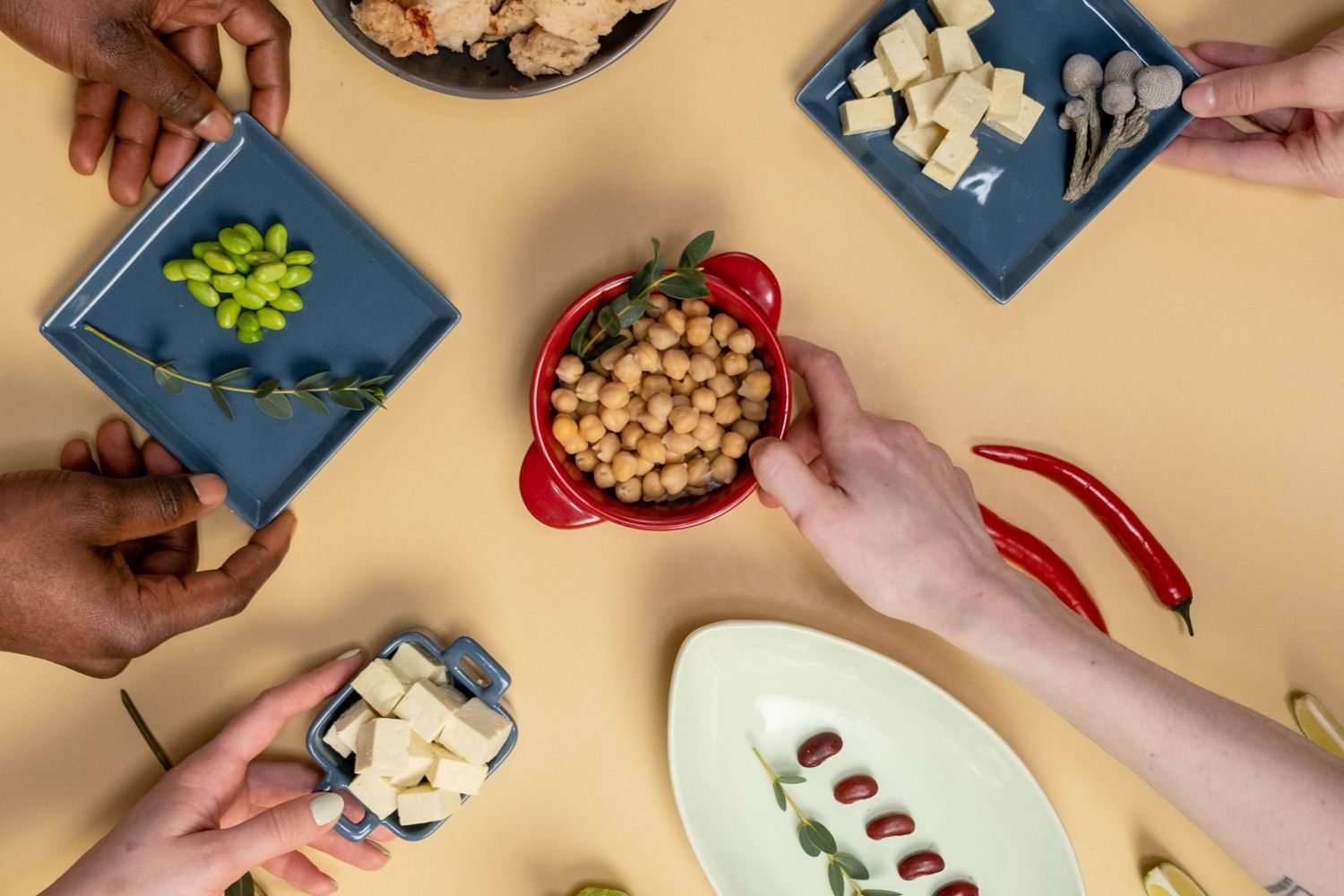
Two other factors matter. About 30-50% of people can convert the soy isoflavone daidzein into a more potent compound called equol, thanks to specific gut bacteria — “equol producers” may see more benefit than non-producers, which could explain some study-to-study inconsistency. And whole foods, not isolated extracts, have the most reassuring safety data: edamame, tofu, tempeh, and soy milk deliver isoflavones alongside protein and fiber, a different exposure than concentrated supplements.
A reasonable target based on the research is 1-2 servings of whole soy foods daily (roughly 25-50 mg of isoflavones) — ½ cup edamame (~15-20 mg), ½ cup tofu (~20 mg), 1 cup soy milk (~10 mg), or ½ cup tempeh (~20-30 mg). For building this into a full eating pattern, see our perimenopause diet and nutrition guide.
Broken out by food, that looks like this:
| Soy Food | Serving Size | Isoflavones |
|---|---|---|
| Edamame | ½ cup | ~15–20 mg |
| Tofu | ½ cup | ~20 mg |
| Soy milk | 1 cup | ~10 mg |
| Tempeh | ½ cup | ~20–30 mg |
Is Soy Safe If You Have a History of Breast Cancer?
This question generates the most confusion, so it deserves a direct answer. For years, women were told to avoid soy entirely because isoflavones are “estrogen-like” and certain breast cancers are estrogen-receptor-positive. Newer research has softened that blanket advice. The American Cancer Society states that current evidence does not suggest consuming soy foods has adverse effects on breast cancer recurrence or survival, and organizations including the American Institute for Cancer Research have reached similar conclusions for moderate intake of whole soy foods (about 1-2 servings daily).
That said, the evidence is notably less reassuring for concentrated isoflavone supplements — pills or powders with isolated, high-dose extracts — as opposed to whole foods like tofu or edamame. Researchers generally advise against high-dose supplements for women at high risk of hormone-sensitive cancers or with a personal history of one.
If you have a personal or strong family history of breast cancer or another hormone-sensitive condition, talk to your oncologist or doctor before significantly increasing your intake of soy, flaxseed, or any phytoestrogen-rich food or supplement — especially concentrated supplements, where dose and form matter a great deal. Your care team can weigh your specific cancer type, receptor status, and treatment history in a way general guidance can’t.
How Strong Is the Evidence for Flaxseed and Lignans?
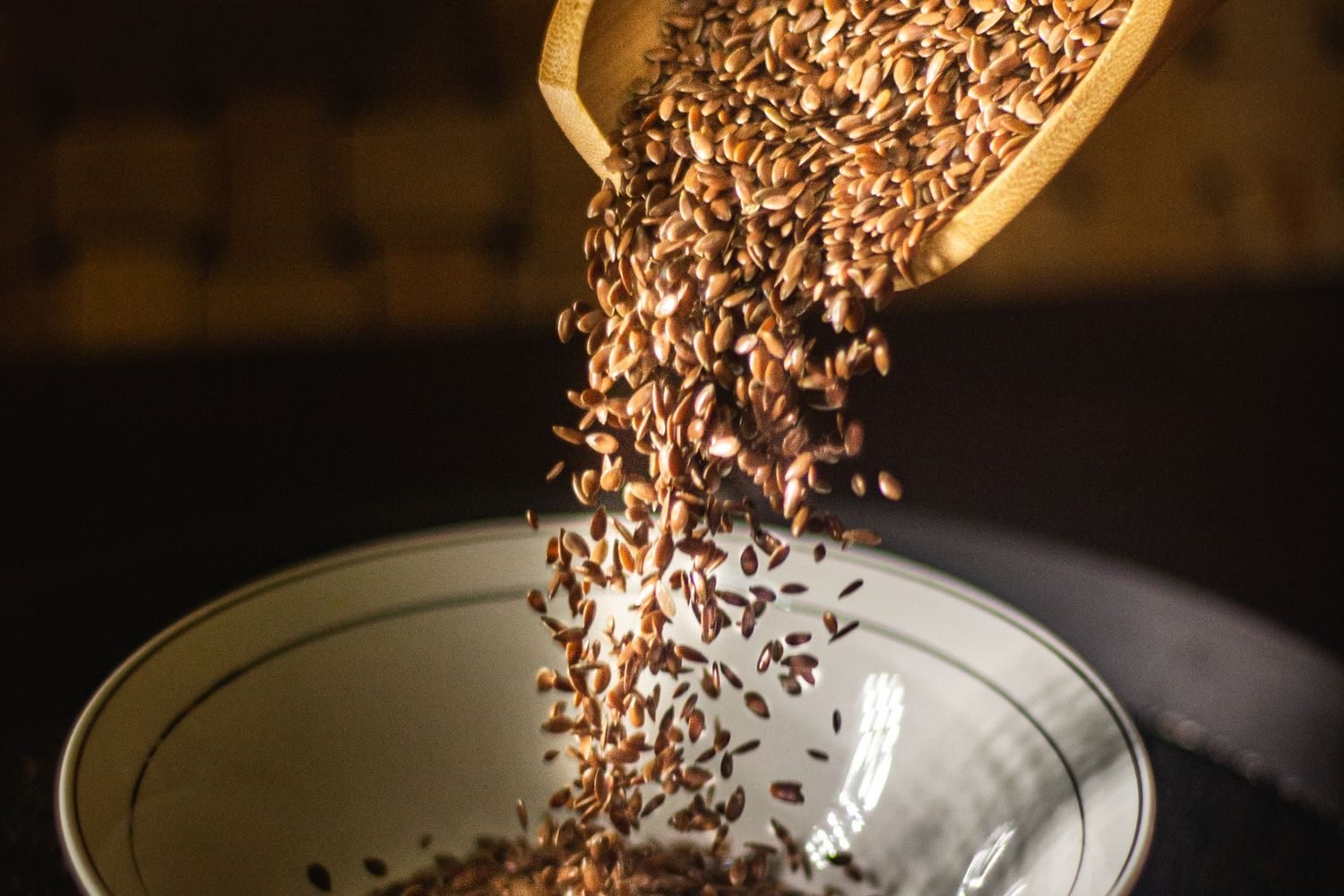
Flaxseed is the richest dietary source of lignans, which gut bacteria convert into compounds called enterodiol and enterolactone, with weak estrogenic and anti-estrogenic activity. The research here is genuinely mixed, and it’s worth being upfront rather than cherry-picking the positive trials.
Some smaller studies are encouraging — one pilot study found hot flash scores dropped by more than half over six weeks, with daily hot flashes falling from about 7.3 to 3.6. But larger, more rigorous trials tell a different story: a phase III, randomized, placebo-controlled trial found flaxseed did not significantly outperform placebo for hot flash relief, and a separate double-blind study of soy and flaxseed muffins found neither ingredient meaningfully improved menopause-specific quality of life or hot flashes. A systematic review summarizing this research concluded flaxseed showed a trend toward benefit for hot flash frequency and intensity, but the effect did not reach statistical significance.
In plain terms: flaxseed is nutritious and offers real benefits for fiber intake and heart health, but the case for it as a targeted hot flash treatment is weaker than the case for soy. It’s still reasonable to include for its broader nutritional profile — use ground, not whole, flaxseed (whole seeds often pass through undigested), starting with 1-2 tablespoons daily in oatmeal, yogurt, or smoothies, stored in the fridge or freezer since it oxidizes quickly.
What Other Foods Contain Phytoestrogens?
Soy and flaxseed get most of the research attention, but phytoestrogens appear in smaller amounts across everyday foods. None have soy’s volume of clinical trial data, but they contribute to overall dietary phytoestrogen intake and offer other nutritional benefits regardless of menopause symptoms.
- Chickpeas and lentils: Isoflavones (less than soy) plus fiber and plant protein that support satiety and blood sugar stability.
- Sesame seeds: A notable lignan source, similar to flaxseed, often used in tahini.
- Whole grains (oats, barley, rye): Smaller amounts of lignans as part of a fiber-rich diet.
- Dried apricots and prunes: Modest phytoestrogen content alongside antioxidants.
- Alfalfa and mung bean sprouts: Coumestans, a less-studied but recognized phytoestrogen category.
No single food is a magic fix. A dietary pattern that regularly includes a variety of legumes, whole grains, seeds, and produce — the kind outlined in our plant-based nutrition guide — is likely to do more for symptom management than fixating on one “estrogen food.”
Should You Take a Phytoestrogen Supplement Instead of Eating Whole Foods?
Isoflavone and lignan supplements are widely available and often marketed with bolder claims than the research supports. Dosing in whole foods is self-limiting and familiar, while concentrated extracts can deliver isoflavone amounts well beyond what’s achievable through diet, with thinner long-term safety data. Supplement quality also varies, with potency and purity not always reliably labeled. Most importantly for anyone with a hormone-sensitive condition, isolated high-dose extracts are the form of phytoestrogen exposure clinicians are most cautious about — not whole soy foods eaten in typical amounts.
If you’re considering a supplement for menopause symptoms generally, it’s worth reviewing the evidence for specific products first — our best vitamins and supplements for menopause article covers what has reasonable support. Anyone with a personal history of breast cancer or another hormone-sensitive condition should loop in their doctor before starting any phytoestrogen supplement, given the higher, more concentrated doses involved.
How Should You Actually Build These Foods Into Your Week?
Rather than chasing a single “estrogen food,” treat phytoestrogen-rich foods as one useful lever among several:
- Anchor on 1-2 servings of whole soy foods daily if you tolerate and enjoy them — tofu in a stir-fry, edamame as a snack, soy milk in your coffee.
- Add ground flaxseed for fiber and heart-health benefits, without expecting it to single-handedly resolve hot flashes.
- Build the rest of your plate around legumes, whole grains, vegetables, and healthy fats, which support overall health even where phytoestrogen evidence is thinner.
- Give it time and track your own response — most trials ran 6-12 weeks before showing effects, and individual response varies with factors like your gut bacteria’s equol-producing capacity.
- Reassess with your doctor if symptoms remain disruptive; food-based approaches complement, rather than replace, medical treatment.
For a broader framework tying phytoestrogens together with other nutrition levers, see our best diet plan for menopause guide and women’s nutrition resources.
Frequently Asked Questions
Can eating soy raise my actual estrogen levels?
No. Soy isoflavones aren’t converted into estrogen in the body. They’re structurally similar enough to weakly bind estrogen receptors, producing a much milder, different effect than your body’s own estrogen or hormone therapy. Think of it as a gentle nudge to certain receptors, not a hormone boost.
How much soy should I eat for menopause symptoms?
Research showing benefit generally used 30-80 mg of isoflavones daily, roughly 1-2 servings of whole soy foods like tofu, edamame, or soy milk. There’s no strong evidence more is better, and very high intake hasn’t been thoroughly studied for safety.
Is flaxseed as effective as soy for hot flashes?
The evidence for flaxseed is weaker and more mixed than for soy. Some small trials showed benefit, but larger, well-controlled studies, including a phase III randomized trial, found no significant difference from placebo. Flaxseed still offers fiber and heart-health benefits worth having regardless.
I’ve had breast cancer — is it safe to eat phytoestrogen-rich foods?
Whole soy foods in moderate amounts (1-2 servings daily) are now considered safe by organizations like the American Cancer Society for most breast cancer survivors. Concentrated isoflavone supplements are a different matter and generally aren’t recommended for this group. Talk to your oncologist before making changes, especially with supplements.
How long before I notice a difference from phytoestrogen-rich foods?
Most clinical trials measured effects after 6-12 weeks of consistent intake. If you try adding more soy or flaxseed, give it at least two to three months before judging whether it’s helping, and track your symptoms to assess your own response objectively.
Are phytoestrogen supplements stronger than food sources?
They can deliver much higher, more concentrated doses than whole foods, but stronger doesn’t mean better or safer. Long-term safety data for high-dose isolated extracts is thinner than for whole foods, and they’re the form clinicians are most cautious about for people with hormone-sensitive conditions.
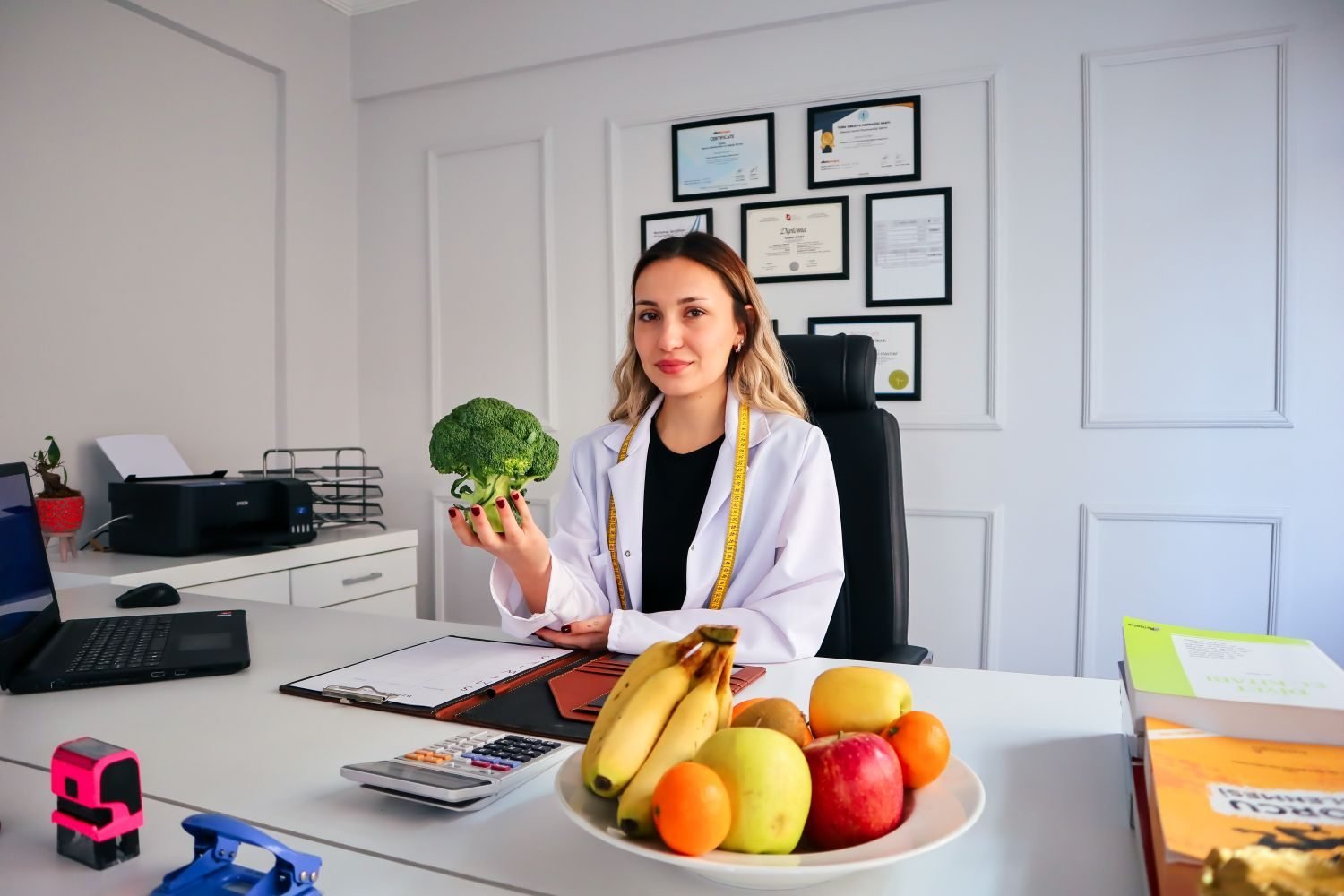
Phytoestrogen-rich foods can be a genuinely useful piece of a menopause nutrition strategy, but they work best as part of a broader plan rather than a stand-alone fix, and the right amount for you depends on your health history. For personalized guidance on building a menopause nutrition plan that fits your symptoms, preferences, and medical background, consider booking an online nutritionist consultation.