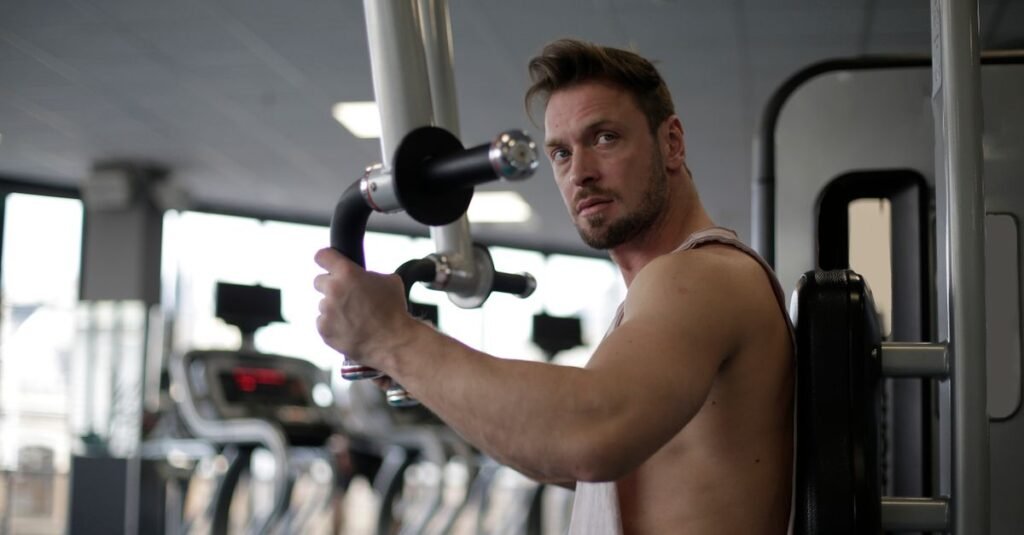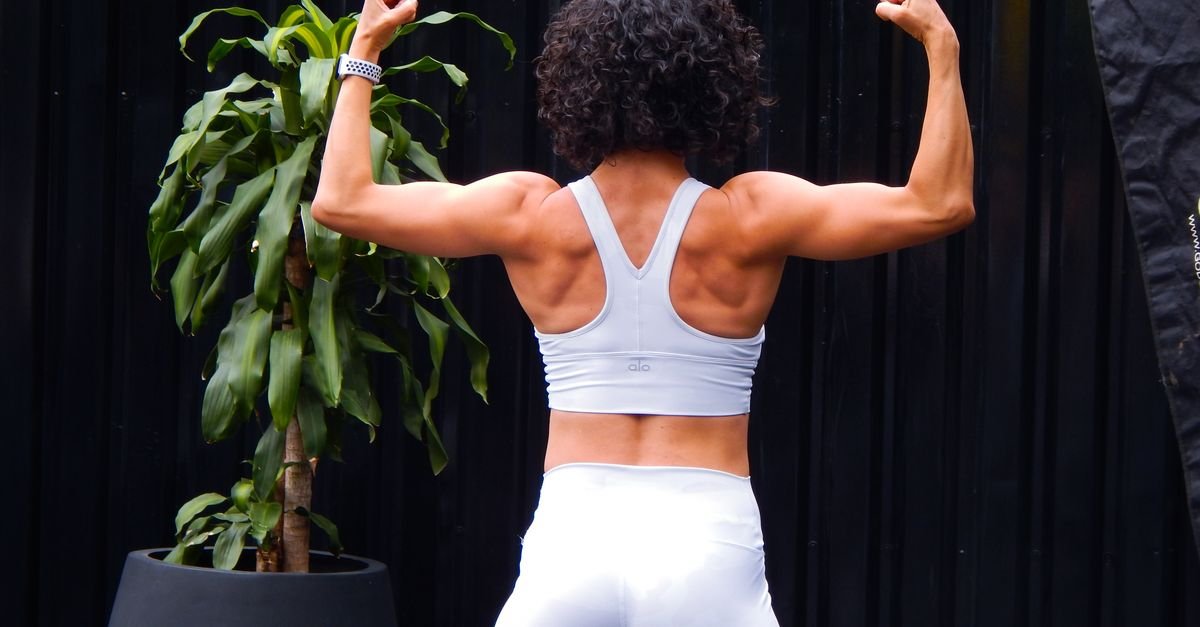
A genuine fat-to-fit transformation for a young woman typically unfolds over 4-6 months of consistent effort, combining a moderate calorie deficit, adequate protein, regular strength and cardio training, and enough patience to move through an initial fast phase followed by a slower, steadier one — the “after” photos that circulate online almost always represent this longer timeline, not the dramatic quick transformations implied by their captions.
I’m Yash Pathak, founder and lead trainer at FitStrot. I’ve coached many young women through exactly this journey, and the pattern is consistent enough to describe honestly — this guide covers what it actually looks like, distinct from our broader before and after weight loss guide, which covers the general pattern across all ages and genders.
The Real Fat-to-Fit Timeline
Weeks 1-4: Faster initial changes as water weight and bloating reduce alongside early fat loss beginning — often the most motivating phase because change is visible quickly, even though it’s not yet the full transformation.
Months 2-3: Genuine fat loss continues at a steadier pace (0.5-1kg weekly), and if strength training has been consistent, muscle tone starts becoming visible alongside the fat loss — this is often where people feel discouraged because the pace feels slower than the first month, even though real progress continues.
Months 4-6: The visible “fit” look — reduced body fat combined with muscle tone and definition — typically becomes clearly apparent, assuming consistency has held through the slower middle phase.
Why the Middle Phase (Months 2-3) Matters Most
Many transformation attempts stall specifically in months 2-3, when the fast initial results have slowed and the visible “fit” look hasn’t yet fully emerged. This is the phase where sticking with the plan — even though the scale and mirror feel like they’re moving slower — determines whether the transformation actually completes. Understanding this pattern in advance helps you push through this phase rather than assuming the plan has stopped working.
What a Fat-to-Fit Plan for Young Women Actually Includes
A moderate, not extreme, calorie deficit (300-500 calories). Extreme restriction accelerates early results but increases muscle loss risk and rebound weight regain, undermining the “fit” component of the goal.
Adequate protein (1.4-1.8g per kg body weight). Supports satiety through the deficit and provides the building blocks for the muscle tone that defines a “fit” appearance, not just a smaller body.
Strength training 3-4 times weekly. The single most important variable separating a “thinner” result from a “fit” one — strength training builds and preserves the muscle that creates visible tone and definition.
Cardio 2-3 times weekly. Supports the calorie deficit and cardiovascular health, working alongside rather than replacing strength training.
Patience through the plateau-feeling middle phase. Understanding that months 2-3 often feel slower is itself a tool for sticking with the plan through this critical window.
Common Mistakes in Fat-to-Fit Attempts
Doing cardio exclusively while skipping strength training, which often produces weight loss without the muscle tone that defines a “fit” look specifically. Expecting the fast first-month pace to continue throughout, leading to discouragement and quitting exactly when the plan is still working, just more slowly. And comparing your timeline to dramatically compressed “after” photos online, which typically represent unusual genetics, undisclosed timeframes, or occasionally less healthy shortcuts.
Nutrition and Training Balance for This Goal
Rather than extreme dieting, a sustainable, moderate approach — enough protein and calories to support both fat loss and muscle building, rather than severe restriction that undermines the muscle-building half of the “fit” goal — tends to produce better, more complete transformations. Our gym workout for weight loss and high protein diet for weight loss guides cover the training and nutrition components this transformation relies on in more depth.
Why Guided Support Helps Complete the Journey
The plateau-feeling middle phase is where most unguided attempts stall or quit — a trainer who can explain what’s happening, adjust the plan as your body changes, and keep you accountable through months 2-3 specifically often makes the difference between a completed transformation and an abandoned one. An online weight loss trainer provides exactly this kind of ongoing calibration and support.
Handling Setbacks Without Losing the Whole Journey
A missed workout, an indulgent weekend, or a week where the scale doesn’t move — all of these are normal parts of a multi-month journey, not signs of failure, and how you respond to them matters more than the setback itself. Getting back to your routine the next day, rather than treating one off day as permission to abandon the whole plan, is the single habit that most reliably separates people who complete a fat-to-fit transformation from those who don’t. Building this resilience mindset in from the start makes the inevitable rough patches far less likely to derail the entire journey.
Why Iron and Protein Deficiency Commonly Stall Young Women’s Progress
One pattern I see constantly with young women starting a fat-to-fit journey, and one that rarely gets talked about, is undiagnosed iron deficiency slowing everything down. Many young Indian women, especially those on largely vegetarian diets, run low on iron due to a combination of menstrual blood loss and a diet that doesn’t include enough iron-rich foods like leafy greens, jaggery, or fortified cereals alongside a vitamin C source that helps absorption. Low iron shows up as constant fatigue, poor workout recovery, and a feeling of hitting a wall halfway through a session that has nothing to do with fitness level or motivation.
Point: protein is the second common gap, and it compounds the iron issue. A typical vegetarian thali built around rice, roti, and dal might look balanced, but the actual protein content often lands well below what’s needed to support both an active training routine and muscle preservation during fat loss, especially for someone who’s added strength training to her routine for the first time. I regularly see young women training hard, eating “clean,” and still not seeing the toned, defined look they’re expecting, simply because their protein intake — often 40-50 grams a day when their training calls for 70-90 — isn’t giving their muscles what they need to actually show through as they lose fat.
I’d genuinely recommend getting a basic blood test done, checking hemoglobin and ferritin at minimum, if you’re a young woman who feels persistently tired despite eating reasonably and sleeping enough. Fixing an iron gap with diet or supplementation under medical guidance, alongside deliberately building protein into each meal — an extra egg, a bowl of curd, a handful of roasted chana — often unlocks a jump in energy and progress that no amount of extra willpower would have achieved on its own.
Navigating Comparison and Social Media During Your Own Journey
I’d be doing this topic a disservice if I didn’t address something that derails almost as many fat-to-fit journeys as diet mistakes do: constant comparison, especially fueled by social media. It’s genuinely hard to scroll through transformation reels and fitness influencer pages daily without your brain quietly recalibrating what “good progress” should look like, and that recalibration is almost always unfair to you, because you’re comparing your unfiltered, real-time month two to someone else’s curated, filtered, often professionally lit month twelve.
Point: I ask my clients to be deliberate about this rather than pretending social media doesn’t affect them, because it does, for almost everyone. That might mean muting or unfollowing accounts that consistently leave you feeling worse about your own pace, even if the content itself is “fitness related.” It might mean turning off progress photo comparisons on apps for a few weeks if they’re becoming a source of anxiety rather than motivation. Comparing yourself to your own week one, rather than to a stranger’s best month, is the only comparison that actually reflects your real journey.
The young women I’ve seen complete the full fat-to-fit journey, not just start it, are almost always the ones who made peace with a non-linear, sometimes unglamorous middle stretch, rather than the ones chasing a specific look they saw online. Your journey will not look like anyone else’s timeline, starting point, or body, and building your motivation around your own consistent effort rather than an external comparison is, honestly, the single biggest predictor of whether someone finishes what they started.
Balancing Family Expectations and Home-Cooked Meals During Your Transformation
For a lot of the young women I coach, the biggest daily obstacle isn’t willpower or knowing what to eat, it’s navigating a home where mom or grandmother has cooked a full meal and clearly expects a full plate to be eaten. “Beta itna kam kyun kha rahi ho, tabiyat theek hai na?” is a sentence I hear about in nearly every consult with a client still living with her family. This isn’t a minor inconvenience, it’s often the single biggest source of friction in an otherwise well-designed plan, and pretending it doesn’t exist doesn’t help anyone.
The approach that actually works is not fighting the family kitchen, it’s working with it. I ask clients to sit down with whoever cooks at home, usually mom, and have an honest conversation about the goal, not as a diet announcement but as a health conversation. Small, negotiable swaps go a long way: slightly less rice with more dal and sabzi, one roti instead of three, ghee added at the table in a measured spoon rather than poured generously into the pot. When mothers understand the why, most become allies rather than obstacles, and several of my clients tell me their mother started adjusting her own cooking simply from being included in the process.
Unsolicited comments from extended family are a separate challenge and deserve their own strategy. Relatives at a gathering saying “tu toh patli ho gayi hai, kuch khaa le” or the opposite, commenting on weight that hasn’t dropped fast enough, can genuinely derail someone’s confidence mid-journey. I coach clients to have one or two short, polite responses ready, something like “main apni health pe kaam kar rahi hoon, sab theek hai” and then redirect the conversation, rather than getting pulled into a defensive explanation every single time. You don’t owe every relative a progress report.
One client, a 22-year-old college student in Lucknow living in a joint family, made almost no progress for two months while trying to eat separately from everyone, cooking her own small meals and avoiding family dinners. The isolation wasn’t sustainable and she eventually gave up entirely for three weeks. When we rebuilt her plan around eating with the family but adjusting portions and one or two dishes, her consistency improved dramatically, because she wasn’t fighting her home environment anymore, she was working within it.
Frequently Asked Questions
How long does a realistic fat-to-fit transformation take for a woman?
Most complete transformations, including visible muscle tone, take 4-6 months of consistent diet and strength training — not the dramatic 30-day results often implied by “after” photos online.
Why do I feel like my progress has slowed in month 2 or 3?
This is a normal, common pattern — the fast initial water-weight loss has typically finished by this point, and the transformation continues at a steadier, genuine fat-loss pace that can feel slower even though real progress continues.
Do I need to do cardio or strength training for a fat-to-fit look?
Both play a role, but strength training is essential for the muscle tone and definition that separates a “fit” look from simply being thinner — cardio alone often produces weight loss without this visible definition.
Can beginners start a fat-to-fit journey without gym experience?
Yes — starting with basic bodyweight strength training and building up gradually works well, and beginners often see relatively strong initial results as they build both diet and exercise habits for the first time.
Ready to Start Your Own Fat-to-Fit Journey?
A FitStrot online weight loss trainer builds and adjusts your specific diet and strength training plan, guiding you through the full journey, including the plateau-feeling middle phase.