Nutrition is the process — eating, digesting, absorbing, and using food to keep your body running. Nutrients are the substances inside that process — the proteins, carbohydrates, fats, vitamins, minerals, and water your body actually extracts and uses. Nutrients are the “what,” and nutrition is the “how” and “why.” You cannot have good nutrition without nutrients, but consuming nutrients doesn’t guarantee good nutrition — the process also depends on digestion, absorption, and how nutrients interact with each other in your body. Confusing the two is more than a vocabulary slip: it’s why so many people fixate on hitting a protein number or swallowing a vitamin pill while ignoring the bigger process — gut health, meal timing, food variety — that determines whether those nutrients actually do anything for them.
Below, you’ll find exactly where nutrition ends and nutrients begin, a side-by-side comparison table, and how understanding this distinction changes the way you should actually eat.
What exactly is a nutrient?
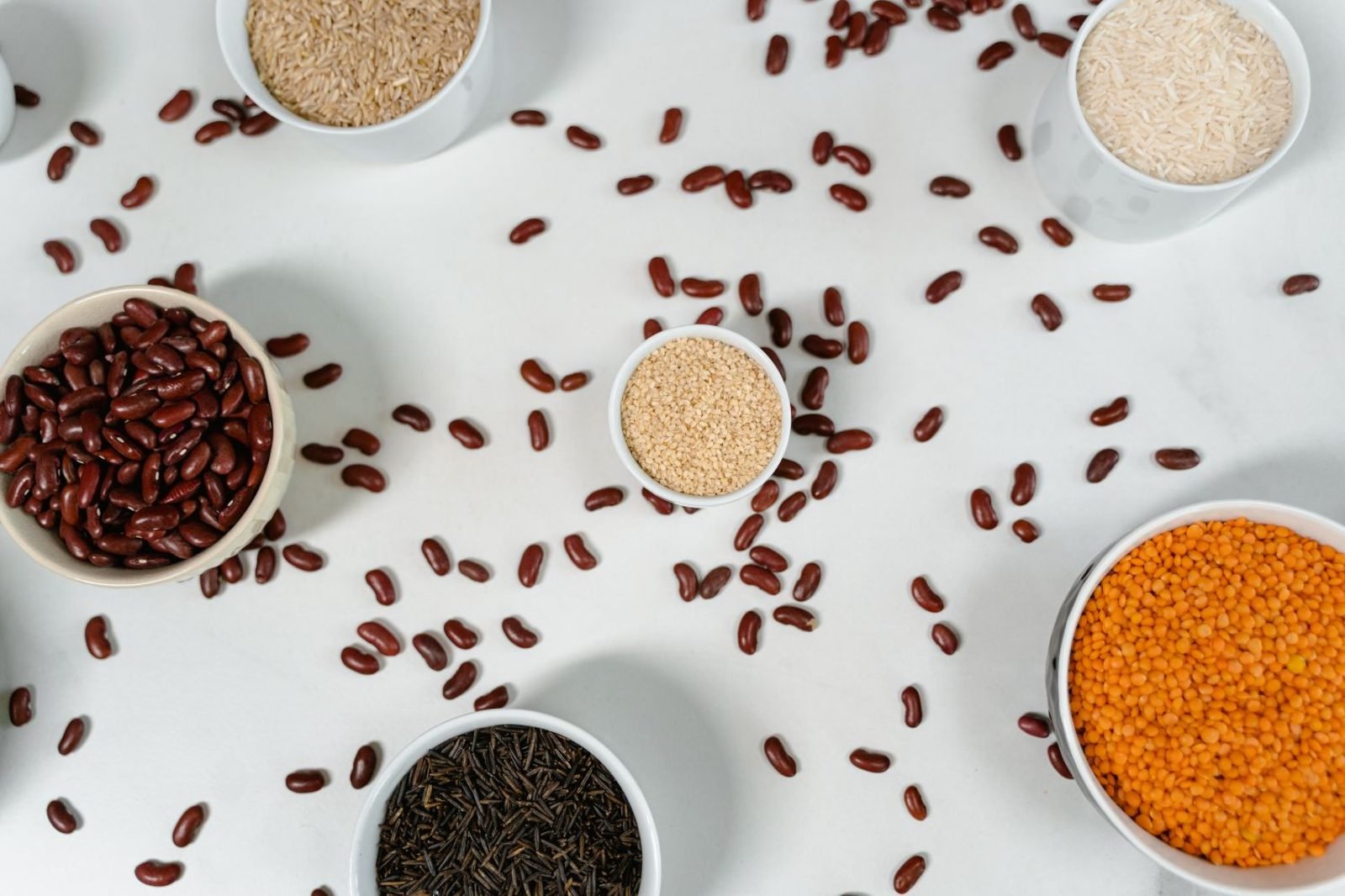
A nutrient is a specific chemical substance found in food that your body needs to function, according to Cleveland Clinic. Nutrients are countable and namable — you can list them, measure them in grams or micrograms, and track them on a label. There are six major classes: carbohydrates, proteins, fats (lipids), vitamins, minerals, and water. If you want the shorter primer on how these building blocks fit together, our nutrition and nutrients overview covers the basics in plain terms.
Nutrients split into two broad groups based on how much your body needs:
- Macronutrients — carbohydrates, proteins, and fats — are needed in large amounts and provide energy along with the raw material to build and repair tissue. Research published via the National Institutes of Health’s StatPearls collection describes macronutrients as compounds critical for energy provision, structural molecule synthesis, hormone production, and metabolic regulation.
- Micronutrients — vitamins and minerals — are needed in much smaller amounts but are just as essential. They don’t provide calories the way macronutrients do; instead, they support processes like enzyme activity, immune defense, and oxidative-stress protection.
Within micronutrients, vitamins and minerals aren’t the same kind of substance. Vitamins are organic compounds made by plants and animals and can be broken down by heat, light, or air — which is why overcooking vegetables destroys some of their vitamin content. Minerals are inorganic, come from soil and water, and don’t break down the same way, so mineral content in food stays more stable through cooking. For a deeper look at how individual vitamins function in the body, see our guide to vitamins and nutrition.
What exactly is nutrition?
Nutrition is the process of eating and absorbing food that your body needs for nourishment, per Cleveland Clinic’s clinical definition. It’s not a substance you can hold in your hand — it’s everything that happens between putting food in your mouth and your cells actually using what’s inside it. That includes chewing and digestion, breaking food down into absorbable nutrients, transporting those nutrients through the bloodstream, and using or storing them at the cellular level.
The National Institute of Environmental Health Sciences frames nutrition even more broadly, noting that “diet” often refers to the food and drink a person regularly consumes, while nutrition covers the fuller science of how that intake affects growth, health, development, and the maintenance of life. That’s why nutritionists and registered dietitians don’t just catalog which nutrients are in a food — they study how digestion, gut bacteria, cooking methods, medications, and age change how much of those nutrients your body actually captures and uses.
This is also where the related search term “difference between food and nutrition” gets resolved: food is the physical material you eat, nutrients are the components inside that food, and nutrition is the entire biological process connecting the two. If you want a broader primer on how food composition maps to health outcomes, our article on food and nutrition covers that relationship in more depth.
How do nutrition and nutrients compare side by side?
The table below lines up the two concepts directly so you can see exactly where they diverge. For a quick-reference version of this same comparison, you can also bookmark our nutrition vs. nutrients breakdown.
| Aspect | Nutrition | Nutrients |
|---|---|---|
| What it is | A process — eating, digesting, absorbing, and using food | A substance — the specific chemical compounds in food |
| Scope | Broad; covers behavior, biology, and long-term health outcomes | Narrow; a defined, countable list of compounds |
| Examples | Meal timing, digestion, nutrient absorption, dietary patterns | Protein, carbohydrates, fat, vitamin D, iron, water |
| How it’s measured | Assessed through health markers, growth, energy levels, disease risk | Measured in grams, milligrams, or micrograms per serving |
| Field of study | Nutrition science / dietetics — how diet affects the whole body | Biochemistry — the composition and function of each compound |
| Can you “have” it? | You practice nutrition (an ongoing process) | You consume nutrients (discrete, quantifiable intake) |
Why does this distinction actually matter for your diet?
Because the two most common ways people sabotage their eating habits both come from collapsing “nutrition” into “nutrients.” Here’s what that looks like in practice, and why understanding the difference helps you avoid it.
Hitting a nutrient number doesn’t guarantee good nutrition
You can technically hit your protein target for the day using a single processed shake and still miss the micronutrients, fiber, and food-matrix benefits that come from eating whole protein sources like eggs, fish, or legumes. Nutrients are additive on paper — grams are grams — but nutrition also depends on absorption. Iron from plant sources, for example, is absorbed far less efficiently than iron from animal sources, and pairing iron-rich food with vitamin C improves how much your body actually takes up. That’s a nutrition-level detail a nutrient checklist can’t capture. For more on how this plays out with the single most tracked nutrient, see our piece on protein and nutrition.
Supplementing a nutrient doesn’t fix a nutrition problem
If your energy is low because you’re consistently under-eating, skipping meals, or eating a narrow range of foods, taking a multivitamin treats a symptom, not the process. A supplement adds isolated nutrients; it doesn’t improve digestion, restore a disrupted eating pattern, or replace the fiber and phytonutrients found in whole foods. This is precisely why nutrition is treated as a clinical and behavioral discipline rather than a shopping list. Everyday eating patterns, not just individual nutrients, drive outcomes over time.
Nutrient gaps show up as a nutrition problem, not just a number
The World Health Organization defines malnutrition as deficiencies, excesses, or imbalances in a person’s intake of energy or nutrients — and it now includes overnutrition (too much) alongside undernutrition (too little) under that same umbrella. Micronutrient undernutrition specifically means a shortfall of vitamins or minerals, which can happen even in someone eating “enough” food in terms of calories. That’s the practical proof of the distinction: you can hit your calorie needs and still develop a real deficiency because the nutrition process — variety, absorption, food quality — broke down somewhere. Watching for the specific warning signs of a shortfall matters more than just hitting a calorie target.

How can you apply this distinction to eat better starting today?
Knowing the difference between nutrition and nutrients only helps if it changes what’s on your plate. Here’s how to put it to work.
- Stop optimizing single nutrients in isolation. Instead of asking “how do I get more protein,” ask “what pattern of eating gets me protein, fiber, and micronutrients at the same time.” Whole foods almost always answer that question better than isolated supplements.
- Pay attention to absorption, not just intake. Some nutrients need partners to be absorbed well — vitamin D needs dietary fat, iron benefits from vitamin C, and calcium competes with iron if you take them together. That’s a nutrition-level consideration a nutrient list alone won’t tell you.
- Treat variety as a nutrition strategy, not a nutrient strategy. No single food contains every nutrient you need, and no single nutrient fixes a problem caused by a narrow diet. Rotating food groups — Cleveland Clinic points to dairy, fruit, grains, protein, and vegetables as the five core groups — covers gaps that any one “superfood” can’t.
- Match nutrition needs to your life stage. Nutrient requirements shift with age, sex, and activity level — menstruating people typically need more iron, and adults over 65 often need more vitamin D and calcium for bone health, gaps that, left unaddressed, show up as a nutritional deficiency rather than just a number on a chart. A static nutrient checklist doesn’t account for that.
- Get your nutrition assessed, not just your nutrients counted. A registered dietitian looks at your eating pattern, digestion, lab markers, and lifestyle together — not just whether you hit a gram target.
What’s the difference between nutrition and diet?
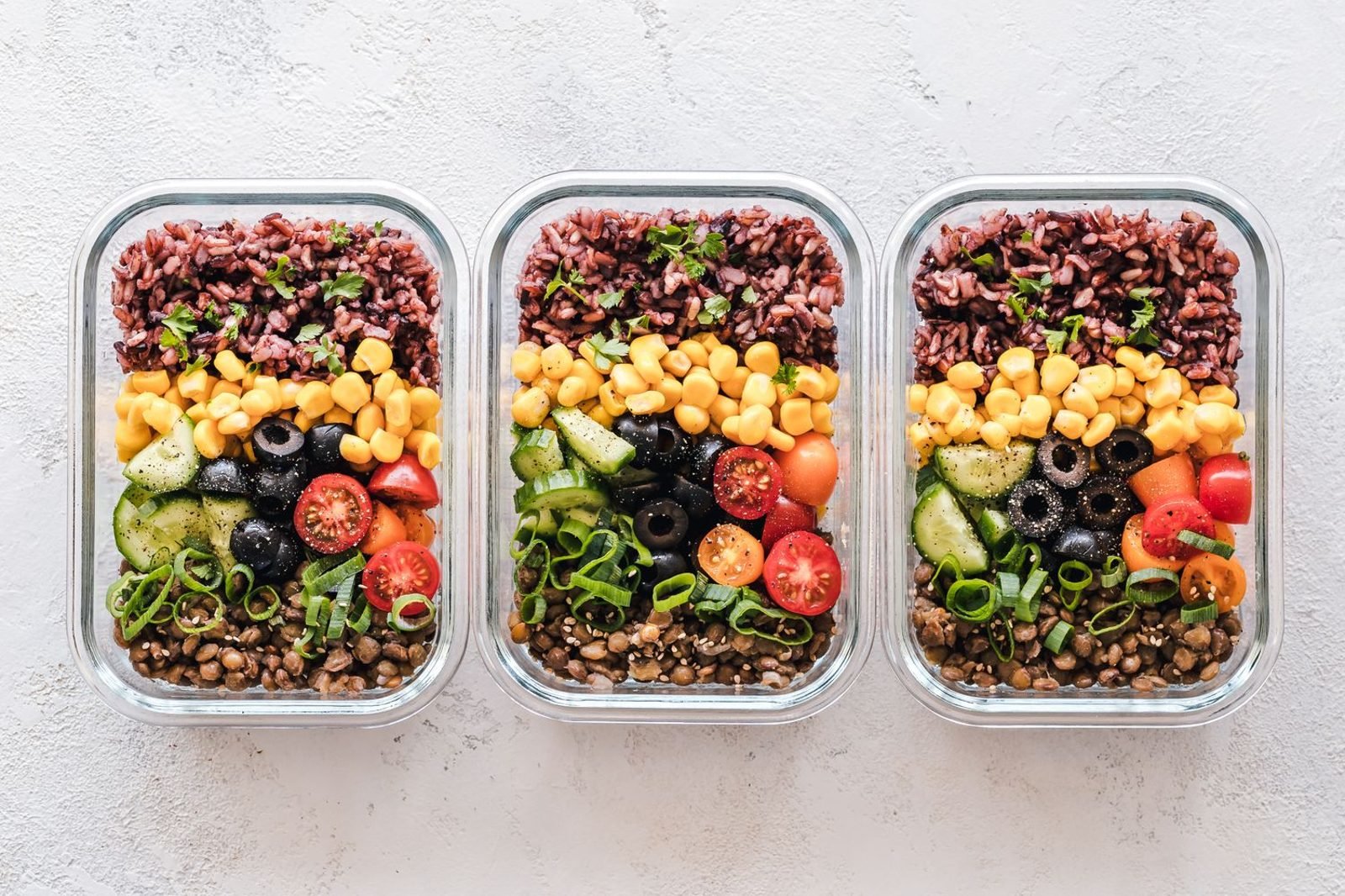
Diet usually refers to the specific foods and drinks a person regularly eats — a description of intake. Nutrition is the broader science of how that intake, once digested and absorbed, affects growth, health, and disease risk. Diet is really just one input into the larger nutrition process. For a closer look at how the two work together day to day, see our diet and nutrition guide.
Frequently asked questions
What is the simplest way to remember the difference between nutrition and nutrients?
Nutrients are things — protein, vitamin C, iron, water. Nutrition is a process — eating, digesting, absorbing, and using those things. If you can hold it, measure it, or list it on a label, it’s a nutrient. If you’re describing an action your body performs over time, it’s nutrition.
Can you have good nutrient intake but poor nutrition?
Yes. Someone can hit every macronutrient target on paper while still having poor nutrition if digestion is impaired, meals are irregular, or food variety is too narrow to supply enough micronutrients. Nutrition also includes absorption and use, not just what you swallow.
Is food the same thing as a nutrient?
No. Food is the physical material you eat — an apple, a chicken breast, a bowl of rice. Nutrients are the specific chemical components inside that food, like fiber, protein, or potassium. One apple contains multiple nutrients; it is not itself a single nutrient.
What are the six major classes of nutrients?
The six major nutrient classes are carbohydrates, proteins, fats, vitamins, minerals, and water. Carbohydrates, proteins, and fats are macronutrients needed in larger amounts for energy; vitamins and minerals are micronutrients needed in smaller amounts for metabolic and immune functions.
Why do nutrition professionals focus on process rather than just nutrient counts?
Because two people can eat identical nutrient amounts and get different results depending on digestion, absorption, timing, and overall dietary pattern. Nutrition professionals assess the whole process — not just intake numbers — because that process determines whether nutrients actually reach and benefit your cells.
Does malnutrition mean someone isn’t eating enough nutrients?
Not necessarily. The World Health Organization defines malnutrition as deficiencies, excesses, or imbalances in energy or nutrient intake, which includes both undernutrition and overnutrition. Someone can eat plenty of calories and still be malnourished if their diet lacks specific vitamins or minerals.
Understanding whether you have a nutrient gap or a bigger nutrition-process issue is hard to diagnose on your own — a online nutritionist consultation can review your eating pattern, absorption factors, and lab markers together to build a plan that actually closes the gap, rather than just adding another supplement to the pile.