Nutrition is the whole process of eating, digesting, and using food to keep your body running. Nutrients are the actual substances inside that food — things like protein, carbs, fat, vitamins, and minerals — that your body pulls out and puts to work. Put simply: nutrition is the process, nutrients are the ingredients. If you’ve ever felt lost trying to make sense of nutrition and nutrients, this guide breaks it down using everyday examples, no science degree required.
You don’t need to memorize a biology textbook to eat well. You just need these two ideas to stick. That’s what this article is for — a plain-English starting point before you dive into anything more technical.
What is nutrition, in plain terms?
Think of nutrition as the entire journey your food takes once it enters your mouth. You eat a meal, your digestive system breaks it down, and your body absorbs what it needs and uses it for energy, growth, and repair. Britannica describes nutrition as the science of the process by which organisms take in and use food for growth, maintenance, and reproduction — that’s a formal way of saying nutrition is everything that happens between “I ate lunch” and “my body used that lunch to keep going.”
Here’s a household analogy: nutrition is like running a kitchen. You buy groceries (eating), prep and cook them (digestion), and serve the meal to the people who need it (absorption and use by your cells). Nutrition covers that whole operation, not just the shopping trip.
Good nutrition doesn’t mean eating “perfectly.” It means giving your body a steady, varied supply of what it needs, most days, most meals, so it can function well. This is also why coaches talk about diet and nutrition almost in the same breath: your diet is what you actually eat day to day, while nutrition is the bigger science of how that food supports your body.
What are nutrients, and why do they matter?
Nutrients are the individual substances your body actually extracts from food and uses. If nutrition is the kitchen operation, nutrients are the actual ingredients doing the work — the protein rebuilding your muscles, the iron carrying oxygen in your blood, the vitamin C supporting your immune system.
Every nutrient generally falls into one of two buckets:
- Macronutrients — needed in large amounts. These are protein, carbohydrates, and fat. They mainly supply energy (measured in calories) and building blocks for tissue.
- Micronutrients — needed in small amounts. These are vitamins and minerals, like vitamin D, calcium, iron, and potassium. They don’t provide much energy, but they keep your body’s systems — immune, nervous, bone, hormonal — running correctly.
The “macro” and “micro” naming isn’t about importance, it’s about quantity. Macronutrients are required in relatively large amounts for the body’s biochemical processes, while micronutrients are needed in much smaller doses but are just as essential — you simply need less of them. A missing micronutrient can cause just as much trouble as a missing macronutrient; it just takes longer to show up.

What’s the simplest way to tell nutrition and nutrients apart?
Try this analogy: think of nutrition as a car’s fuel system, and nutrients as the actual fuel and fluids. Nutrition is the whole process — filling the tank, the fuel line delivering gas to the engine, the engine converting it into motion. Nutrients are the gasoline, the oil, the coolant — the specific substances that make the process possible.
Or, if cooking makes more sense to you: nutrition is the recipe and the cooking process. Nutrients are the ingredients listed in that recipe — flour, eggs, butter, salt. You can’t separate the two, but they are not the same thing, and mixing them up is one of the most common beginner confusions in nutrition.
Here’s the shortcut worth remembering:
- Nutrition = the process (eating, digesting, absorbing, using food)
- Nutrients = the substances (protein, carbs, fat, vitamins, minerals, water)
If you want the full breakdown with a side-by-side comparison table, our detailed guide on the difference between nutrition and nutrients covers it in more depth. This article is the short version — enough to get you comfortable with the basics.
What do nutrients actually do inside your body?
It helps to picture your body as a construction site with a workforce and a supply chain. Each nutrient has a specific job:
- Protein repairs and builds tissue — think muscle recovery after a workout, or your body healing a cut. Found in chicken, eggs, beans, tofu, fish, and Greek yogurt.
- Carbohydrates are your body’s preferred energy source, especially for your brain and muscles. Found in rice, oats, fruit, potatoes, and bread.
- Fat supports hormone production, protects organs, and helps you absorb certain vitamins. Found in olive oil, nuts, avocado, and fatty fish.
- Vitamins (like A, C, D, and the B group) act like small managers, directing processes such as immune defense, energy metabolism, and vision.
- Minerals (like calcium, iron, potassium, and magnesium) build structure — think bones and teeth — and help nerves and muscles communicate.
- Water is often the forgotten nutrient, but it’s involved in nearly every bodily process, from digestion to regulating temperature.
None of these work in isolation. Vitamin D helps your body absorb calcium. Vitamin C helps you absorb iron from plant foods. This is why “eat more protein” or “take a vitamin” in isolation rarely fixes things — your body relies on the whole cast of nutrients working together, which is really what nutrition is about. If you want to go deeper on any single piece, our guides on protein and nutrition and vitamin nutrition unpack those individually.
How do you actually get good nutrition from everyday food?
You don’t need supplements or a perfectly tracked meal plan to hit the basics. The USDA’s MyPlate model — a widely used, straightforward guide — breaks meals into five food groups: fruits, vegetables, grains, protein foods, and dairy. The general idea is to build most meals from at least three of these five groups, which naturally spreads your nutrient intake across macro and micronutrients without needing to calculate anything.
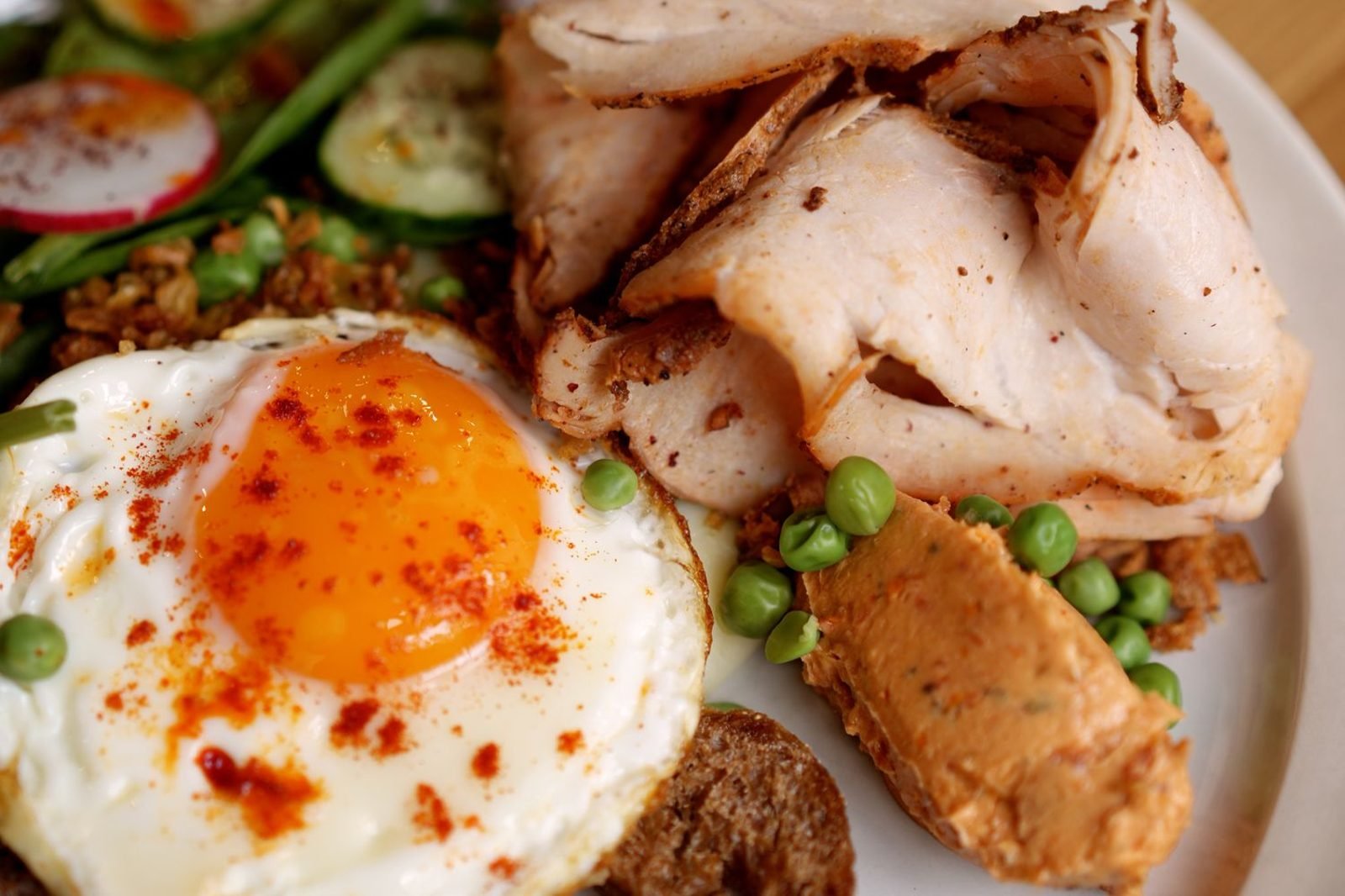
Here’s what that looks like on an actual plate:
- Half your plate: vegetables and fruit (fiber, vitamins, minerals, antioxidants)
- A quarter of your plate: a protein source (chicken, fish, eggs, legumes, tofu)
- A quarter of your plate: whole grains or starchy carbs (rice, oats, quinoa, potatoes)
- On the side: a dairy or calcium source, plus water instead of sugary drinks
This approach doesn’t require you to know the exact milligrams of iron in spinach. Variety across food groups almost automatically covers your nutrient bases — the practical link between nutrition (how you eat, meal after meal) and nutrients (what ends up in your body as a result). For a deeper look at how specific foods map to specific nutrients, see our guide on nutrition and food.
What happens when nutrition or nutrients fall short?
When your overall nutrition is poor — skipping meals, relying heavily on ultra-processed food, barely eating vegetables — you’ll usually notice broad effects first: low energy, poor sleep, trouble concentrating, slower recovery from workouts, or frequent colds.
When it’s a specific nutrient that’s missing, the signs tend to be more targeted. A few common, well-documented examples:
- Low iron can show up as fatigue, pale skin, and shortness of breath during normal activity.
- Low vitamin D is linked to bone pain, muscle weakness, and low mood, especially in people who get little sun exposure.
- Low B12 (common in strict plant-based eaters without supplementation) can cause fatigue, tingling in the hands or feet, and memory issues.
- Inadequate protein can slow muscle repair, weaken hair and nails, and make you feel hungry again soon after eating.
This is exactly why it helps to understand both terms rather than just one. You could technically eat three meals a day (nutrition is “happening”) and still run low on a specific nutrient your meals consistently lack. Understanding the difference is what lets you actually troubleshoot your own eating pattern instead of guessing.

Where should a total beginner start?
If this is genuinely your first time thinking seriously about nutrition, don’t try to overhaul everything at once. Start with three small, doable shifts:
- Add one vegetable or fruit to meals you already eat. You don’t need to redesign your diet — just add color to what’s already on your plate.
- Include a protein source at each meal. Eggs at breakfast, chicken or beans at lunch, fish or tofu at dinner. This alone solves a lot of energy and hunger issues for beginners.
- Drink water consistently through the day instead of only when you feel thirsty, since thirst is a lagging signal.
Once these feel automatic, you can start paying closer attention to specific nutrients — protein targets, iron-rich foods, or vitamin D — rather than trying to learn everything on day one. For the more detailed, structured comparison of the two concepts — including a full side-by-side table — read nutrition and nutrients: the full difference explained.
Frequently asked questions
What is the simplest definition of nutrition and nutrients?
Nutrition is the process of eating, digesting, and using food. Nutrients are the actual substances your body pulls from that food, like protein, carbs, fat, vitamins, and minerals. Nutrition is the “how,” nutrients are the “what.”
Are nutrition and nutrients the same thing?
No. They’re related but distinct. Nutrition is the overall science and process of nourishing your body. Nutrients are the specific compounds involved in that process. You need both concepts to understand how food actually supports your health.
What are the six essential nutrients?
The six widely recognized essential nutrients are protein, carbohydrates, fat, vitamins, minerals, and water. The first three are macronutrients, needed in larger amounts; vitamins and minerals are micronutrients, needed in smaller amounts but still essential.
Why do beginners find nutrition confusing?
Most confusion comes from mixing up terms — “diet,” “nutrition,” and “nutrients” get used interchangeably online. Once you separate the process (nutrition) from the ingredients (nutrients), the rest of the topic becomes much easier to follow.
Do I need to track nutrients to eat well?
Not as a beginner. Building meals around the USDA’s five food groups — fruits, vegetables, grains, protein, and dairy — naturally covers most nutrient needs. Tracking specific nutrients becomes more useful later, for specific goals like muscle gain or fixing a deficiency.
What’s a good first step if I want to improve my nutrition?
Add a vegetable or fruit and a protein source to meals you already eat, and drink water consistently through the day. These three habits address the most common gaps for beginners without requiring any tracking or calculations.
Understanding nutrition and nutrients is the foundation everything else in healthy eating builds on. If you want a personalized plan instead of piecing it together on your own, book an online nutritionist consultation and get guidance built around your actual meals, goals, and lifestyle.