Nutritional management of diabetes mellitus is the day-to-day work of matching food, blood sugar checks, activity, and illness routines so glucose stays in a safe range over years, not just weeks. If you’ve already been diagnosed and have an initial eating plan, this is the next phase: choosing between carb counting and exchange lists, knowing when to actually test blood sugar around meals, adjusting food for exercise days, handling sick days without a glucose crisis, and settling into an eating pattern — often Mediterranean-style or DASH-style — you can sustain for decades.
None of this replaces personalized care. A registered dietitian or certified diabetes care and education specialist can turn these general principles into numbers that fit your body, medications, and labs. If you haven’t gone through that process yet, our guide to medical nutrition therapy for diabetes walks through what that clinical process looks like, and our diabetes nutrition basics article is the place to start if you’re newly diagnosed.
Carb counting or exchange lists: which method fits daily life better?
Both methods aim at the same target — matching carbohydrate intake to your body’s insulin, whether it’s your own or injected — but they get there differently, and the “better” one is whichever you’ll actually use consistently.
Carbohydrate counting
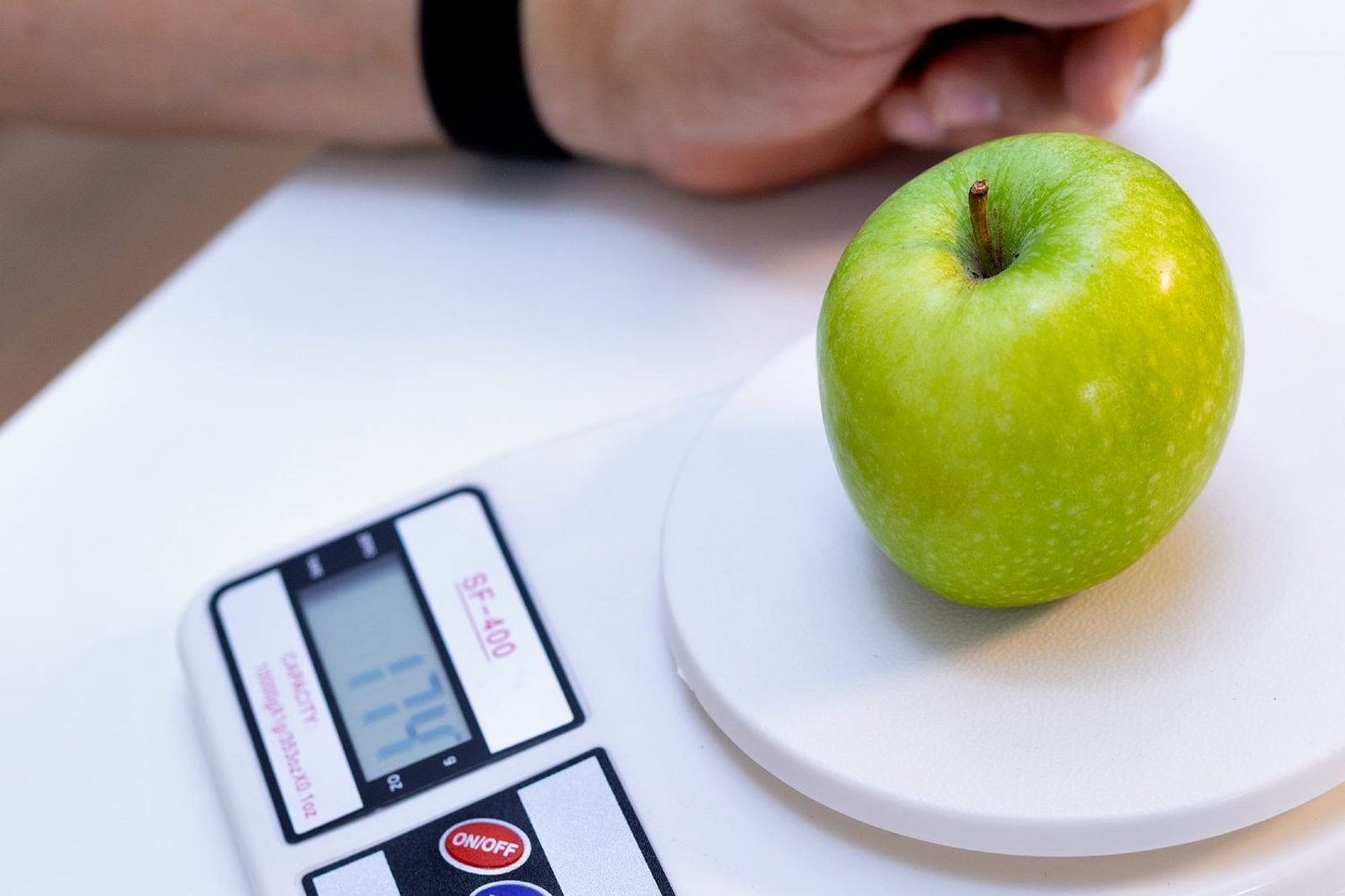
Carb counting means tracking the grams of carbohydrate in what you eat, aiming for a consistent amount per meal or matching a mealtime insulin dose to a carb-to-insulin ratio set by your care team. A slice of bread, a small piece of fruit, or a third of a cup of rice each contain roughly 15 grams of carbohydrate — the “one carb serving” reference many educators use. People on multiple daily insulin injections or a pump tend to rely on this method, since it allows flexible meal sizes as long as the math and dosing stay aligned.
Exchange lists
The exchange system, developed decades ago and still taught by many diabetes educators, groups foods into categories — starches, fruits, milk, vegetables, meat and meat substitutes, and fats — where any food within a group can be swapped for another in standard portions without significantly changing the meal’s nutritional impact. It’s less precise than gram counting but easier for people who don’t want to weigh food, and it naturally builds in protein and fat balance, not just carbohydrate. In practice, many people blend the two: rough exchange-based portioning most days, with gram counting reserved for insulin dosing or unfamiliar foods.
When should you actually check your blood sugar around meals?
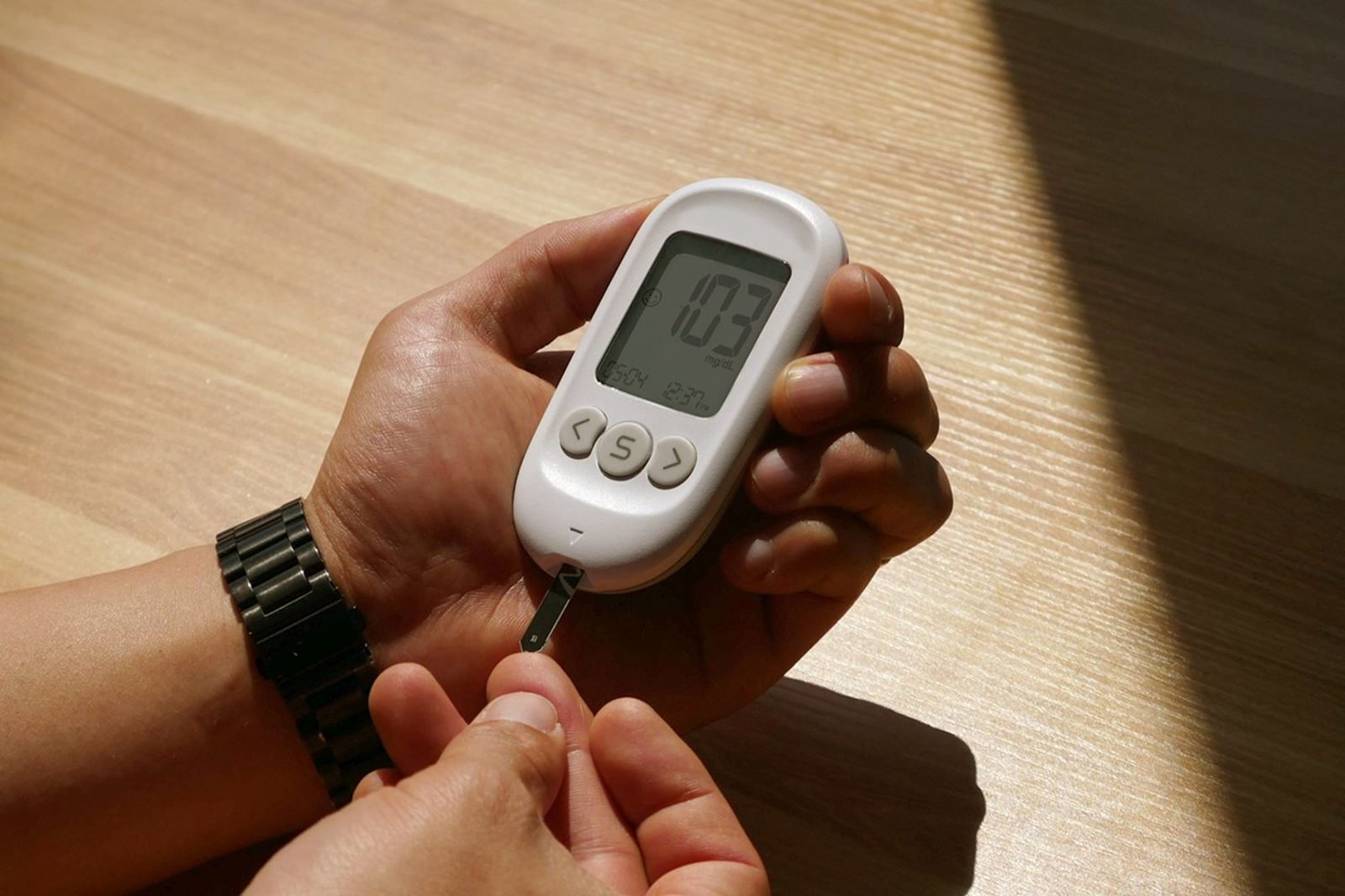
Testing at the right times turns a glucose meter from a number generator into a decision-making tool. Per the American Diabetes Association’s Standards of Care, a common approach is checking glucose both before a meal and again 1–2 hours after the first bite, for at least one main meal a day if you’re not testing every meal.
- Before eating (preprandial): A general target range for many adults with diabetes is 80–130 mg/dL, though your own target should come from your care provider, since it shifts with age, pregnancy, and other conditions.
- 1–2 hours after the first bite (postprandial): Glucose typically peaks around this window; a common target is under 180 mg/dL.
- Paired testing: Checking before and after the same meal on different days — not necessarily daily — reveals which foods spike you and by how much, far more useful than a single isolated number.
If you use a continuous glucose monitor, the same before/after logic applies, but you also see the shape of the rise and fall — useful for telling whether a food’s problem is total carbohydrate or the pace it hits your bloodstream (white bread and lentils can share a carb count with very different curves). Pairing this pattern-watching with a diet built around fiber-rich foods tends to blunt post-meal spikes, since fiber slows carbohydrate absorption.
How should you adjust eating around exercise?
Exercise is one of the most effective tools for glucose control, but it changes your food math, especially if you take insulin or a medication that can cause lows.
Before and during
The ADA notes that if your blood glucose is under 100 mg/dL before exercise, a small carbohydrate snack of about 15 grams — paired with a bit of protein, like an apple with peanut butter — can reduce hypoglycemia risk, particularly for workouts over 30 minutes or sessions following a recent insulin dose. For longer sessions, keep a fast-acting carb source on hand (glucose tabs, juice); if a mid-workout check still shows under 100 mg/dL, take another 15 grams, recheck in 15 minutes, and repeat until you’re back above that threshold.
After you finish
Glucose can keep dropping for hours after activity as muscles replenish glycogen, so a post-exercise snack with 15–30 grams of carbohydrate — adjusted to intensity and length — plus some slower-digesting carbohydrate or protein helps prevent a delayed low, including one that shows up overnight. This is one more reason adequate dietary protein matters for people managing diabetes: it supports recovery and helps stabilize the glucose response to a workout, not just a meal. These aren’t one-size-fits-all numbers — they’re starting points from ADA guidance, and your thresholds should be refined with your care team based on your medications and how your body responds.
What should you eat on sick days when you have diabetes?
Illness — even a routine cold or stomach bug — can send blood sugar in either direction, and the eating rules change specifically because your body is under stress and your usual intake pattern may not hold.
Test more often and don’t stop eating carbohydrate
The American Diabetes Association’s sick-day guidance recommends checking blood glucose and, when relevant, ketones more frequently during illness — commonly every 4 hours for minor illness, and as often as every 2 hours if symptoms are severe. Ketone testing matters especially if glucose climbs to 240 mg/dL or higher, since that combination can signal diabetic ketoacidosis, a medical emergency needing prompt attention. If you can tolerate regular meals, keep carbohydrate intake close to normal. If nausea makes solid food difficult, the CDC recommends roughly 50 grams of carbohydrate every 4 hours from easy-to-tolerate sources — regular (not diet) soda, juice, broth with crackers, gelatin, or applesauce — to keep blood sugar from dropping too low if you’re still taking glucose-lowering medication. If you’re trending toward hypoglycemia instead, the familiar 15-15 rule applies: about 15 grams of fast carbohydrate, then recheck in 15 minutes.
Know when to call for help
Persistent vomiting, inability to keep fluids down, moderate-to-large ketones, blood sugar that won’t come down despite your sick-day plan, or any confusion warrants contacting your doctor or diabetes care team right away — sick-day management is meant to bridge you safely to medical care, not substitute for it. This is a point where general nutrition advice reaches its limit and a conversation with your prescriber, who knows your medications, is the right next step.
Which long-term eating pattern actually holds up over years?
Day-to-day tactics like carb counting and glucose testing matter, but the overall dietary pattern you default to determines most of your long-term outcomes — and this is where the evidence is strongest.
Mediterranean-style eating
A meta-analysis of randomized controlled trials found that adherence to a Mediterranean dietary pattern — built around olive oil, vegetables, legumes, whole grains, fish, and modest red meat — produced meaningful reductions in HbA1c, generally 0.3 to 0.5 percentage points, compared with lower-fat or standard control diets. Separately, a Stanford study comparing Mediterranean-style eating with a ketogenic approach found both controlled blood glucose comparably well, but participants found Mediterranean eating notably easier to sustain — a practical point, since the best diabetes diet is the one you’re still following in five years.
DASH-style eating
Originally designed to lower blood pressure, the DASH pattern (Dietary Approaches to Stop Hypertension) emphasizes vegetables, fruit, low-fat dairy, whole grains, and limited sodium and added sugar. It’s particularly relevant because cardiovascular disease is the leading cause of death for people with diabetes, so a pattern managing blood pressure and lipids alongside glucose covers more ground than one focused on blood sugar alone.
What both patterns share
Neither is defined by strict carbohydrate elimination or a specific macronutrient ratio. Both lean on high-fiber plant foods, healthy fats over saturated fats, and minimal ultra-processed and added-sugar foods — principles that make carb counting easier since the foods themselves have a gentler glucose impact. Mapping these patterns to your overall calorie needs is worth doing with a dietitian, since targets vary by body size, activity level, and treatment goals.

How do you put all of this together into a routine?
The pieces above aren’t meant to be juggled separately. A workable routine looks like: a base eating pattern (Mediterranean or DASH-style, rich in the fiber both emphasize) that frames most meals, a carb-tracking method layered on top for portion consistency and medication dosing, a testing schedule that shows whether the plan is working, and pre-built responses for the two situations that reliably throw routines off — exercise and illness. Revisit the specifics with your care team periodically, since carbohydrate needs, medication, and targets shift over time, especially after weight changes, new prescriptions, or lab results that prompt an adjustment.
FAQ
Is carb counting more accurate than using exchange lists?
Carb counting is generally more precise since it tracks actual grams rather than food categories, which is why it’s favored for insulin dosing. Exchange lists are simpler and still effective for portion consistency. Many people use exchanges daily and switch to counting grams for unfamiliar meals or insulin adjustments.
How often should I really be testing my blood sugar?
It depends on your treatment plan, but a common pattern is testing before a meal and again 1–2 hours after starting to eat, for at least one meal daily, per ADA guidance. People on insulin or with unstable control often test more. Your care provider sets the exact frequency for your situation.
Can I exercise if my blood sugar is high before I start?
It depends on the level and whether ketones are present, especially for insulin users — vigorous exercise with significant ketones can worsen things. Moderate highs without ketones are often fine to exercise through. Check with your diabetes care team for your personal thresholds.
What counts as a “sick day” that requires the special eating rules?
Anything that disrupts normal eating or raises stress hormones counts — colds, flu, infections, vomiting, fever, or even dental procedures. The key triggers for extra caution are inability to eat normally, persistent vomiting, or blood sugar readings that are unusually high or won’t come down.
Do I have to choose only Mediterranean or only DASH, not both?
No, the two patterns overlap substantially and are often blended. Both emphasize vegetables, whole grains, lean proteins, and limited processed foods; DASH adds a sharper sodium focus while Mediterranean emphasizes olive oil and fish. A dietitian can help you build a hybrid that fits your preferences.
Will following these patterns let me reduce my diabetes medication?
Sometimes, but that decision is entirely between you and your prescriber, never something to adjust based on diet alone. Consistent nutritional management can improve glucose control enough that medication changes become appropriate, but only your doctor should make that call after reviewing labs and history.
Managing diabetes day to day is a long project made of small, repeatable decisions that get easier with a plan built around your actual labs, medications, and lifestyle rather than generic rules. For that kind of personalized guidance, an online nutritionist consultation can help translate everything above into a plan that fits your specific numbers.