Creatine timing matters far less than most people think. Research consistently shows that taking 5g of creatine monohydrate daily, at roughly the same time each day, builds and maintains muscle creatine stores regardless of whether you take it before or after your workout. A few studies show a small edge for post-workout dosing, but the difference is minor compared to the impact of just taking it every single day. At FitStrot, we tell clients to stop overthinking the clock and start focusing on the habit.
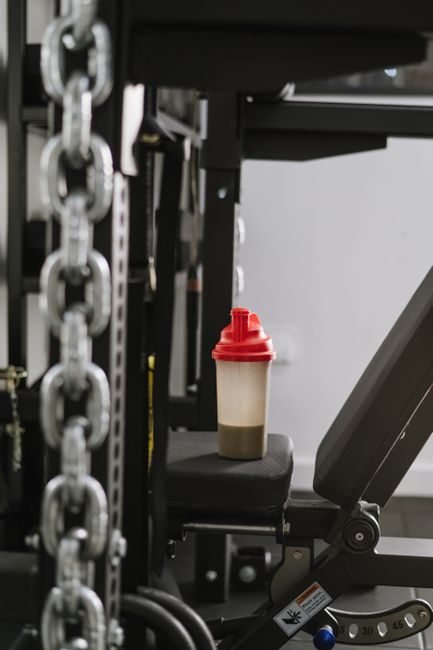
Does Creatine Timing Actually Matter More Than Consistency?
Short answer: no, not much. Creatine works by saturating your muscle stores over time, not by hitting your bloodstream at a magic moment like a stimulant would. Once your muscles are saturated, having a slightly higher blood creatine level right before or right after training doesn’t move the needle much on strength or muscle gains.
A well-known trial that directly compared pre-workout versus post-workout creatine dosing found post-workout timing produced marginally better body composition and strength results over several weeks. But the gap was small, and plenty of other studies show no meaningful difference at all. If you’re asking “should I take creatine before or after workout,” the honest answer is that either works, and picking one consistently beats switching back and forth or skipping days while you wait for the “right” time.
Should You Load Creatine or Just Take 5g Daily?
You’ve probably seen loading protocols that call for 20g a day split into four doses for the first week, followed by a 5g maintenance dose. Loading does saturate your muscles faster, usually within five to seven days instead of three to four weeks. But faster saturation isn’t the same as better long-term results. Both approaches land you at the same fully-saturated state eventually.
For most people training with a coach or on their own, skipping the loading phase and just taking 5g every day from day one is simpler, gentler on the stomach, and gets you to the same place. We build creatine protocols for our clients around this simple daily dose rather than complicated loading schedules, because adherence matters more than shaving a few weeks off the saturation curve.
Does Creatine Need a Workout to Work?
No. This is one of the biggest misconceptions we run into. Creatine doesn’t need exercise to be absorbed or to do its job. It gets stored in your muscle tissue as phosphocreatine, and that pool gets filled up over days and weeks based on how much you take, not on whether you trained that day.
So can I take creatine without working out? Yes. If you take a rest day, or you’re traveling and miss a session, your creatine dose still counts toward your stores. The compound isn’t wasted just because you didn’t lift anything. This also answers can we take creatine without workout with a straightforward yes. It’s a nutritional supplement that builds up over time, not a pre-game trigger you need to “activate” with training.
What About Protein and Whey Protein Timing?
Since people usually search creatine and protein timing together, it’s worth covering both. The old idea of a tight “anabolic window” where you had to slam a protein shake within 30 minutes of finishing your workout has been walked back by more recent research. Total daily protein intake, spread across three to five meals, matters far more than hitting a narrow post-workout window.
That said, protein before or after workout still has a practical answer: both can work, and what matters most is that you’re getting enough protein across the day. If you trained fasted or it’s been several hours since your last meal, a protein shake before or after workout helps close that gap and supports recovery. Whey protein before or after workout is popular because it digests quickly, but casein or a regular meal with protein powder mixed in works just as well if your daily total is on track. If you’re wondering whether protein powder before or after workout changes your results, the research says the surrounding meals and your total intake matter more than the exact minute you drink the shake.
Creatine and Protein Timing at a Glance
| Supplement | Before Workout | After Workout | What Actually Matters Most |
|---|---|---|---|
| Creatine (5g) | Works fine, no digestive load during training | Slight edge in some studies, still marginal | Taking it every single day |
| Whey / Protein Powder | Fine if it’s been a few hours since your last meal | Convenient, easy to digest post-training | Hitting your total daily protein target |
| Pre-workout supplements | Needed 20 to 45 minutes before training to kick in | Not applicable | Timing does matter more here, unlike creatine |
Notice the difference in that last row. Timing genuinely matters for stimulant-based pre-workout supplements, since they rely on caffeine and other ingredients hitting your bloodstream right before training. Creatine doesn’t play by the same rules.
How Do You Build a Daily Creatine Habit That Actually Works?
Since timing isn’t the deciding factor, the real question is adherence. Pick a moment in your day you’ll never skip: with breakfast, mixed into your post-workout shake, or alongside your evening meal. Consistency beats precision every time.
A few practical habits we recommend to clients:
- Mix your 5g dose into whatever drink you already have daily, coffee, juice, or your protein shake.
- Keep the tub somewhere visible, like next to your kettle or gym bag, so you don’t forget it.
- Don’t stress about taking it before workout on training days and after on rest days. Pick one anchor point and stick with it.
- Stay consistent with water intake, since creatine draws some water into muscle cells.
We see clients get far better long-term results once they stop treating creatine like a pre-workout ritual and start treating it like a daily supplement they take no matter what their training schedule looks like that week.
What Should You Eat Before or After a Workout?
Beyond supplements, food timing around training genuinely does matter, more than creatine timing does. What you eat before or after workout affects how much energy you have during the session and how well you recover afterward. A meal with carbs and moderate protein one to three hours before training gives you fuel to push through your sets. If you’re short on time, a lighter, easily digestible pre-workout meal closer to your session works too.
After training, your body is primed to replenish glycogen and repair muscle tissue, so a meal with protein and carbs within a couple of hours supports that process well. We go into more detail on exactly what to eat and when in our guide to after workout food. The short version: don’t skip meals around training, but don’t panic if you eat a bit earlier or later than planned either.
Common Questions About Creatine Timing
Should I take creatine before or after a workout?
Either works. Studies show only a slight edge for post-workout dosing in some cases, but the difference is small. What actually drives results is taking 5g daily, every day, at a time you’ll consistently remember. Pick before or after training based on convenience, not because one is scientifically superior.
Can I take creatine without working out?
Yes. Creatine builds up in your muscle tissue over days and weeks regardless of exercise. It doesn’t require a training session to be absorbed or stored. Taking it on rest days, or even during periods when you’re not training at all, still contributes to maintaining your saturated creatine levels.
Can we take creatine after workout?
Yes, and it’s a popular choice since many people mix it into their post-workout shake anyway. Some research shows a very small advantage to post-workout timing over pre-workout timing, though the effect is minor. Taking creatine before and after workout on the same day also isn’t necessary, one 5g dose covers your daily needs.
If you’d rather not sort through timing debates on your own, this is exactly the kind of detail we handle for you inside FitStrot’s 1-on-1 personal training programs. Our coaches build your supplement, nutrition, and training plan around your actual schedule, not a generic protocol, so you can stop second-guessing when to take what and just get consistent results.