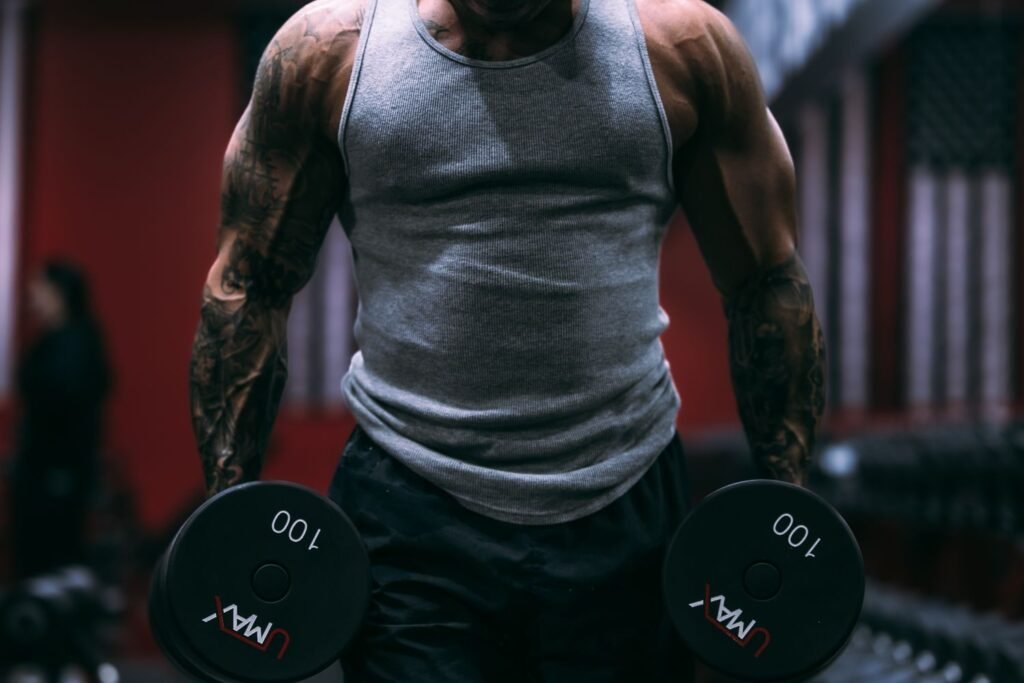
A chest triceps workout pairs pressing movements for the chest with isolation and compound work for the triceps in the same session, usually as a push-day split. It works because the triceps are already doing heavy lifting on every bench press, incline press, and dip you perform for chest, so training them together respects how the muscles actually function instead of fighting it. Most lifters can hit chest and triceps hard in 45 to 60 minutes with four to six exercises, then leave the muscles alone for 48 hours to recover before the next push session.
Why Do Chest and Triceps Work So Well Together?
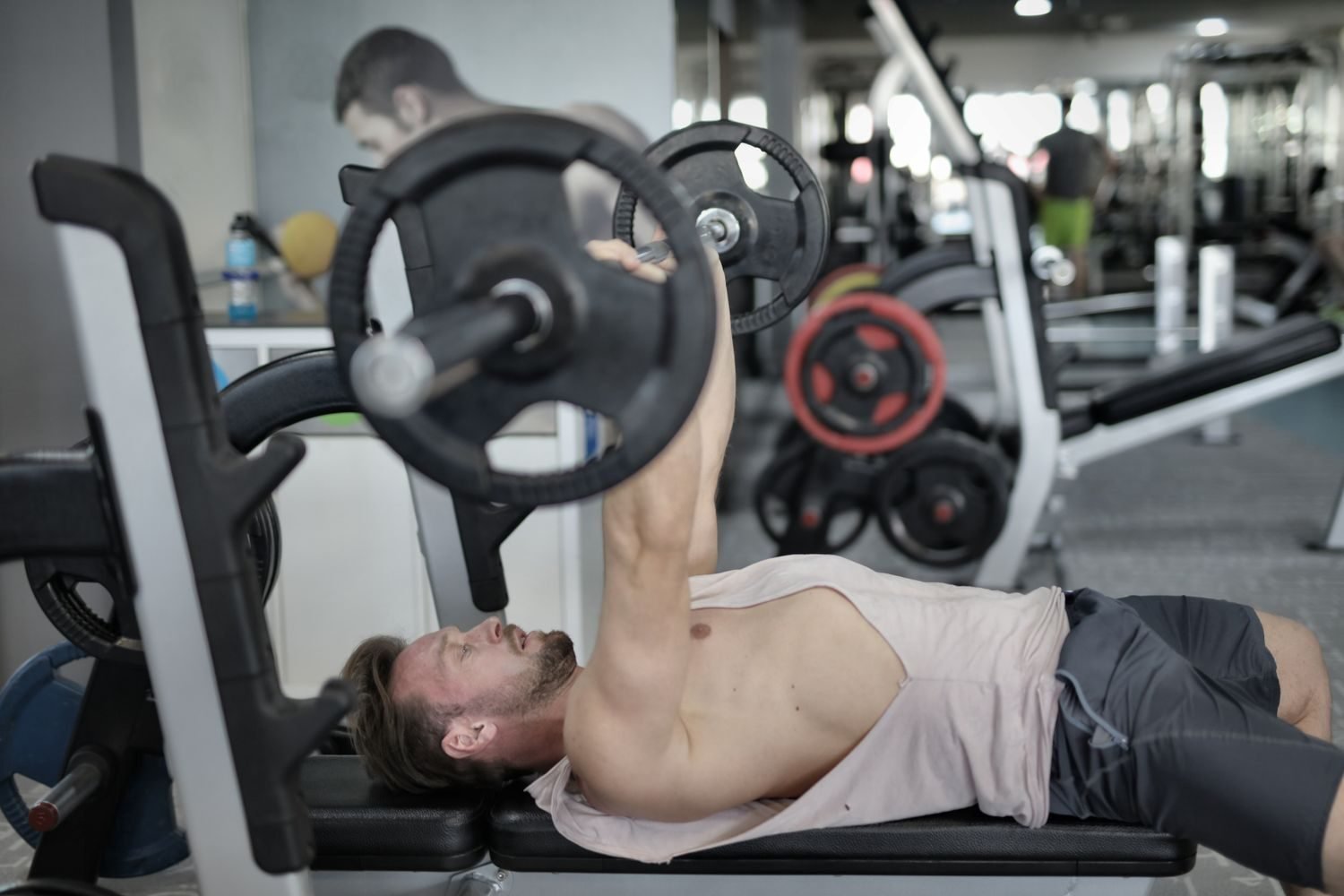
Chest and triceps are both pushing muscles. Every time you press a barbell, dumbbell, or cable away from your body, your triceps extend your elbow while your chest and front delts drive the shoulder joint. You cannot separate the two in a bench press or a dip even if you wanted to. The triceps are working as a secondary mover on nearly every chest exercise in your program.
That overlap is exactly why pairing them makes sense instead of splitting them across different days. If you train chest on Monday and triceps on Thursday, your triceps are already partially fatigued from Monday’s pressing before Thursday’s session even starts. Training them together lets you use that pre-fatigue on purpose. You hit chest first while the triceps are fresh enough to support heavy pressing, then finish the triceps off with isolation work once the big compound lifts are done.
This is also why bodybuilders and physique athletes have used the chest-triceps push pairing for decades. It’s not a trend. It’s a straightforward application of how the muscles share a joint action.
How Do You Structure a Chest Triceps Workout?
Start with the heaviest, most technical chest movement first, usually a barbell or dumbbell press. Your nervous system is freshest at the start of the session, and pressing movements need stable shoulders and a strong triceps contraction to lock out, so you want them early. Move through two to three chest exercises, going from flat to incline or from compound to isolation, then shift into triceps work. For more pressing and fly variations to rotate through, our chest workouts guide covers the full range in more detail.
For triceps, pick one compound movement that still involves some chest and shoulder assistance, like close-grip bench press or weighted dips, then finish with one or two isolation moves such as pushdowns or overhead extensions. This order lets you lift heavier on the exercises that need the most total-body coordination and saves the pure isolation work for when you’re already fatigued, which is fine because isolation exercises don’t need max loads to be effective.
Keep the whole session to five or six exercises. We see a lot of people try to cram eight or nine movements into one chest-triceps day and end up with weak, sloppy sets by the end because they never fully recovered between exercises. Quality reps on fewer movements beat volume for volume’s sake.
What Does a Full Chest Triceps Workout Look Like?

Here’s a complete push-day session you can use as-is or adjust based on your equipment and experience level. Rest periods are longer for the heavy compound lifts and shorter for isolation work.
| Exercise | Sets | Reps | Rest | Primary Target |
|---|---|---|---|---|
| Barbell Bench Press | 4 | 6-8 | 2-3 min | Chest (overall mass and strength) |
| Incline Dumbbell Press | 3 | 8-10 | 90 sec | Upper chest |
| Flat Dumbbell Fly or Cable Fly | 3 | 10-12 | 60-75 sec | Chest (stretch and squeeze) |
| Weighted Dips or Close-Grip Bench Press | 3 | 8-10 | 90 sec | Triceps and lower chest |
| Overhead Dumbbell Triceps Extension | 3 | 10-12 | 60 sec | Triceps (long head) |
| Rope Triceps Pushdown | 3 | 12-15 | 45-60 sec | Triceps (lateral and medial head) |
If you’re pressed for time, drop the fly and one triceps isolation exercise and stick to four movements. If you’re more advanced and recovering well, you can add a superset of diamond push-ups to failure after the pushdowns as a finisher.
How Often Should You Train Chest and Triceps?
Once or twice a week is enough for most people. If you’re following a push/pull/legs split, chest and triceps naturally land on your push days, which usually works out to twice weekly if you run the split six days a week, or once weekly if you’re doing a more relaxed four-day rotation. Twice a week tends to produce faster strength and size gains because you’re getting more total practice with the movement patterns, but only if recovery keeps up.
Triceps recover a bit faster than chest in most lifters because they’re a smaller muscle group, but they still take a beating from every pressing exercise in the session. Give the muscle group at least 48 hours before you load it heavy again. If your triceps are still sore going into the next push day, that’s a sign to either reduce volume or add a rest day, not push through it.
What Are the Benefits of a Chest Triceps Workout?
The biggest benefit is efficiency. You train two muscle groups that already work together in one session instead of scheduling separate days for each, which frees up training days for legs, back, or shoulders. It also means your triceps get direct, dedicated volume instead of only the indirect work they pick up from pressing, which matters if arm size or lockout strength is a goal.
Pairing the two also improves your pressing numbers over time. Stronger triceps translate directly into a stronger lockout on the bench press, and a stronger chest gives you more power off the chest for that same lift. Training them in the same session, in the right order, reinforces both qualities without adding extra days to your week. If you’d rather rotate chest with a different muscle group on different days, our guide on chest and bicep workout pairings walks through how that grouping decision plays out across a full week.
What Mistakes Should You Avoid?
A few habits quietly wreck a chest triceps session:
- Training triceps first. If you fatigue your triceps with pushdowns and extensions before you bench press, your pressing numbers drop and you lose out on the chest stimulus that should be the priority of the day. Always press for chest first, isolate triceps second.
- Skipping a variety of pressing angles. Flat bench alone won’t build a complete chest. Mixing in incline work targets the upper chest, which tends to lag for most lifters, especially those who only bench flat.
- Ignoring form on triceps isolation work just because the weights are lighter. Swinging the elbows out on pushdowns or using momentum on overhead extensions shifts the load off the triceps and onto the shoulders, which defeats the purpose of the exercise and raises injury risk for no benefit.
Is a Chest Triceps Workout Right for You?
If you’re following any kind of push/pull/legs or upper/lower split, pairing chest and triceps is close to a default choice, not an optional add-on. It’s the natural grouping given how the muscles function together. The only lifters who might skip it are those running a strict bro-split with a dedicated arm day, and even then, chest day usually still hits the triceps hard whether it’s programmed or not.
Getting the exercise selection, order, and load right for your specific goals and experience level is where a lot of people get stuck. A generic template works for a while, but progress stalls when the program doesn’t adjust to your recovery, your sticking points, or your schedule. That’s where working with a coach who can build and adjust your plan around you, rather than handing you a static PDF, makes the difference. FitStrot’s 1-on-1 personal training program does exactly that, with programming built around your specific chest and triceps development, not a one-size-fits-all template.
Frequently Asked Questions
What is a chest triceps workout?
A chest triceps workout is a training session that combines pressing exercises for the chest with compound and isolation exercises for the triceps, usually structured as a push day. It works because the triceps assist the chest on nearly every pressing movement, so training them together matches how the muscles function.
How do you do a chest triceps workout?
Start with your heaviest chest press, like barbell or dumbbell bench press, while you’re fresh. Follow with one or two more chest exercises at different angles, then move into triceps work, starting with a compound movement like close-grip bench or dips before finishing with isolation exercises like pushdowns or extensions.
What are the benefits of a chest triceps workout?
Pairing chest and triceps saves training days since the muscles already work together, gives the triceps direct volume beyond what pressing provides indirectly, and improves lockout strength on pressing movements. It’s an efficient way to build both muscle groups without needing separate dedicated sessions each week.
How many exercises should be in a chest triceps workout?
Five to six exercises is enough for most lifters, split roughly three for chest and two to three for triceps. Going beyond that usually means the later sets suffer from fatigue rather than adding real training benefit. Fewer, higher-quality sets beat cramming in extra movements.
Can beginners do a chest triceps workout?
Yes. Beginners should use lighter loads and focus on form for the first few weeks, especially on pressing movements. A simple version with one chest press, one chest isolation move, and two triceps exercises is plenty to start building strength and technique before adding volume.