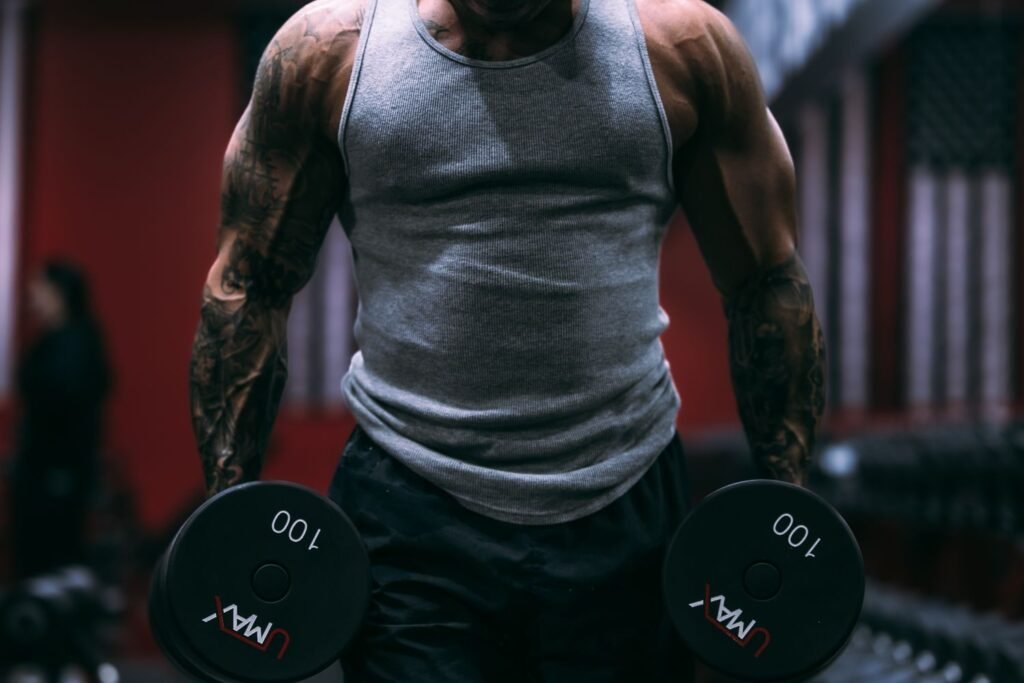
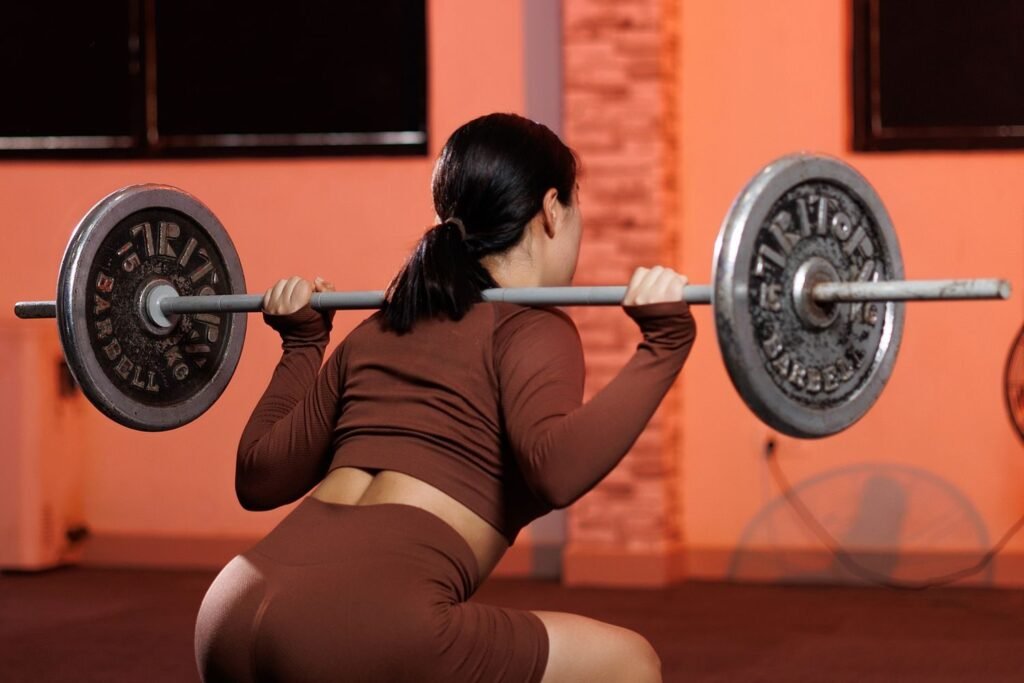
A good butt workout trains three muscles at once: the glute max for power and shape, the glute medius for hip stability, and the hamstrings and core that support both. The best butt workouts mix a heavy compound lift (like a hip thrust or squat), a unilateral move (like a split squat or step-up), and a band or isolation exercise for the side glute. Do that two to four times a week, progressively add weight or reps, and give the muscle 48 hours to recover. That combination, done consistently for a few months, is what actually changes how your butt looks and performs, not random lunges done once a week.
We get asked about butt workouts more than almost any other topic at FitStrot, and honestly, it’s one of the most rewarding areas to coach because progress shows up fast in how clothes fit and how strong someone feels doing daily stuff like stairs or picking up a toddler. This guide keeps things practical. We’ll cover the best moves, a real workout you can run at home or in the gym, how training differs a bit for men and women, and what actually builds a bigger butt over time. If you want the deeper anatomy breakdown of the muscle itself, we’ve covered that in our glute workouts for women article. This one’s the broader, no-fuss version.
What Do Butt Workouts Actually Train?
Your butt isn’t one muscle, it’s three: gluteus maximus, medius, and minimus. The maximus is the big one that gives shape and drives hip extension (standing up, sprinting, climbing). The medius and minimus sit higher on the side of the hip and control balance and rotation, which is why they show up so often in hip workouts too. A well-rounded butt workout doesn’t just chase the “biggest” muscle, it trains all three angles: hip extension, hip abduction, and hip external rotation.
Skip any one of those and you get imbalances. We’ve trained plenty of people who did squats for years and still had flat, weak side glutes because nothing in their routine ever pulled the leg out to the side. That’s an easy fix once you know to add it.
What Are the Best Exercises for a Rounder Butt?
If you’re chasing a round butt workout specifically, prioritize movements that load the glute at a deep hip flexion angle, since that’s where a lot of the “roundness” comes from. Here’s what actually earns its spot in a program:
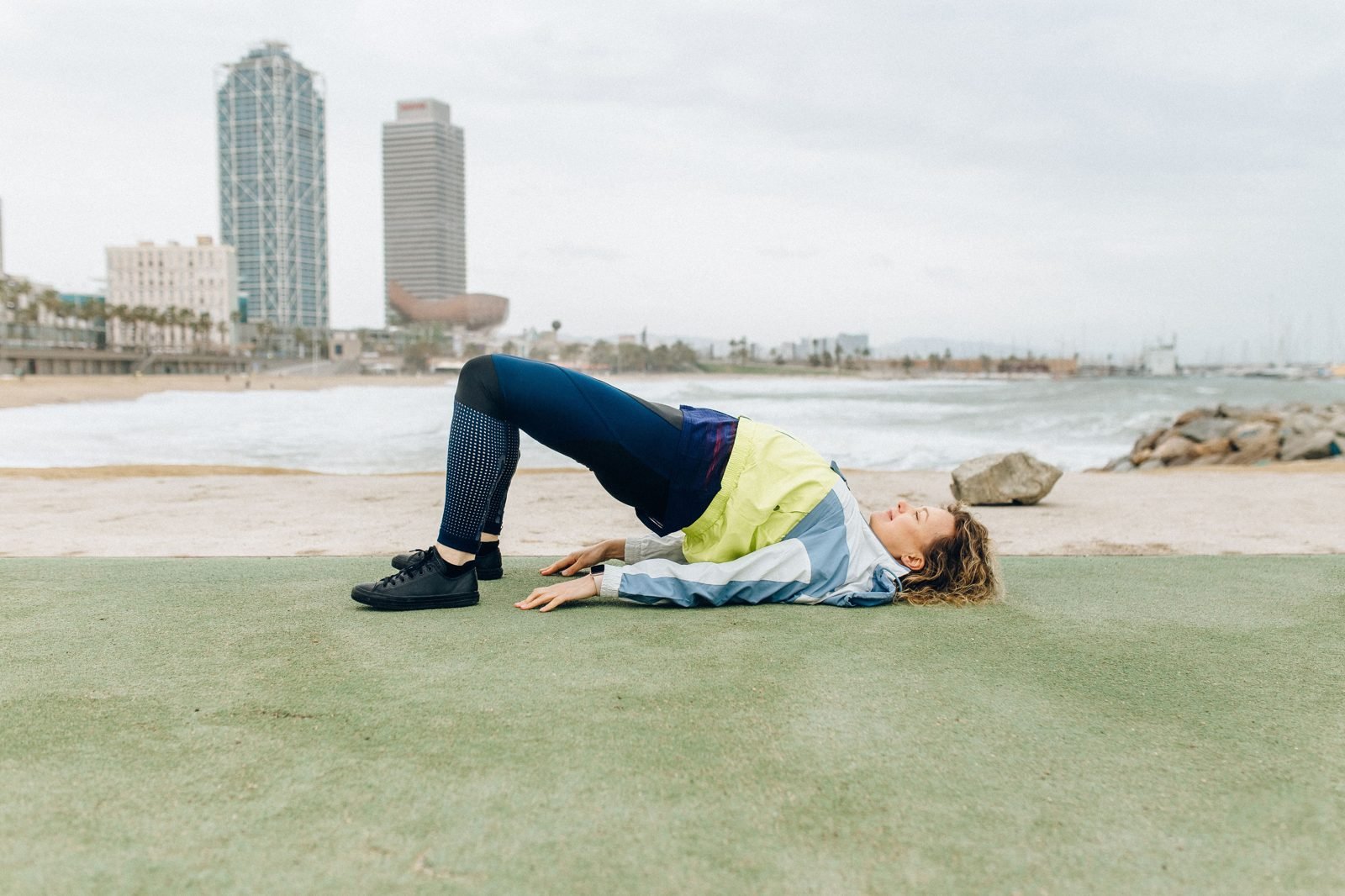
- Hip thrusts: the single best exercise for pure glute loading, at home with a couch or a bench, or with a barbell at the gym.
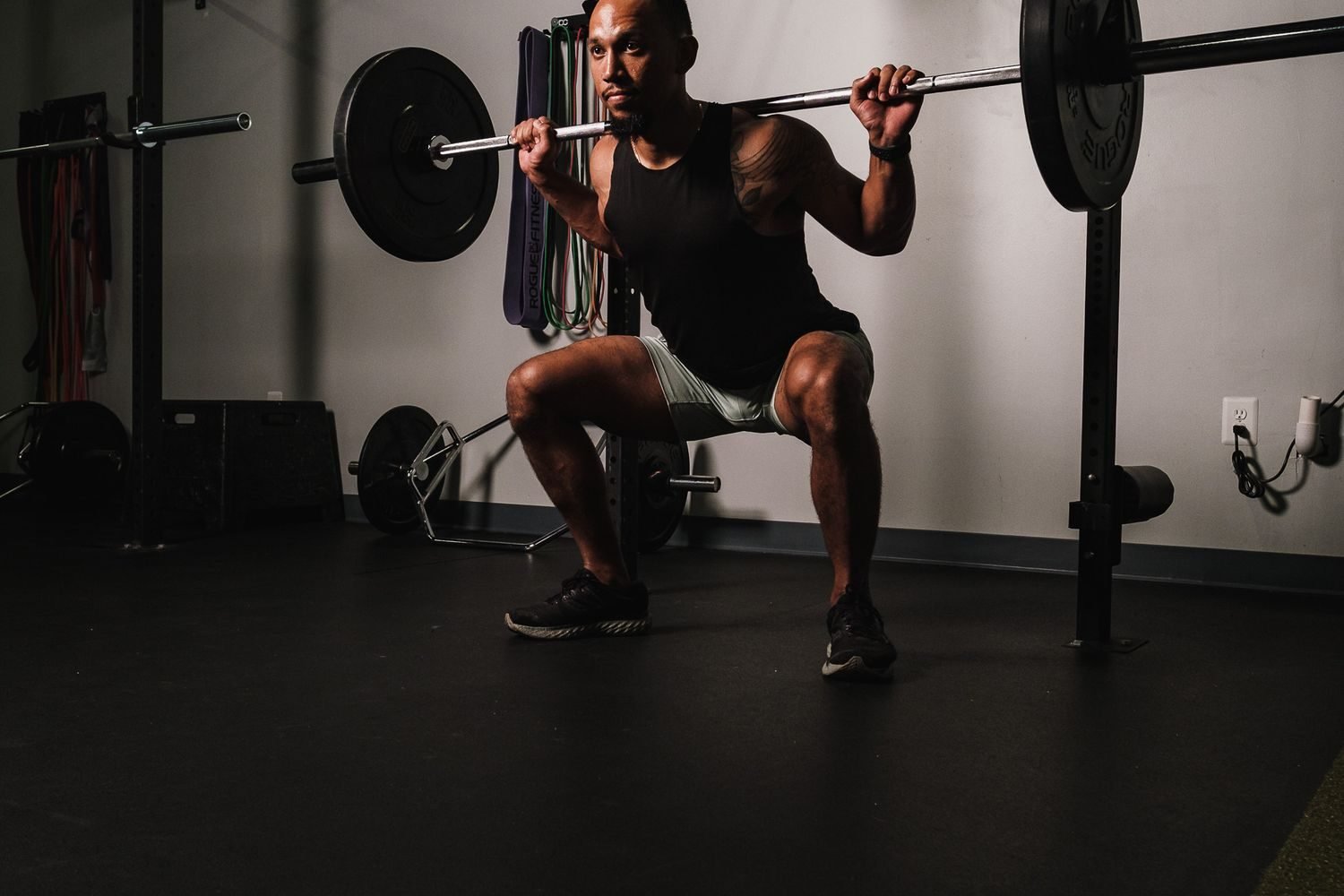
- Barbell or goblet squats: build overall size and strength through the whole lower body, glutes included.
- Romanian deadlifts: hit the glute-hamstring tie-in and build the rounded lower curve.
- Bulgarian split squats: brutal but effective for shape, and they expose left-right imbalances fast.
- Step-ups: simple, joint-friendly, and easy to load progressively at home with a box or stairs.
- Banded lateral walks and clamshells: small moves, big payoff for the side glute and hip stability.
- Cable or band kickbacks: isolate the glute without other muscles taking over.
None of these are secret. The difference between people who see results and people who don’t is usually load progression and consistency, not which exercise they picked.
What Does a Sample Butt Workout Look Like?
Here’s a full session we’d actually program for a client, with gym and home versions side by side so you can run it wherever you are.
| Exercise | Sets x Reps | Rest | Gym Variation | Home Variation |
|---|---|---|---|---|
| Hip Thrust | 4 x 10-12 | 90 sec | Barbell hip thrust with bench | Single-leg hip thrust off a couch or bag of weight on lap |
| Squat | 3 x 8-10 | 90 sec | Barbell back squat | Goblet squat with a heavy bag or filled backpack |
| Romanian Deadlift | 3 x 10 | 75 sec | Barbell or dumbbell RDL | Dumbbell or resistance band RDL |
| Bulgarian Split Squat | 3 x 10 per leg | 60 sec | Dumbbells, rear foot on bench | Rear foot on a chair, use water bottles or dumbbells |
| Step-Up | 3 x 12 per leg | 60 sec | Box with dumbbells | Sturdy stair or stool, bodyweight or backpack load |
| Banded Lateral Walk | 3 x 15 steps each way | 45 sec | Mini band above knees | Same, mini bands are cheap and travel well |
| Glute Kickback | 3 x 15 per leg | 45 sec | Cable machine | Ankle band or bodyweight, slow and controlled |
Run this two to three times a week with a day of rest between sessions. If your legs are still sore from the last session, push it back a day rather than powering through with bad form.
Are Butt Workouts Different for Women and Men?
Not really, and that surprises a lot of people. The core movements for butt workouts for women and butt workouts for men are the same: hip thrusts, squats, RDLs, split squats. What changes is emphasis and goal. Women often come to us wanting more shape and lift, so we’ll bias toward higher rep ranges on hip thrusts and add more side-glute work like lateral walks and clamshells to build that rounder, fuller look. It’s a common enough goal that we wrote a whole separate piece on it in our glute workouts for women guide if that’s your main focus.
Men typically care more about total strength and athletic carryover, sprint speed, jump height, squat numbers, so we’ll load heavier and push lower rep ranges on the compound lifts while still keeping the accessory work in for balance and injury prevention. Neither approach is “better,” they’re just tuned to different goals. Anyone, regardless of gender, benefits from training all three glute muscles rather than obsessing over one lift.
Can You Really Build a Bigger Butt?
Yes, but let’s be straight about the timeline. Building noticeable size in the glutes is a hypertrophy process, and hypertrophy takes months, not weeks. You need three things working together: progressive overload (adding weight, reps, or sets over time), enough protein and total calories to actually build tissue, and consistent training, ideally three sessions a week without long gaps.
Most people training seriously start noticing real shape changes around eight to twelve weeks, with more dramatic results showing up closer to six months. If you’re in a calorie deficit trying to lose fat at the same time, muscle growth will be slower, that’s just biology, not a failure on your part. Bigger butt workouts work, but they need patience and a barbell that gets heavier over time, not a different exercise every week.
How Often Should You Train Your Butt?
Two to four times a week is the sweet spot for most people. Two sessions is enough to maintain and slowly build if you’re also doing other lower body work. Three to four sessions, with varied rep ranges and enough recovery between them, is where you’ll see faster changes in strength and shape. Training it every single day isn’t smarter, it just adds fatigue without giving the muscle time to actually repair and grow. If you’re sore and moving stiffly, that’s your body asking for a rest day, not another set of squats.
What Mistakes Are Killing Your Progress?
A few show up again and again in our coaching sessions:
- Going too light for too long. If your last few reps feel easy, the weight isn’t doing its job. Progressive overload means the exercise should genuinely challenge you.
- Skipping the side glute. Squats and deadlifts alone won’t build the medius. Add lateral band work.
- Letting the quads take over. Squatting too upright or thrusting with poor form shifts work away from the glutes. Slow down and focus on squeezing at the top of each rep.
- Training butt but ignoring diet. You can’t build muscle in a severe calorie deficit. Eat enough protein, roughly 1.6 to 2 grams per kilogram of bodyweight, and don’t starve the process.
- Quitting after three weeks. Real change takes months. Give it time before deciding something isn’t working.
Should You Train at Home or at the Gym?
Both work. Butt workouts at the gym give you access to barbells, cable machines, and heavier loads, which makes progressive overload easier over the long run. Butt workouts at home can absolutely build strength and shape too, especially with resistance bands, a weighted backpack, and a sturdy chair or step, but you’ll eventually need to get creative with load once bodyweight and bands stop being challenging. If you’re serious about long-term size, a mix of both, or at least occasional gym access, will get you there faster.
If you want the fundamentals in one place before mixing home and gym days, our glutes workout guide breaks down programming basics that pair well with everything here.
Do You Need a Coach for This?
You don’t need one to get started, but form breakdowns on hip thrusts and RDLs are common, and a few bad habits can quietly stall progress for months without you noticing. This is exactly the kind of thing a coach catches early. If you’d rather not guess at load, reps, and recovery on your own, FitStrot’s 1-on-1 personal training pairs you with a coach who builds your butt workout plan around your goals, equipment, and schedule, and adjusts it as you progress.
Frequently Asked Questions
What are the best butt workouts?
Hip thrusts, squats, Romanian deadlifts, Bulgarian split squats, and banded lateral walks form the core of an effective routine. Hip thrusts give the most direct glute loading, while squats and deadlifts add overall strength. Combine a compound lift, a unilateral move, and a band exercise for complete coverage.
How do you do butt workouts?
Pick two to three exercises that hit hip extension and hip abduction, load them with enough weight to challenge your last few reps, and train two to four times a week with a rest day between sessions. Progressively increase weight or reps over time, and prioritize form over speed, especially on hip thrusts and squats.
What are the benefits of butt workouts?
Beyond shape and appearance, strong glutes improve running speed, jumping power, and posture, and reduce strain on the lower back and knees during everyday movement. They also support hip stability, which lowers injury risk during sports, stairs, or simply standing up from a chair repeatedly through the day.
Can you build a bigger butt without weights?
Yes, to a point. Bodyweight moves like step-ups, glute bridges, and banded lateral walks build real strength and some shape change, especially for beginners. But once your muscles adapt, you’ll need added resistance, bands, a weighted backpack, or dumbbells, to keep progressing and building noticeable size.
How long before you see results from butt workouts?
Most people feel stronger within two to three weeks and start seeing visible shape changes around eight to twelve weeks with consistent training and adequate nutrition. Bigger, more dramatic changes typically take four to six months of steady progressive overload, so patience matters as much as the workout itself.