An anti-inflammatory diet plan means building most of your meals around fatty fish, colorful produce, olive oil, nuts, and whole grains, while limiting ultra-processed foods, refined sugar, and industrial trans fats. It isn’t a single official diet with a rulebook — it’s an eating pattern, closely related to the Mediterranean-style way of eating, that a growing body of research links to lower markers of chronic inflammation. Below is the actual food list, the science behind it, and a sample day to show what it looks like on a plate.
What Is Inflammation, Really — and Why Does Food Affect It?
Inflammation itself is not the enemy. Acute inflammation is your immune system doing its job: the redness and swelling after a cut, or the fever that shows up with the flu, are short bursts of immune activity that resolve once the threat is gone. That’s healthy and necessary.
Chronic low-grade inflammation is a different story. According to Harvard Health, in chronic inflammation immune cells stay switched on at a low level for months or years, sometimes attacking healthy tissue in the process. This persistent, low-level activation has been linked to heart disease, type 2 diabetes, certain cancers, dementia, and inflammatory bowel conditions. Unlike acute inflammation, it often produces no obvious symptoms — you feel fine while it quietly does damage in the background.
Diet is one of the few levers you can pull directly. Harvard Health notes that the typical Western diet — heavy in red and processed meat, refined starches, and added sugar — tends to promote this kind of inflammation, while a more plant-forward, Mediterranean-style pattern is associated with lower rates of inflammatory disease. That’s the entire premise of an “anti-inflammatory diet”: shift the balance of what’s on your plate, consistently, over time. The payoff shows up in places you might not expect, from cardiovascular markers to joint health and mobility.
Which Foods Actually Have Evidence Behind Them?
Not every food marketed as “anti-inflammatory” has real research support. Here are the categories that do.
Fatty Fish and Omega-3s
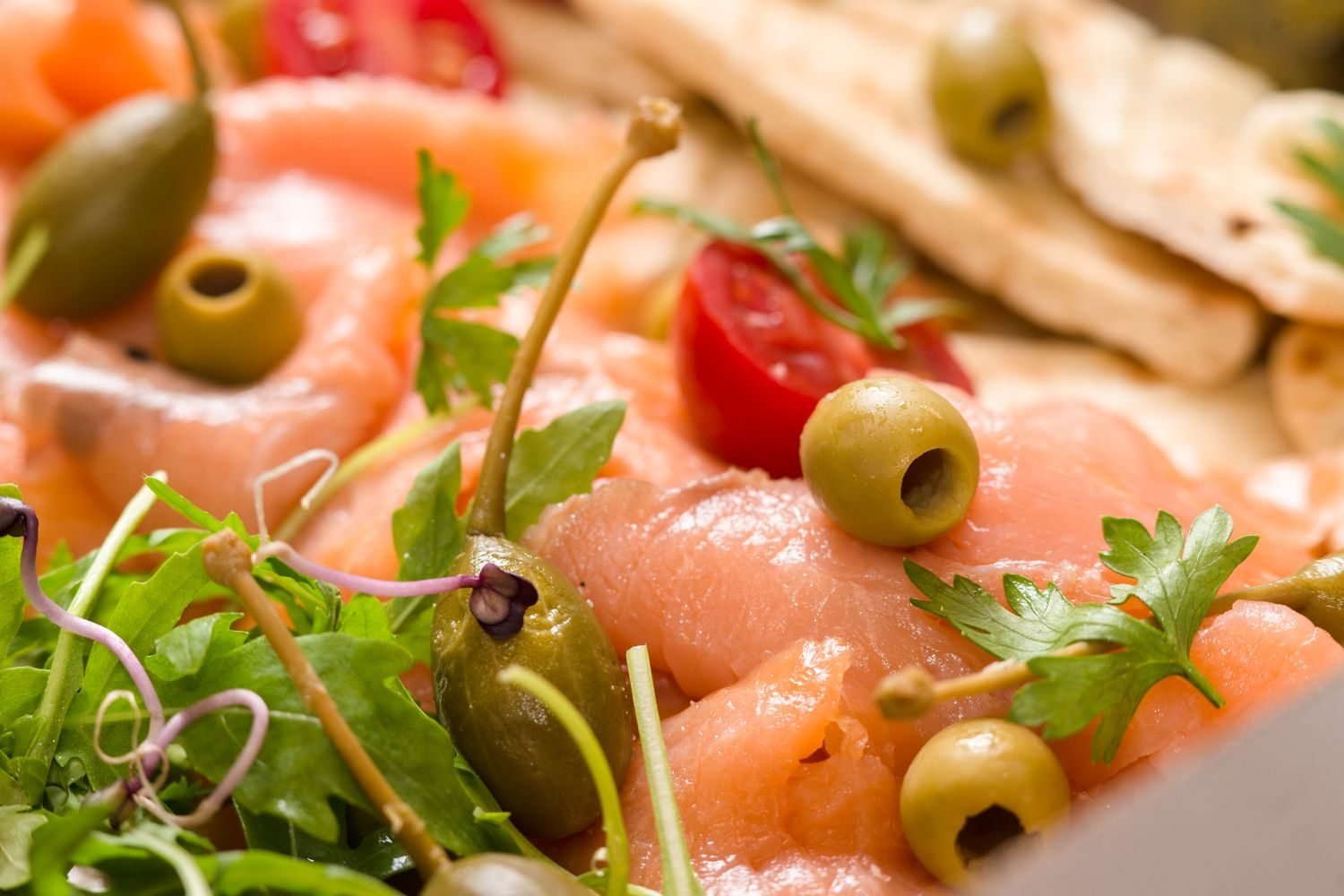
Salmon, sardines, mackerel, and other fatty fish supply EPA and DHA, the long-chain omega-3 fats that appear to directly interfere with the body’s inflammatory signaling. Research summarized by Harvard Health explains that omega-3s can help block some of the compounds the body produces during an inflammatory response. If fish isn’t your thing, walnuts, chia seeds, and flaxseed provide plant-based omega-3s (ALA), though conversion to the more active EPA/DHA forms is limited — a good reason to also lean on plant-based nutrition strategies that maximize what you get from whole-food sources. For a deeper dive into sourcing and dosing, see our guide to omega-3 nutrition.
Berries and Other Polyphenol-Rich Produce
Berries owe much of their effect to anthocyanins, the pigments that give them their color. Harvard Health reports that these compounds have an anti-inflammatory effect at the cellular level and are associated with lower risk of heart disease, cognitive decline, and diabetes. Polyphenols more broadly — found in berries, tea, and cocoa — have been studied for their effect on inflammatory markers, though results vary by study size and duration.
Extra-Virgin Olive Oil
Olive oil is one of the better-studied anti-inflammatory foods, largely because of the landmark PREDIMED trial, which found that a Mediterranean diet supplemented with extra-virgin olive oil significantly lowered C-reactive protein (CRP), a key inflammation marker, compared to a low-fat control diet. Olive oil contains oleocanthal, a compound that inhibits the same COX-1 and COX-2 enzymes targeted by anti-inflammatory medications like ibuprofen — which is part of why it behaves differently from more refined oils.
Leafy Greens
Spinach, kale, and other dark leafy greens are dense in vitamin K, carotenoids, and additional polyphenols. As part of the broader “eat more plants” pattern, Harvard Health identifies antioxidant-rich vegetables as central to anti-inflammatory eating because they help prevent or slow the cellular damage inflammation causes. They also do double duty for digestion — see our piece on nutrition and gut health for how fiber-rich vegetables support the gut microbiome, which itself influences systemic inflammation and even nutrient-related concerns like cholesterol levels.
Turmeric — With a Bioavailability Caveat
Turmeric’s active compound, curcumin, has documented antioxidant and anti-inflammatory properties in lab and clinical research. The catch: curcumin on its own is poorly absorbed. Studies on curcumin bioavailability have found that pairing it with piperine, the compound in black pepper, can increase absorption dramatically. In practical terms, this means sprinkling turmeric into a dish without any fat or black pepper likely delivers far less benefit than turmeric cooked with oil and a pinch of black pepper — a detail most “anti-inflammatory” food lists skip.
Which Foods Should You Limit — and Why?
The pro-inflammatory side of the equation gets less attention than the “eat this” lists, but it matters just as much.
- Ultra-processed foods: Packaged snacks, fast food, and heavily refined products are consistently linked to inflammatory patterns in observational research, likely from the combination of refined starch, added sugar, and industrial fats they contain together.
- Refined sugar and refined carbohydrates: Diets high in added sugar and refined grains are associated with elevated inflammatory markers over time. Sugar’s downstream effects also touch cardiovascular risk — see our explainer on whether sugar raises cholesterol for more on that connection.
- Industrial trans fats: Partially hydrogenated oils, found in some fried and packaged baked goods, are among the most consistently pro-inflammatory dietary fats identified in nutrition research, which is why many countries have restricted or banned them.
- Excess omega-6 from certain refined oils: This one is nuanced. Omega-6 fats aren’t inherently bad — they’re essential fats your body needs. The issue is ratio. Research published in the National Institutes of Health’s PMC database notes that Western diets typically run an omega-6 to omega-3 ratio of roughly 10:1 to 20-25:1, far higher than what’s considered balanced. Omega-6-derived compounds tend to promote inflammation while omega-3-derived compounds tend to resolve it, so when omega-6 intake — largely from soybean, corn, and other refined seed oils used heavily in processed food — dwarfs omega-3 intake, the balance tips in a pro-inflammatory direction. The fix isn’t eliminating omega-6, it’s eating more omega-3-rich foods to rebalance the ratio.

What Does a Full Anti-Inflammatory Food List Look Like?
Use this as a practical shopping and meal-planning reference rather than a strict checklist.
| Foods to Build Meals Around | Foods to Limit |
|---|---|
|
|
What Does a Sample Day Actually Look Like?
Here’s how these principles translate into real meals, not just a list on a page.
- Breakfast: Greek yogurt with mixed berries, ground flaxseed, and a small handful of walnuts.
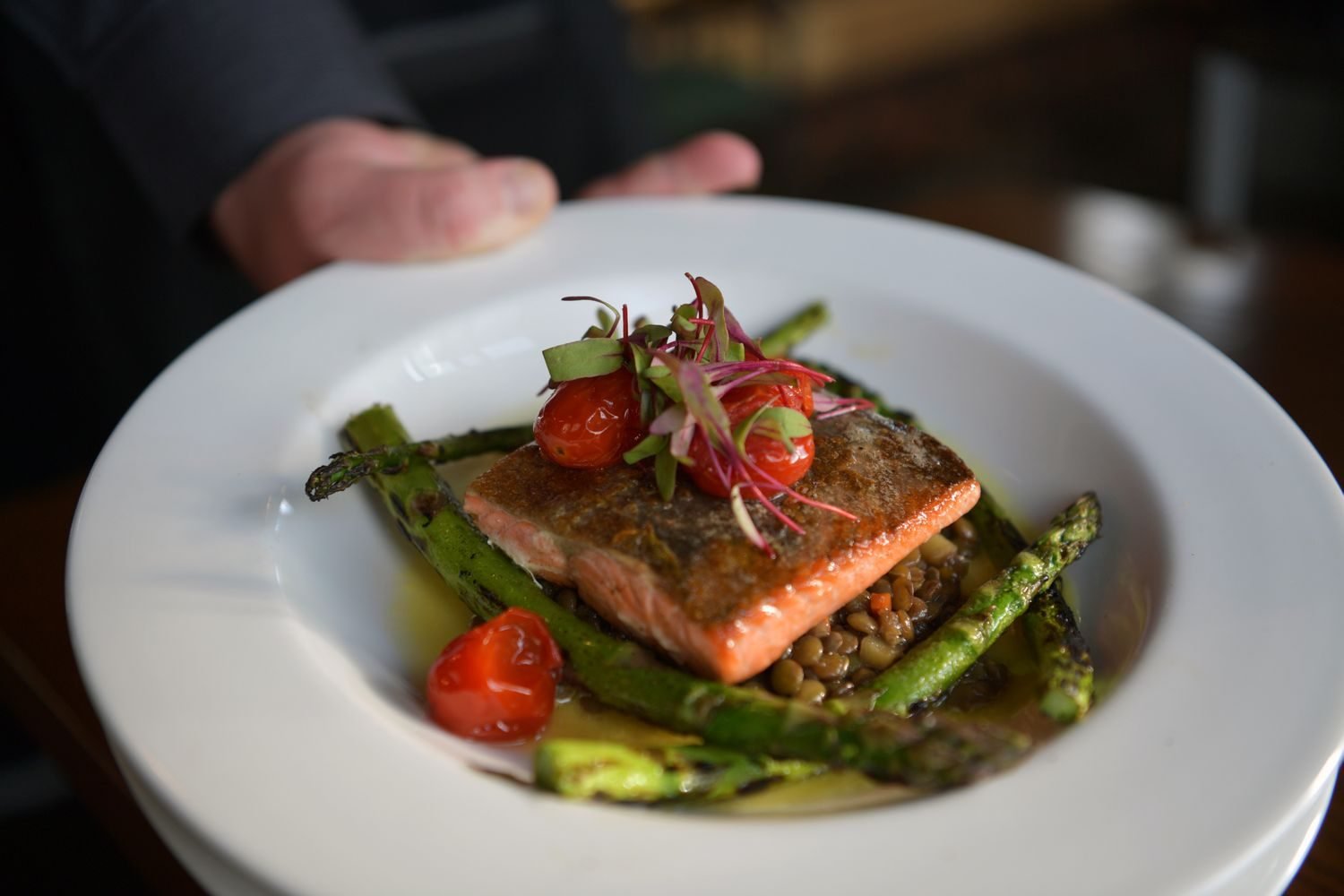
- Lunch: A big spinach and arugula salad with grilled salmon, chickpeas, cherry tomatoes, and an extra-virgin olive oil and lemon dressing.
- Snack: An apple with almond butter, or carrot sticks with hummus.
- Dinner: Roasted broccoli and sweet potato with a turmeric-ginger lentil stew, cooked in olive oil with a pinch of black pepper to help the turmeric absorb.
- Drink: Water, unsweetened green tea, or coffee in place of sugary beverages.
Notice this isn’t a restrictive plan of shakes or supplements — it’s whole foods, prepared simply, repeated consistently. That consistency is what the research actually supports; there’s no evidence that occasional treats or a single “bad” meal undoes the pattern.
Is There a Single “Best” Anti-Inflammatory Diet?
Not really — and it’s worth being upfront about that. “Anti-inflammatory diet” isn’t a medically standardized protocol the way, say, a diabetic exchange diet is. It’s a research-informed pattern that overlaps heavily with the Mediterranean diet, which does have decades of clinical trial data behind it, including the CRP reductions seen in the PREDIMED trial. Some newer research groups have also proposed formal “empirical anti-inflammatory diet indices” to score how anti-inflammatory a person’s overall diet is, but these are research tools, not consumer diet plans.
What the evidence does support is the general direction: more fish, produce, olive oil, nuts, and legumes; less ultra-processed food, added sugar, and trans fat. If you’re managing a specific condition — joint pain, autoimmune symptoms, or a chronic inflammatory diagnosis — this pattern is a reasonable foundation, but it works best alongside guidance tailored to your labs and medical history. For inflammation that shows up specifically as joint discomfort, our article on joint nutrition goes deeper into food choices for that particular concern.
Frequently Asked Questions
How long does it take to see results from an anti-inflammatory diet?
Some inflammatory markers, like CRP, can shift within weeks in clinical studies, but meaningful, sustained changes generally take consistent eating over several months. Chronic inflammation builds up over years, so expect gradual improvement rather than a quick fix, and pair dietary changes with sleep, activity, and stress management for best results.
Can I test whether I have chronic inflammation?
Yes — a common blood test is high-sensitivity C-reactive protein (hs-CRP), which your doctor can order. Other markers like IL-6 or homocysteine are sometimes used in research or specialist settings. A single elevated result isn’t a diagnosis on its own, so it’s worth discussing any results with a healthcare provider in context.
Is turmeric supplementation better than using it in cooking?
Both can help, but absorption is the limiting factor either way. Curcumin alone is poorly absorbed; pairing it with black pepper (piperine) or a fat source substantially improves uptake. A curcumin supplement formulated with piperine may deliver a more concentrated, consistent dose than food alone, but cooking turmeric into meals with oil and pepper is a reasonable everyday approach.
Do I need to avoid all omega-6 fats?
No. Omega-6 fats are essential nutrients your body can’t make on its own. The concern is an imbalanced ratio — most Western diets get far more omega-6 than omega-3 through processed foods cooked in refined seed oils. The practical fix is increasing omega-3 intake, not eliminating omega-6 entirely.
Is this diet safe for everyone, including people with autoimmune conditions?
The general pattern — more whole foods, less ultra-processed food — is broadly safe for most people. But autoimmune and inflammatory conditions vary widely in what triggers symptoms, and some people benefit from more individualized approaches like elimination protocols. Anyone with a diagnosed condition should coordinate dietary changes with their doctor or a registered dietitian.
If you want a plan built around your own labs, health history, and goals rather than a generic list, an online nutritionist consultation can help you turn these principles into a plan that actually fits your life.