Nutrition and gut health are connected through one specific mechanism: what you eat directly shapes the diversity and balance of trillions of bacteria living in your intestines, and that diversity is now considered one of the strongest markers of overall gut wellness. A more varied gut microbiome is linked to better digestion, stronger immune function, and lower inflammation. A less diverse one is associated with digestive discomfort and a growing list of metabolic issues researchers are still mapping out. This article looks specifically at the microbiome itself — what it is, why variety matters more than any single “good” bacteria, how everyday Indian fermented foods like curd, idli batter, and kanji feed it, and what the emerging gut-brain axis research does and does not tell us yet.
What exactly is the gut microbiome?
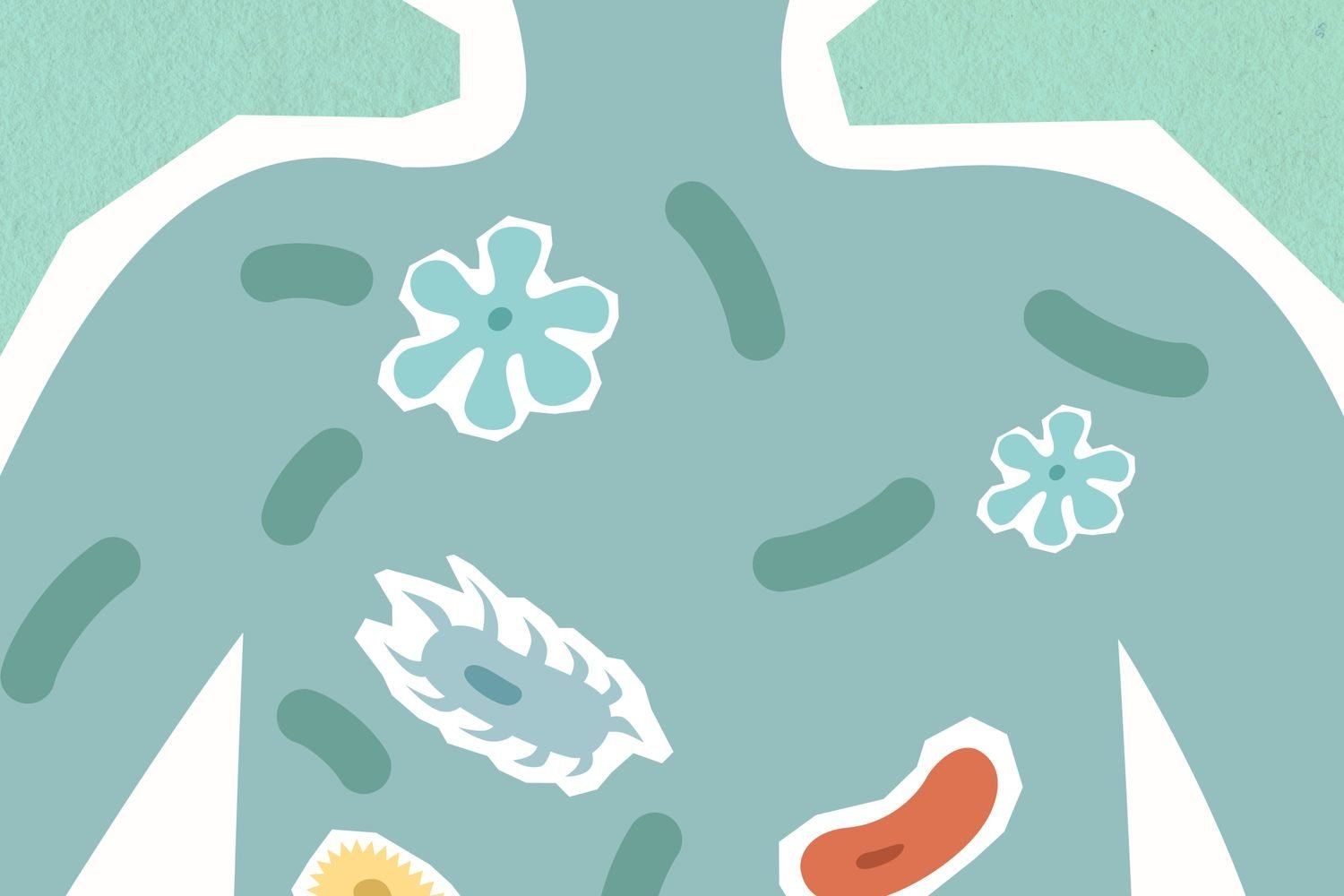
The gut microbiome is the community of bacteria, fungi, viruses, and other microbes living mainly in your large intestine — estimated at tens of trillions of organisms, roughly matching the number of human cells in your body. Unlike a single nutrient you can measure in a blood test, the microbiome is an ecosystem, and like any ecosystem, it functions best with a wide range of species rather than a handful dominating the space.
These microbes aren’t passive passengers. They break down fibre your own enzymes can’t digest, produce short-chain fatty acids like butyrate that feed the cells lining your colon, synthesize small amounts of vitamins, and train immune cells to tell the difference between harmless food particles and actual threats. A 2024 review on diet, gut microbiota, and health describes long-term dietary pattern as the single largest external factor shaping this ecosystem — more influential than most other lifestyle variables researchers have studied. This is the piece that separates a general nutrition and digestion conversation from a microbiome-specific one: digestion is about breaking food down and moving it through; the microbiome is about which organisms live in your gut long-term and what they do there.
Why does microbiome diversity matter more than any single “good” bacteria?
Diversity matters because a gut dominated by just a few bacterial species is less resilient — it has fewer backup systems when something disrupts it, whether that’s antibiotics, illness, or a stretch of poor eating. Research comparing Westernized dietary patterns to more traditional, plant-forward diets found that diet type had a greater effect on microbiome diversity than even body mass index, with low-fibre, highly processed eating patterns consistently linked to reduced bacterial variety and a condition researchers call dysbiosis, an imbalance where certain species crowd out others.
A high-diversity microbiome tends to include a broader mix of fibre-fermenting bacteria that produce beneficial byproducts, while a low-diversity one skews toward species associated with inflammation. This is why nutrition advice has shifted away from chasing one “superfood” bacteria and toward simply eating a wider variety of plant foods, fibres, and fermented foods over time. If you’re building a broader diet and nutrition plan, variety at the plate level is what eventually shows up as variety at the microbial level.
What actually feeds a diverse microbiome
- A wide range of plant foods across a week — different vegetables, fruits, legumes, and whole grains, not just repeating the same three or four
- Fibre-rich foods that reach the colon largely intact, giving bacteria something to ferment (see our detailed guide on fibre and nutrition for specific food sources)
- Fermented foods that introduce live, active bacterial cultures directly
- Minimizing ultra-processed foods, which tend to be low in fibre and associated with reduced bacterial diversity in observational studies
How do Indian fermented foods like curd, idli batter, and kanji support the microbiome?
India’s traditional food culture is, almost by accident, built around fermentation — and that matters for gut health because fermented foods are one of the few dietary interventions shown in controlled research to measurably increase microbiome diversity within weeks, not months.
A 2021 Stanford School of Medicine clinical trial published in the journal Cell followed 36 healthy adults over 10 weeks, splitting them between a high-fermented-food diet (yogurt, kefir, kimchi, and fermented vegetables) and a high-fibre diet. The fermented-food group saw a steady, measurable increase in overall microbiome diversity along with a drop in 19 inflammatory markers in their blood, including interleukin-6, a protein linked to chronic inflammation. Notably, the high-fibre group did not show the same rapid diversity increase over that short window — suggesting fermented foods may act faster, while fibre’s benefits build more gradually.
That finding lines up well with foods many Indian households already eat daily:
- Curd (dahi) — naturally fermented with live lactic acid bacteria, similar in principle to the yogurt used in the Stanford trial
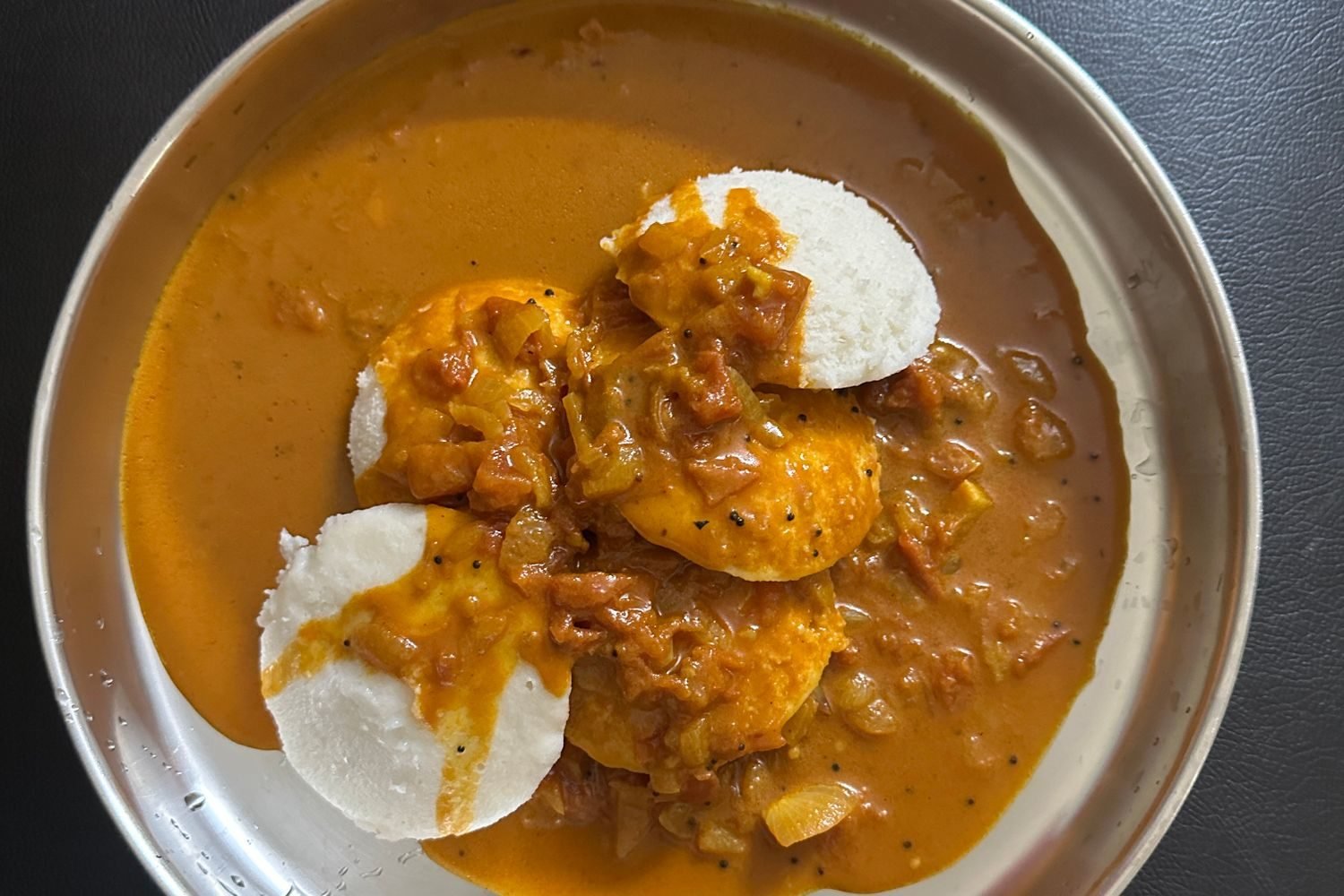
- Idli and dosa batter — fermented overnight using wild yeasts and lactic acid bacteria that thrive on rice and urad dal, which also improves the batter’s nutrient availability
- Kanji — the North Indian fermented carrot and mustard drink, made through a multi-day lacto-fermentation process similar to what produces sauerkraut or kimchi
- Pickles made through traditional lacto-fermentation — not the vinegar-and-oil shortcut versions, but ones fermented in brine, which develop live bacterial cultures over days
The distinction matters: commercial pickles preserved mainly in vinegar and oil, or pasteurized after fermentation, don’t carry the same live bacterial load as a traditionally fermented batch. For microbiome diversity, freshly fermented, unpasteurized versions do more of that work.
What is the gut-brain axis, and how strong is the evidence really?
The gut-brain axis refers to the two-way communication network linking your digestive system and your central nervous system — through the vagus nerve, immune signaling, hormones, and metabolites that gut bacteria produce. It’s a real, well-documented anatomical and biochemical pathway. What’s still being worked out is how much day-to-day influence gut bacteria composition actually has on mood, cognition, and mental health in otherwise healthy people.
Recent reviews describe the field as rapidly advancing but still largely built on animal studies, small human trials, and associations rather than proven cause-and-effect in humans. Research published in Scientific Reports in 2025 on gut-brain axis and neuropsychiatric health notes meaningful mechanistic progress — including how gut bacteria produce neurotransmitter precursors and short-chain fatty acids that can act on the nervous system — but frames most of this as early-stage, with human trials on targeted probiotics for mood or cognition still ongoing rather than concluded. Some of the most detailed disease-specific evidence, such as links between gut dysfunction and Parkinson’s disease, comes from people who already have a diagnosed neurological condition, not from healthy adults adjusting their diet for a mental health edge.
The honest, current summary: an active, still-developing gut-brain axis exists and is worth watching, but “eat fermented food for your mood” oversimplifies a field where researchers themselves are still working out mechanisms, dosages, and which of the thousands of gut bacterial species matter most. Treat any strong claims about probiotics curing anxiety or fixing focus with healthy skepticism until larger human trials catch up to the lab findings.
What’s reasonably well-supported vs. still emerging
- Reasonably well-supported: gut bacteria influence inflammation levels, which has downstream effects on general wellbeing; a fibre- and fermented-food-rich diet supports microbiome diversity, which supports gut barrier function
- Still emerging: specific probiotic strains reliably improving mood, anxiety, or cognitive performance in healthy adults; using gut bacteria composition as a diagnostic or predictive tool for mental health
How can you practically build gut microbiome diversity into an Indian diet?
You don’t need imported supplements to work on this. A few consistent habits do most of the work:
- Rotate your plant foods weekly. Aim for a genuinely wide mix of vegetables, dals, and grains across the week rather than the same rotation of two or three vegetables. Diversity in what you eat is the input; diversity in your microbiome is the output.
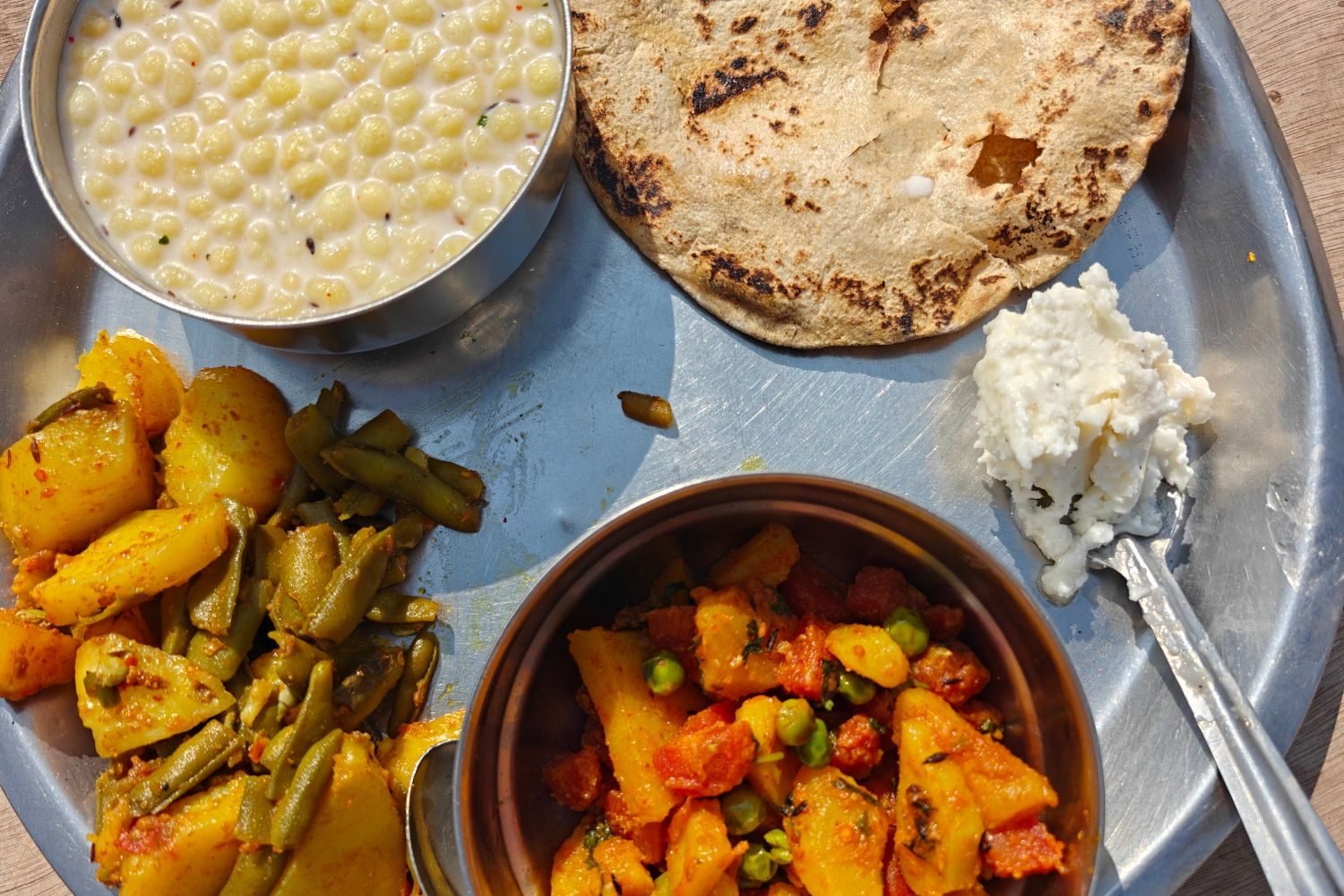
- Include a fermented food most days. A bowl of curd with lunch, idli or dosa for breakfast, or a small serving of traditionally fermented pickle or kanji covers this without requiring any special products.
- Don’t skip the fibre alongside it. Fermented foods and fibre appear to work through different, complementary mechanisms — one introduces bacteria, the other feeds them. Pairing both, as outlined in our fibre-focused guide, gives you both halves of the equation.
- Go easy on ultra-processed foods. These are consistently linked with lower microbiome diversity in observational research, likely because they’re low in fibre and often high in emulsifiers and additives whose long-term microbiome effects are still being studied.
- Be patient. Some diversity changes from fermented foods can show up within weeks, as the Stanford trial found, but a resilient, well-balanced microbiome builds over months of consistent habits, not a single “detox” week.
Getting this right alongside the rest of your eating pattern is easier with a plan that accounts for your specific routine — see our broader guide on nutrition and a balanced diet for how gut-supportive foods fit into an overall day of eating.
Frequently asked questions
Is curd as effective as yogurt used in international gut health studies?
Curd and yogurt are both fermented using live lactic acid bacteria, so the mechanism is similar. Homemade curd set with a fresh culture tends to have an active, varied bacterial population, though exact strains can differ from those studied in specific trials. Eating it regularly, alongside other fermented and fibre-rich foods, follows the same general principle researchers found effective.
Can I get the same microbiome benefits from a probiotic supplement instead of food?
Some supplements deliver specific studied strains at controlled doses, which food can’t guarantee. But most current evidence for improved diversity comes from whole fermented foods eaten as part of a varied diet, not isolated supplements. Food also brings fibre and nutrients supplements don’t, so treat supplements as an addition, not a replacement.
How long does it take to notice a difference in gut health from diet changes?
Some studies, including the Stanford fermented-food trial, recorded measurable microbiome shifts within 10 weeks. Digestive comfort can sometimes improve sooner, within a couple of weeks, while deeper diversity changes tend to build gradually with consistent habits rather than a short-term fix.
Does gut health really affect mood, or is that overstated?
The gut-brain axis is a real, documented communication pathway, and gut bacteria do produce compounds that can act on the nervous system. But most human evidence linking specific diet or probiotic changes to measurable mood improvement in healthy people is still early-stage. It’s a promising research area, not a settled one.
Are store-bought pickles as good for the microbiome as homemade ones?
Not usually. Many commercial pickles are preserved in vinegar and oil or pasteurized, which reduces or eliminates live bacterial cultures. Traditionally brine-fermented, unpasteurized pickles carry live bacteria similar to kanji or sauerkraut; check labels or make small batches at home if microbiome benefit is the goal.
Gut health responds to consistent, varied eating more than any single food or supplement — and what works well on paper doesn’t always match what works for your body, schedule, and existing habits. If you’d like a plan built around your own diet, digestion patterns, and goals, an online nutritionist consultation is a practical next step.