A 7-day meal plan for gastritis works by removing common irritants — spicy, high-fat, fried, and acidic foods, plus caffeine and alcohol — and replacing them with smaller, gentler meals built around cooked vegetables, lean protein, and non-citrus fruit. This kind of eating pattern can calm symptoms like burning pain, bloating, and nausea within days, but it is a support tool, not a cure. Gastritis is inflammation of the stomach lining, and the most common underlying causes — H. pylori infection, long-term NSAID use, or heavy alcohol use — need to be identified and treated by a doctor, often with medication such as antibiotic therapy for H. pylori. Diet helps you feel better while that happens; it does not replace it.
This guide breaks down what gastritis actually is, which foods tend to provoke flares, what to eat instead, and a practical 7-day chart with Indian vegetarian and non-vegetarian options you can adapt to your own tolerance.
What is gastritis, and what causes it?
Gastritis is a general term for a group of conditions in which the lining of the stomach becomes inflamed, according to Mayo Clinic. It can come on suddenly (acute gastritis) or develop slowly over months or years (chronic gastritis), and it doesn’t always cause noticeable symptoms — some people only find out they have it during an endoscopy done for another reason.
When symptoms do show up, they typically include upper abdominal pain, a burning or gnawing sensation, nausea, vomiting, bloating, belching, and a feeling of fullness after eating only a small amount. The underlying causes vary widely:
- H. pylori infection — a bacterium that colonizes the stomach lining and is one of the most common causes of chronic gastritis worldwide.
- Regular NSAID use — pain relievers like ibuprofen or aspirin, taken often or in high doses, can damage the protective mucus layer of the stomach, per Mayo Clinic.
- Heavy or frequent alcohol use — alcohol can irritate and erode the stomach lining, leaving it more vulnerable to digestive acid.
- Chronic stress, autoimmune conditions, or bile reflux — less common but recognized contributors.
Because the cause determines the treatment — antibiotics for H. pylori, stopping or switching an NSAID, acid-reducing medication, or something else entirely — persistent symptoms deserve a proper diagnosis. If you’ve had discomfort for more than a couple of weeks, or symptoms like unintended weight loss, black stools, or repeated vomiting, see a doctor or gastroenterologist promptly rather than trying to manage it with diet alone. For a broader look at how digestion and diet interact, our piece on nutrition and digestion is a useful starting point.
Can diet actually help with gastritis?
Yes, in a supportive role. Diet doesn’t treat the root cause of gastritis, but the foods you eat directly affect how much acid your stomach produces and how much irritation the inflamed lining experiences. Choosing gentler foods and avoiding known triggers can reduce burning, bloating, and pain during a flare, and may make daily life more comfortable while the underlying issue is being treated medically.
Research has also looked at whether certain foods support the effectiveness of standard H. pylori treatment — a combination of two antibiotics plus an acid-suppressing medication such as a proton pump inhibitor, as outlined in a review published on PubMed Central. Some early evidence suggests certain dietary patterns and probiotics may complement treatment, but this isn’t a substitute for the antibiotic course a doctor prescribes. If H. pylori is suspected, ask your doctor about breath, stool, or biopsy testing; eradicating the infection is what resolves the inflammation long-term.
Which foods commonly trigger gastritis symptoms?
Trigger foods vary from person to person, but several categories show up again and again in dietary guidance for gastritis and reflux-related conditions:
- Spicy food — chili, hot peppers, and heavily spiced curries can directly irritate an already inflamed stomach lining.
- High-fat and fried food — fatty cuts of meat, deep-fried snacks, and rich, creamy gravies slow digestion and can worsen bloating and reflux.
- Caffeine — coffee, strong tea, and caffeinated sodas stimulate acid production.
- Alcohol — a known irritant that can erode the stomach lining and worsen inflammation.
- Acidic foods — citrus fruits, tomatoes, vinegar-based pickles, and carbonated drinks trigger symptoms in some people, though not everyone reacts the same way.
- Refined, low-fibre foods — white bread, maida-based snacks, and heavily processed items can be harder to digest comfortably during a flare.
Because individual tolerance differs so much, keeping a simple food diary — noting what you ate and how you felt a few hours later — is one of the most practical ways to identify your personal triggers. This is a theme we cover in more depth in nutrition and gut health, since gut sensitivity is rarely one-size-fits-all.
What foods are gentler on the stomach during a flare?
During an active flare, the goal is smaller, simpler meals that are low in fat, mild in spice, and easy to digest. Foods that tend to be better tolerated include:
- Cooked, non-acidic vegetables — bottle gourd (lauki), pumpkin, carrots, spinach, and well-cooked beans
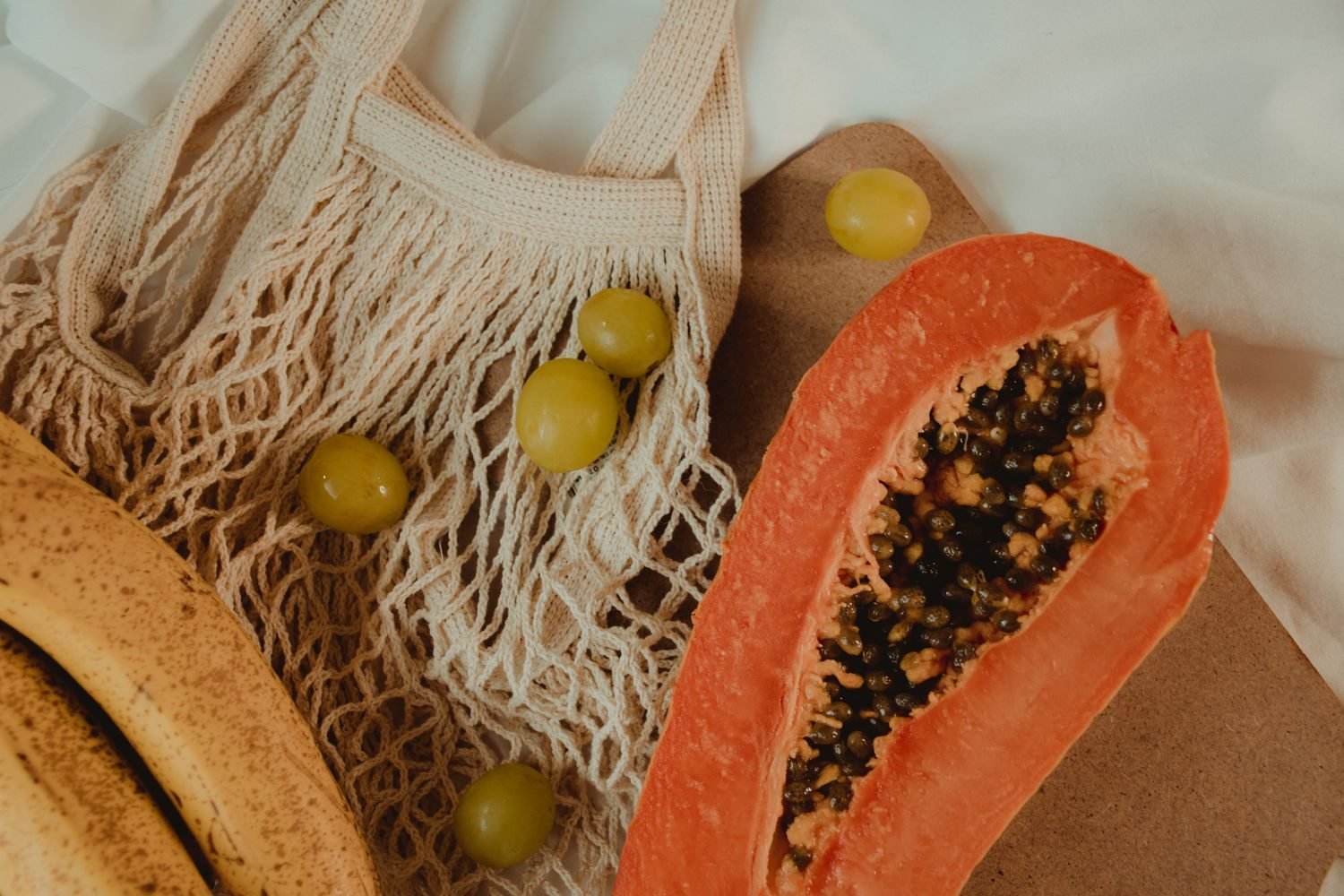
- Non-citrus fruits — bananas, papaya, apples (peeled), and melons
- Lean protein — moong dal, boiled eggs, skinless chicken, and steamed fish, all prepared with minimal oil
- Mild grains — rice, khichdi, oats, and idli, which sit lightly on the stomach
- Low-fat dairy or alternatives — a small bowl of plain curd (yogurt) is often well tolerated and may even help, though full-fat dairy tends to aggravate symptoms
- Ginger in small amounts — traditionally used for nausea, though it should be used mildly and not on an empty stomach if it triggers burning
Eating smaller portions more frequently — say five or six modest meals instead of three large ones — also tends to reduce the acid surge and pressure that trigger symptoms after eating. Getting enough fibre from well-cooked sources, rather than raw, harsh fibre, supports the gut without adding irritation; our guide to fiber and nutrition explains how to strike that balance.
What does a 7-day gastritis meal plan look like?
Below is a sample week combining Indian vegetarian and non-vegetarian options, all built around gentle preparation methods — steaming, boiling, and light sautéing instead of deep-frying or heavy spicing. Adjust portions and specific items based on your own tolerance and any advice from your doctor or dietitian.
| Day | Breakfast | Lunch | Snack | Dinner |
|---|---|---|---|---|
| 1 | Vegetable daliya (broken wheat porridge) | Steamed rice, moong dal, lauki sabzi | Ripe banana | Khichdi with grated carrot, mild curd |
| 2 | Idli with mild coconut chutney (no red chili) | Roti, boiled pumpkin sabzi, steamed rice | Papaya slices | Boiled egg, soft rice, sautéed spinach |
| 3 | Oats cooked with milk and banana | Steamed fish (light turmeric, no chili), rice | Coconut water | Moong dal soup, soft chapati |
| 4 | Vegetable upma, lightly spiced | Roti, boiled bottle gourd curry, curd | Melon cubes | Khichdi, steamed carrots |
| 5 | Poha with peas, minimal chili | Skinless chicken stew (mild), rice | Ripe banana | Vegetable dalia, mild curd |
| 6 | Suji (semolina) porridge | Rice, dal, steamed beans and carrots | Boiled sweet potato | Soft roti, pumpkin sabzi |
| 7 | Boiled eggs with soft toast | Steamed fish or paneer bhurji (light), rice | Papaya slices | Khichdi, sautéed spinach |
Notice the pattern: rice and khichdi appear often because they’re easy to digest, spices are kept minimal rather than absent, and frying is avoided throughout. Herbal teas like chamomile can be a gentler alternative to coffee, and plain water between meals (rather than with large meals) is generally better tolerated. If you’re unsure how to personalize this further — say, around specific intolerances or nutrient gaps — an approach to diet and nutrition that’s tailored to your history tends to work better than a generic template.
Are there nutrient gaps to watch for with gastritis?
Chronic gastritis, especially when linked to H. pylori or long-standing acid changes, can affect how well the body absorbs iron and vitamin B12, since stomach acid helps release these nutrients from food. Over time, this can contribute to fatigue or, in more significant cases, anemia — worth discussing with your doctor, since it may call for blood tests and supplementation rather than diet changes alone. Read more about how these shortfalls develop in our article on nutritional deficiency.
Restricting too many food groups for too long — cutting out entire categories like all dairy, all fruit, or all grains without medical reason — can also create gaps of its own. The aim is temporary and targeted: avoid clear irritants, favor gentle preparations, and reintroduce foods gradually as symptoms improve, ideally with guidance from a healthcare provider or dietitian.

When should you see a doctor instead of just changing your diet?
Diet changes are reasonable for mild, occasional stomach discomfort, but certain signs call for medical attention rather than self-management:
- Symptoms lasting more than one to two weeks despite dietary changes
- Black or tarry stools, or vomiting blood — these can indicate bleeding and need urgent care
- Unintended weight loss or persistent loss of appetite
- Severe or worsening abdominal pain
- Regular use of NSAIDs alongside stomach symptoms
A doctor or gastroenterologist can confirm whether H. pylori is present through a breath, stool, or biopsy test, check whether an NSAID or other medication is the culprit, and rule out other causes of similar symptoms. If H. pylori is found, treatment usually involves a combination of antibiotics plus an acid-reducing medication — this eradication course is what actually resolves the infection; diet supports comfort and recovery around it, but cannot clear the bacteria on its own.
Frequently Asked Questions
How long should I follow a gastritis diet before I feel better?
Many people notice some relief within a few days of cutting out spicy, fried, and acidic foods, but full healing of the stomach lining can take several weeks, especially if an underlying cause like H. pylori hasn’t been treated yet. If symptoms persist beyond two weeks, see a doctor.
Can I drink tea or coffee at all with gastritis?
Caffeine stimulates stomach acid production, so it’s commonly advised to limit or avoid coffee and strong tea during a flare. Some people tolerate small amounts of weak, decaffeinated tea better than others — this is worth testing carefully and noting in a food diary.
Is yogurt okay to eat with gastritis?
Plain, low-fat curd or yogurt is often well tolerated and may even be soothing for some people, unlike full-fat dairy products such as cream, cheese, or whole milk, which are more commonly linked to symptom flares. Individual tolerance still varies.
Does gastritis go away on its own without medication?
It depends on the cause. Mild, short-term irritation from something like a single bout of heavy drinking may settle once the trigger is removed. But chronic gastritis from H. pylori or ongoing NSAID use typically needs specific medical treatment, not just dietary changes, to fully resolve.
Can stress make gastritis worse?
Stress itself isn’t usually a primary cause of gastritis, but it can worsen how symptoms feel and may affect eating patterns, sleep, and digestion in ways that aggravate discomfort. Managing stress alongside dietary changes is often part of a broader supportive approach.
A 7-day gastritis meal plan is a genuinely useful way to reduce symptoms while you and your doctor address the underlying cause — whether that’s an H. pylori infection, an NSAID you can switch out, or another factor. Diet is the supportive half of the equation, not the whole treatment. If your symptoms are persistent, severe, or come with warning signs like weight loss or blood in your stool, don’t wait — get evaluated. For personalized guidance on building a plan around your specific triggers, history, and nutrient needs, consider booking an online nutritionist consultation.