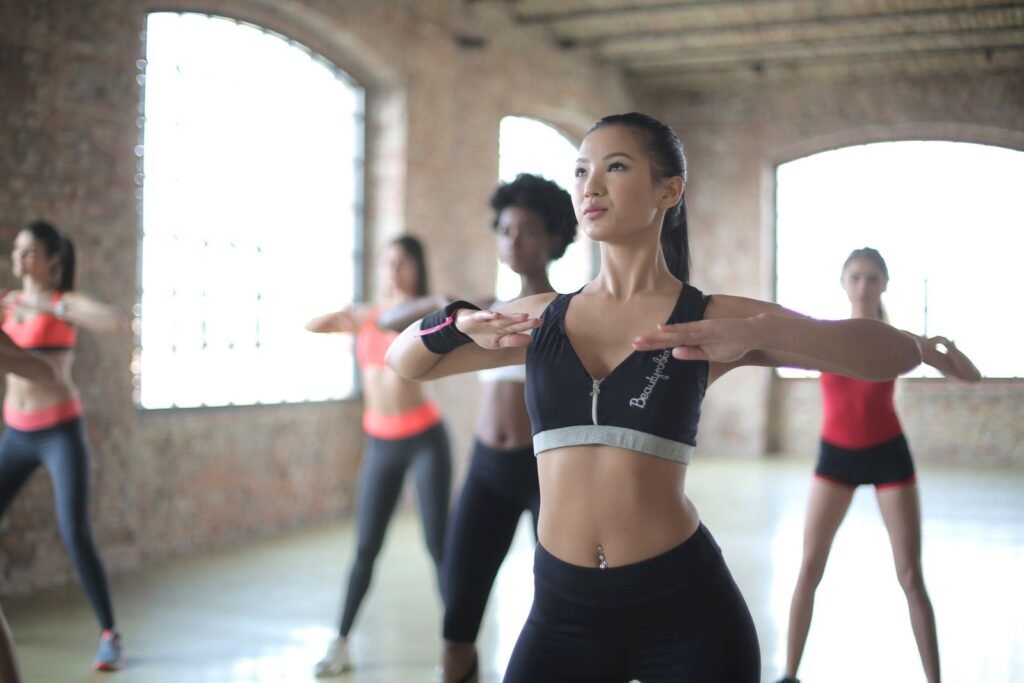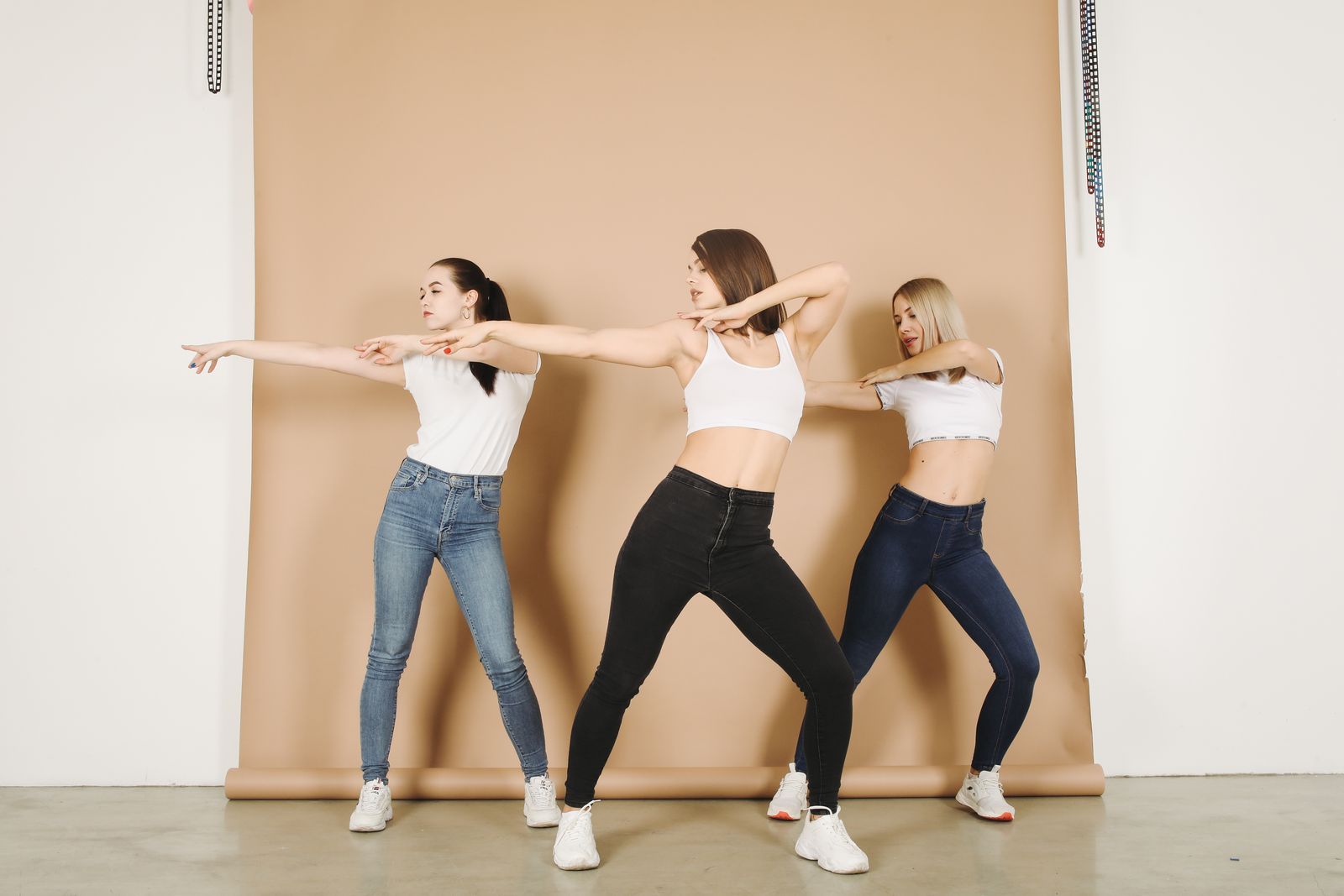
Research Shows Comparable Well-Being Benefits Across Both
Research published in the Journal of Sport and Health Science found significant pre- to post-class improvements in positive well-being and reductions in psychological distress for both salsa dance classes and Zumba fitness sessions, suggesting the mental health benefit of moving to music isn’t unique to Zumba’s specific branded format. This finding shifts the practical decision away from “which format is objectively better” and toward more concrete factors like access, cost, and consistency.
Why Standardization Still Matters Practically
Zumba’s trademarked, standardized routines mean any certified instructor delivers a recognizably consistent class experience, useful if you travel frequently or want predictability when trying a new studio or online platform. General dance fitness classes, covering formats like Jazzercise, hip-hop cardio, belly dance fitness, or Bollywood-style workouts, vary considerably by instructor and studio, which can mean more variety but less predictability from class to class.
Calorie Burn Is Genuinely Comparable
Both Zumba and broader dance fitness formats generally burn somewhere between 300 and 600-plus calories per class depending on intensity, meaning the calorie-burn decision shouldn’t be the deciding factor between the two categories specifically, the difference within either category, based on how intensely you personally move, matters more than the category label itself.
Access and Availability as the Real Deciding Factor
In many areas, Zumba classes are simply more widely available than specific alternative dance fitness formats, given Zumba’s global instructor certification network and brand recognition. If a specific dance fitness style genuinely appeals to you but isn’t offered locally or online in a format you can access, Zumba’s broader availability may make it the more practical starting point regardless of any subtle preference for another style.
Trying Both Before Committing
Since both categories generally welcome complete beginners and neither requires prior dance experience, sampling a Zumba class alongside a different dance fitness style, if both are accessible to you, remains the most direct way to discover which genuinely feels better for your body and your motivation specifically, rather than relying purely on general comparisons.
What This Means for Choosing Where to Start
If well-being and mood benefit are your primary goal, the research suggests either category can deliver genuine results, making access and personal enjoyment the more practical deciding factors rather than searching for one format that’s objectively superior on mental health grounds specifically. Our guide to what is dance fitness covers the broader category in more depth if you’re still exploring which specific style might suit you.
Building Toward a Long-Term Practice Either Way
Whichever category you choose, our guide to building a Zumba routine that sticks covers general principles for consistency that apply broadly to any dance-based fitness practice, not exclusively to Zumba specifically.
Zumba vs. General Dance Fitness at a Glance
- Well-being research: Comparable pre- to post-class improvements documented for both Zumba and salsa dance
- Availability: Zumba is typically more widely available given its global certification network
- Calorie burn: Both categories burn roughly 300-600+ calories per class depending on intensity
- Consistency: Zumba’s standardized routines offer more predictability across instructors
Questions People Ask About Zumba vs. Dance Fitness
Does Zumba provide better mental health benefits than general dance fitness?
Research found comparable pre- to post-class improvements in well-being for both Zumba and other dance formats like salsa, suggesting the mental health benefit comes from moving to music generally, not exclusively from Zumba’s specific branded structure.
Is Zumba easier to find than other dance fitness classes?
Often yes, Zumba’s global certification network and brand recognition typically make it more widely available than many specific alternative dance fitness styles, particularly outside major cities.
Should I choose based on calorie burn between Zumba and dance fitness?
Not primarily, both categories burn a broadly comparable 300 to 600-plus calories per class depending on intensity, so the difference within a category, based on your own effort, matters more than the category itself.
Can I try both Zumba and other dance fitness styles before deciding?
Yes, and it’s genuinely the most direct way to determine personal preference, since both categories are generally accessible to beginners regardless of prior dance experience.
Does one category require more dance experience than the other?
No, both Zumba and general dance fitness classes are typically designed to be accessible without any dance background, focusing on simple, repeated patterns rather than technical precision.
See How It Feels in Practice
Comparable benefits mean the practical question is really about access and fit. Explore FitStrot’s Online Zumba Classes to see if it’s the accessible option for you.
Related reading: what is dance fitness, Zumba vs. dance, or head to Online Zumba Classes to get started.
Sources: Iconfit, Zumba Classes vs Dance Fitness: Which Is Better for Women, Journal of Sport and Health Science, salsa and Zumba well-being research