
A Zumba routine that sticks is built around three things: a fixed time and place that rarely changes, a starting intensity small enough to feel almost too easy, and a cue that automatically triggers the habit rather than relying on remembering or deciding fresh each day. Habit research consistently shows that a new behavior takes roughly 66 days of reasonably consistent practice before it starts to feel automatic, far longer than the popular 21-day myth, which means the early weeks of a routine need to be designed for survival, not perfection.
Here’s how to actually build that structure, using what habit formation research says works, rather than just hoping willpower carries you through.
Start Smaller Than Feels Necessary
One of the most consistent findings in habit research is that people who succeed at building lasting habits start with something small and easy, not something ambitious. Committing to three 20-minute sessions a week is more sustainable for most people than committing to daily 60-minute classes right out of the gate, even if the daily version sounds more impressive. The goal in the first few weeks isn’t maximum fitness benefit, it’s proving to yourself that the routine can survive a normal busy week, which a smaller commitment does far more reliably than an ambitious one that gets derailed by the first schedule conflict.
Anchor Your Routine to an Existing Habit
Habits form faster when they’re tied to something that already happens reliably in your day, a cue that triggers the new behavior without requiring a fresh decision each time. Scheduling Zumba right after you drop kids at school, right when you get home from work before you sit down, or at the same time every Tuesday and Thursday evening, all use an existing routine as the anchor point. A routine with no fixed anchor, “I’ll do it when I have time,” is one of the most common ways a new habit quietly disappears within a few weeks.
Pick a Consistent Time and Place
Environment consistency speeds up habit formation more than most people expect. The same time slot, the same room or studio, even the same playlist or class format when possible, all reduce the mental effort required to start, since your brain begins to associate that specific context with the routine rather than needing motivation to override inertia each time. This is part of why home-based routines with a dedicated space, even a small cleared area, tend to stick better than ones that require improvising a spot each session.
Build In Recovery From the Start
A schedule that doesn’t account for rest days is a schedule that eventually breaks down, usually through burnout or injury rather than a clean, deliberate stop. Our guide to recovery and rest days for Zumba covers how much rest most people actually need, and building that into your routine from day one is far more sustainable than adding it in later after you’ve already pushed too hard.
Set Goals That Support the Routine, Not Just the Outcome
A routine designed purely around an outcome goal, lose 15 pounds, fit into a specific dress, can feel disconnected from your day-to-day actions and harder to stay motivated by when progress is slow. Pairing your schedule with process-based goals, attend three classes a week, learn one new rhythm a month, keeps your daily actions and your bigger goals connected. Our setting fitness goals with Zumba guide covers how to structure goals that actually support a routine rather than just describing a result you want.
Expect and Plan for Disruption
Perfect adherence isn’t realistic over months and years, travel, illness, and busy weeks at work will interrupt any routine eventually. Building in an explicit plan for these disruptions, a shorter home session option, or simply permission to miss a week without treating it as starting over from zero, prevents a single missed week from spiraling into abandoning the routine altogether. Research on habit formation supports this directly: occasional lapses don’t meaningfully delay habit formation as long as the behavior resumes reasonably soon afterward.
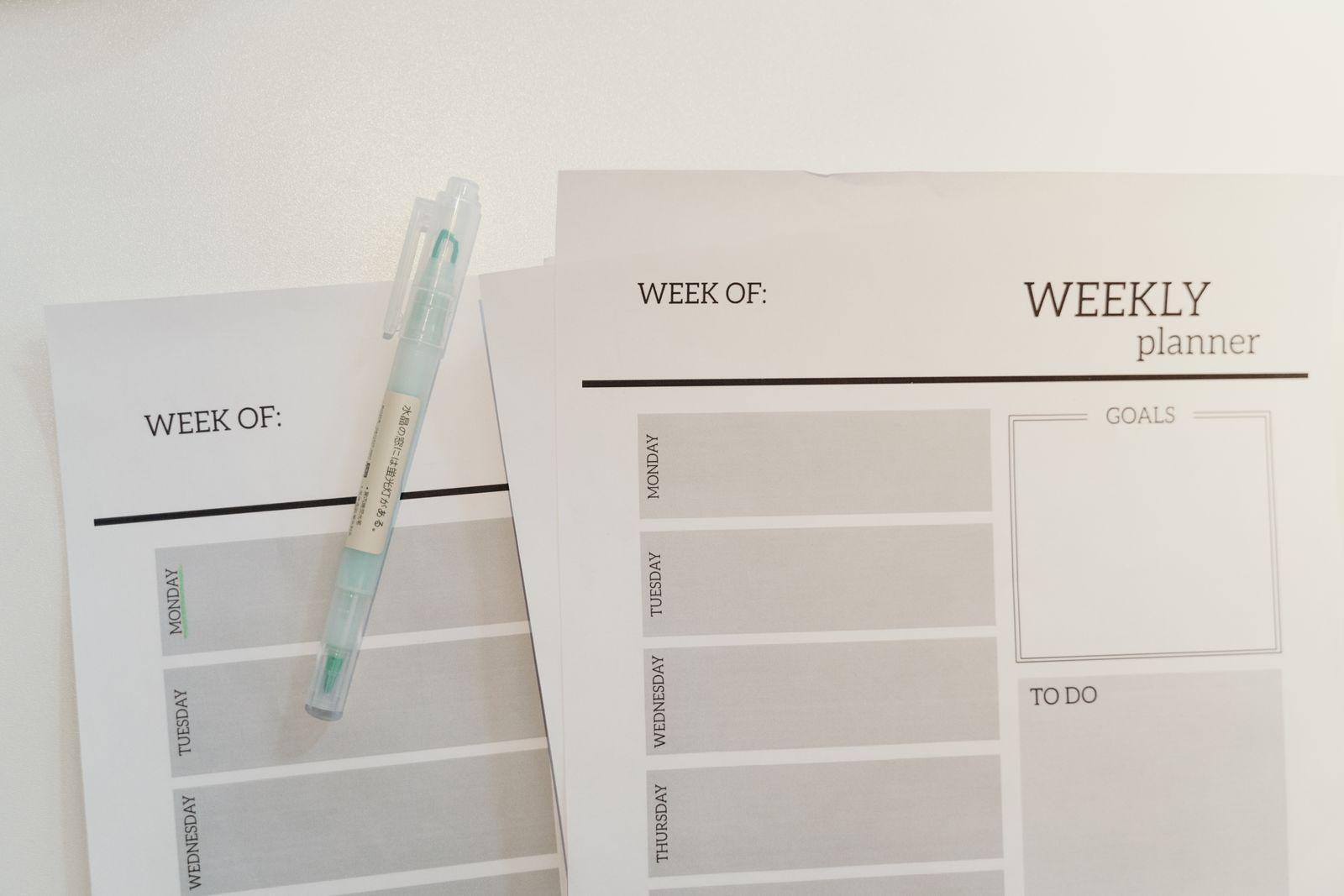
A Sample Weekly Template
| Day | Activity | Duration |
|---|---|---|
| Monday | Zumba class | 30-45 min |
| Tuesday | Rest or light activity | – |
| Wednesday | Zumba class | 30-45 min |
| Thursday | Rest or light activity | – |
| Friday | Zumba class | 30-45 min |
| Weekend | Optional bonus session or full rest | – |
Adjust the exact days to fit your own schedule, the underlying principle, a fixed, repeatable pattern with built-in rest, matters more than matching this specific layout.
Frequently Asked Questions About Building a Zumba Routine
How long does it take for a Zumba routine to become a real habit?
Research on habit formation generally points to around 66 days of reasonably consistent practice, considerably longer than the popularly cited 21 days. Consistency across that period matters more than a perfect attendance record.
What’s the best time of day to schedule Zumba for consistency?
Whatever time slot most reliably avoids competing with other commitments in your actual schedule, morning works well for people whose evenings are unpredictable, while evening works well for those with controllable mornings. Consistency in the chosen time matters more than which specific time you pick.
How many days a week should I start with?
Two to three sessions weekly is a reasonable, sustainable starting point for most people building a new routine, even if you eventually want to attend more often. Starting smaller and building up is more reliable than starting at an ambitious frequency and burning out within a month.
What should I do if I miss a week of my routine?
Resume at your normal schedule as soon as reasonably possible rather than treating the lapse as a reason to restart from scratch or abandon the routine altogether. Occasional missed weeks don’t meaningfully undo habit formation as long as the behavior resumes.
Does the specific Zumba format matter for building a sticky routine?
Less than consistency does, though having some variety, rotating between standard Zumba, Zumba Gold, or other formats, can help prevent the boredom that sometimes undermines long-term adherence to an identical routine repeated indefinitely.
Ready to Build a Routine That Actually Lasts?
The right structure makes consistency far easier than relying on daily willpower. Explore FitStrot’s Online Zumba Classes and start building a schedule designed to stick.
Want more on staying consistent long-term? Check out our guide to staying motivated with Zumba, explore Zumba for beginners, or head to Online Zumba Classes to get started.