The Core Structural Difference
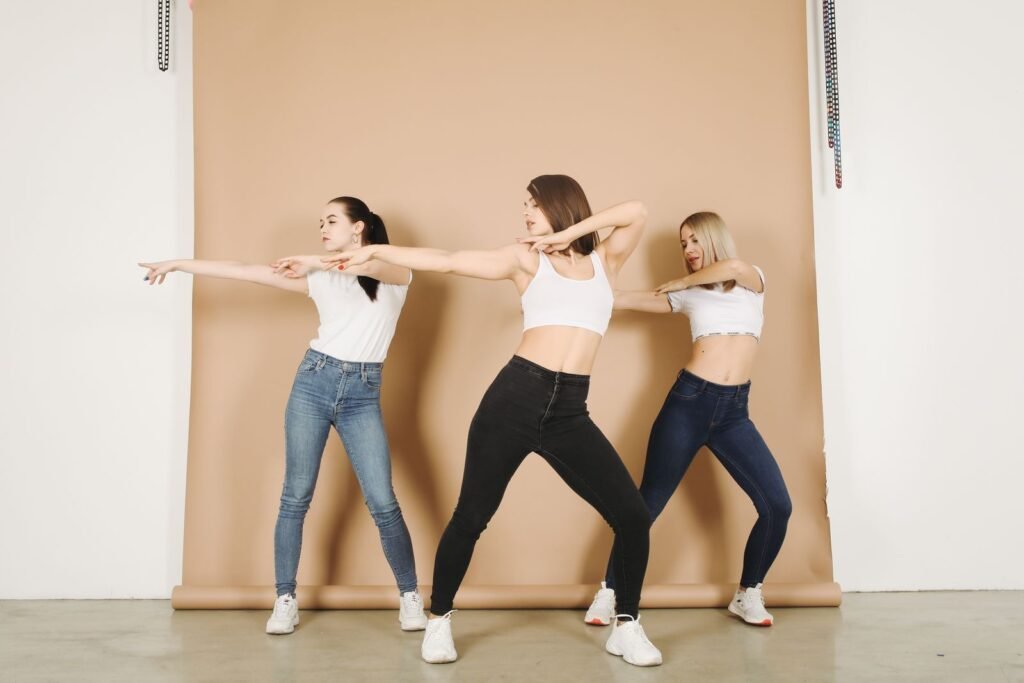
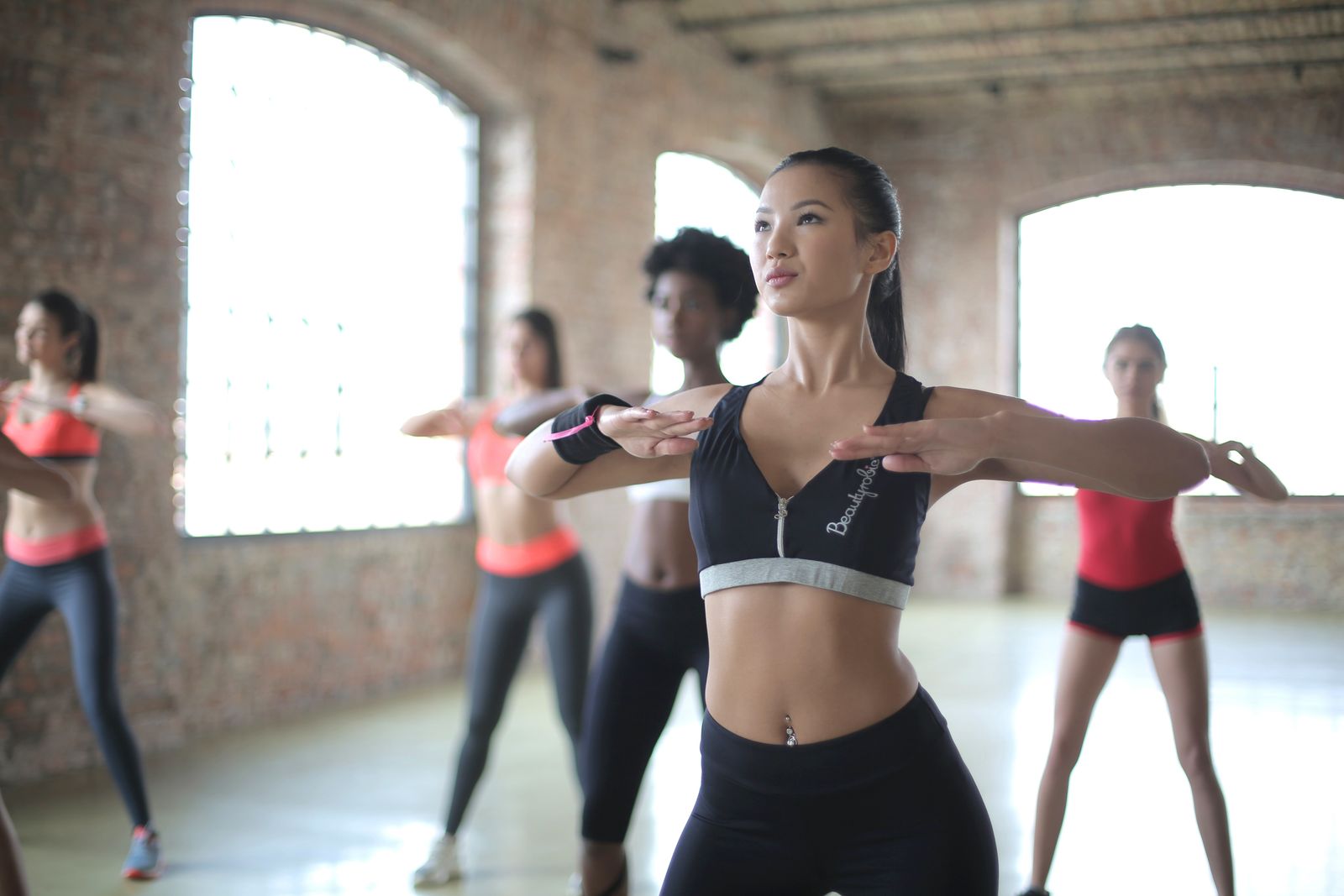
Zumba is a form of aerobic exercise built around Latin dance movement, while traditional aerobics is a planned workout targeting different parts of the body individually through structured, clearly defined routines. Zumba’s music tempo varies throughout a class, while aerobics typically maintains a fast, constant tempo across the entire session, a structural difference that shapes how each format actually feels to participate in.
What the Calorie Burn Research Found
A study published in the Journal of Sport Science and Medicine found that 30 minutes of Zumba burns roughly 369 calories, compared to 294 calories for the same duration of high-level aerobics. Researchers attribute Zumba’s higher burn to its tendency to move multiple parts of the body simultaneously through dance-based choreography, rather than isolating movement to one area at a time the way structured aerobics routines often do.
Exercise Intensity Findings
Separate research comparing exercise intensity found significantly higher intensity levels during both the warm-up and main workout portions of Zumba fitness sessions compared to tae-bo aerobics, suggesting the intensity difference extends beyond just the main calorie-burning segment of a typical class.
The Experience Difference
Zumba classes tend to feel like a genuine dance party, driven by lively Latin and international music in a relaxed, social, playful atmosphere. Aerobics classes feel more structured by comparison, with clearly defined routines and fitness cues that shift quickly between different moves, often demanding more concentration to keep pace with instructor-led combinations.
Body Composition and Balance Findings
Research comparing Zumba and aerobic training specifically in young women with obesity examined effects on body composition and balance, adding to the broader picture that both formats offer genuine physiological benefit, though the specific outcomes and relative effectiveness can depend on individual starting conditions and how consistently each format is practiced.

Which Format Might Suit You Better
If a social, dance-party atmosphere with varying music tempo genuinely appeals to you, Zumba’s structure and documented higher calorie burn make it a strong option. If you prefer highly structured, clearly cued routines with a consistent, predictable tempo, traditional aerobics may feel more comfortable and sustainable long-term. Since adherence tends to matter more than marginal calorie differences for long-term results, choosing the format you’ll actually stick with consistently matters considerably.
Combining Both Isn’t Uncommon
Some people alternate between Zumba and traditional aerobics across a week, getting variety in both movement pattern and social atmosphere while still building consistent cardiovascular fitness through either format. Our guide to how often you should do Zumba covers general frequency guidance applicable whether Zumba is your primary format or one of several you rotate between.
Zumba vs. Aerobics at a Glance
| Factor | Zumba | Traditional Aerobics |
|---|---|---|
| Calories per 30 min | ~369 kcal | ~294 kcal |
| Music tempo | Varies throughout class | Fast, constant |
| Structure | Latin dance choreography | Planned, targeted routines |
| Atmosphere | Social, party-like | Structured, cue-driven |
Still deciding if either counts as genuine cardio for your goals? Our guide to is Zumba cardio breaks down the intensity classification in more detail.
Questions People Ask About Zumba vs. Aerobics
Does Zumba burn more calories than traditional aerobics?
Research published in the Journal of Sport Science and Medicine found Zumba burns roughly 369 calories in 30 minutes compared to 294 for high-level aerobics, attributed to Zumba’s tendency to engage multiple body parts simultaneously.
Is Zumba harder to follow than traditional aerobics?
Not necessarily, Zumba’s varying music tempo can actually feel more intuitive to move with for some people, while aerobics’ fast, constant tempo and quickly shifting routines can demand more concentration to follow precisely.
Which is more social, Zumba or aerobics?
Zumba is generally described as having a more relaxed, social, party-like atmosphere, while aerobics classes tend to feel more structured and instruction-focused by comparison.
Can I switch between Zumba and aerobics?
Yes, alternating between the two formats across a week is a reasonable approach for people wanting variety in movement pattern and atmosphere while maintaining consistent cardiovascular fitness overall.
Which format is better for weight loss, Zumba or aerobics?
Available research suggests Zumba may have a calorie-burn advantage per session, though consistency and adherence to whichever format you actually enjoy tend to matter more for long-term weight loss results than the specific format chosen.
Try This for Yourself
A dance-party atmosphere with a documented calorie-burn edge is worth experiencing directly. Explore FitStrot’s Online Zumba Classes and see how it compares to your past aerobics experience.
Related reading: Zumba calories burned, how often you should do Zumba, or head to Online Zumba Classes to get started.
Sources: Upaj Academy, Zumba vs. Aerobics: Key Differences, Benefits, and Which Is Better, ResearchGate, Comparison of the Effect of Zumba and Aerobic Training on Body Composition and Balance