The Honest Calorie Comparison
HIIT burns more calories in less time than Zumba, structured around short bursts of maximal effort followed by brief recovery periods designed specifically to maximize efficiency. Zumba burns roughly 350 to 650 calories per hour depending on effort, body weight, and intensity, with most participants landing somewhere around 400 to 550 calories for a typical 60-minute class, a genuinely strong number, just generally lower than what a comparable-length HIIT session produces.
How the Two Formats Actually Differ Structurally
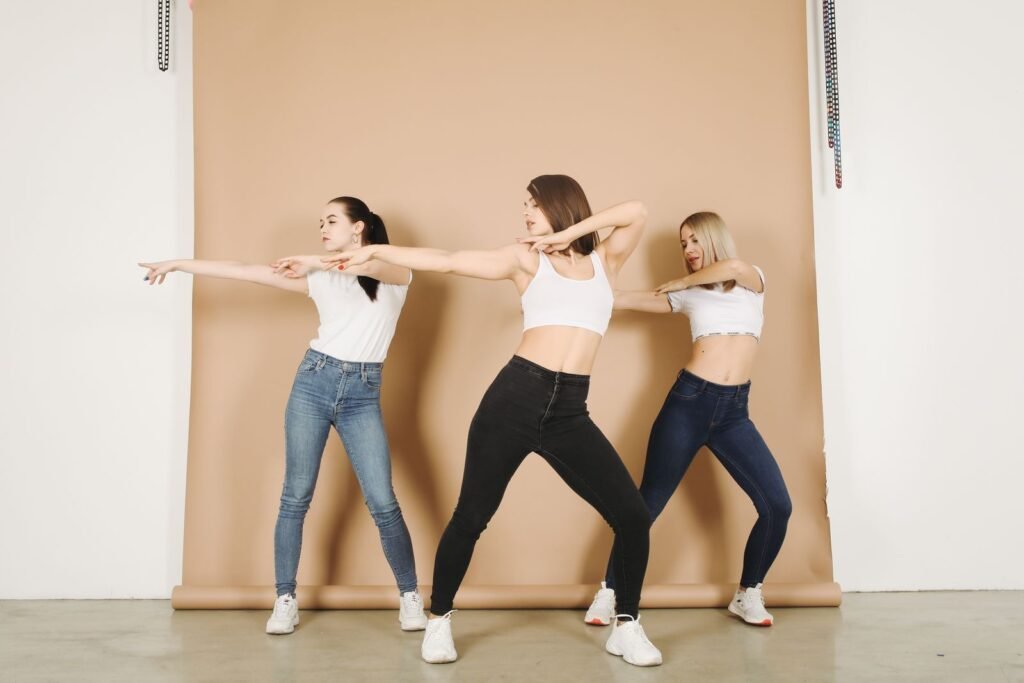
HIIT alternates between short, maximal-effort intervals and brief recovery periods, deliberately engineered for efficiency and measurable results in a compressed timeframe. Zumba isn’t as intense as traditional HIIT, but it does include its own interval structure, alternating faster-paced dance segments with more recovery-oriented lower-intensity songs, just without pushing to the same maximal-effort peaks HIIT specifically targets.
What HIIT Offers Beyond Raw Calorie Burn
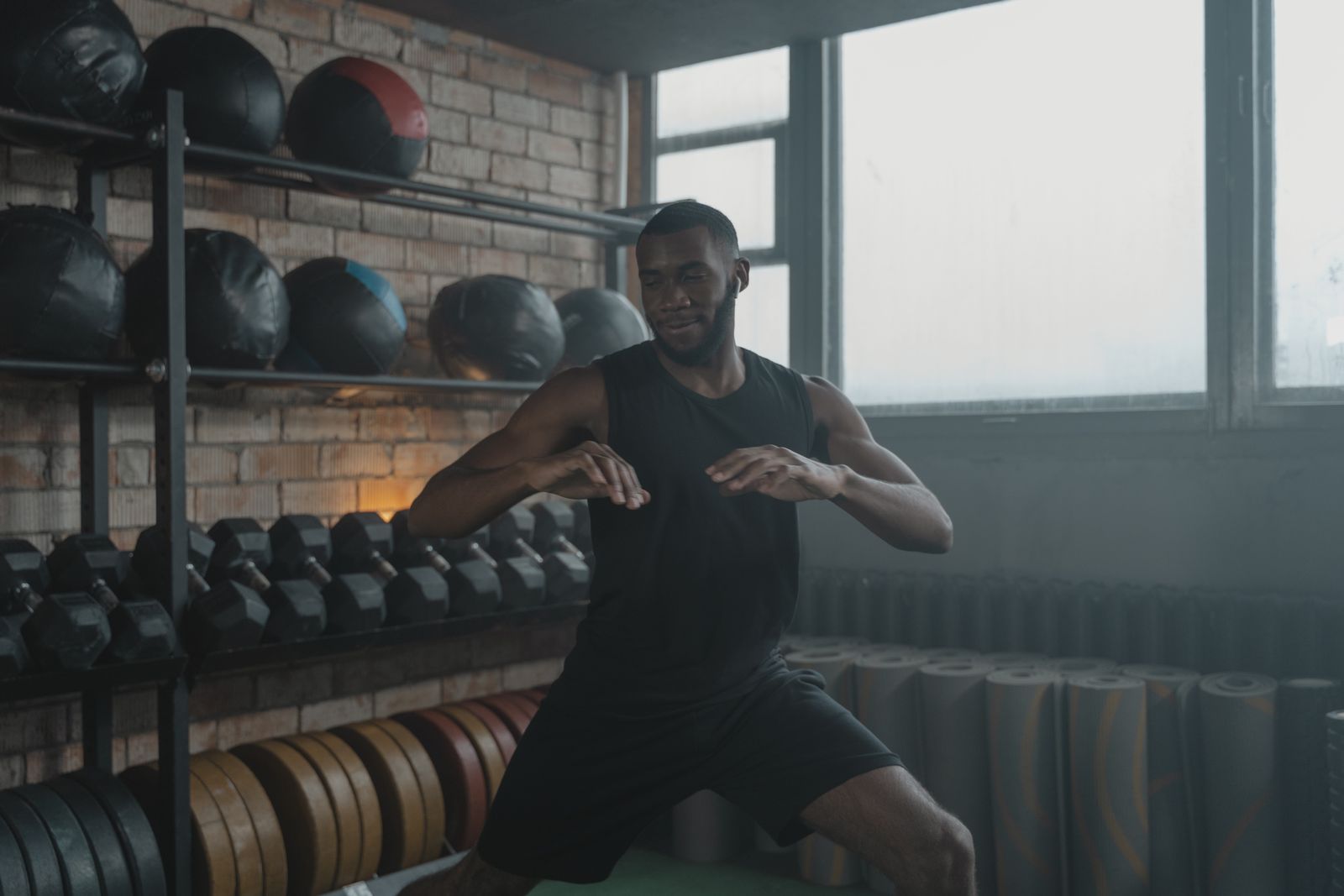
Beyond burning more calories in a shorter session, HIIT also improves cardiovascular endurance, builds strength through functional movement patterns, and produces continued calorie burn after the workout ends, sometimes called the afterburn effect, where your metabolism stays elevated for a period following an intense session.
What Zumba Offers Beyond Raw Calorie Burn
Zumba delivers continuous cardio supporting genuine calorie burn, alongside improved coordination and mobility from its dance-based movement patterns, mood-boosting benefit through music and social interaction, and a considerably lower barrier to entry for complete beginners compared to HIIT’s often more physically demanding movement vocabulary.
Why Consistency Might Matter More Than the Calorie Gap
Since Zumba feels genuinely enjoyable and typically happens in a social, group environment, people tend to stick with it longer term than they might with a demanding HIIT routine, and this long-term adherence can produce better cumulative results over months than a higher-intensity format practiced only sporadically. The format that burns more calories per session isn’t automatically the better choice if it’s one you’re less likely to actually maintain consistently.
Who Should Lean Toward HIIT
People specifically wanting maximum calorie burn and fitness improvement in the shortest possible timeframe, and who are already comfortable with more physically demanding movement, are the clearest fit for HIIT specifically. Our guide to STRONG by Zumba covers a HIIT-adjacent format that stays within the broader Zumba brand while delivering a more intense, bodyweight-focused training style.
Who Should Lean Toward Zumba
People newer to structured exercise, anyone who finds HIIT’s intensity genuinely off-putting, or people who specifically value the social, music-driven experience Zumba provides are strong candidates for Zumba as a primary format. Our guide to is Zumba cardio covers exactly how Zumba’s interval structure compares to more traditional cardio formats in more depth.
Combining Both Across a Week
Some people alternate between Zumba on some days and HIIT on others, getting the calorie-burn efficiency of HIIT alongside Zumba’s more sustainable, enjoyable cardio maintenance, rather than committing exclusively to one format for every session.
Zumba vs. HIIT at a Glance
| Factor | Zumba | HIIT |
|---|---|---|
| Calories per hour | ~350-650 | Higher, in less time |
| Structure | Music-driven intervals | Maximal-effort intervals |
| Barrier to entry | Low | Higher, more demanding |
| Long-term adherence | Generally stronger | Can be harder to sustain |
Quick Answers About Zumba vs. HIIT
Does HIIT burn more calories than Zumba?
Generally yes, HIIT is designed specifically to maximize calorie burn efficiency in a shorter timeframe, while Zumba burns roughly 350 to 650 calories per hour, strong but typically lower per-minute than a comparable HIIT session.
Is Zumba considered a type of HIIT?
Not exactly, though it shares some structural similarity through its own interval pattern of higher- and lower-intensity songs, Zumba doesn’t push to the same maximal-effort peaks that define true HIIT training.
Which is better for beginners, Zumba or HIIT?
Zumba generally offers a lower barrier to entry for complete beginners, given its more approachable movement vocabulary compared to HIIT’s often more physically demanding exercises.
Does Zumba have an afterburn effect like HIIT?
Zumba’s continuous, moderate-to-high intensity structure does produce some elevated post-workout calorie burn, though this effect is generally considered less pronounced than the afterburn specifically associated with true HIIT training.
Should I choose Zumba or HIIT based purely on calorie burn?
Not necessarily, since long-term consistency tends to matter more for cumulative results than the calorie difference per session, and choosing the format you’ll actually stick with matters considerably.
Where to Go From Here
The format you’ll actually keep doing beats the one with a slightly higher calorie count on paper. Explore FitStrot’s Online Zumba Classes to see if it’s the sustainable option for you.
Related reading: STRONG by Zumba, is Zumba cardio, or head to Online Zumba Classes to get started.
Sources: Fitness World, Zumba vs HIIT: Choosing Your Perfect High-Energy Class, Steven Fitspot, Zumba vs HIIT: Which Workout Will Burn More Fat