Yes, Zumba tones your legs. The repeated squats, lunges, kicks, and jumps built into most choreography work your quads, hamstrings, calves, and glutes hard enough to build lean muscle and definition over time. What it won’t do is pack on significant muscle mass. If you want toned, shapely legs, Zumba gets you there. If you want visibly bigger leg muscles, you’ll need to add resistance training.
That distinction gets skipped in most articles on this topic, and it’s the one thing worth understanding before you commit to a routine. Here’s what’s actually happening in your legs during a class, which Zumba formats work them hardest, and how to adjust your sessions if toning is the specific goal.
Which Leg Muscles Does Zumba Actually Work?
Four muscle groups take the brunt of a typical class. Quads and hamstrings fire on every squat and lunge sequence. Calves work continuously through the bouncing and toe-tap steps common in reggaeton and cumbia sections. Glutes activate during hip circles and any move where you shift weight backward, like a merengue march or a step-touch with a kickback. Inner and outer thighs get hit during wide-stance moves and lateral shuffles, the kind of side-to-side footwork salsa and bachata rely on.
None of this is incidental. Zumba’s choreography borrows directly from dance styles built around footwork, and footwork is leg work by definition.
Does Zumba Tone Legs or Build Muscle?
It tones. It doesn’t build significant mass. That’s not a knock on Zumba, it’s just how the exercise is structured. Building visible muscle size requires progressive overload: increasing resistance over time so muscle fibers are forced to adapt and grow. Standard Zumba doesn’t do that. You’re moving your own bodyweight through cardio-paced choreography, which builds muscular endurance and definition rather than bulk.
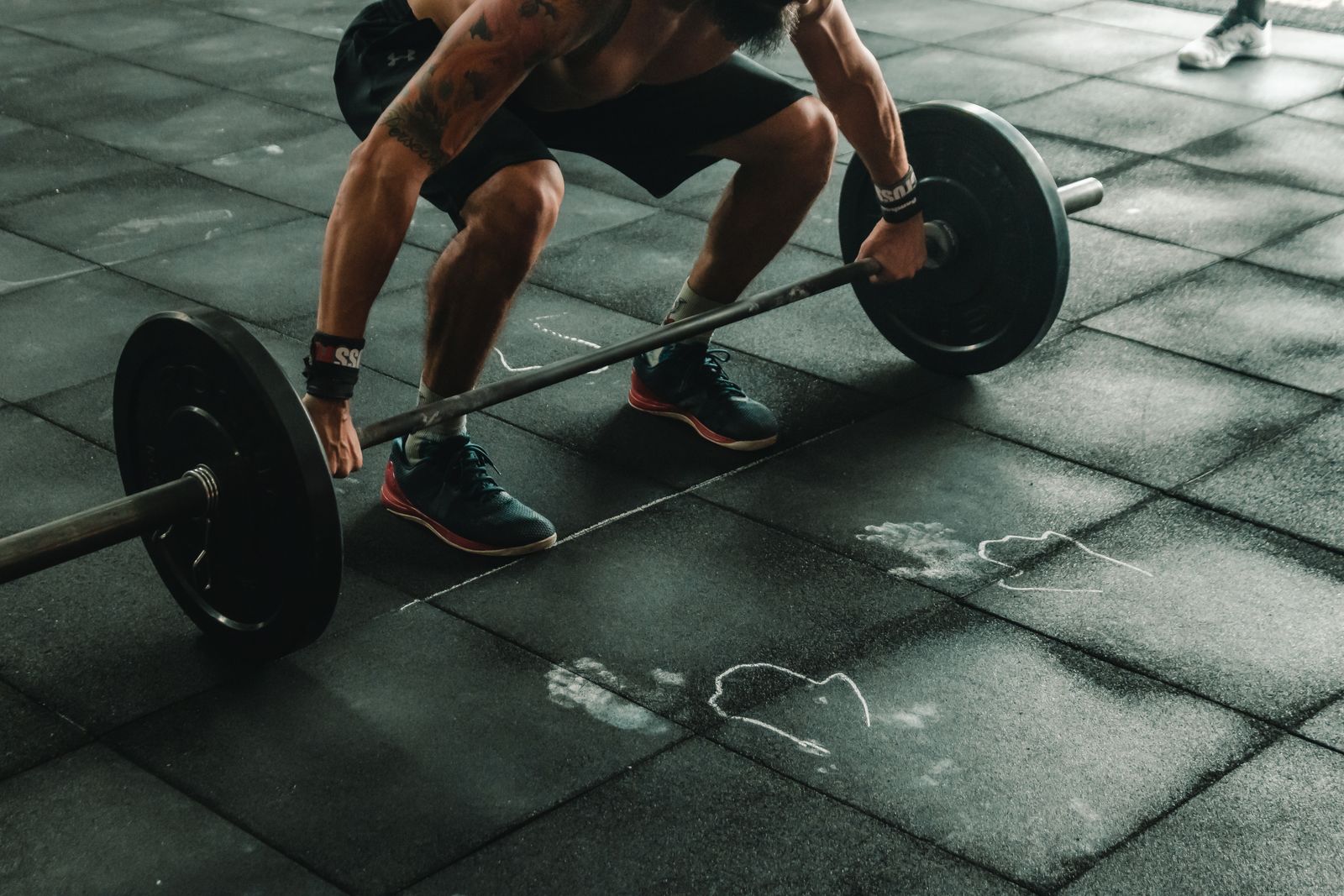
Think of the difference this way: a squat held under a barbell for five reps builds size. Fifty bodyweight squat-pulses across a song builds tone and stamina. Zumba is closer to the second. That’s exactly why it works for people who want leaner-looking legs without the bulkier profile that heavy resistance training can produce.
If you specifically want more muscle in your legs, not just tone, look at Zumba Toning or Zumba Step, both of which add resistance.
Zumba Toning and Zumba Step: The Formats Built for Legs
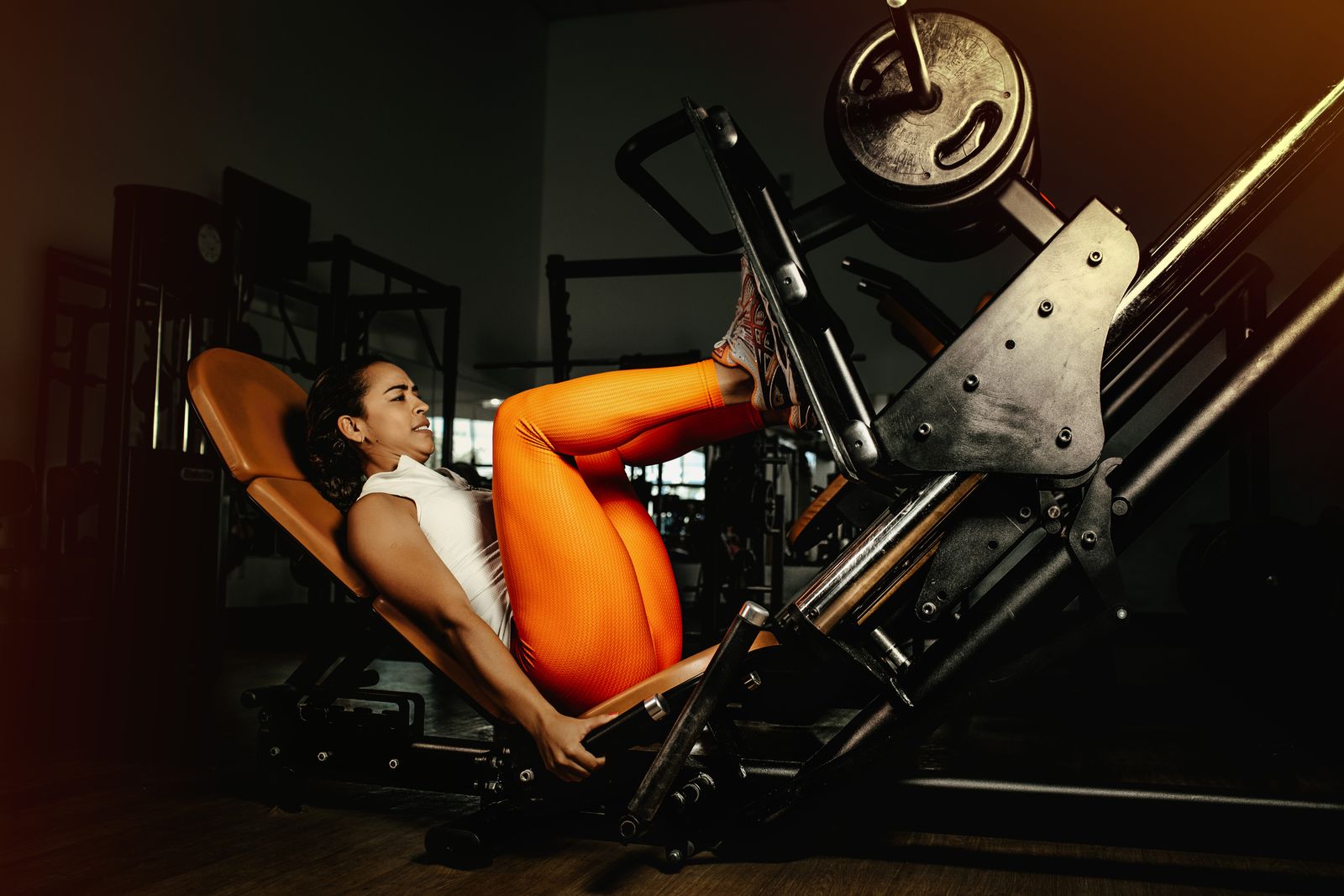
Zumba Toning adds lightweight toning sticks (small weighted maracas, typically 1 to 3 pounds each) to standard choreography. The added resistance during squats and lunges increases the muscular load on your legs beyond what bodyweight alone provides.
Zumba Step incorporates a raised step platform, similar to traditional step aerobics, layered under dance choreography. Stepping up and down against gravity recruits your quads and glutes more directly than flat-floor Zumba, and it adds a cardio intensity spike on top.
If your class options include either format, rotating them into your weekly routine will get you closer to visible leg definition faster than standard Zumba alone.
5 Zumba Moves That Hit Your Legs the Hardest
- Cumbia squat-shuffle: repeated low squats combined with lateral shuffling steps, which load quads and inner thighs simultaneously.
- Reggaeton bounce: continuous knee-bend bouncing that builds calf and quad endurance across a full song.
- Salsa cross-body lunges: forward lunges with a rotational element, hitting hamstrings and glutes together.
- Merengue march with kickback: a marching step followed by a heel kick behind you, which isolates the glutes.
- Bachata side-steps: wide lateral steps that train the outer thigh and hip abductors, a muscle group most cardio formats ignore.
How to Get More Leg Definition From Your Zumba Routine
A few adjustments make a real difference if legs are your priority.
Go low on squats and lunges instead of half-repping them. Instructors often demonstrate a shallow version to keep pace with the music, but you control your own depth. A full-range squat recruits more muscle fiber than a quarter-squat, even at the same tempo.
Add ankle weights for lower-body-focused classes, 1 to 2 pounds is enough to increase load without throwing off your balance or rhythm.
Stack a 10-minute lower-body finisher after class: wall sits, glute bridges, or calf raises. This is the single most effective add-on if visible toning is genuinely the goal, since it applies the progressive overload that pure cardio dance doesn’t.
Show up 3 to 4 times a week. Muscular endurance and tone respond to volume and consistency more than intensity. A missed class here and there won’t undo progress, but sporadic attendance will slow it considerably.
Want to add even more lower-body resistance? Our guide to Zumba Step covers how the platform-based format builds on what standard choreography already targets.
For a more complete lower-body toning comparison, our guide to does Zumba tone your body covers how leg results stack up against other muscle groups.
Frequently Asked Questions About Zumba for Legs
How long does it take to see leg toning results from Zumba?
Most people notice improved muscle endurance and slight definition within 4 to 6 weeks of attending 3 to 4 classes per week. Visible fat loss around the legs, which makes existing tone more apparent, depends on your overall calorie balance and usually takes longer.
Is Zumba better than squats for leg toning?
They’re not really comparable. Zumba trains your legs dynamically across a full class and burns significant calories in the process. Isolated squats build more targeted strength per rep. Combining both, Zumba for cardio and endurance, dedicated squats for strength, produces better leg results than either alone.
Can Zumba give you thicker or bigger legs?
Not on its own. Standard Zumba builds tone and endurance rather than muscle size, since it doesn’t provide the progressive resistance needed for hypertrophy. Zumba Toning, which adds light weights, comes closer but still won’t produce significant size gains compared to structured strength training.
Which Zumba style is best for leg toning specifically?
Zumba Step and Zumba Toning are built for this. Zumba Step uses a raised platform to add resistance against gravity, and Zumba Toning uses lightweight sticks to load your squats and lunges. Standard Zumba still works your legs, but these two formats target them more directly.
Does Zumba help with cellulite or loose skin on the legs?
Zumba can improve muscle tone and circulation, which may make skin appear slightly firmer, but it doesn’t eliminate cellulite, which is largely determined by genetics and fat distribution rather than exercise. Realistic expectations matter here: consistent Zumba plus strength work improves how your legs look and feel, it doesn’t change your underlying skin structure.
Ready to Put Your Legs to Work?
The fastest way to find out how your legs respond to Zumba is to get into a class built for consistency. Explore FitStrot’s Online Zumba Classes and start tracking your own results from week one.
Working on other areas too? Check out our guides on Zumba for Abs and Core and Zumba for Better Posture, or read the full rundown of Zumba’s health benefits. Ready to join a live session? See our Online Zumba Classes guide to get started today.