Yes, Zumba can improve your posture. The twisting, bending, and balancing built into most choreography strengthens the core and back muscles that hold your spine upright, and it stretches the hip flexors and shoulders that tend to lock up from sitting all day. It also has research behind it, not just anecdotes, which is worth knowing before you write it off as “just cardio.”
Here’s what the science actually says, which muscles are doing the work, and where to be careful if you already have a back condition.
How Zumba Strengthens the Muscles Behind Good Posture
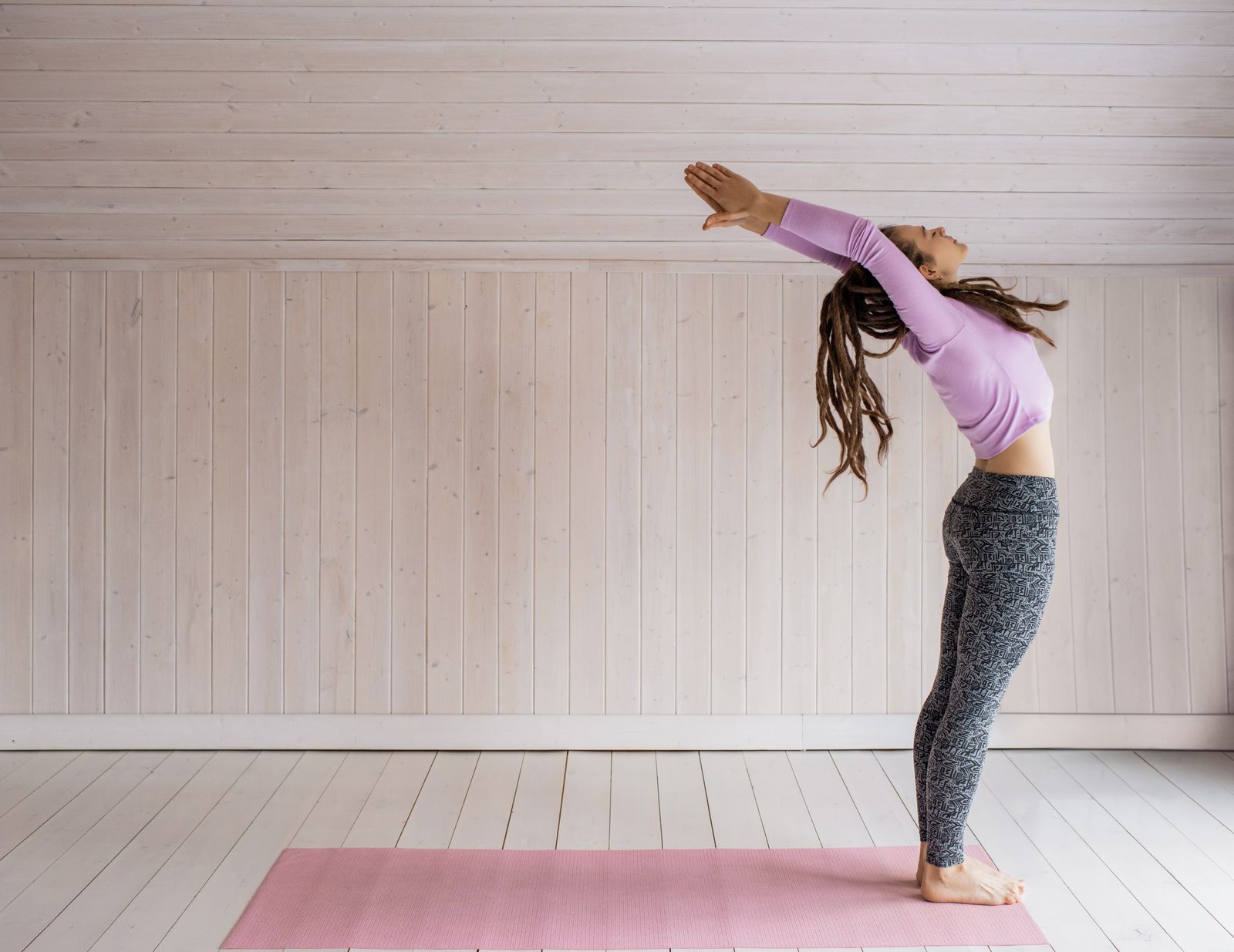
Posture isn’t really about consciously standing up straight. It’s about whether your core and back muscles are strong enough to hold your spine in its natural alignment without you thinking about it. Weak core muscles let your pelvis tilt forward, your shoulders round, and your lower back overarch, the slouch most desk workers know well.
Zumba trains exactly the muscles that correct this. Hip circles and torso rotations engage your obliques and lower back. Squats and lunges strengthen your glutes and hip flexors, which pull your pelvis into a more neutral position when they’re strong. Arm and shoulder movements, the reaches, punches, and presses layered into most routines, activate your upper back and shoulder muscles, counteracting the forward-rounded posture that comes from hours at a desk or on a phone.
If you’re also working on strengthening your midsection specifically, our guide to Zumba for abs and core breaks down exactly which moves target that area, and core strength is the single biggest lever for posture improvement.
Does Zumba Actually Help With Back Pain?
This is where most articles on this topic get vague, so let’s be specific. A study published on PubMed examined whether Zumba causes low back pain and found it does not, and that Zumba can actually increase normal functional activity of the spine. Separately, a controlled study on Zumba’s effect on low back pain in obese participants found measurable pain reduction after a structured Zumba program.
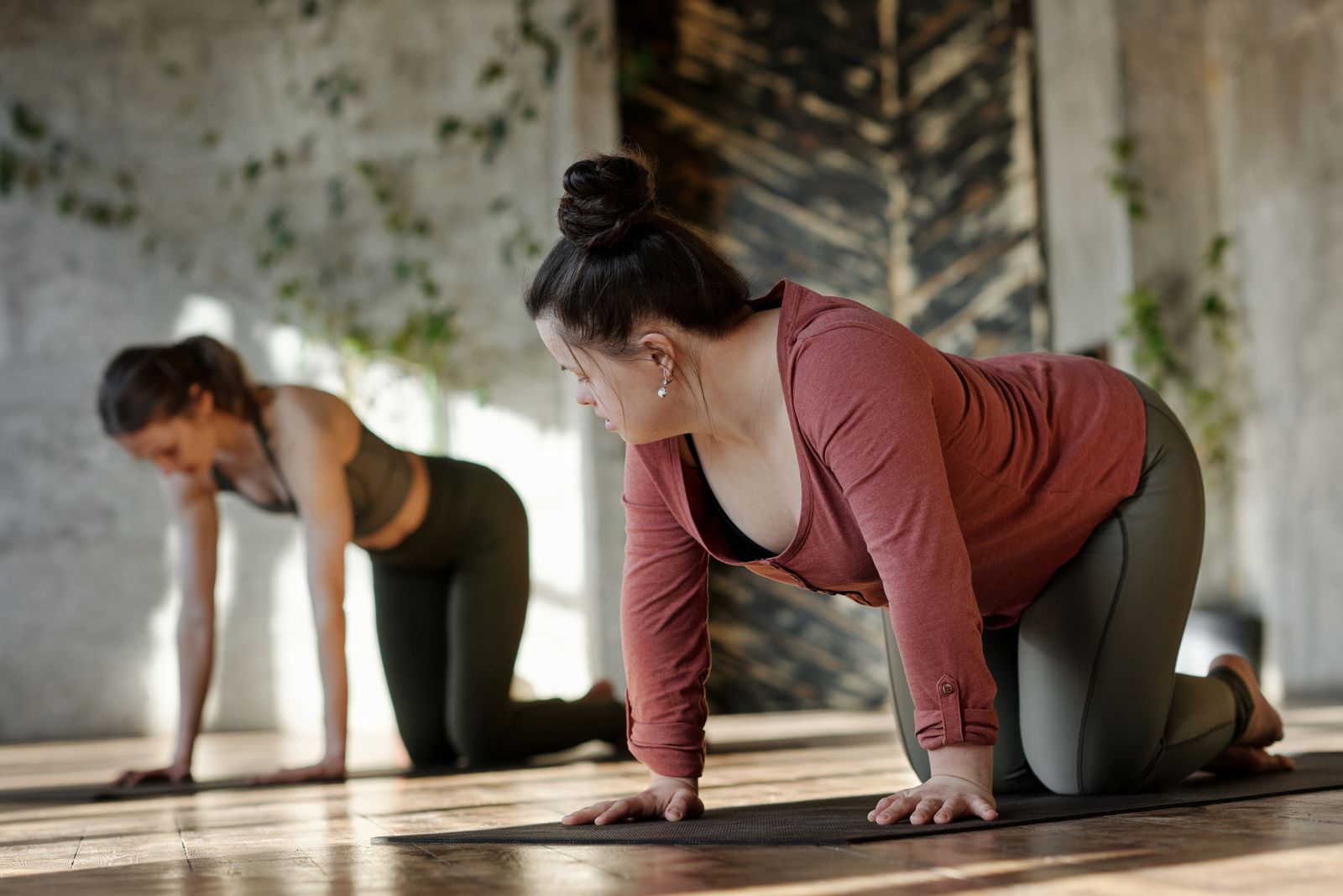
The mechanism makes sense once you know how the moves work. Dance-based movement increases spinal range of motion, which reduces the stiffness that often drives chronic low back pain. It also supports weight management, and lower body weight is directly linked to reduced load on the lumbar spine. None of this means Zumba is a substitute for physical therapy if you have a diagnosed spinal condition. It means the blanket claim that dance cardio is bad for your back doesn’t hold up against the actual research.
5 Zumba Moves That Target Posture and Spinal Health
- Merengue chest presses: forward arm presses combined with marching steps, which open the chest and counteract shoulder rounding.
- Salsa torso rotations: controlled twisting through the ribcage and lower back, building rotational strength and spinal mobility.
- Cumbia hip circles: continuous hip rotation that strengthens the deep core muscles stabilizing your lower spine.
- Reggaeton shoulder rolls: isolations that release tension in the upper traps and improve shoulder mobility.
- Bachata side-steps with reach: lateral steps paired with an overhead reach, lengthening the side body and improving lateral spinal flexibility.
Who Should Be Cautious With Zumba for Back Issues
Zumba is generally safe for people managing mild to moderate back stiffness, but a few groups should check with a doctor or physiotherapist first. That includes anyone with a diagnosed disc herniation, recent back surgery, acute (not chronic) lower back pain, or sciatica with active nerve symptoms. For these cases, a lower-impact format like Zumba Gold, which reduces jumping and high-impact movement, is usually a safer starting point than a standard class.
If back pain is a new symptom rather than a longstanding issue, get it evaluated before starting any new fitness routine. That’s standard advice for any exercise program, not something specific to Zumba, but it’s worth repeating because people often skip it when the exercise looks fun rather than intense.
How to Maximize Postural Benefits From Zumba
Focus on full range of motion during torso and hip movements instead of rushing to keep pace with faster songs. A shallow, rushed rotation trains speed, not the muscle engagement that actually improves posture.
Keep your shoulders down and back during arm movements rather than letting them creep up toward your ears, a habit that reinforces the exact rounding you’re trying to fix.
Pair Zumba with 5 to 10 minutes of static stretching afterward, targeting hip flexors and chest muscles specifically. These are the two areas most shortened by sitting, and they respond well to consistent post-class stretching.
Add dedicated core work two to three times a week. Posture improvement compounds when Zumba’s dynamic core engagement is paired with focused strengthening, which is exactly the approach covered in our abs and core guide.
Frequently Asked Questions About Zumba for Posture
How long does it take for Zumba to improve posture?
Most people notice better core awareness and reduced stiffness within 3 to 4 weeks of regular classes. Visible postural change, like standing taller or reduced shoulder rounding, typically takes 6 to 8 weeks of consistent practice, since it depends on building real muscle strength, not just awareness.
Is Zumba safe if I already have back pain?
For mild to moderate chronic back stiffness, yes, and research supports Zumba as something that can reduce rather than cause back pain. If you have acute pain, a diagnosed disc issue, or nerve symptoms like sciatica, check with a doctor first and consider a lower-impact format like Zumba Gold.
Can Zumba fix rounded shoulders from desk work?
It can help. The arm presses, reaches, and shoulder rolls in most routines actively counteract the forward-rounded posture common with desk work, especially when combined with conscious shoulder positioning during class.
Does Zumba strengthen the lower back specifically?
Yes. Hip circles, torso rotations, and squat-based movements engage the lower back and surrounding core muscles that stabilize your spine, which is the same mechanism researchers point to when explaining Zumba’s effect on chronic low back pain.
Should I do Zumba every day for posture improvement?
Three to four sessions a week is a better target than daily classes. Your muscles need recovery time to actually strengthen, and posture improvement depends on that adaptation process, not just total time spent moving.
Ready to Stand a Little Taller?
The research is clear that Zumba works your posture-supporting muscles, but reading about it won’t fix your alignment. Explore FitStrot’s Online Zumba Classes and start building the core and back strength that holds better posture in place.
Want to build a more complete routine? Check out Zumba for Toned Legs to round out your lower body work, or read the full breakdown of Zumba’s health benefits. Ready to join a live session? See our Online Zumba Classes guide to get started today.