If you’ve ever finished a Zumba class drenched in sweat with your midsection burning, you already know the answer — but let’s back it up with the “why.” A Zumba abs workout isn’t a dedicated ab-crunch session. It’s something better: a full-body dance cardio format where your core is quietly working overtime in the background of every hip circle, twist, and shimmy.
In this guide, we’ll break down exactly how Zumba for abs works, which moves target your core the most, and how to structure your routine if a toned, strong midsection is your goal.
Does Zumba Actually Work Your Abs?
Yes — and here’s the mechanism. Your core isn’t just your “six-pack” muscles (the rectus abdominis). It includes your obliques, transverse abdominis, and lower back muscles, all of which act as your body’s stabilizer during movement. Zumba is built on rotational, multi-directional choreography — think reggaeton hip movements, salsa turns, and cumbia shimmies — and every one of those movements requires your core to fire in order to keep you balanced and controlled.
Unlike a static ab workout (like a plank or crunch set), a zumba abs workout trains your core dynamically, which mirrors how your abs actually function in daily life — twisting, bending, stabilizing while you move. That’s a meaningful difference: dynamic core engagement improves functional strength, not just muscle appearance.
How Zumba Engages Your Core Throughout a Class
Here’s where your abs are working hardest during a typical session, even if it doesn’t feel like a “core workout”:
1. Rotational Rhythms (Salsa, Cumbia, Reggaeton)
Any move involving a hip circle or torso twist directly engages your obliques. These rhythms are the backbone of most Zumba choreography, which means your side abs are working through nearly the entire class.
2. Squats and Lunges with Arm Movement
When choreography combines a lower-body squat with an upper-body reach or punch, your core has to stabilize your spine so the movement doesn’t throw you off balance. This cross-body coordination is a classic core-activation pattern used in functional training.
3. Bounces and Jumps
High-energy sections with jumps or bounces require your core to brace on landing, which builds core endurance over time — similar to how your abs engage during running or plyometric training.
4. Isolations and Body Rolls
Chest pops, body rolls, and isolations (common in Zumba’s dance-fitness DNA) demand precise control from your deep core muscles, including the transverse abdominis — the muscle that flattens and tightens your midsection.
Will Zumba Give You Visible Abs?
This is the honest answer most workout blogs skip: visible abs are mostly a function of body fat percentage, not just muscle activation. Zumba is genuinely excellent for the “burn fat” half of that equation — a single class can burn 400–600 calories depending on intensity, which supports the calorie deficit needed to reveal ab definition. But if a sculpted six-pack is your specific goal, pairing Zumba with targeted core and strength work will get you there faster than Zumba alone.
Think of it this way: Zumba builds the calorie burn and core endurance foundation; strength training adds the muscle definition on top.
5 Zumba-Style Moves That Target Your Core the Most
- Cumbia Shimmy — repeated shoulder shimmies with a grounded lower body isolate and strengthen your obliques.
- Reggaeton Hip Circles — continuous 360° hip rotation engages your entire ab wall for stabilization.
- Salsa Cross-Body Lead with Twist — the torso rotation here is one of the closest Zumba moves to a standing Russian twist.
- Merengue March with Arm Pump — the cross-coordination between opposite arm and leg forces deep core bracing.
- Squat-and-Reach Combos — common in cooldown or toning segments, these combine lower-body burn with core stabilization.
How to Maximize Core Results From Your Zumba Routine
If your goal is a stronger, more defined core, a few small adjustments can make your Zumba sessions work harder for you:
- Engage your core consciously. Instead of letting momentum carry the choreography, actively brace your midsection during hip and torso movements.
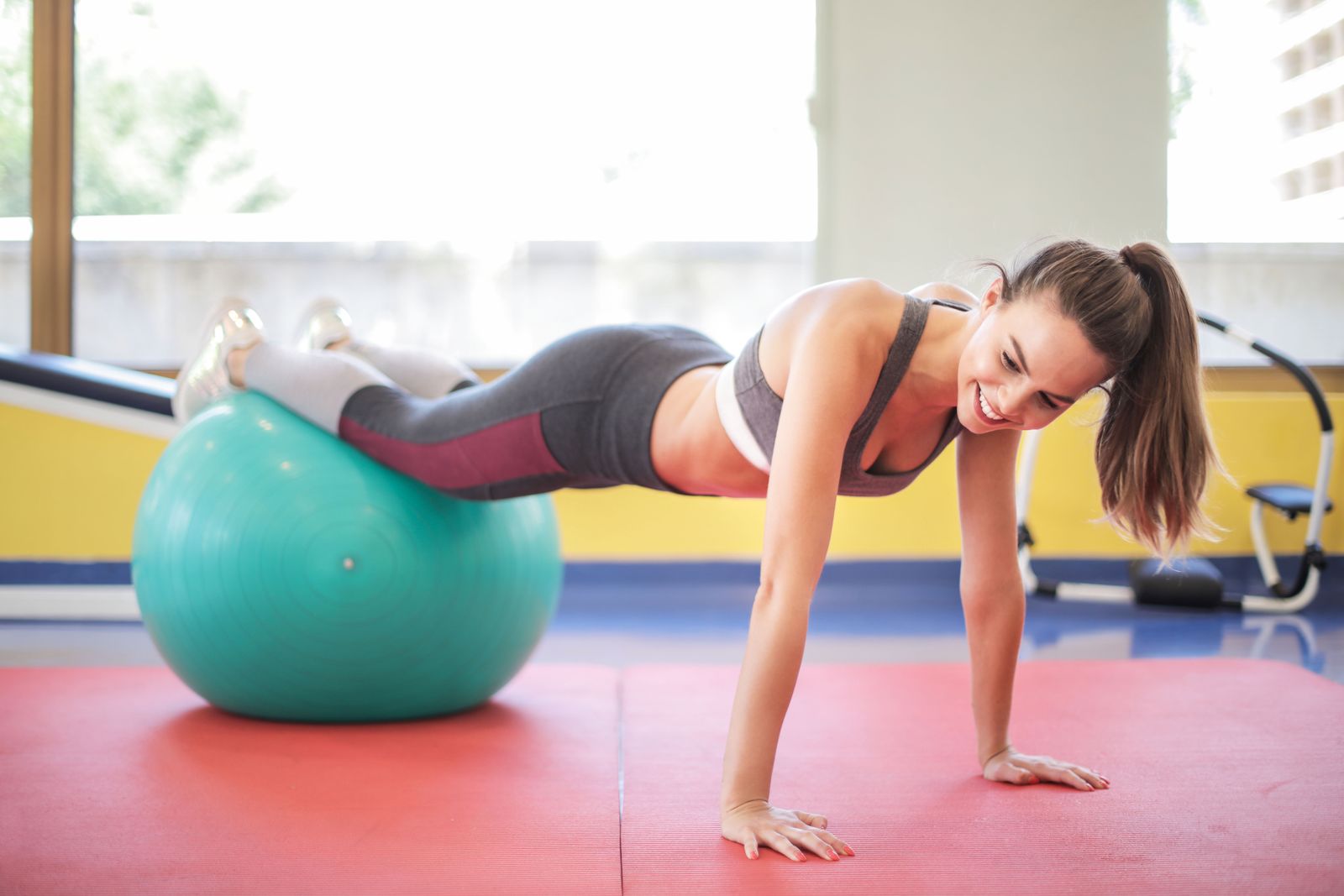
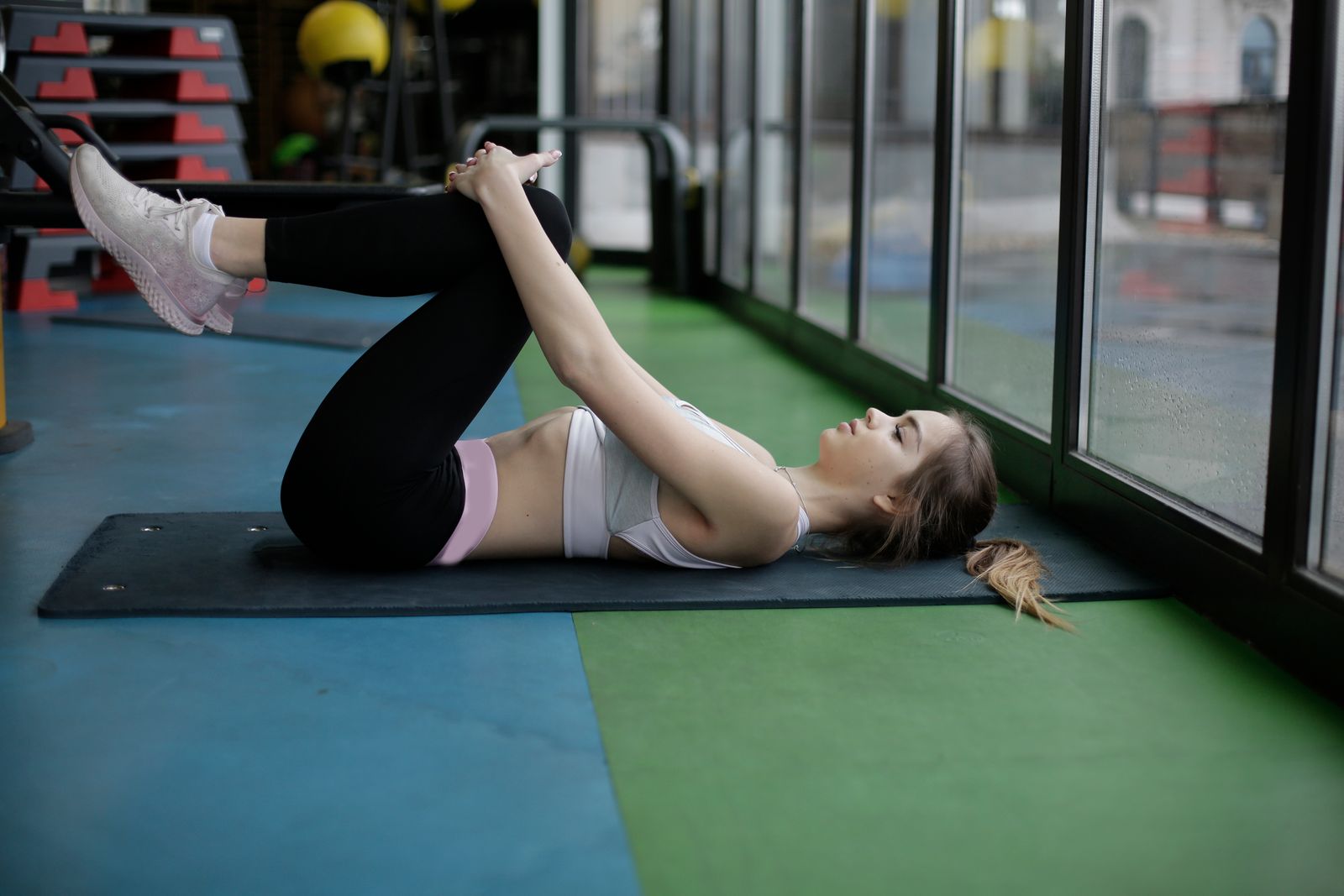
- Add 10 minutes of targeted core work post-class. Planks, bicycle crunches, or leg raises after your Zumba session compound the benefit.
- Stay consistent. Core visibility responds to weekly consistency — aim for 3–4 Zumba sessions a week rather than occasional high-intensity ones.
- Watch your nutrition. No amount of Zumba will reveal ab definition without a calorie balance that supports fat loss.
- Combine formats. Pairing Zumba with light strength training addresses both the cardio and muscle-building sides of core development.
Zumba for Abs vs. Traditional Ab Workouts
| Factor | Zumba | Traditional Ab Workout (crunches, planks) |
|---|---|---|
| Calorie burn | High (400–600 cal/class) | Low to moderate |
| Core engagement type | Dynamic, functional | Static, isolated |
| Fun factor / adherence | High — feels like dancing, not exercise | Lower — often skipped or rushed |
| Best for | Fat loss + full-body conditioning | Muscle definition + core strength isolation |
The takeaway: they’re not competitors, they’re complements. A well-rounded routine uses Zumba for calorie burn and functional core endurance, with a couple of weekly sessions of focused ab work for definition.
For a wider look at toning beyond just the core, our guide to does Zumba tone your body covers what to expect across other muscle groups too.
If overall calorie burn matters as much as core toning for your goals, our guide to Zumba for weight loss covers how to structure sessions around that broader target.
Frequently Asked Questions About Zumba for Abs
Does Zumba really tone your abs?
Yes. The rotational, multi-directional nature of Zumba choreography continuously engages your core muscles, improving tone and endurance over time — especially when combined with a calorie-conscious diet and consistent practice.
How many Zumba classes a week do I need to see ab results?
Most people notice improved core strength and stamina within 4–6 weeks of attending 3–4 classes per week. Visible fat loss around the midsection depends on overall calorie balance and typically takes longer.
Is Zumba better than crunches for abs?
They serve different purposes. Zumba burns more calories and trains your core functionally, while crunches isolate and build the ab muscles directly. The best results come from combining both.
Can beginners do Zumba for abs?
Absolutely. Zumba is low-impact-friendly and scalable to any fitness level — beginners can follow at their own pace while still engaging their core with every move.
What should I eat to see ab results faster with Zumba?
Focus on a moderate calorie deficit with adequate protein to support muscle recovery and definition. Zumba supports the calorie-burn side; nutrition determines how quickly results become visible.
Ready to Put Your Core to Work?
If reading about hip circles and cumbia shimmies has you ready to actually feel the burn, the fastest way to start is with a class built for consistency and real results. Explore FitStrot’s Online Zumba Classes and turn every session into a core workout in disguise.
Want to target other areas too? Check out our guides on Zumba for Toned Legs and Zumba for Better Posture, or explore the full breakdown of Zumba’s health benefits. Ready to join a live session? See our Online Zumba Classes guide to get started today.