What the Step Platform Actually Adds
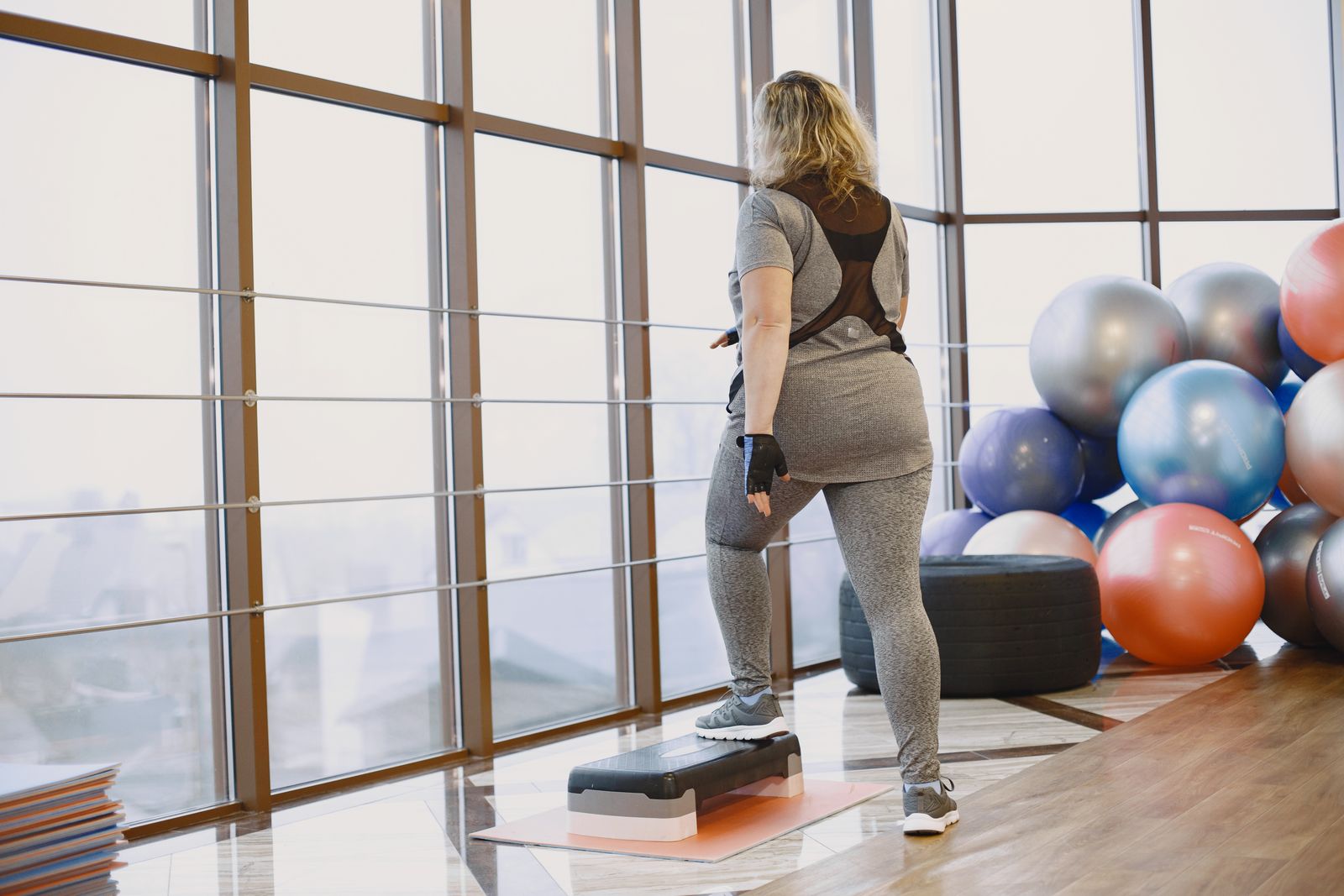
Zumba Step layers a raised step platform underneath standard Zumba choreography, adding genuine resistance to lower-body movement through the step-up and step-down pattern combined with the usual dance-based footwork. This addition primarily targets the quadriceps, hamstrings, glutes, and calves, with the platform requiring your legs to work against gravity in a way that flat-ground choreography doesn’t demand to the same degree.
Cardiovascular and Calorie Burn Benefits
The added resistance from stepping up and down repeatedly increases calorie burn and cardiovascular demand compared to standard Zumba performed on flat ground, since your body works harder to lift itself against gravity throughout the session. This makes Zumba Step a genuinely more intense option for people who’ve built comfort with standard classes and want to progress toward a more demanding format without switching to an entirely different type of workout.
Coordination and Cognitive Engagement
Tracking the step platform’s position while simultaneously following choreography and rhythm demands genuine coordination and concentration, building what’s sometimes described as mind-muscle connection through repeated practice. As routines build in complexity across a class, this cognitive engagement compounds, offering a real mental challenge alongside the physical one, a combination that many participants find particularly engaging compared to more repetitive workout formats.
How Zumba Step Compares to Standard Zumba
Standard Zumba builds cardiovascular fitness and mild toning through flat-ground choreography alone, covered in our guide to does Zumba tone your body, while Zumba Step adds a genuine lower-body resistance element on top of that foundation. Someone specifically wanting to build more defined leg and glute muscle, beyond what standard choreography provides, might find Zumba Step addresses that gap more directly than the standard format alone.
How Zumba Step Compares to Zumba Toning
Where Zumba Toning adds resistance specifically to the upper body and core through weighted sticks, Zumba Step adds resistance specifically to the lower body through the platform itself, making the two formats genuinely complementary rather than redundant if someone wants comprehensive resistance across their entire body within the Zumba format specifically.
Adaptability Across Fitness Levels
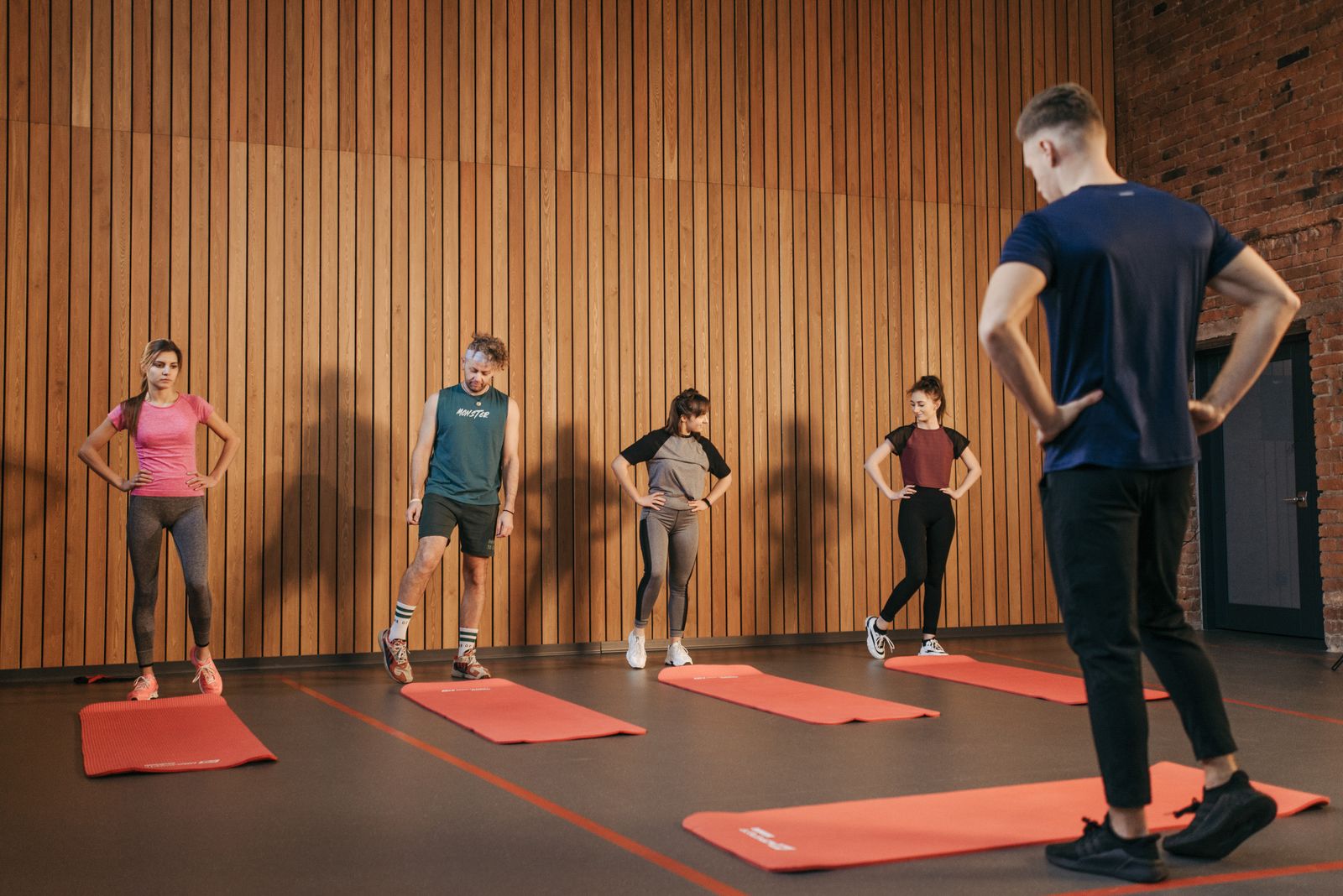
Instructors typically offer options for both beginners and more advanced participants within the same class, adjusting step height, tempo, or movement complexity to accommodate a range of starting fitness levels in one session. This adaptability means Zumba Step doesn’t require a specific fitness baseline before joining, though some comfort with standard Zumba choreography first can make the transition smoother.
Getting Started With Zumba Step
Comfortable athletic shoes with solid lateral support, the same general guidance covered in our what to wear for Zumba guide, matter even more here given the added step-up and step-down demand on your ankles and knees specifically.
Zumba Step Quick Facts
- Primary muscles targeted: Quadriceps, hamstrings, glutes, calves
- Intensity vs. standard Zumba: Higher, due to added platform resistance
- Best for: People comfortable with standard Zumba wanting more challenge
- Equipment: Step platform plus supportive shoes
Quick Answers About Zumba Step
Is Zumba Step harder than regular Zumba?
Generally yes, the added step platform increases lower-body resistance and cardiovascular demand compared to standard Zumba performed on flat ground, making it a more intense progression for people already comfortable with standard classes.
What muscles does Zumba Step target most?
The quadriceps, hamstrings, glutes, and calves see the most direct benefit from the step-up and step-down pattern layered on top of standard choreography.
Can beginners do Zumba Step?
Yes, instructors typically offer modifications for different fitness levels within the same class, though some prior comfort with standard Zumba choreography can make the transition to Zumba Step smoother.
What’s the difference between Zumba Step and Zumba Toning?
Zumba Step adds resistance specifically to the lower body through a raised platform, while Zumba Toning adds resistance to the upper body and core through weighted sticks, making the two formats complementary rather than overlapping.
Do I need special shoes for Zumba Step?
Supportive athletic shoes with good lateral stability matter even more here than in standard Zumba, given the added ankle and knee demand from stepping up and down repeatedly.
Where to Go From Here
Adding a platform to your regular routine is a natural next step once standard choreography starts feeling comfortable. Explore FitStrot’s Online Zumba Classes to find a Zumba Step option.
Related reading: Zumba Toning, does Zumba tone your body, or head to Online Zumba Classes to get started.
Sources: Zumba, Zumba Step Classes, A4 Fitness, What Is Zumba Step