Zumba offers teens a combination of genuine physical fitness, built through squats, lunges, and interval-paced cardio hidden inside dance choreography, and a non-competitive social environment that many teens find considerably less stressful than traditional competitive team sports. The format is also frequently described as a natural stress-buster for teens managing school pressure, since the combination of movement and music triggers mood-regulating chemicals like serotonin.
Physical Fitness Benefits for Teens
Zumba supports weight management, increased bone density, and improved muscular strength in teens, with the squats and lunges built into standard choreography functioning as genuine strength and toning work disguised inside dance movement. The format’s built-in tempo changes and intensity variation across a class also make it effective for calorie burn and general cardiovascular conditioning, comparable in structure to the interval training principles that benefit any age group.
Managing Academic Stress Through Movement
For teens navigating exam pressure and general school-related stress, Zumba’s combination of physical exertion and music offers a genuine outlet, clearing mental fog and triggering the release of mood-elevating chemicals in a way that many teens find more accessible and enjoyable than more traditional stress-management techniques. Our guide to Zumba for mental health covers the broader research behind this mood-related benefit across age groups.
Body Confidence and Social Comfort
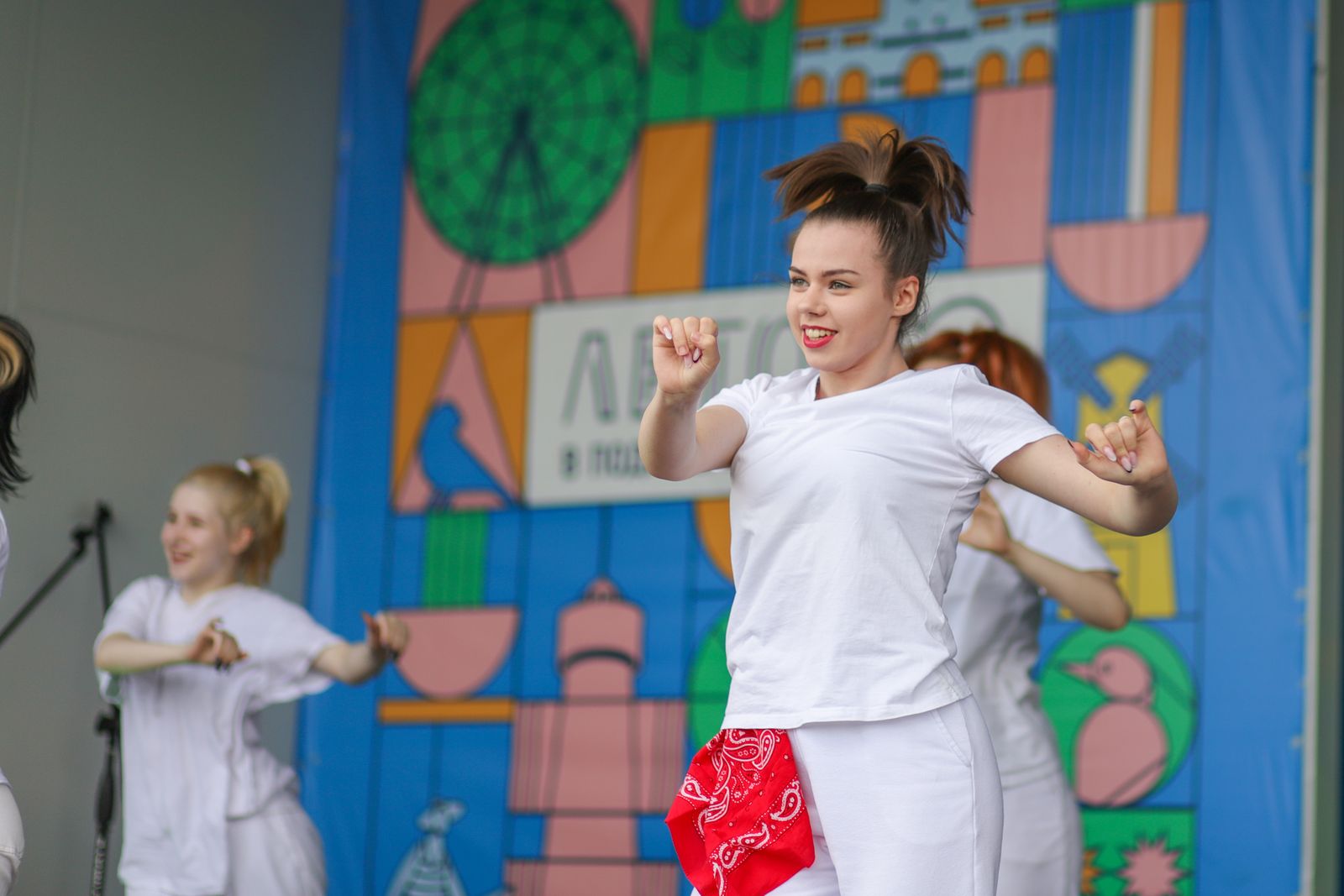
Moving to rhythm in a genuinely non-competitive environment helps many teens get more comfortable in their own bodies during a developmental stage where self-consciousness can run particularly high. Unlike competitive sports built around winning and losing, Zumba’s structure removes that specific performance pressure, letting teens participate and improve at their own pace without direct comparison against peers.
No Dance Background Required
Zumba for teens classes are specifically designed to be accessible regardless of prior dance experience or current fitness level, following the same basic accessibility principle that applies to Zumba for beginners generally. Teens simply need to follow the steps and beats being taught, not arrive with any existing skill.
How Zumba for Teens Differs From Zumba Kids
While Zumba Kids uses simplified routines built around a younger attention span and skill level, teen classes generally move closer to standard adult choreography and pacing, while still maintaining the same non-competitive, accessible structure. Our guide to Zumba for kids covers how the younger version of the format differs in structure and intensity.
Getting Started as a Teen
Starting with two to three sessions weekly, focusing on rhythm before worrying about exact step precision, and choosing appropriate athletic footwear apply just as directly to teens as to adult beginners. Our guide to what to wear for Zumba covers the specific clothing and shoe considerations worth knowing before a first class.
Zumba for Teens Quick Facts
- Physical benefits: Cardiovascular fitness, coordination, healthy body image
- Mental health benefits: Stress relief, mood regulation during a high-stress life stage
- Social benefits: Group format builds confidence and peer connection
- Session frequency: 2-3 times weekly is a reasonable starting point
Questions People Ask About Zumba for Teens
Is Zumba a good workout option for teenagers?
Yes, it supports weight management, bone density, and muscular strength while offering a non-competitive, socially comfortable environment that many teens find more enjoyable than traditional competitive sports.
Can Zumba help with exam stress?
Many teens report Zumba as a genuine stress-buster during high-pressure academic periods, since the combination of physical exertion and music triggers mood-elevating chemicals and offers a mental break from studying.
Do teens need dance experience to join a Zumba class?
No, classes are designed to be accessible regardless of prior dance background, following the same basic accessibility principle that applies to Zumba for adult beginners.
How is Zumba for teens different from Zumba Kids?
Teen classes generally move closer to standard adult choreography and intensity, while Zumba Kids uses more simplified routines built around a younger attention span and skill level.
Can Zumba help with body confidence in teens?
Many teens report increased comfort in their own bodies through Zumba’s non-competitive, expressive movement structure, which removes the direct peer comparison built into many competitive sports.
Try This for Yourself
A workout that feels like less pressure and more fun can matter enormously during the teen years. Explore FitStrot’s Online Zumba Classes to get started.
Related reading: Zumba for mental health, Zumba for kids, or head to Online Zumba Classes to get started.