Zumba has a documented, measurable positive effect on mental health, with a study published in the Journal of Sports Science and Medicine finding a significant reduction in anxiety after just a few sessions. Separate quasi-experimental research on nursing and college students found improvements across depression, anxiety, and stress indicators following a structured Zumba program. It isn’t a replacement for therapy or medication in cases of moderate-to-severe mental health conditions, but as a complementary practice, the evidence for genuine benefit is real and specific.
Here’s what the actual studies measured, why dance-based exercise appears to affect mood the way it does, and where its limits are.
What the Anxiety Research Found
The Journal of Sports Science and Medicine study found a statistically significant reduction in anxiety levels among participants after only a few Zumba sessions, a notably fast timeline compared to some other interventions that require weeks before measurable change appears. This suggests Zumba’s combination of physical exertion, music, and social group participation may produce a relatively quick anxiety-reducing effect, even before longer-term physical fitness adaptations have time to develop.
What the Depression and Stress Research Found
A quasi-experimental study involving nursing and college students found measurable improvement across depression, anxiety, and stress indicators following participation in a structured Zumba program. Quasi-experimental design means the study compared outcomes before and after the intervention, or against a comparison group, without full random assignment, a common and useful research approach for real-world exercise interventions like this one, even though it carries somewhat less certainty than a fully randomized controlled trial.
Why Zumba May Affect Mood This Way
Several mechanisms likely combine to produce Zumba’s mental health benefit. Physical exercise generally triggers the release of endorphins and other mood-regulating neurochemicals, a well-established effect across many exercise types. Music specifically has its own documented mood-elevating effects, and Zumba’s constant, rhythm-driven soundtrack layers this benefit directly onto the physical exertion itself. The social, group-class environment common to most Zumba settings adds a further layer of connection and reduced isolation, a factor independently linked to better mental health outcomes in broader research. Our guide to mindfulness and Zumba covers how the present-moment focus required by following choreography adds an additional mental health dimension beyond exercise alone.
Where Zumba’s Mental Health Benefit Has Real Limits
It’s important to be direct about scope here. Zumba is not positioned in this research as a replacement for therapy, counseling, or medication for anyone experiencing moderate-to-severe depression, anxiety, or other diagnosed mental health conditions. The documented benefits are real and worth taking seriously as a complementary practice, but they exist alongside, not instead of, appropriate clinical care when that’s what a person’s situation actually calls for.
How Zumba Compares to Other Stress-Relief Practices
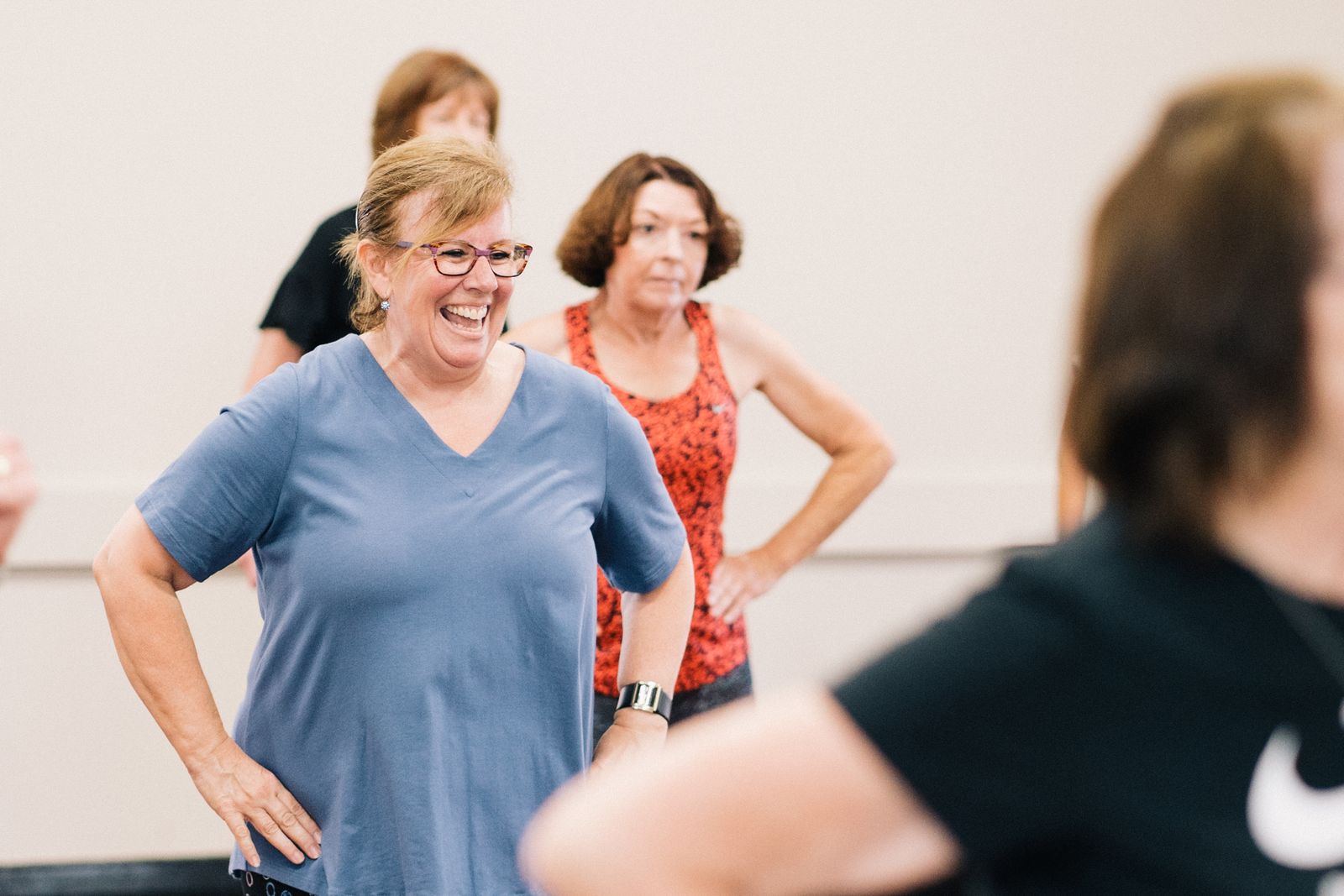
Compared to more passive relaxation practices, Zumba’s active, social, music-driven format offers a different mechanism of stress relief, one built on physical exertion and distraction rather than stillness. Our guide to Zumba for stress relief covers this mechanism in more depth, including how the format compares to other common stress-management approaches.
Building a Sustainable Mental Health Practice With Zumba
Since the anxiety-reduction research showed effects within just a few sessions, but broader depression and stress improvements were documented over a more sustained program, building consistent practice matters for capturing the fuller range of documented mental health benefit, not just an initial mood lift after one class.
Zumba for Mental Health: Quick Facts
- Mechanism: Endorphin release from movement, music, and social interaction
- Documented benefits: Reduced stress, anxiety, and mild depressive symptoms
- Social component: Group class format reduces isolation
- Consistency matters: Regular sessions produce more durable mood benefits than occasional ones
Frequently Asked Questions About Zumba and Mental Health
Can Zumba actually help with anxiety?
Yes, research published in the Journal of Sports Science and Medicine found a significant reduction in anxiety after just a few sessions, suggesting a relatively fast-acting benefit compared to some other interventions.
Does Zumba help with depression?
A quasi-experimental study on nursing and college students found measurable improvement in depression indicators following a structured Zumba program, alongside improvements in anxiety and stress measures.
Can Zumba replace therapy or medication for mental health conditions?
No. The research supports Zumba as a genuinely beneficial complementary practice, but it is not positioned as a substitute for therapy, counseling, or medication in cases of moderate-to-severe diagnosed mental health conditions.
How many Zumba sessions does it take to feel a mental health benefit?
Research found significant anxiety reduction after just a few sessions, while broader depression and stress improvements were documented over a more extended, structured program, suggesting benefits build progressively with continued practice.
Why does dancing specifically help with mood more than other exercise might?
Zumba combines physical exertion, mood-elevating music, and social group interaction simultaneously, three factors independently linked to improved mental health, which may explain why the documented effects appear relatively quickly compared to some single-mechanism interventions.
Ready to Experience the Mental Health Benefits Yourself?
The research points to real, measurable benefit, and the best way to understand it is to experience it firsthand. Explore FitStrot’s Online Zumba Classes and start today.
Want more on Zumba’s mind-body connection? Check out our guide to Zumba for stress relief, explore mindfulness and Zumba, or head to Online Zumba Classes to get started.