The right Zumba outfit comes down to breathable, moisture-wicking, form-fitting athletic wear, leggings, shorts, or a tank top, that lets you move freely without loose fabric getting in the way, paired with lightweight shoes specifically designed for lateral movement rather than standard running shoes. Getting the shoes right matters more than people often expect, since running shoes are built to grip the ground for forward motion and can make the pivots and quick direction changes central to Zumba considerably harder and riskier.
Here’s exactly what to wear on top, on bottom, and on your feet, and why the shoe choice specifically matters so much.
What to Wear on Top
Breathable, moisture-wicking fabrics, tank tops, fitted T-shirts, or athletic tops designed for sweat-heavy activity, work best for the upper body. Choosing something form-fitting rather than loose and flowy matters practically, since baggy fabric can catch or restrict your arm movements during quick, repeated choreography, an issue that becomes more noticeable the longer and more intense a class runs.
What to Wear on Bottom
Quality athletic leggings are generally the top recommendation for Zumba specifically, since they keep your muscles warm throughout a class without being restrictive during the wide range of leg movement Zumba choreography demands, squats, lunges, high knees, and quick pivots included. Athletic shorts work well too, particularly in warmer environments or for people who prefer more airflow, as long as they’re fitted enough not to ride up or restrict movement during more dynamic steps.
Why Shoe Choice Matters So Much
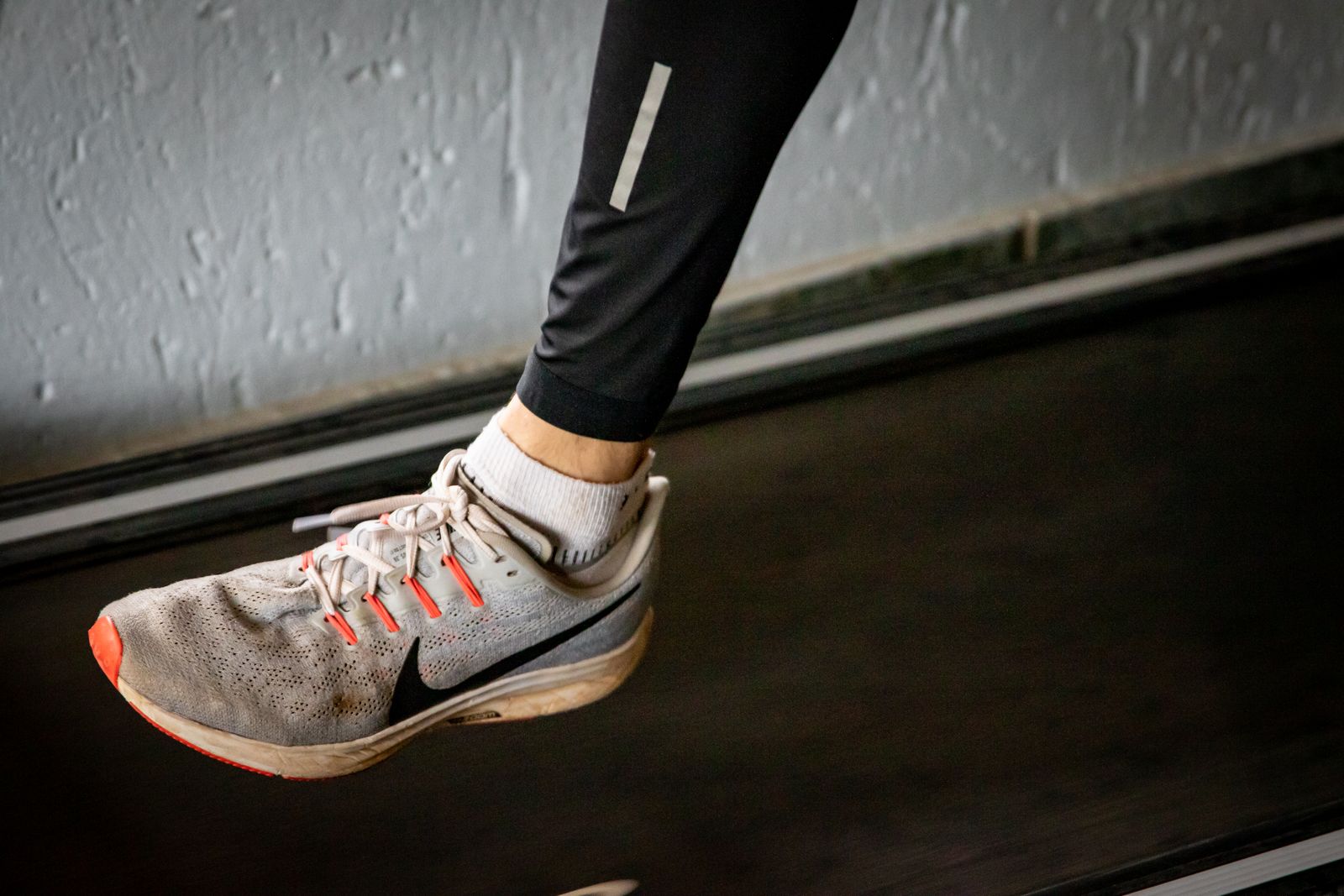
This is where many beginners get it wrong. Standard running shoes are engineered with tread patterns and structure built for forward, straight-line motion, exactly the opposite of what Zumba demands. Zumba’s frequent pivots, quick direction changes, and lateral steps need a shoe that allows your foot to slide and turn smoothly rather than gripping the floor and resisting rotation, since that resistance transfers directly into rotational stress on your knee, a documented factor in the knee injuries common to the format. Our guide to Zumba side effects covers exactly how this mechanism, known as torquing, leads to the knee pain reported as Zumba’s most common injury.
What Makes a Good Zumba Shoe
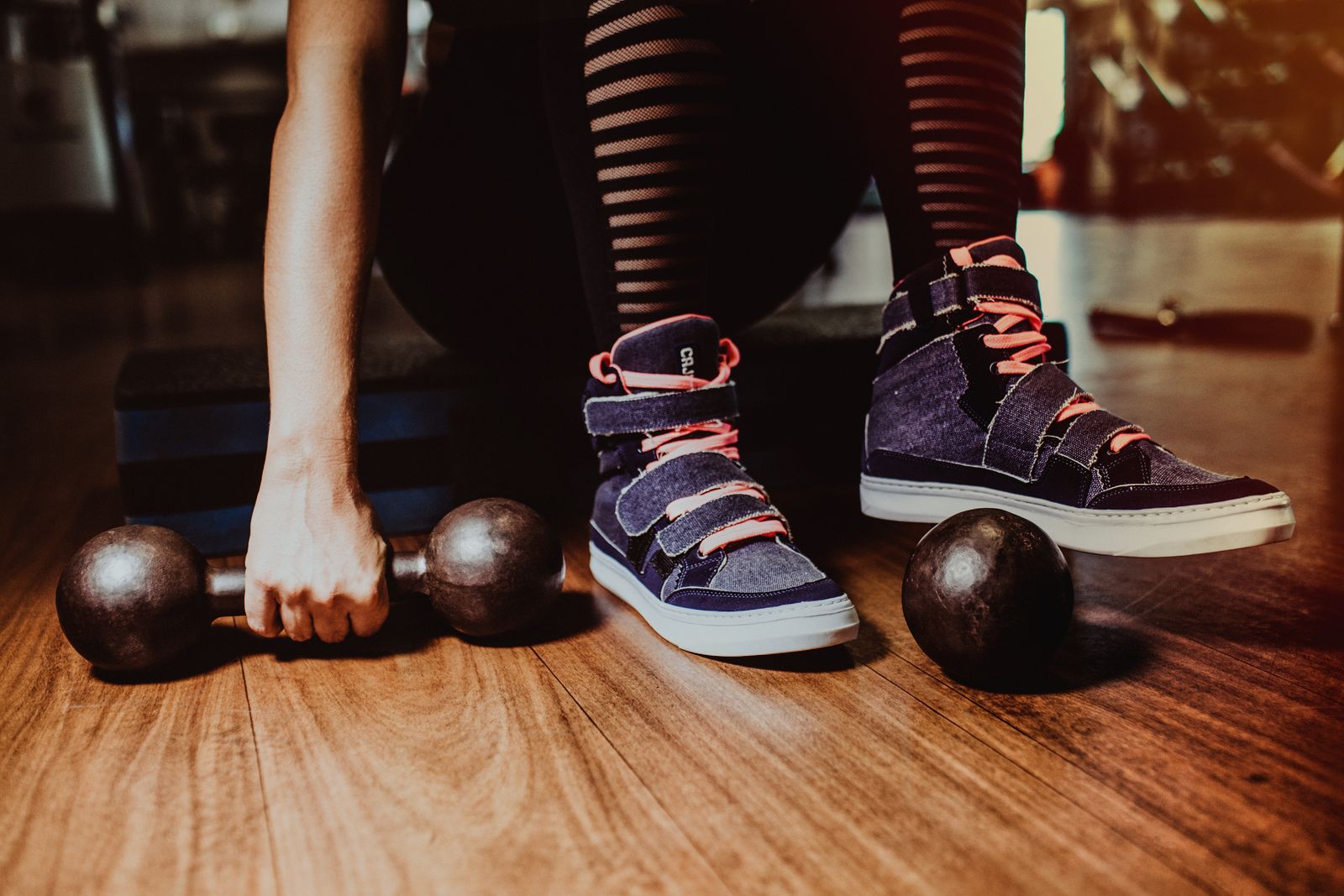
Look for lightweight, dance-friendly sneakers with solid arch support and a sole designed to allow smooth pivoting rather than one built purely for traction and grip. A shoe that protects your foot and supports your ankle while still allowing full range of motion through your ankles, knees, and hips gives you the best combination of safety and performance for a genuine Zumba class.
Additional Practical Considerations
Many people gravitate toward colorful, energetic clothing for Zumba specifically, which fits the fun, high-energy atmosphere the format is known for, though this is purely a matter of personal preference rather than a functional requirement. Bringing a small towel and water bottle matters too, given how much a typical class makes you sweat, and a supportive sports bra is worth prioritizing for anyone doing the format regularly, given the amount of jumping and bouncing movement involved.
Dressing for Different Zumba Formats
Standard high-energy classes benefit most from the lightweight, lateral-movement-friendly setup described above. Lower-impact formats like Zumba Gold still benefit from the same general shoe guidance, even though the movement itself is gentler, since the underlying pivoting mechanics remain similar. Formats like Zumba Toning or Aqua Zumba may call for small adjustments, toning sticks for the former, water-appropriate footwear for the latter, worth checking with your specific instructor or class description beforehand.
What to Wear for Zumba: Quick Guide
| Item | Recommendation |
|---|---|
| Shoes | Cross-trainers or dance sneakers with lateral support |
| Top | Moisture-wicking, fitted or semi-fitted |
| Bottom | Leggings or fitted shorts, avoid loose baggy fabric |
| Avoid | Running shoes, cotton fabrics, loose jewelry |
Once your gear is sorted, our guide to Zumba for beginners covers everything else you need to know before your first class.
Frequently Asked Questions About What to Wear for Zumba
Can I wear running shoes to Zumba?
It’s not recommended. Running shoes are built with tread patterns for forward motion and can make pivots and quick direction changes harder and riskier, contributing to the torquing mechanism behind Zumba’s most commonly reported injury, knee pain.
What kind of shoes are best for Zumba?
Lightweight, dance-friendly sneakers with good arch support and a sole designed to allow smooth pivoting, similar to shoes made for basketball or dance-specific cross-training, generally work best.
Should I wear leggings or shorts to Zumba?
Both work well. Leggings keep muscles warm and offer a close, unrestrictive fit through a wide range of leg movement, while shorts offer more airflow, particularly useful in warmer environments.
Do I need special clothing for Zumba, or will any workout clothes work?
Any breathable, form-fitting athletic wear that allows full range of motion works well; there’s no requirement for Zumba-specific branded apparel beyond general fitness clothing basics.
Why do my knees hurt after Zumba, and does footwear affect this?
Knee pain is Zumba’s most commonly reported side effect, largely tied to a mechanism called torquing during pivots, and wearing shoes built for lateral movement rather than forward-motion running shoes meaningfully reduces this specific risk.
Ready to Gear Up and Get Moving?
The right outfit removes one more barrier between you and a great workout. Explore FitStrot’s Online Zumba Classes and get started today.
Want to avoid common injuries too? Check out our guide to Zumba side effects, explore Zumba for beginners, or head to Online Zumba Classes to get started.