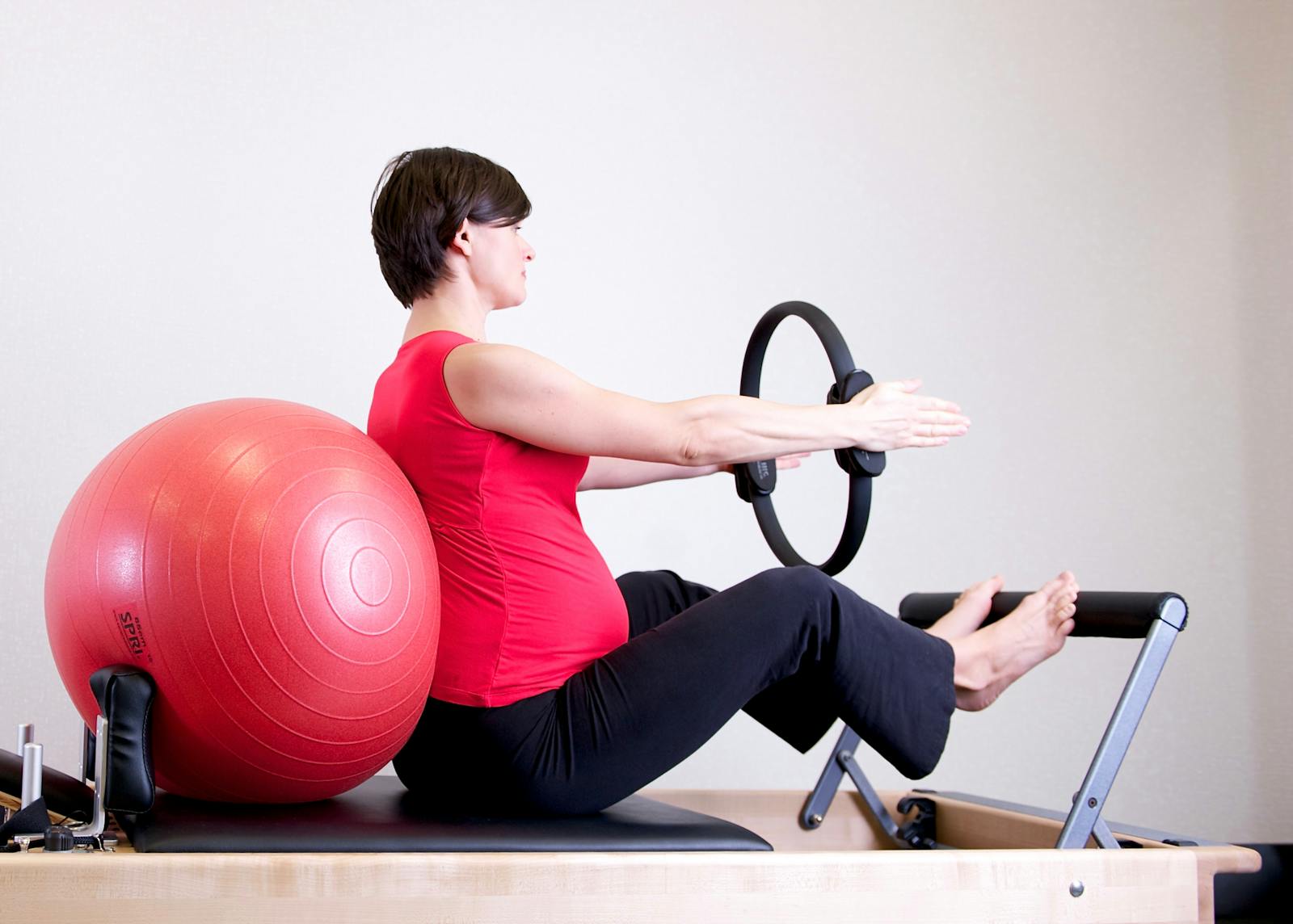
The American College of Obstetricians and Gynecologists supports regular moderate-intensity physical activity for healthy pregnant women without contraindications, generally around 150 minutes weekly, and modified, low-impact Zumba can fit within that guidance when high-impact jumps and quick direction changes are removed. This is general safety information, not individual medical advice. Every pregnancy is different, so confirming with your own healthcare provider before starting or continuing Zumba remains the essential first step, regardless of what general guidance suggests.
The General Safety Guidance
ACOG’s position supports moderate-intensity exercise throughout an uncomplicated pregnancy, and Zumba can meet that standard when appropriately modified, low-impact steps, no jumps, and no sudden direction changes, replacing the higher-impact elements of a standard class. Pacing workouts appropriately and taking breaks as needed matters more during pregnancy than during typical practice, since exertion tolerance and energy levels shift considerably across the nine months.
Key Modifications That Matter Throughout Pregnancy
Removing jumps and high-impact steps in favor of gentle salsa steps, slow merengue marches, and cumbia side steps keeps the rhythm and enjoyment of a class intact while removing the joint and balance risk that jumping and quick pivots can introduce. Avoiding sudden twists or rapid direction changes specifically addresses the shifting center of balance that develops as pregnancy progresses, a factor that changes considerably between early and late pregnancy.
First Trimester Considerations
Women who were already regularly active before becoming pregnant often find they can continue much of their normal Zumba routine during the first trimester with only slight modifications, since the physical changes affecting balance and impact tolerance are generally less pronounced this early. Energy levels and nausea can vary considerably during this period though, and adjusting intensity to how you’re actually feeling on a given day matters more than pushing through a fixed routine.
Second Trimester Considerations
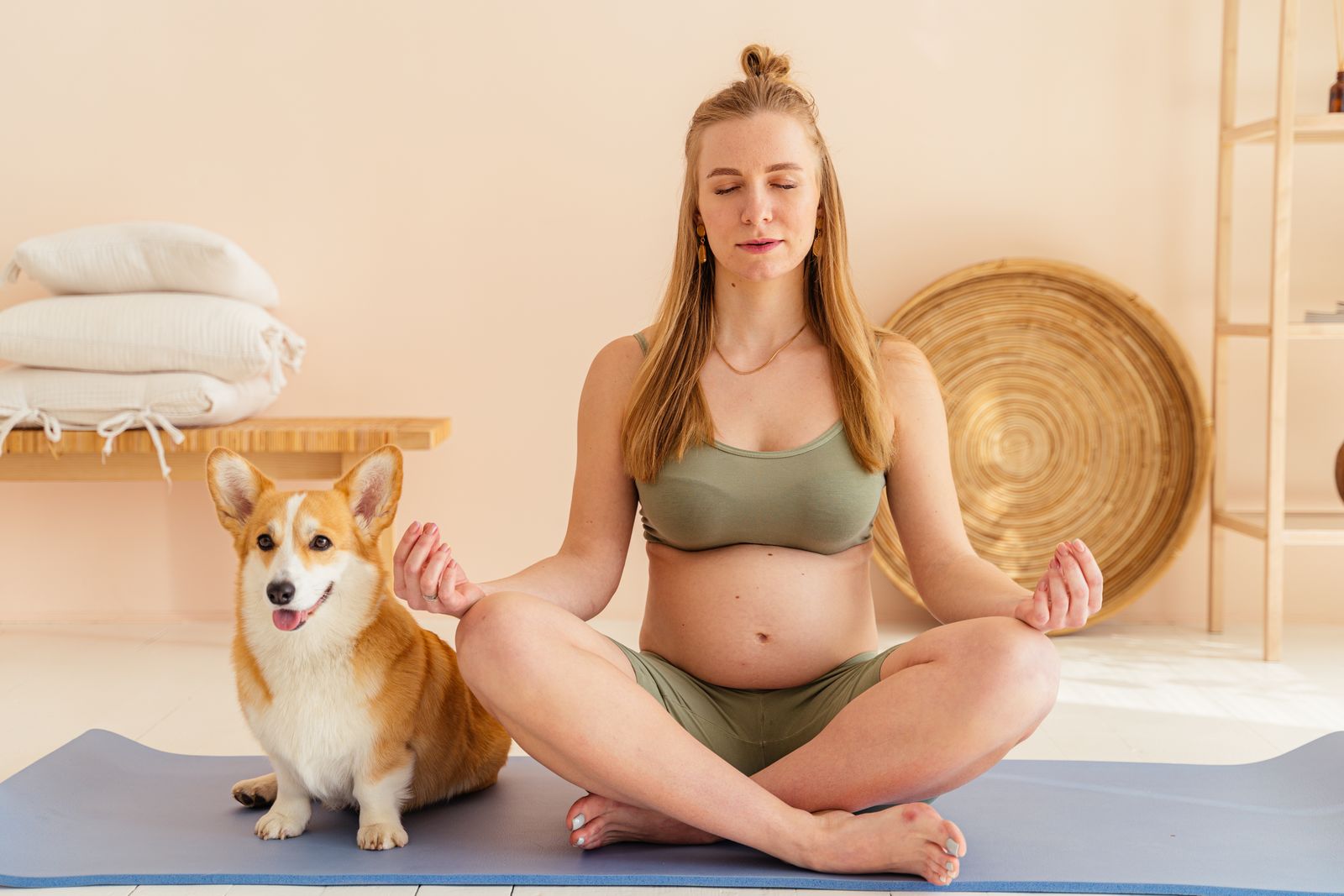
As the belly grows and balance begins shifting more noticeably, keeping movements low-impact and avoiding quick twists or jumps becomes more important during this stage than it was earlier in pregnancy. This is generally when modifications need to become more deliberate rather than incidental, since the physical changes of pregnancy become considerably more pronounced during this window.
Third Trimester Considerations
Energy levels often decrease and mobility can feel more restricted in the final trimester, making gentle routines emphasizing slow dance steps, mobility work, and stretching more appropriate than higher-energy choreography. Listening closely to your body during this stage matters more than in any earlier trimester, since both energy and physical capacity can change from week to week as the due date approaches.
Why a Prenatal-Specific Class Is Worth Seeking Out
Where available, joining a class specifically designed for pregnant participants offers a real advantage, since instructors trained in prenatal modifications can adapt choreography and pacing in real time based on visible cues, rather than a pregnant participant needing to self-modify a standard class on the fly. Our guide to Zumba for beginners covers general starting principles that apply alongside these pregnancy-specific modifications for anyone newer to the format overall.
When to Stop and Check With a Doctor
Any new pain, dizziness, unusual shortness of breath, vaginal bleeding, or reduced fetal movement during or after exercise warrants stopping immediately and contacting a healthcare provider, regardless of how mild a workout might otherwise seem. This general guidance doesn’t replace individualized medical advice specific to your pregnancy, and confirming your own provider is comfortable with your continuing or starting Zumba remains the necessary first step before following any of the general guidance above.
Zumba During Pregnancy Quick Facts
- Medical clearance: Always check with your doctor first
- Modifications needed: Avoid jumps, deep twists, and lying on the back after the first trimester
- Best format: Prenatal-specific or Zumba Gold-style lower-impact classes
- Key benefits: Mood support, circulation, manageable weight gain
Beyond pregnancy-specific modifications, our broader guide to Zumba for women covers how the format adapts across different life stages.
What People Usually Want to Know
Is it safe to do Zumba while pregnant?
For healthy pregnant women without contraindications, ACOG supports moderate-intensity exercise, and modified, low-impact Zumba can fit within that guidance. Confirming with your own healthcare provider first remains essential, since individual circumstances vary.
What Zumba modifications matter most during pregnancy?
Removing jumps and high-impact steps, avoiding sudden twists or direction changes, and choosing gentle versions of steps like salsa marches and cumbia side steps address the balance and joint changes that develop throughout pregnancy.
Can I keep doing the same Zumba routine throughout my whole pregnancy?
Generally no. Modifications typically need to increase as pregnancy progresses, with the first trimester often requiring the least adjustment and the third trimester generally calling for gentler, lower-energy routines.
Should I join a regular Zumba class or look for a prenatal-specific one?
A prenatal-specific class, where available, offers real advantages since instructors trained in these modifications can adapt in real time, rather than requiring a pregnant participant to self-modify a standard class alone.
What symptoms during Zumba mean I should stop and call my doctor?
New pain, dizziness, unusual shortness of breath, vaginal bleeding, or reduced fetal movement all warrant stopping immediately and contacting your healthcare provider, regardless of how the workout otherwise felt.
Where to Go From Here
Every pregnancy is different, and the right next step is a conversation with your own provider. Explore FitStrot’s Online Zumba Classes once you’ve gotten that guidance.
Related reading: Zumba for beginners, Zumba for women, or head to Online Zumba Classes to get started.
Sources: FirstCry Parenting, Zumba During Pregnancy: Is It Safe, Benefits and Precautions, MomJunction, Is It Safe to Do Zumba During Pregnancy