What Zumba Actually Is
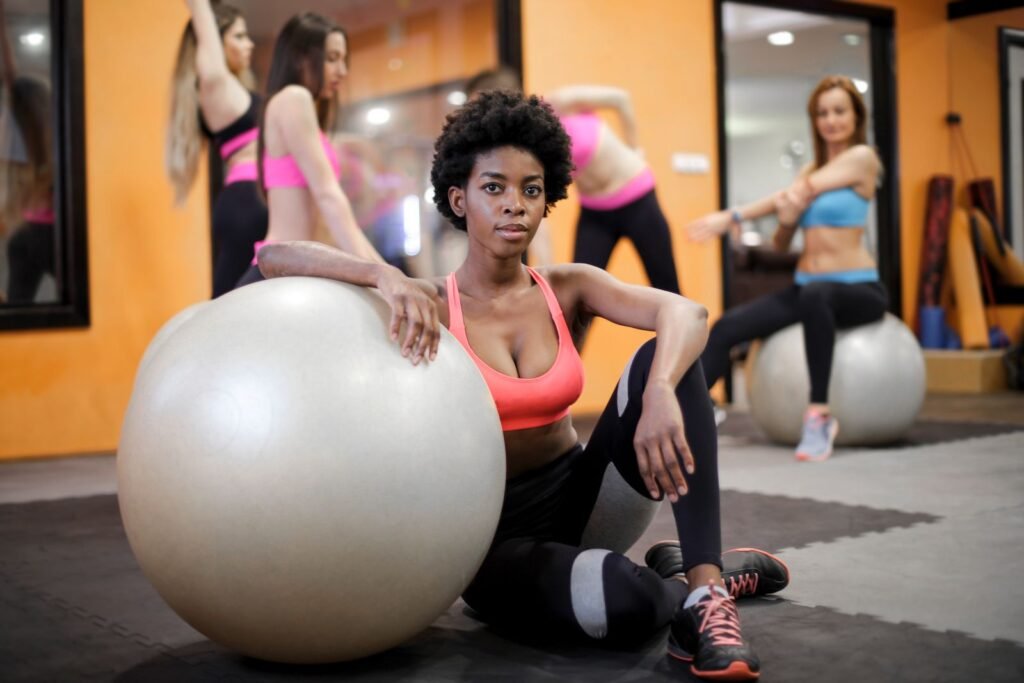
Zumba is an upbeat, dance-based workout blending Latin and international rhythms, salsa, merengue, reggaeton, cumbia, and hip-hop, with cardio exercise movement into one fast-paced, accessible format. It’s built for every fitness level and dance ability, with the main expectation being genuine enjoyment alongside the physical workout itself.
The Typical Class Structure
Most classes open with a 5 to 10 minute warm-up using simple, low-complexity movement to ease into the session. The main routine runs 30 to 40 minutes, built around upbeat dance tracks of varying intensity that mirror an interval training structure. A 5 to 10 minute cool-down closes the class, gentle stretches paired with slower music to bring your heart rate back down gradually.
How Instructors Actually Communicate Choreography
Most Zumba instructors rely heavily on non-verbal cues, gesturing and demonstrating movement directly, rather than calling out verbal directions like “turn left” or “step right.” This teaching style means watching the instructor closely, rather than listening for spoken instructions, is generally the most effective way to follow along, particularly in your first several classes.
What to Do as a Complete First-Timer
Letting the instructor know it’s your first class typically results in extra encouragement and modifications offered specifically to help you ease in. Standing toward the middle or back of the room, rather than the front, gives you a clear view of the instructor while following along without feeling directly watched, a genuinely useful positioning strategy for building initial confidence.
How Long It Takes to Feel Comfortable
Most people start genuinely getting the hang of Zumba’s choreography and rhythm after just two or three classes, a relatively fast adjustment period compared to some other fitness formats. Focusing on footwork first and adding arm movements later, rather than attempting both simultaneously from the start, tends to accelerate this comfort-building process. Our guide to Zumba for beginners covers this approach in more depth.
What to Bring to Every Class
Athletic shoes offering genuine ankle support matter considerably, given how much turning and pivoting standard choreography involves. Sweat-wicking workout clothing, a towel, and a water bottle round out the practical essentials, since Zumba’s continuous movement generates real, sustained sweat throughout a typical session. Our guide to what to wear for Zumba covers this in additional detail.
Choosing Between Class Formats
Beyond standard classes, several variants exist for different goals and preferences, our guide to types of Zumba covers the full range, from lower-impact Zumba Gold to resistance-focused Zumba Toning, useful for finding the specific format that best matches your current goals and fitness level.
The Mindset That Actually Helps Most
Not stressing over getting every single step exactly right, and simply focusing on continuous movement and genuine enjoyment, tends to produce better long-term results than chasing precision from day one. Skills and coordination build naturally with repeated practice, a pattern consistent across nearly everyone’s early Zumba experience regardless of starting fitness level or dance background.
Zumba Classes Guide: Quick Reference
| Question | Quick Answer |
|---|---|
| What to wear | Supportive shoes, moisture-wicking activewear |
| What to bring | Water bottle, towel |
| How to choose a class | Match format to your fitness level and goals |
| How often to attend | 2-4 times weekly for most goals |
Frequently Asked Questions About Zumba Classes
What should I expect in my first Zumba class?
A structured session with a light warm-up, a 30 to 40 minute main routine of varied-intensity choreography, and a cool-down, all taught primarily through non-verbal instructor cues rather than spoken directions.
How long does it take to feel comfortable with Zumba choreography?
Most people start genuinely getting the hang of it after just two or three classes, a relatively quick adjustment period compared to many other fitness formats.
Do I need to tell the instructor it’s my first class?
It’s a good idea, since instructors typically offer extra encouragement and modifications specifically for first-timers once they know.
Where should I stand in the room as a beginner?
The middle or back of the room generally works well, giving you a clear view of the instructor while following along without feeling directly in the spotlight.
What should I bring to a Zumba class?
Supportive athletic shoes with good ankle support, sweat-wicking workout clothing, a towel, and a water bottle are the essential items for any typical session.
Take the Next Step
Now that you know what to expect, the only thing left is showing up. Explore FitStrot’s Online Zumba Classes to get started.
Related reading: Zumba for beginners, types of Zumba, or head to Online Zumba Classes to get started.
Sources: Zumba, Preparing for Your First Zumba Class, WeightWatchers, Tips for Your First Time at Zumba Class