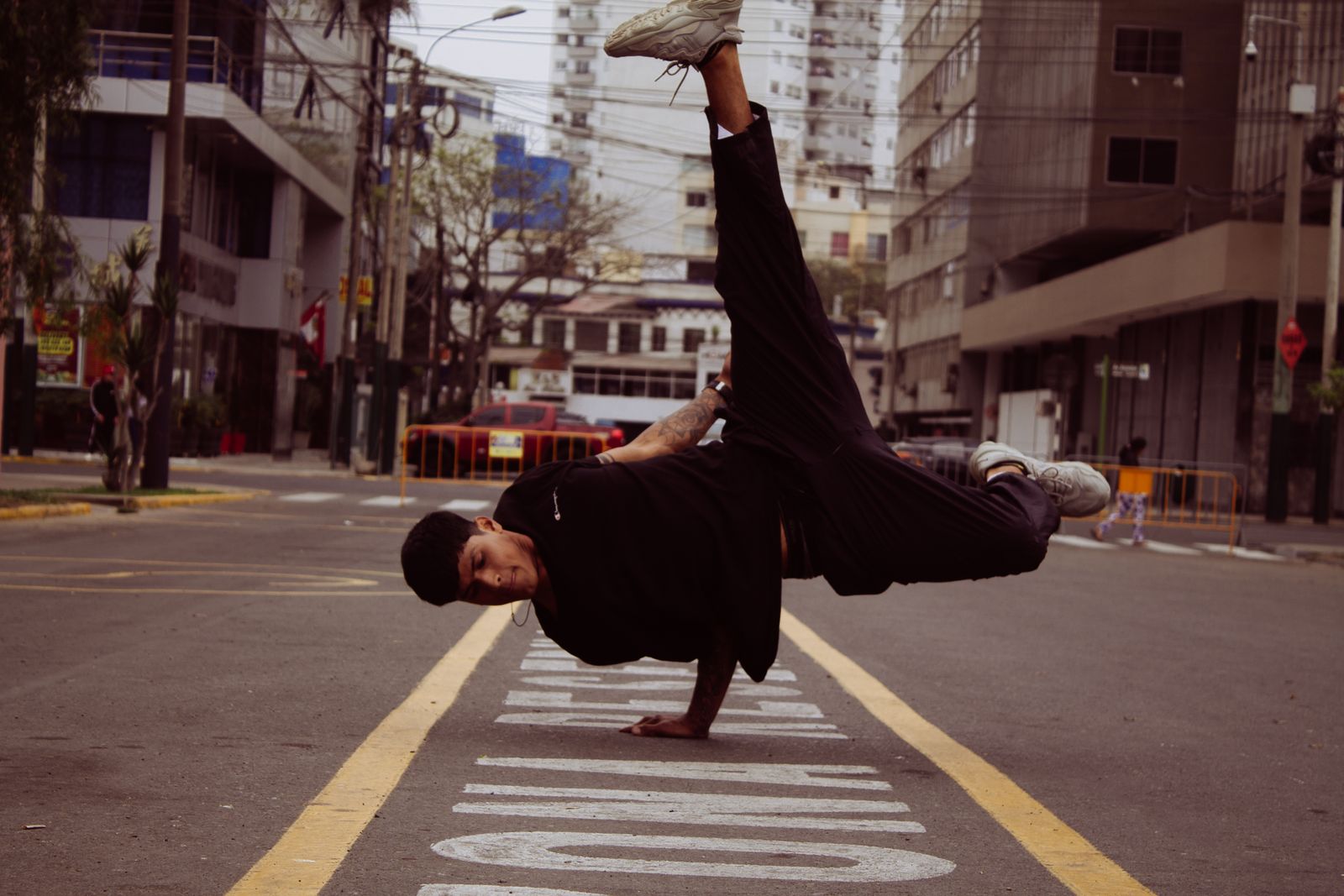
Zumba choreography draws its dance moves from a blend of hip-hop, samba, salsa, merengue, mambo, martial arts, and even touches of Bollywood and belly dance, layered together with fitness elements like squats and lunges that a purely social dance context wouldn’t include. Beyond named steps like the merengue march, a set of recurring movement types, shimmies, bounces, stomps, and pops among them, appear across nearly every class regardless of the specific rhythm being taught.
Here’s a complete glossary of the most common Zumba dance moves, what each one looks and feels like, and where you’re most likely to encounter it.
Shimmy
A shimmy is a rapid, side-to-side movement of the shoulders, often performed while your feet continue a separate footwork pattern underneath. Shimmies appear frequently across nearly all rhythms and add an upper-body engagement element that complements the leg-focused nature of most basic steps.
Bounce
A bounce is a springy, rhythmic movement typically originating in the legs or hips, adding energy and a sense of buoyancy to choreography. It’s commonly layered on top of basic steps during higher-energy sections of a class to intensify the movement without necessarily changing the underlying footwork pattern.
Stomp
A stomp is a forceful, deliberate step where your foot strikes the ground with emphasis, typically used to accent a particularly strong beat in the music. Stomps show up often in reggaeton-influenced sections, where the music’s percussive quality lends itself naturally to this kind of emphatic movement.
Pop
A pop is a quick, explosive movement, often originating in the hips or shoulders, used to punctuate a specific musical accent. This movement requires a bit more coordination than some foundational steps and tends to appear more in intermediate choreography once basic footwork feels comfortable.
Lock
A lock refers to holding a pose or position briefly before releasing back into continuous movement, creating a moment of visual and rhythmic contrast within otherwise fluid choreography. This move often pairs with a strong musical accent, similar to a stomp, but emphasizes stillness rather than impact.
Hip Circles
Hip circles involve rotating your hips in a continuous circular motion, a movement drawn heavily from Latin dance traditions and central to rhythms like cumbia and salsa specifically. This movement also does meaningful work for core engagement, since maintaining balance during a hip circle requires genuine abdominal and oblique stabilization.
Squats and Lunges Within Choreography
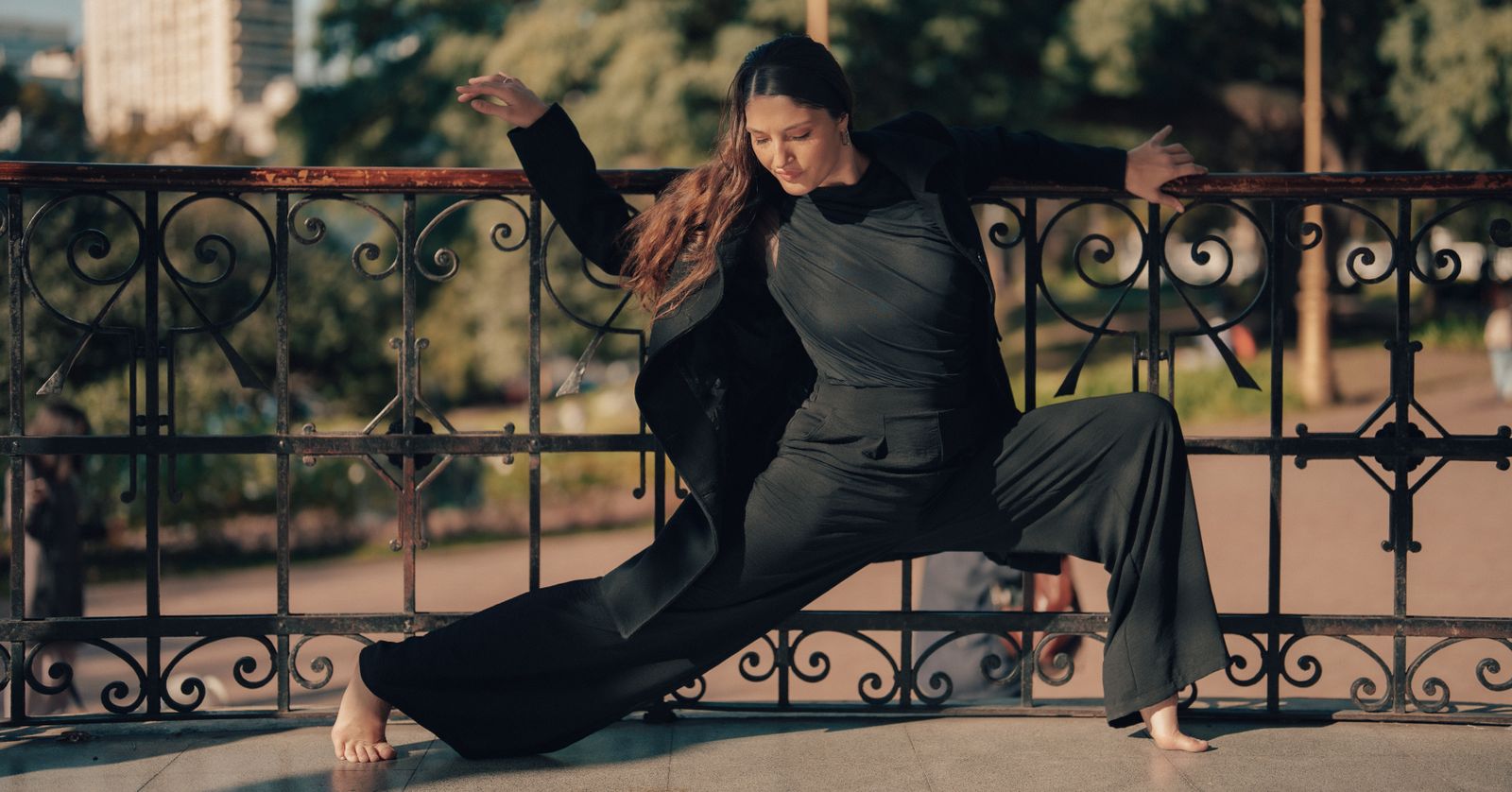
Unlike a purely social dance class, Zumba choreography deliberately weaves in fitness-focused movements like squats and lunges alongside dance-inspired steps, adding genuine strength and toning benefit to the workout beyond what a dance class without this fitness layer would provide. Our guide to does Zumba tone your body covers how these specific movements contribute to muscle engagement across a class.
How Instructors Combine These Moves
A typical song rarely uses just one movement type in isolation. Instructors commonly layer a foundational step, like a basic salsa step or merengue march, with an accent movement like a shimmy or stomp, building progressively more complex combinations as a song continues and dancers get comfortable with the base pattern. Our guide to basic Zumba steps covers the foundational movements this glossary builds on top of.
Learning These Moves as a Beginner
Rather than trying to memorize this entire glossary before your first class, focus on recognizing these movement names as instructors call them out, and let your body catch up through repeated exposure across several sessions. Our guide to Zumba for beginners covers a broader approach to easing into full classes without feeling overwhelmed by unfamiliar vocabulary.
Common Zumba Dance Moves
| Move | Rhythm Origin | Difficulty |
|---|---|---|
| Salsa basic step | Salsa | Beginner |
| Merengue march | Merengue | Beginner |
| Reggaeton bounce | Reggaeton | Beginner-Intermediate |
| Cumbia shuffle | Cumbia | Beginner |
| Samba roll | Samba | Intermediate |
Frequently Asked Questions About Zumba Dance Moves
What is the difference between a shimmy and a bounce in Zumba?
A shimmy is a rapid side-to-side movement specifically in the shoulders, while a bounce is a springy movement typically originating in the legs or hips. Both add energy to choreography but engage different parts of the body.
Do I need to know all these dance move names before my first class?
No. Instructors demonstrate each movement visually alongside naming it, so you can learn through watching and repeating rather than needing to memorize terminology beforehand.
Which Zumba dance moves are hardest for beginners?
Pops and hip circles tend to require more coordination than foundational steps like the merengue march, since they demand more precise, isolated muscle control, and often feel more natural after some initial practice with simpler movements first.
Where do Zumba’s dance moves come from?
Zumba draws from a wide blend of dance traditions, including hip-hop, samba, salsa, merengue, mambo, martial arts, Bollywood, and belly dance, combined with fitness elements like squats and lunges not typically found in purely social dance.
Can practicing these individual moves at home help before a class?
Yes, practicing individual movements like shimmies, hip circles, or stomps in isolation at home builds familiarity that makes following full choreography during a live class considerably easier.
Ready to Put These Moves Into Motion?
Understanding the vocabulary makes the movement itself click faster. Explore FitStrot’s Online Zumba Classes and start moving today.
Want the foundational steps first? Check out our guide to basic Zumba steps, explore Zumba for beginners, or head to Online Zumba Classes to get started.