What you eat before and after a workout should be built around timing, not myths. Before training, eat a carbohydrate-rich meal 1-3 hours out (or a light carb snack 30-60 minutes out) while keeping fat and fibre low so digestion doesn’t compete with performance. After training, aim for roughly 20-40 g of protein and some carbohydrate within a few hours — not the frantic “30-minute anabolic window” many of us grew up hearing about, which research has since shown is far more forgiving than once believed.
If you’ve ever wolfed down a protein shake in the locker room convinced you’d lose your “gains” otherwise, this guide is for you. Here’s what the research actually says about pre- and post-workout eating, and how to translate it into real Indian meals you can prep without overthinking it.
What should you eat before a workout?
The main job of a pre-workout meal is to top up muscle and liver glycogen so you don’t run out of readily available fuel mid-session. Carbohydrate is the priority nutrient here, and how much you need depends heavily on how far out from training you’re eating.
A commonly used guideline is to scale carbohydrate intake with the time you have before exercise: roughly 1 g of carbohydrate per kg of body weight if you’re eating an hour before training, up to 3-4 g/kg if you have 3-4 hours to digest. So a 65 kg person might eat around 65 g of carbs an hour out, or closer to 200-250 g with a full meal three hours before the gym. This scaling exists because your body needs time to digest, absorb, and store that fuel as glycogen — eat too much too close to training and it just sits in your stomach.
Protein in the pre-workout meal helps too, since amino acids in circulation during training support muscle protein synthesis, but the meal doesn’t need to be protein-heavy. Think of carbs as the fuel tank and protein as a supporting player.
The 1-3 hour meal vs. the 30-60 minute snack
These are two different tools for two different situations, and mixing them up is where most people go wrong.
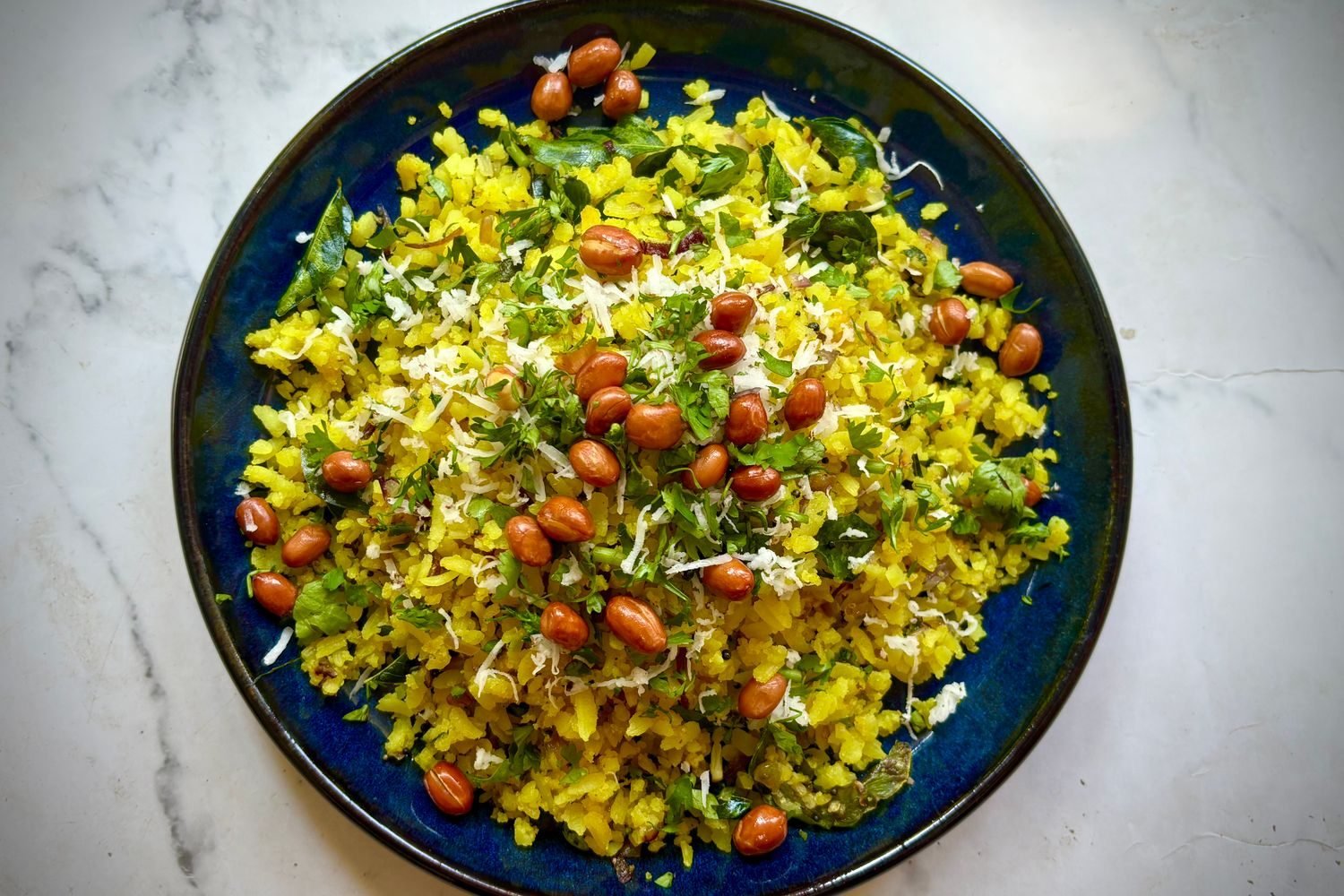
- 1-3 hours before: A proper meal with complex carbohydrates, a moderate protein portion, and minimal fat — think a bowl of poha with peanuts, a besan chilla with a small side of dal, or rice with dal and vegetables if you’re training in the evening.
- 30-60 minutes before: A small, fast-digesting carb snack when you didn’t get to eat earlier or need a top-up: a banana, a handful of dates, a slice of toast with honey, or a small bowl of poha. Keep the portion light — this isn’t a meal, it’s insurance against low energy.
If you’re new to structuring meals around training, zoom out and look at your whole day rather than obsessing over a single plate. Our guide to sports nutrition covers how daily eating patterns drive performance and recovery.
Why fat and fibre right before training backfire
Fat slows gastric emptying, and fibre adds bulk and fermentation in the gut — both great for your diet overall but terrible timing right before you need blood flow going to working muscles instead of your digestive tract. This is why a plate of rajma-chawal or a fibre-loaded salad an hour before a heavy squat session tends to end in cramping, bloating, or a mid-set trip to the washroom.
The fix isn’t to avoid fat and fibre altogether, it’s to schedule them away from your pre-workout window. Save the ghee, nuts, and fibrous vegetables for meals earlier in the day or well after training.
Is the “anabolic window” after a workout actually real?
Not in the way it’s usually described. The idea that you have a strict 30-minute window after training to consume protein or lose out on muscle gains isn’t supported by current research. A widely cited review in the Journal of the International Society of Sports Nutrition found that the anabolic response to a training session stays elevated for a much longer period — some estimates put it at up to 24 hours — and that timing protein immediately after exercise versus a few hours later produced no meaningful difference in muscle or strength gains in controlled studies, provided total daily protein intake was adequate.
That doesn’t mean timing is irrelevant, it means the window is measured in hours, not minutes. If you train fasted in the morning and don’t eat until dinner, you’re likely leaving some recovery benefit on the table. But if you finish a workout and eat a proper meal within two to three hours, you’re well within the range where research shows no meaningful penalty. The ISSN’s position stand on nutrient timing puts it plainly: the practical concern isn’t hitting a precise minute mark, it’s not skipping the meal altogether. For more on how this fits into a broader eating strategy for building muscle, see our breakdown of a nutrition and diet plan for muscle building.
What the research actually recommends for post-workout protein and carbs
Rather than chasing a clock, aim for these two numbers — the same targets we reference in our guide to the best diet for muscle gain:
- Protein: The ISSN position stand on protein and exercise recommends 20-40 g of high-quality protein per meal (roughly 0.25-0.40 g per kg of body weight) to maximally stimulate muscle protein synthesis. Spreading this across meals every 3-4 hours throughout the day, including one post-workout, tends to work better than one large dose.
- Carbohydrate: If you train twice in one day or need fast glycogen recovery (like an athlete with back-to-back sessions), research on glycogen resynthesis suggests consuming carbohydrate at a rate of about 1.2 g per kg of body weight per hour in the hours immediately following exercise replenishes glycogen most efficiently. For a single daily training session with a normal 24-hour gap before the next one, this precision matters far less — your next couple of meals will take care of it.
Interestingly, when carbohydrate intake after exercise is already sufficient, adding extra protein doesn’t speed up glycogen replenishment any further. Protein’s role post-workout is really about muscle repair, while carbs handle glycogen — different jobs, not competing for the same one.
Why the 30-minute myth stuck around so long
Early studies on nutrient timing were often done on fasted subjects or looked at short-term markers of muscle protein synthesis rather than long-term strength and hypertrophy outcomes. Supplement marketing picked up on those narrower findings and ran with the “window” language because urgency sells shakes. Later, better-controlled trials tracking actual muscle and strength changes over 8-12 weeks found the timing effect mostly washed out once total protein intake was equated between groups. The science evolved; the marketing message didn’t always keep up.
What are good Indian food options for pre- and post-workout meals?
You don’t need imported powders to hit these targets, and you don’t need to follow a bodybuilder’s meal plan down to the gram either. Most Indian kitchens already have what you need — it’s a matter of portioning and timing it right. For a deeper look at building meals with these goals in mind, our sports nutrition basics guide is a useful companion to this list.
Pre-workout (1-3 hours before)
- Vegetable poha with peanuts and a squeeze of lemon
- Idli (2-3) with a thin sambar, going light on the coconut chutney
- Moong dal chilla with a small bowl of curd
- Roti with a light vegetable sabzi and a small portion of dal
- Upma with vegetables, made with less oil than usual
Pre-workout (30-60 minute snack)
- A banana or two dates
- A small glass of sugarcane juice or coconut water with a fruit
- A slice of toast with honey
- A small bowl of poha or a handful of roasted makhana
Post-workout (within 1-3 hours)
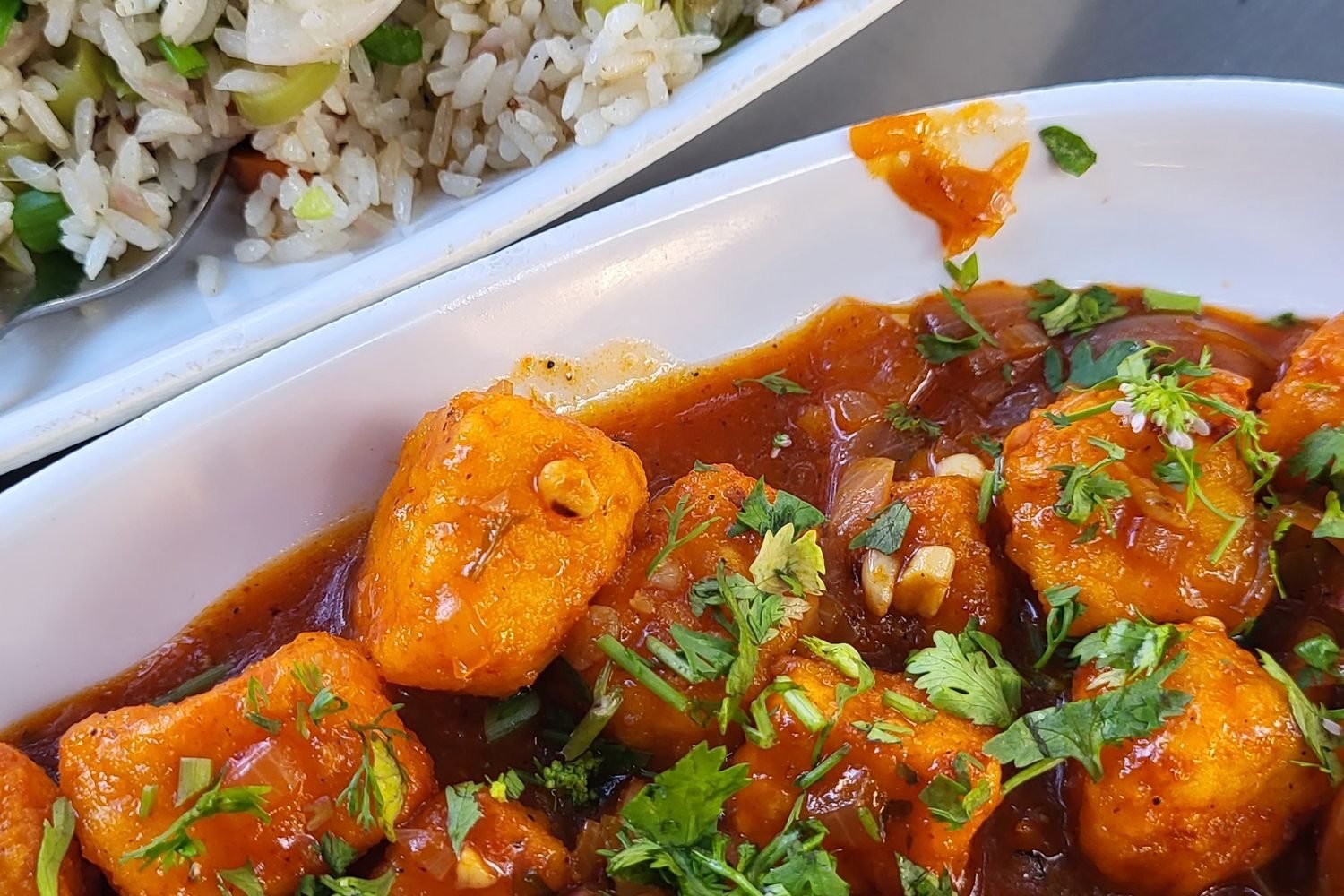
- Paneer bhurji with 2-3 rotis or a bowl of rice
- Grilled chicken or fish with rice and dal
- Egg bhurji with toast and a fruit on the side
- Rajma or chole with rice (a great combined protein-carb plate once you’re past the immediate pre-workout window)
- Greek yoghurt or curd with a banana and a spoon of peanut butter for a faster option
If you’re building a full weekly plan around these principles rather than figuring it out meal by meal, it’s worth reading up on the best diet for muscle gain, which lays out how to structure meals across the day, not just around training.
What if you train first thing in the morning?
Early morning training is where the pre/post distinction gets fuzziest, and that’s fine. If you can’t stomach a full meal at 5:30 am, a small carb snack (a banana, some dates, or black coffee if you tolerate fasted training well) beforehand is enough, followed by a proper protein-and-carb meal within a couple of hours of finishing. Don’t force a heavy breakfast into your stomach at 5 am just to “do it right” — the post-workout meal is where you make up the difference. Some lifters also use caffeine strategically for early sessions; if that’s you, our piece on caffeine and exercise performance covers dosing and timing.
How does this fit into your overall diet?
Pre- and post-workout meals matter, but they’re a smaller lever than most people assume. Total daily protein (research generally supports 1.4-2.0 g per kg of body weight per day for people who train regularly), total daily calories, and consistency across weeks will do far more for your physique and performance than nailing the exact minute you eat after a session. Think of workout nutrition as fine-tuning, not the foundation.
Still, fine-tuning counts, especially if you’re training hard multiple times a week or building muscle on a tight timeline. Getting the broad strokes right — carbs before, protein and carbs after, fat and fibre kept out of the immediate pre-workout window — removes one more variable working against your goals. For the bigger picture on how workout nutrition ties into overall strategy, our guide to bodybuilding nutrition is a good next read.
Frequently asked questions
Do I really need to eat immediately after my workout?
No. Research shows the anabolic window extends well beyond the old 30-minute rule, likely up to 24 hours after training. Eating a balanced meal with protein and carbs within 2-3 hours of finishing is more than sufficient for most people, as long as your total daily protein intake is adequate.
Can I work out on an empty stomach?
Yes, for shorter or lower-intensity sessions, though performance in longer or high-intensity workouts may suffer without any fuel. If you train fasted, prioritize eating a protein-and-carb meal soon after to support recovery, since you’ve skipped the pre-workout fuelling entirely.
How much protein should I eat after training?
The ISSN position stand recommends 20-40 g of high-quality protein per meal, or about 0.25-0.40 g per kg of body weight, to maximize muscle protein synthesis. This can come from food (paneer, eggs, chicken, dal) rather than requiring a supplement shake.
Why do I get cramps when I eat too close to my workout?
This usually happens when the pre-workout meal is too high in fat or fibre, or too large overall, close to training time. Both slow digestion and divert blood flow to the gut instead of working muscles. Switch to a lighter, faster-digesting carb snack if you’re eating within an hour of exercise.
Is a protein shake necessary after every workout?
No. A shake is convenient when you can’t get a full meal quickly, but whole food sources like curd, paneer, eggs, or a dal-rice combination work just as well nutritionally. What matters is hitting your protein target for the meal, not the format it comes in.
Getting pre- and post-workout nutrition right is one piece of a much bigger puzzle that includes your training load, sleep, and overall diet. If you want a plan built around your specific goals, body weight, and training schedule rather than generic numbers, an online nutritionist consultation can help you map it out properly.