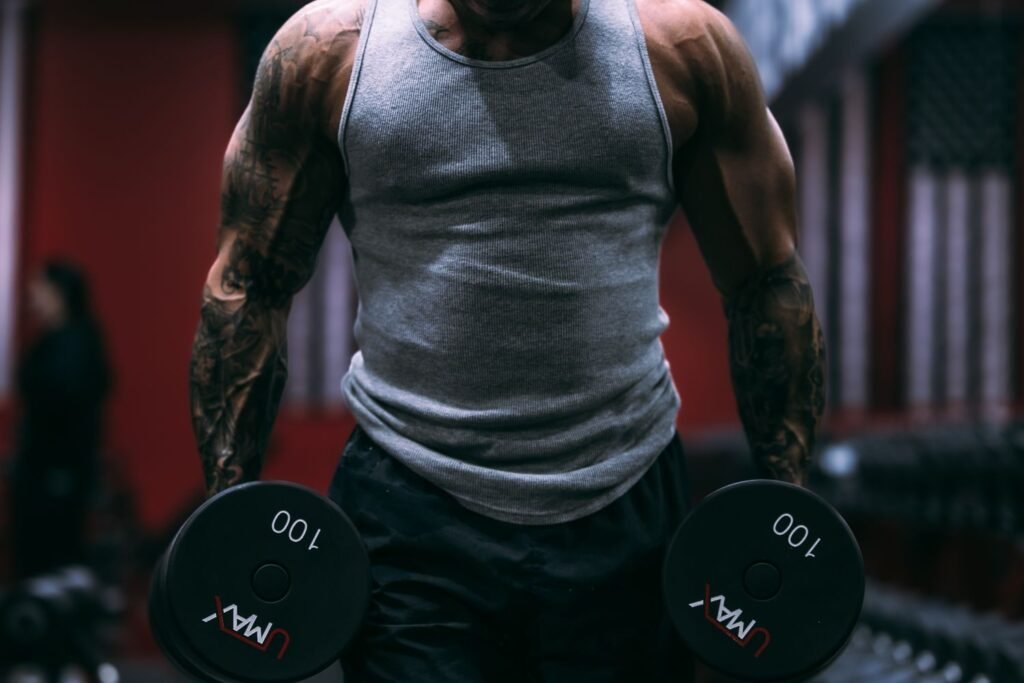
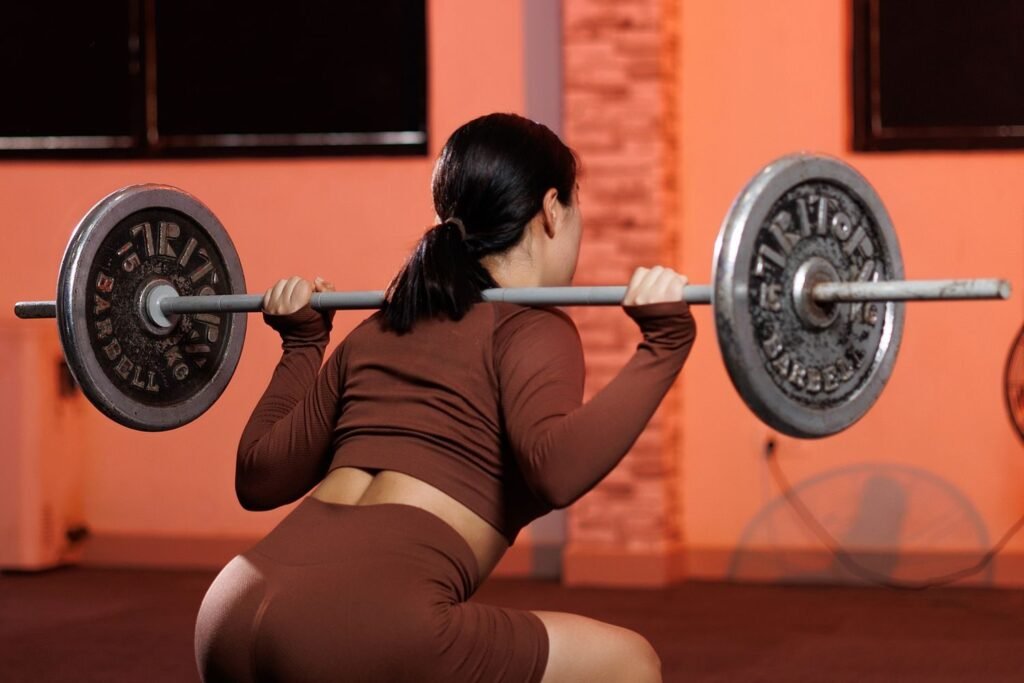
Types of workouts fall into six broad categories: strength (resistance) training, cardio (aerobic) training, HIIT, flexibility and mobility work, functional training, and mind-body practices like yoga. Each one trains your body differently, and most well-built fitness plans borrow from at least three or four of them instead of living in just one lane.
We get some version of this question almost every week from new clients: “I want to start working out, but which type should I even do?” Fair question. Google throws a hundred workout names at you (HIIT, CrossFit, Pilates, calisthenics, powerlifting) and none of it tells you which bucket they belong to or why it matters. So let’s sort the noise into categories that actually mean something for your training.
Why does it matter which type of workout you pick?
Because different types of workouts train different systems in your body, and picking the wrong one for your goal wastes months. Someone chasing fat loss who only does slow, steady cardio will plateau faster than someone who mixes in resistance training. Someone chasing strength who never touches mobility work usually ends up stiff, tight, and eventually hurt. The type of workout you choose should follow the outcome you actually want, not whatever’s trending on Instagram that week.
We see this mismatch constantly with new clients. They’ve been running three times a week for a year, hate that their body composition hasn’t changed, and are shocked to learn cardio alone was never going to build the muscle tone they were picturing. It’s not that cardio failed them. It’s that cardio was never the right tool for that specific job.
What are the main types of workouts?
Here’s the breakdown trainers actually use, not the marketing version.
Strength or resistance training
Strength training means working your muscles against resistance, whether that’s dumbbells, barbells, resistance bands, machines, or just your own bodyweight in push-ups and squats. The goal is progressive overload: making the work slightly harder over weeks and months so your muscles adapt by getting stronger and, often, bigger.
This is the category most people underrate when they’re starting out, especially women who’ve been told cardio is “the” way to lose weight. Strength training builds and preserves muscle, which raises your resting metabolic rate, protects your joints, and does more for long-term body composition than hours on a treadmill ever will. If you want a full breakdown of how a structured plan looks in practice, our gym workout plan guide walks through exactly how we structure this for clients week to week.
Cardio or aerobic training
Cardio (short for cardiovascular exercise) is any activity that keeps your heart rate elevated for a sustained stretch: running, cycling, swimming, brisk walking, rowing, dancing. It trains your heart and lungs to deliver oxygen more efficiently, which is why your resting heart rate drops and stairs stop feeling like a personal attack once you’re a few weeks in.
Cardio splits into two flavors. Low-intensity, steady-state cardio (walking, easy jogging, a relaxed swim) that you can sustain for a long time while still holding a conversation. And higher-intensity cardio that pushes your heart rate up hard for shorter bursts. Both matter. Most people only do one and wonder why progress stalls.

HIIT (high-intensity interval training)
HIIT means alternating short bursts of near-maximum effort with brief recovery periods, usually 20 to 40 seconds of hard work followed by rest, repeated for 15 to 30 minutes total. Think sprint intervals, kettlebell circuits, or bodyweight combos done fast with minimal rest between rounds.
HIIT earns its reputation because it’s efficient. You can get a genuinely tough session done in half an hour, and your body keeps burning extra calories for a while afterward as it recovers, an effect trainers call the afterburn. The catch is that HIIT is demanding on your joints and nervous system, so it’s not something we recommend doing five days a week, especially for beginners still learning proper form under fatigue.
Flexibility and mobility training
Flexibility training improves how far your muscles can lengthen and how freely your joints move through their full range. Static stretching, dynamic warm-ups, and yoga-style flows all live here. It’s the category people skip most often, right up until a tight hip or a locked-up shoulder starts limiting everything else they’re trying to do.
This is also where yoga fits into the picture, and honestly, it’s one of the most underused tools for people who lift weights or run regularly. A slow, controlled yoga practice builds range of motion, improves posture, and teaches you to control movement rather than just muscle through it. If you’re curious what that actually looks like as a structured practice rather than a stretch-when-sore afterthought, our guide on online yoga for strength and flexibility covers it in more depth. We coach yoga at FitStrot alongside strength and cardio work precisely because clients who ignore mobility tend to hit the same wall: they get strong, then they get stiff, then something starts to hurt.
Functional training
Functional training uses movement patterns that mimic real life: squatting to pick something up, pushing a door open, carrying groceries, twisting to reach behind you. Instead of isolating one muscle at a time on a machine, it trains multiple muscle groups together for balance, coordination, and core stability.
This category matters more as people get older, or if daily life (not the gym mirror) is the actual goal. A 45-year-old who wants to play with their kids without their back seizing up cares more about functional strength than bicep size, and functional training is built for exactly that kind of carryover.
Balance and stability work
Balance training is often folded into functional or mobility work, but it deserves its own mention. Single-leg exercises, stability ball work, and controlled slow movements train your body’s ability to stay upright and coordinated, which matters for athletes and becomes genuinely important for injury and fall prevention as people age.
How do these types of workouts compare?
| Workout Type | Primary Goal | Typical Examples |
|---|---|---|
| Strength / Resistance Training | Build muscle, increase strength, boost metabolism | Weightlifting, resistance bands, bodyweight training |
| Cardio / Aerobic Training | Improve heart and lung health, endurance, fat loss | Running, cycling, swimming, brisk walking |
| HIIT | Time-efficient conditioning and calorie burn | Sprint intervals, circuit training, Tabata |
| Flexibility / Mobility Training | Range of motion, posture, injury prevention | Stretching, yoga, dynamic warm-ups |
| Functional Training | Real-world strength, coordination, core stability | Kettlebell carries, lunges, squat-to-press movements |
| Balance / Stability Training | Coordination, fall prevention, joint control | Single-leg work, stability ball drills, controlled holds |
How do you know which type of workout is right for you?
Match the type to the outcome, not the trend:
- Want visible muscle tone and a stronger metabolism? Strength training has to be your base.
- Chasing stamina and heart health? Cardio leads.
- Short on time and want maximum output per minute? HIIT delivers, in small doses.
- Stiff, achy, or losing range of motion? Flexibility work isn’t optional, it’s overdue.
- Daily movement feels harder than it should? Functional training closes that gap.
In practice, almost nobody needs just one type. Our best client results come from people doing two or three of these categories in the same week: strength as the backbone, some form of cardio or HIIT for conditioning, and mobility work (often yoga) woven in so the body can actually recover and keep moving well. Zumba is worth a mention here too, since it blends cardio conditioning with a dance format that keeps people showing up consistently, which honestly matters more than the “perfect” plan on paper. You can see how that works in our Zumba guide if dance-based cardio sounds more appealing than a treadmill.
Not sure which type of training actually fits your goals, your body, and your schedule? That’s exactly what a coach figures out with you instead of leaving you to guess. If you’d rather skip the trial and error, our 1-on-1 personal training starts with an honest look at where you are and builds a plan around it, not a generic template pulled off the internet.
FAQ
What are the types of workouts?
The main types of workouts are strength or resistance training, cardio (aerobic) training, HIIT, flexibility and mobility training, functional training, and balance work. Most effective fitness routines combine at least two or three of these categories rather than relying on just one, since each trains a different aspect of fitness like muscle, endurance, or mobility.
How do you do different types of workouts properly?
Start by identifying your main goal, then build a weekly split around it: strength training two to three times a week, cardio or HIIT on separate days, and mobility work like stretching or yoga woven in throughout. Rest days matter as much as training days. Doing types of workouts “properly” mostly means not overloading one category while ignoring the rest.
What are the benefits of doing different types of workouts?
Combining workout types builds a body that’s strong, conditioned, and mobile instead of good at only one thing. Strength training protects your joints and metabolism, cardio supports heart health, and flexibility work keeps you injury-free. Together they reduce plateaus, since your body keeps adapting to varied demands instead of just one repeated stimulus.
Can beginners do multiple types of workouts in one week?
Yes, and it’s actually the smarter starting point. A beginner might do two strength sessions, one cardio or HIIT session, and one mobility or yoga session weekly. The key is starting light across all categories rather than going hard in just one, which is where most new gym-goers burn out or get hurt in the first month.
How many types of workouts should you do per week?
Most people do well mixing two to three types across four to five weekly sessions: strength as the anchor, cardio or HIIT for conditioning, and mobility or yoga for recovery and joint health. The exact split depends on your goal, current fitness level, and how much time you realistically have, which is where personalized coaching earns its keep over a generic template.