Introduction
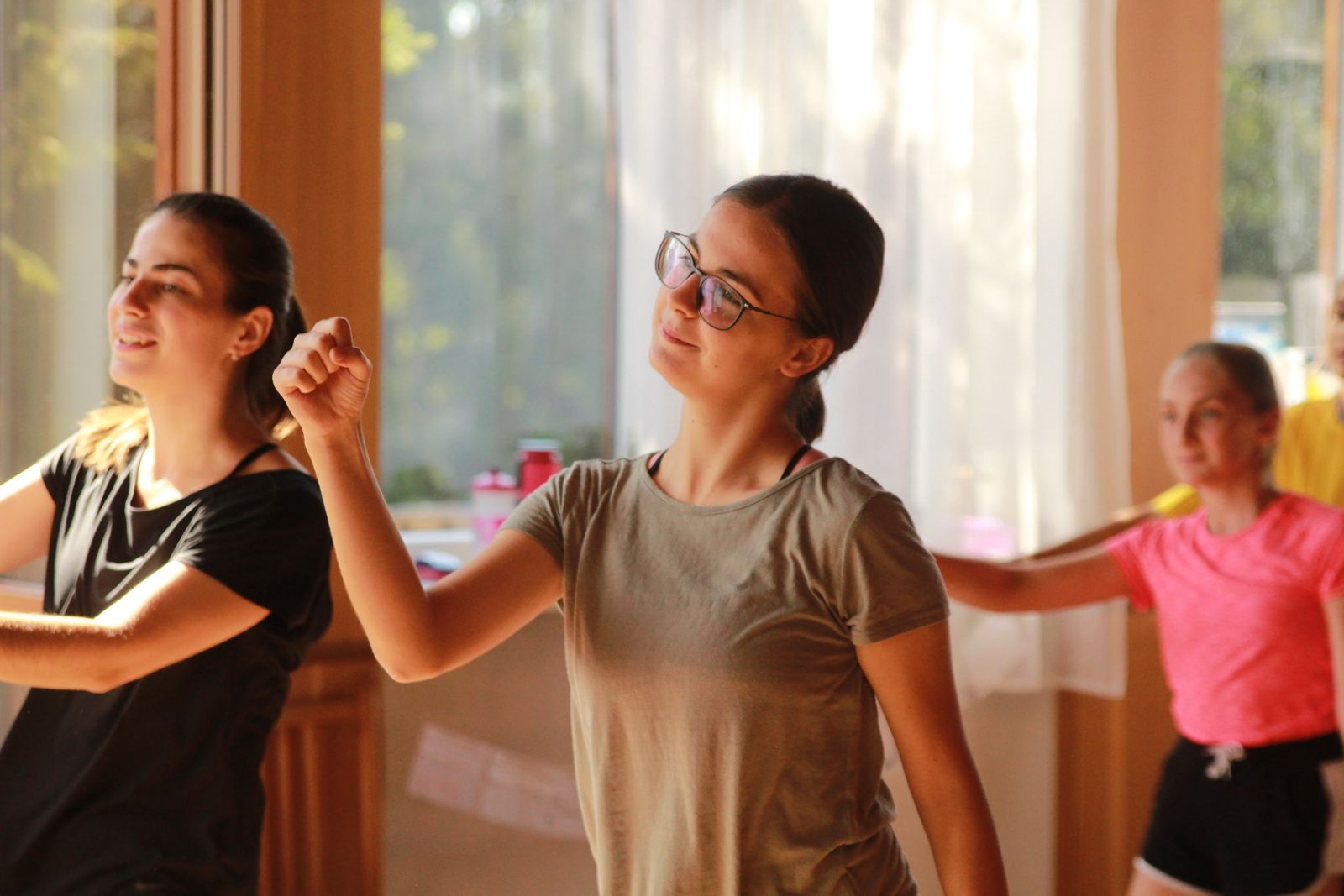
Most people type “zumba” into Google because they’re bored of the same gym treadmill misery and they want something that actually gets them moving without needing a dance degree. Zumba is basically a follow-along, music-led cardio workout done in a group class, built around Latin rhythms and simple choreography, where you keep your heart rate up through intervals that feel like a party but function like legit aerobic training.
In India, that “party” bit matters more than we admit. Our days are already heavy: traffic, screens, family duties, work WhatsApps that never die. Zumba classes sneak exercise into your week because you’re chasing songs and vibes, not punishing yourself. And yes, it can absolutely be a good workout, not just “fun exercising”.
What is this dance-fitness format?
Origin and core idea
Zumba came out of Colombia in the 1990s, tied to choreographer Beto Pérez (people spell it Pérez, some write Perez, same guy), who basically mashed dance steps with fitness class structure when he didn’t have his usual aerobics music. That origin story gets repeated like a legend, but the core idea is real: music drives compliance. You show up because it doesn’t feel like a lecture.
The “traditional Zumba” vibe is still the spine of it: you’re not training for a stage, you’re training to sweat, breathe, and last longer in daily life. It’s a fitness format packaged as a dance party, and that framing is not accidental. It lowers intimidation for beginners, especially folks who think fitness is only for gym bros or already-fit people.
If you want the founder’s version straight from the source, the NPR-style backstory captured in this founder interview featuring Beto Perez is worth your time.
Music, moves, and choreography style
Most Zumba fitness playlists lean into salsa, merengue, reggaeton, cumbia, sometimes even a little rumba feel, plus whatever global pop is hot. In India, instructors also sneak in Bollywood and local remixes, and honestly, it works because we already move to film music at weddings like it’s our native dance styles practice session.
Choreography is usually built on repeating “core steps” and patterns so your brain catches up fast. You’ll see lots of side-to-side travel, hip shifts, knee lifts, squats, quick feet, and arm swings. The arms are not decoration, by the way. They’re there to bump intensity and keep your torso engaged.
Why people stick with it
People stick with Zumba because adherence is the hidden boss of every fitness journey. The most “scientific” plan is useless if you hate it and quit by week two.
Zumba also scratches a social itch. Group energy, a familiar instructor, regulars who nod at you when you finally nail a step, that tiny community centre feeling even inside a fancy private gym. It’s not magic. It’s psychology, repetition, and a bit of music therapy.
There’s also a more uncomfortable angle. Some sociological critiques argue that group fitness can quietly push the idea that you must constantly “fix” your body to be worthy, especially for women. I don’t think that makes Zumba evil. I think it means you should choose it because you enjoy moving, not because someone sold you moral purity through sweat.
How does a typical class work?

Warm-up, main block, cooldown
A typical Zumba class in India runs around 45 to 60 min Zumba sessions, depending on the facility offer and the schedule. It usually goes like this:
- A warm-up that looks easy but is really prepping joints, ankles, and your cardiovascular ramp-up.
- The main block, which is basically interval training: songs that spike effort, then songs that let you recover while still moving.
- A cooldown with slower tracks, breathing, and light stretching for flexibility.
That’s why it feels like a cardio workout without you staring at a timer. The timer is the song.
Pace cues and follow-along structure
Good instructors cue with their body first, words second. They face the class, exaggerate the move, then layer arms, then add direction changes. You’re not expected to memorise routines like dancers. You’re expected to keep moving safely.
You’ll also notice “pace cues” baked in: bigger arm range, deeper squat, more bounce, less bounce. The instructor view matters here. A smart instructor will scan the room and adjust, especially in mixed fitness levels.
What “no dance experience” really means
“No dance experience” does not mean you’ll look cool on day one. It means the choreography is intentionally repetitive and forgiving. Miss a turn? Keep stepping. Lose the beat? March in place, rejoin on the next count.
The real win is neurological: you’re learning patterns under mild fatigue, which is part of why dance-based exercise has been linked with cognitive and quality-of-life improvements in research like this study on cognition and quality of life with dance-style training. Your brain is working while your body is working. That combo is underrated.
What benefits can you realistically expect?

Cardio fitness and stamina
If you do Zumba 3 times a week with decent intensity, your stamina will change. You’ll climb stairs with less drama. Your resting heart rate may trend down. Your endurance improves because the session structure is basically intervals, and interval work is a proven tool across conditioning systems.
A big reason people doubt it is because it looks playful. But as exercise scientists have pointed out in the American Council on Exercise coverage, Zumba can hit meaningful intensity zones, including data discussed in this ACE breakdown of Zumba’s workout intensity.
Calories, body composition, and consistency
Calorie burn depends on your body, your effort, the choreography, even the room temperature (hello, Indian summers). Still, the numbers are not tiny. One often-cited figure from research is an average of around 369 calories per session, which tracks with the broader conversation in this ACE study press release on effectiveness and calorie expenditure.
Body composition changes happen when consistency meets enough weekly volume, plus food habits that aren’t sabotaging you at 11 pm. Zumba alone is not a fat-loss spell. It’s a lever. Pull it often enough and it moves things.
If you want the more academic view, this PubMed systematic review on Zumba interventions sums up effects across physical function, body composition, and wellbeing without the Instagram noise.
Mood, stress relief, and social support
This is where Zumba quietly wins. You walk in tense, you leave lighter. Music plus movement plus social contact does that. For plenty of people, it’s the only hour in the week where they’re not “performing” work or family roles.
Even clinical angles exist here. Blood pressure improvements have been reported in dance-style interventions, with this PMC paper on hypertension and blood pressure outcomes discussing reductions comparable to standard aerobic approaches in some settings. Again, not guaranteed for everyone, but directionally encouraging.
Which class formats suit your goal?

Beginners and general fitness
If you’re new, you want the plain-vanilla Zumba classes first. Not because you’re weak. Because your joints and coordination need a ramp. You’ll get the base movement patterns, your talk-test sense, and you’ll learn how your body reacts to bouncing, pivots, and quick lateral steps.
If you can, try a couple of instructors. In India, the same “Zumba” label can feel totally different across locations. One class is a sweaty HIIT-ish grind, another is more dance workout and less conditioning.
Strength and muscle focus
For strength emphasis, look for Zumba Toning. That format uses light weights (often toning sticks) to add resistance for arms, shoulders, and core. It’s not weight training in the traditional sense, so don’t expect it to replace progressive overload with heavy weights, but it does add muscular endurance and a different kind of fatigue.
Some gyms also blend Zumba with strength stations, almost like bootcamp hybrids. Useful, but only if the instructor actually understands bracing, knee tracking, and pacing, not just hype.
Here’s a quick comparison table I use when friends ask what to register for:
| Format | Typical feel | Intensity | Best for |
|---|---|---|---|
| Zumba (general) | Follow-along dance cardio | Medium to high | General fitness goals, stamina, fun adherence |
| Zumba Toning | Cardio with light resistance | Medium | People who want more arm/core work without heavy lifting |
| Aqua Zumba | Lower-impact in water | Medium | Joint-friendly cardio, heavier bodies, rehab-adjacent needs |
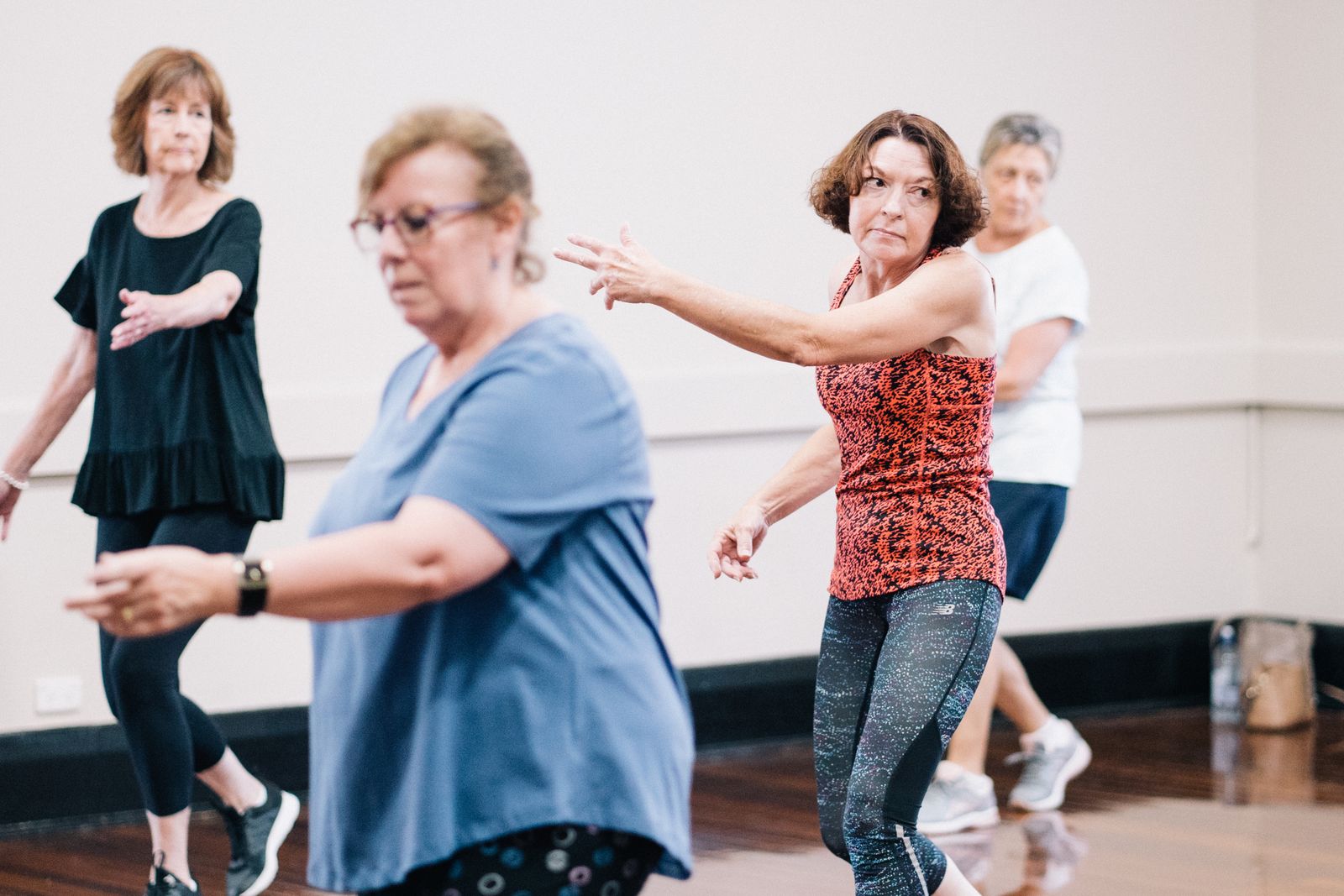
| Zumba Gold | Slower, simpler choreography | Low to medium | Seniors, beginners, returning after a long break |
| Zumbini | Music and movement for little kids with caregivers | Low | Families, coordination play, early movement habits |
Kids, seniors, and special populations
Zumba Kids exists, but the bigger point is age-appropriate coaching. Kids need structure without militarising movement. Seniors need lower impact, simpler patterns, and more balance awareness.
For special populations, there’s actual research too. Zumba Gold has been studied for feasibility in Parkinson’s contexts, like this PubMed study on Zumba Gold and Parkinson’s safety/compliance. That does not mean everyone with a medical condition should just join any random batch class. It means the format can be adapted when it’s handled responsibly.
How intense is it, and what muscles work?
Intensity levels and talk-test cues
Intensity is not fixed. It’s a dial. A decent instructor will teach you to self-regulate using the talk-test: if you can speak a full sentence comfortably, you’re in lighter cardio; if you can only say a few words, you’re pushing harder; if you’re gasping and dizzy, you’ve overshot.
In India, people often overpush on day one because the music is pumping and the room is competitive in a quiet way. Don’t. Your goal is repeatability. Not heroics.
A simple guide:
| Cue | What it feels like | What to do |
|---|---|---|
| Comfortable breathing | You can chat easily | Add bigger arms, deeper range, more travel |
| Working hard | You can speak short phrases | Stay here for most of the main block |
| Too hard | You can’t talk, you feel sloppy | March, reduce impact, rejoin next song |
Target zones and common movement patterns
Muscle-wise, you’ll hit legs a lot: quads, glutes, calves, plus hip stabilisers because of all the lateral movement and turns. Core is involved through rotation and balance, especially when you stop flopping and start controlling your torso. Upper body gets endurance work from constant arm patterns.
Target zones depend on choreography: more squats and lunges means more lower-body strength endurance; more travel and hops means more cardio load; more punches and reaches means shoulders and upper back burn.
If you track it, a Wear OS smartwatch or any heart-rate watch can help you see patterns across songs. Just don’t become a slave to numbers. “Whenever track” becomes obsession fast if you’re not careful.
Who should modify or avoid high impact
If you have knee pain, ankle instability, uncontrolled hypertension, recent surgery, or you’re postpartum and still rebuilding core function, you should modify. High-impact bouncing and sharp pivots can irritate joints if your tissues aren’t ready.
Also, if you’re the person who lands like a sack of rice, you need the low-impact option until you learn softer mechanics. This is not about fear. It’s about physics.
And yes, footwear matters. Zumba wear is not just fashion. You want shoes that can handle lateral movement, not sticky running shoes that trap your foot during a twist.
Start safely and progress in 4 weeks

Most beginners fail because they go too hard, too soon, then disappear. Keep it boringly smart for four weeks. Two to three Zumba sessions weekly is enough. On off-days, walk. Sleep properly. Hydrate, especially in humid Indian weather when sweat losses are sneaky.
Week 1 should feel like learning and surviving. Week 2 you’ll anticipate patterns and stop panicking when the beat changes. Week 3 you can choose intensity on purpose, not by accident. Week 4 is where you finally feel that “fulfilling workout” buzz where your body cooperates instead of protesting.
If you want a sanity anchor, Harvard’s public health folks keep the guidance grounded in their evidence-based overview of Zumba and modifications like Zumba Gold.
Find a qualified instructor in India

India has everything from excellent licensed instructors to “I watched YouTube and now I’m teaching in my society clubhouse.” Be picky. Your joints will thank you.
When you’re scouting a class in Mumbai, Pune, Bengaluru, Delhi, Hyderabad, Chennai, Kolkata, wherever, ask simple questions: Is the instructor licensed for Zumba (brand licence) and do they also have a general fitness certification background? Can they explain low-impact options without acting offended? Do they cue clearly and watch the room, or do they just perform on the stage?
Also, visit the place once before you register. Floor quality, ventilation, crowding, sound levels, all matter. A community center hall with decent fans can be safer than a cramped studio with slippery tiles.
FAQ
People ask if Zumba is good for weight loss. It can help, because it’s cardio and it increases weekly activity, but weight loss is still calories balance plus consistency. Zumba makes consistency easier for many. That’s the honest mechanism.
People ask how many classes per week. Two to four is common, depending on your fitness level and recovery. If you’re sore for days, you did too much.
People ask if they need equipment. Usually no. For Zumba Toning, you might use toning sticks or light dumbbells, but many studios provide them.
People ask if it’s safe for beginners. Yes, if you choose the right intensity, wear supportive shoes, and modify impact. If you have medical conditions, get clearance and pick a calmer format like Zumba Gold or Aqua Zumba.
People ask what to eat before class. Don’t come stuffed. A small snack 60 to 90 minutes before, plus water, is fine. And please do not punish-eat later like you earned a buffet. That’s how progress gets quietly stolen.
Conclusion
If you want the clean truth: Zumba works when you treat it like training, not like a one-off party. Show up, respect your joints, let the music pull you through the hard minutes, and choose instructors who coach instead of just entertaining. Do that for a month and your body will start negotiating with you in a nicer tone, which is honestly the best kind of fitness progress.