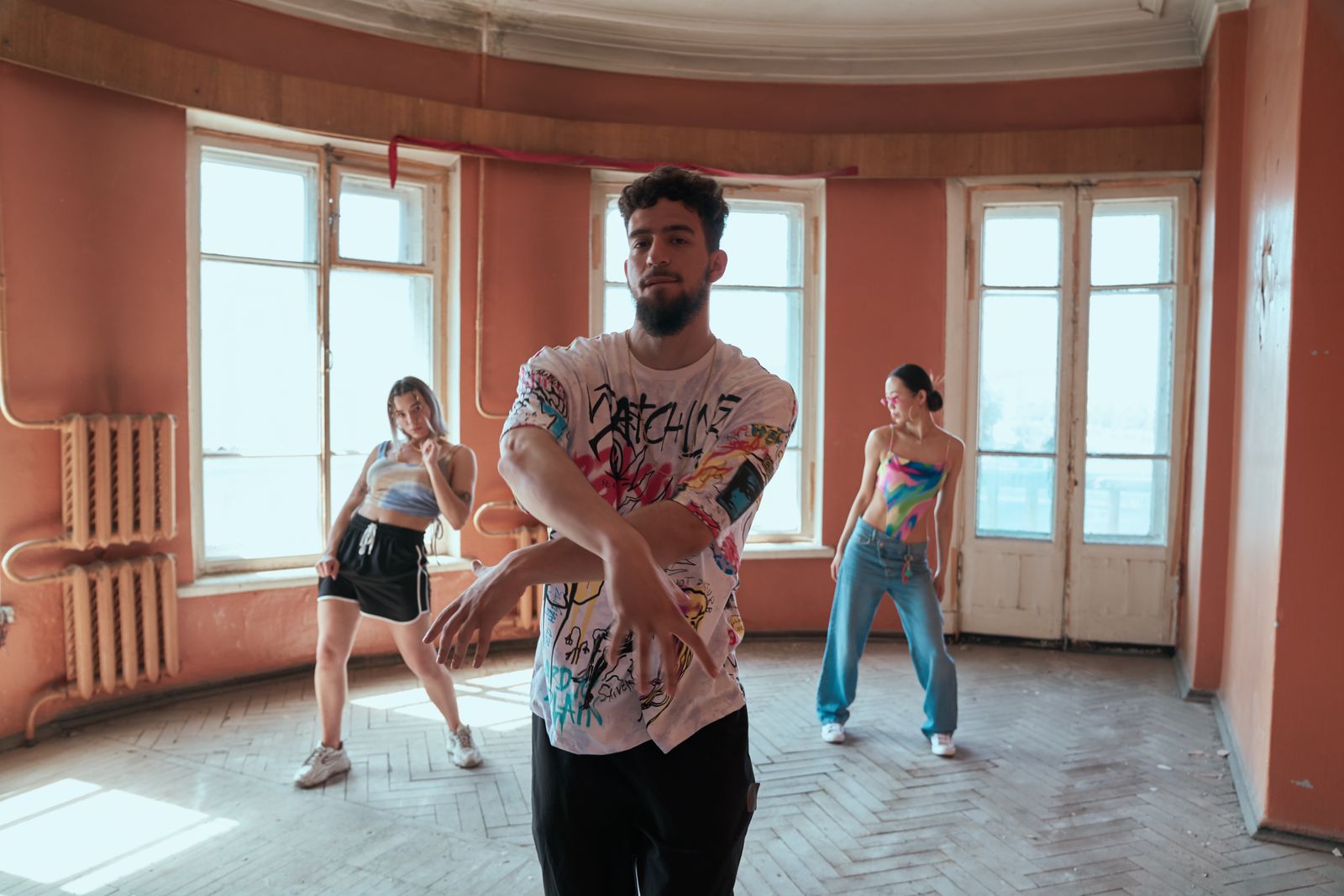
Reggaeton is one of Zumba’s four core rhythms, defined by fast, hip-driven movement, body rolls, and a distinctive dembow-influenced beat. It typically functions as one of the higher-intensity segments in a class, both musically and physically, built around gyrating hip movement and energetic footwork that demands more cardiovascular effort than the steadier merengue rhythm around it.
Here’s where reggaeton comes from, how it’s adapted for Zumba specifically, and why it usually lands at a class’s peak-intensity point rather than at the start.
Where Reggaeton Comes From
Reggaeton originated in Puerto Rico in the early 1990s, evolving out of Jamaican dancehall with heavy influence from hip hop and broader Latin American and Caribbean music traditions. Some accounts trace earlier roots to Panama in the late 1980s, but Puerto Rico is where the genre took the recognizable shape it’s known for today, built on the dembow rhythm, a repetitive, staccato drum pattern that gives reggaeton its signature bounce.
How Reggaeton Translates Into Zumba Choreography
In Zumba, reggaeton’s dance style centers on fast, energetic hip movement, gyrating and shaking paired with body rolls and varied footwork. One recognizable variation used in some classes is the “stomp” style, which trades the fluid hip movement for more rigid, percussive foot stepping matched tightly to the beat. Instructors typically layer fitness elements, deeper squats, added arm work, quicker directional changes, onto this base to raise the cardiovascular demand beyond what the dance style alone would require.
Why Reggaeton Segments Feel Like the Hardest Part of Class
Reggaeton combines a fast tempo with continuous hip and core engagement, which taxes both your cardiovascular system and your midsection more than a rhythm built around simpler footwork. This is why reggaeton segments are usually positioned mid-to-late in a class, after merengue and salsa have already built up momentum and body temperature, rather than as an opening song. Jumping straight into reggaeton cold raises injury risk and generally feels more punishing than easing into it after a proper warm-up.
If you’re specifically working on core strength, reggaeton’s hip-driven movement is directly relevant. Our guide to Zumba for abs and core covers exactly how these hip circle and rotation movements engage your obliques and midsection throughout a class.
Reggaeton Versus Zumba’s Other Core Rhythms
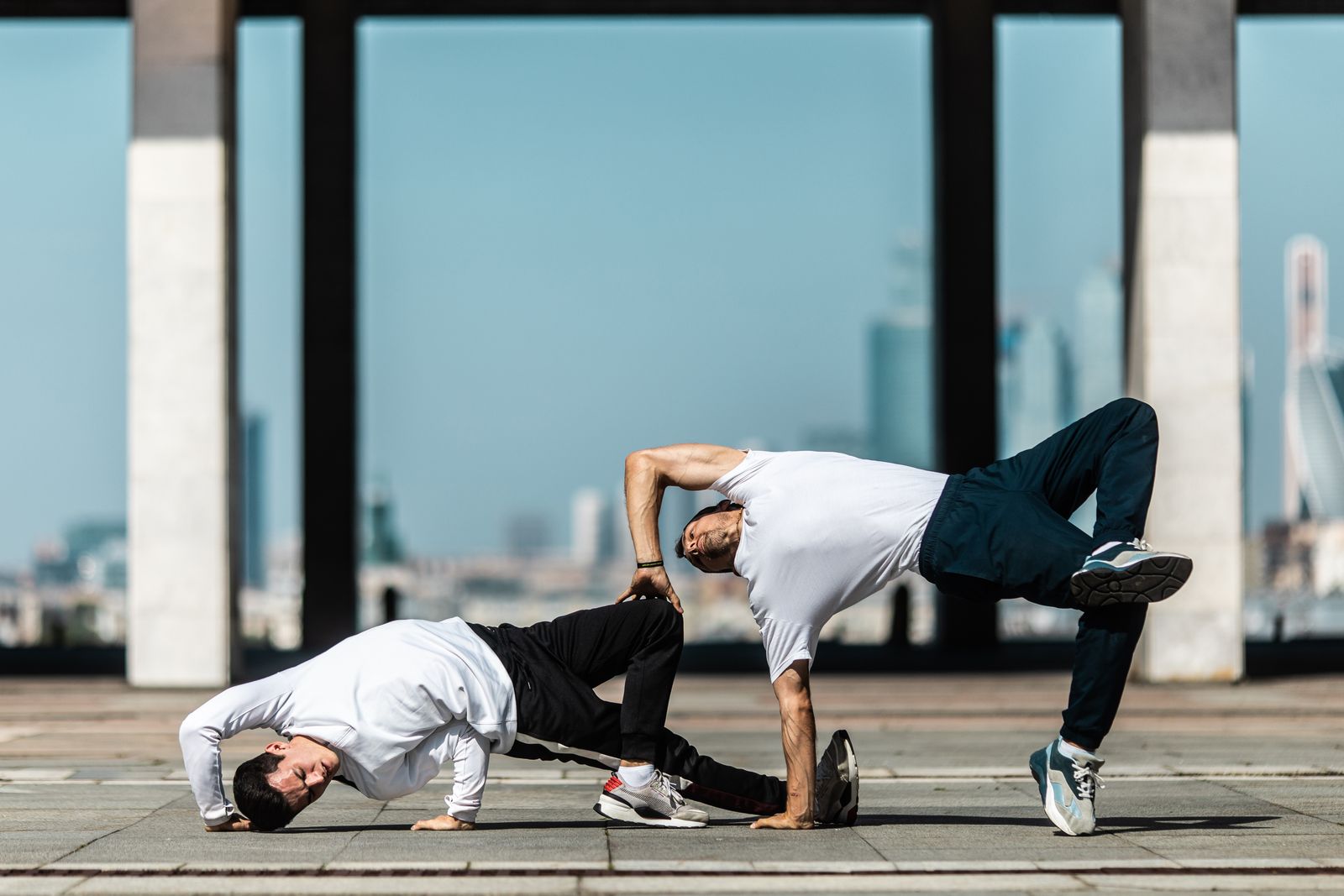
Compared to merengue’s even, marching-friendly beat, reggaeton demands considerably more hip and core coordination. Compared to salsa’s syncopated footwork, reggaeton shifts more of the physical demand toward the hips and core rather than the feet specifically. Compared to cumbia’s grounded, forward-and-back pattern, reggaeton is faster and more continuously high-intensity throughout. Our Zumba rhythms explained guide covers how all four core rhythms fit together across a full class structure.
Tips for Getting Comfortable With Reggaeton Segments
Warm up properly before a reggaeton-heavy class or segment, since the hip and core demand is genuinely higher than merengue or a light salsa section, and going in cold raises strain risk. Focus on hip isolation rather than trying to move your entire torso as one unit, the more controlled and localized the hip movement, the more effectively it targets the muscles reggaeton is meant to engage. Pace yourself across a full reggaeton song rather than going maximum effort in the first 30 seconds, since the rhythm’s continuous intensity rewards sustained effort over a short, unsustainable burst.
Reggaeton in Zumba: Quick Facts
- Origin: Puerto Rico, blending reggae, dancehall, and Latin hip-hop
- Tempo: Moderate, driven by the “dembow” rhythm pattern
- Core movement: Knee bends and rhythmic bouncing
- Role in Zumba: Popular for higher-intensity, urban-influenced segments
Frequently Asked Questions About Reggaeton in Zumba
Where did reggaeton originate?
Reggaeton developed in Puerto Rico in the early 1990s, drawing on Jamaican dancehall along with hip hop and broader Latin American and Caribbean influences, built around the distinctive dembow rhythm that still defines the genre today.
Why does reggaeton feel more intense than other Zumba rhythms?
It combines a fast tempo with continuous hip and core engagement, which raises cardiovascular and muscular demand compared to steadier rhythms like merengue. This is normal and expected, and it’s part of why reggaeton segments are usually placed after a proper warm-up rather than at the start of class.
Is reggaeton in Zumba the same as reggaeton you’d hear on the radio?
The music itself draws from the same genre and often includes popular reggaeton tracks, but the dance movement is adapted and often intensified with added fitness elements like deeper squats and extra footwork that a purely social reggaeton dance context wouldn’t include.
What is the “stomp” style in reggaeton Zumba?
It’s a variation that emphasizes rigid, percussive foot stepping tightly matched to the beat, rather than the more fluid hip-driven movement typical of standard reggaeton choreography. Different instructors and routines may lean toward one style or blend both.
Does reggaeton in Zumba work your core specifically?
Yes, more directly than most other rhythms. The hip circles, gyrating movement, and body rolls central to reggaeton choreography continuously engage your obliques and core muscles throughout the segment, making it one of the more core-intensive parts of a typical class.
Ready to Feel Reggaeton’s Energy for Yourself?
Reggaeton’s high-energy, hip-driven movement is one of the most physically demanding and satisfying parts of a Zumba class. Explore FitStrot’s Online Zumba Classes and experience it firsthand.
Curious about the other core rhythms too? Check out our guide to cumbia in Zumba, explore the full types of Zumba available, or head to Online Zumba Classes to get started.